Taj Mahal: Why It’s India’s Most Famous Cultural Site
 Oct, 16 2026
Taj Mahal Visit Planner
Date:
Status:
Total Ticket Cost
Est. Time Needed
Select your options to see costs and tips.
Quick Facts & Etiquette
- ✓ Best Times: Sunrise or Sunset for best light and fewer crowds.
- ✕ Closed: Every Friday for congregational prayers.
- ! Essentials: Shoe covers are required for the main platform. Bring water.
- ℹ History: Built by Shah Jahan for Mumtaz Mahal. Construction took ~22 years.
You’ve probably seen it on a postcard, a magazine cover, or in that one photo your friend took during their backpacking trip. But standing in front of the Taj Mahal is a different beast entirely. It’s not just a building; it’s a massive marble statement about love, loss, and imperial power that has captivated the world for nearly four centuries. If you’re asking what the most famous cultural site in India is, the answer isn’t up for debate. It’s the Taj Mahal.
But why this specific mausoleum? Sure, India has thousands of temples, forts, and ancient cities. So why does this white-domed structure in Agra steal the spotlight? It comes down to a mix of architectural perfection, emotional storytelling, and sheer visual impact. This article breaks down exactly what makes the Taj Mahal the crown jewel of cultural tourism in India, how it compares to other heavyweights like the Red Fort or Khajuraho, and what you actually need to know before booking your ticket.
The Story Behind the Marble
To understand why the Taj Mahal holds such fame, you have to look at who built it and why. It wasn’t commissioned by a king wanting to show off his wealth alone. Emperor Shah Jahan built it as a tomb for his favorite wife, Mumtaz Mahal, who died in childbirth in 1631. The project started in 1632 and took about 22 years to complete, employing over 20,000 artisans.
This backstory hits hard because it’s universal. Everyone understands grief and love. While other monuments represent political power or religious devotion, the Taj represents personal emotion scaled up to monumental proportions. That human connection is a huge part of its global appeal. It’s relatable. You don’t need to be a historian to feel something when you see it.
Architectural Brilliance and Symbolism
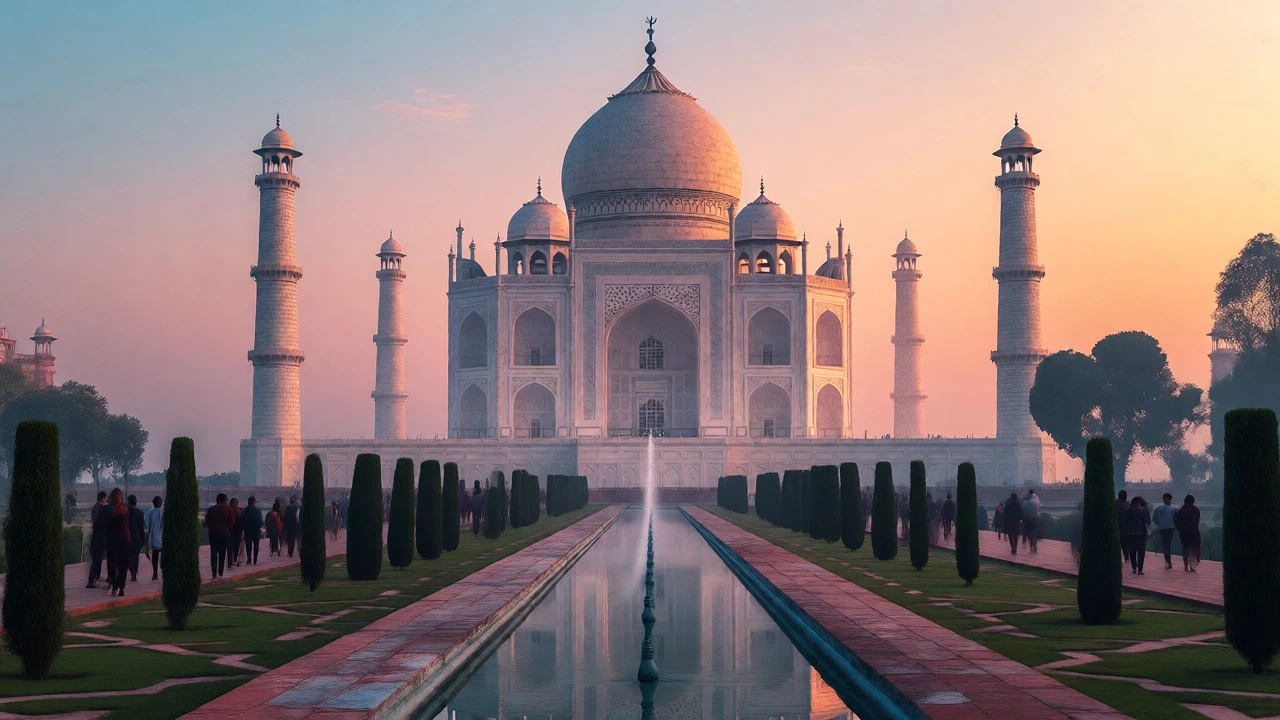
The Taj Mahal is widely considered the finest example of Mughal architecture. This style blends Islamic, Persian, Ottoman Turkish, and Indian architectural elements. The result is a symmetrical masterpiece that changes color depending on the time of day. At dawn, it looks pinkish-white. At noon, it glows bright white. Under the moonlight, it takes on a silver hue.
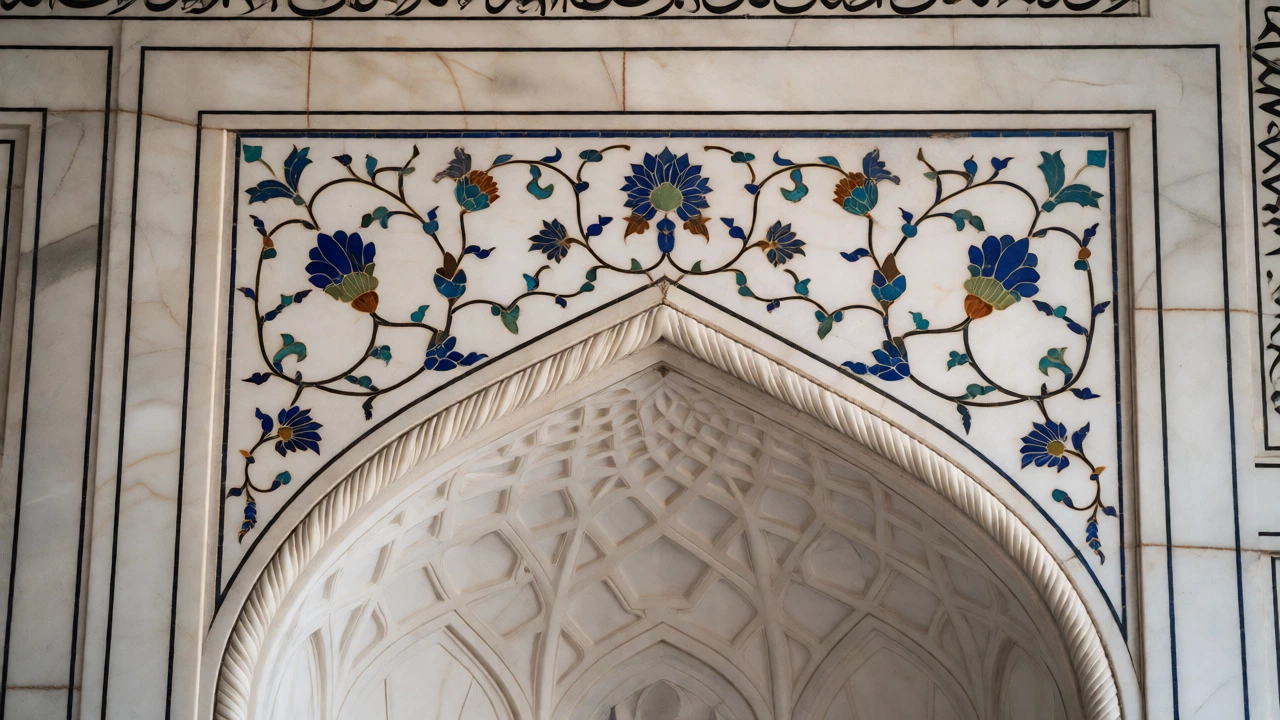
The design isn’t just pretty; it’s symbolic. The main dome represents the heavens, while the minarets are slightly tilted outward so that if they ever fell, they wouldn’t crush the central tomb. The calligraphy on the walls uses black marble inlaid into white, creating an optical illusion where letters appear the same size whether you’re standing close up or far away. These details show the incredible craftsmanship involved, which is why UNESCO listed it as a World Heritage Site in 1983.
Why It Beats Other Famous Sites
India is packed with incredible heritage sites. You have the Red Fort in Delhi, the ancient caves of Ajanta and Ellora, and the temple complexes of Varanasi. So, why does the Taj Mahal win the popularity contest?
- Visual Impact: The Taj is instantly recognizable. Its silhouette is iconic worldwide. Other sites require more context or effort to appreciate visually.
- Accessibility: Located in Agra, it’s easily reachable from New Delhi via a three-hour drive or train ride. Many remote heritage sites are harder to get to.
- Media Presence: From Hollywood movies to Instagram reels, the Taj dominates media representation of India. This creates a feedback loop where seeing it becomes a bucket-list item for millions.
Let’s look at how it stacks up against other top contenders in terms of visitor experience and fame.
| Site Name | Primary Appeal | Visitor Volume (Annual) | Best For |
|---|---|---|---|
| Taj Mahal | Romantic History & Architecture | ~7-8 Million | First-time visitors, photographers, couples |
| Red Fort | Political History & Mughal Power | ~4-5 Million | History buffs, Delhi-based travelers |
| Qutub Minar | Islamic Architecture & Height | ~3-4 Million | Architecture enthusiasts, short trips |
| Khajuraho Temples | Sculpture & Erotic Art | ~1 Million | Art lovers, niche tourists |
Planning Your Visit: Practical Tips
Knowing it’s famous is one thing. Visiting it without losing your mind is another. Here’s what you need to handle before you go.
Timing Matters: The best times to visit are early morning (sunrise) or late afternoon (sunset). Midday sun is harsh, and the crowds are thick. Also, note that the Taj Mahal is closed on Fridays for prayers. Don’t let that catch you off guard.
Booking Tickets: You can buy tickets online through the Archaeological Survey of India website. This saves you from waiting in long lines at the counter. Foreign tourists pay significantly more than Indian citizens-expect to pay around ₹1,100 ($13 USD) for foreign nationals versus ₹50 for locals.
What to Bring: You’ll need shoes covers if you want to enter the main mausoleum platform. They are sold cheaply at the entrance. Also, bring water. The grounds are large, and walking between the entry gates and the main building takes time under the sun.
Beyond the Main Dome: What Else to See
A common mistake is rushing straight to the main dome and leaving. The Taj complex is vast. Take time to explore the Charbagh garden layout, which follows traditional Persian designs representing paradise. Walk along the Yamuna River bank behind the monument for a quieter view.
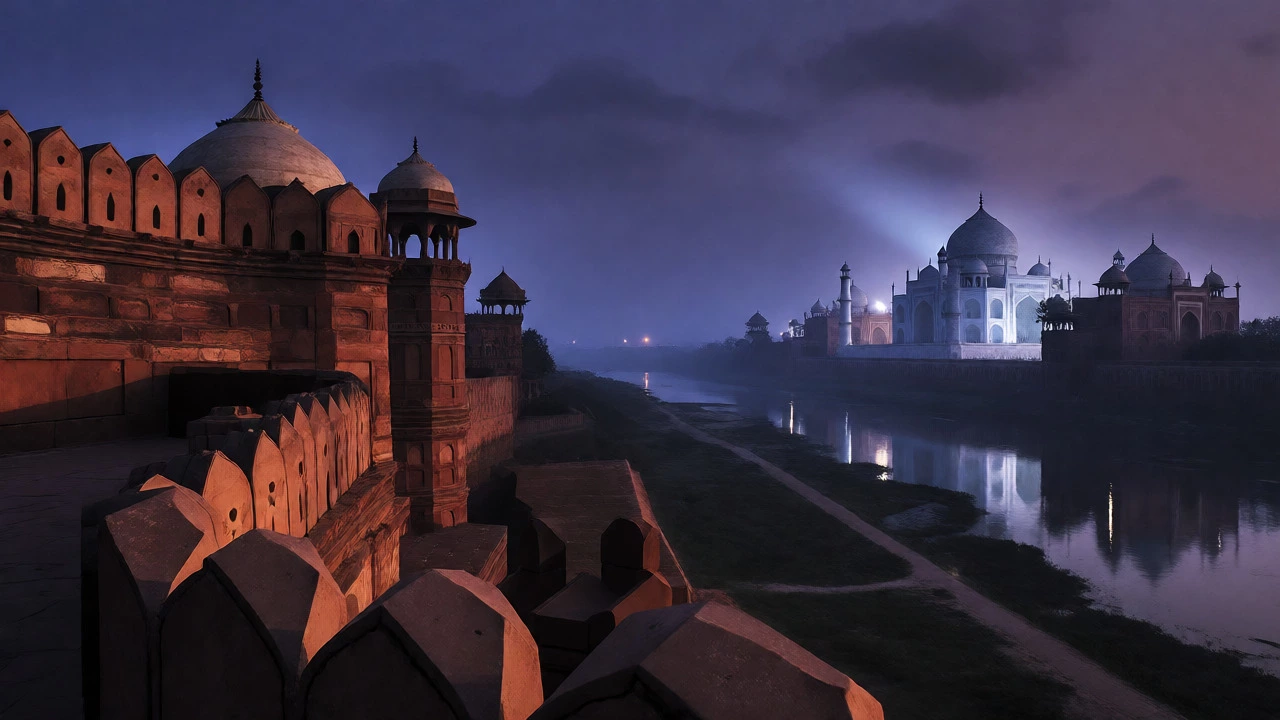
Also, consider visiting the Agra Fort nearby. Shah Jahan was imprisoned here by his son Aurangzeb for the last eight years of his life. Legend says he spent his final days gazing at the Taj Mahal across the river. The fort itself is a stunning red sandstone fortress that offers great views and historical depth. Combining both sites gives you a fuller picture of Mughal history.
The Challenges of Fame
With great fame comes great problems. Air pollution in Agra has caused the marble to yellow over time. The Supreme Court of India has implemented strict environmental regulations around the site to protect it. Visitors might notice some discoloration, but restoration efforts are ongoing.
Crowd management is another issue. During peak season (October to March), you’ll be shoulder-to-shoulder with tourists. To avoid the worst of it, arrive right when the gates open at sunrise. You’ll get cleaner air, softer light for photos, and fewer people in your shots.
Frequently Asked Questions
Is the Taj Mahal really the most visited site in India?
Yes, the Taj Mahal consistently ranks as the most visited paid tourist attraction in India, drawing millions of domestic and international tourists annually. Its status as a UNESCO World Heritage Site and one of the New Seven Wonders of the World drives this high volume.
Can you go inside the Taj Mahal?
You can enter the main mausoleum to see the cenotaphs (false tombs) of Shah Jahan and Mumtaz Mahal. However, the actual graves are located in a crypt below ground level, which is generally not open to the public.
Why is the Taj Mahal closed on Fridays?
The Taj Mahal includes a mosque within its complex. On Fridays, the mosque is used for congregational prayers, so the entire site remains closed to tourists to respect religious practices.
How much time do I need to visit the Taj Mahal?
Plan for at least 2 to 3 hours to properly explore the gardens, take photos from different angles, and enter the mausoleum. If you plan to visit Agra Fort as well, set aside a full day.
Is it safe to travel to Agra solo?
Generally, yes. Agra is a major tourist hub with established infrastructure. However, like many tourist spots, be wary of touts offering "guides" or rides. Stick to official taxi services or pre-booked transfers for safety and fair pricing.
Final Thoughts
The Taj Mahal earns its title as India’s most famous cultural site not just because it’s old or big, but because it tells a story everyone understands. It combines architectural genius with deep human emotion. Whether you’re a history nerd, a photography enthusiast, or just someone looking for beauty, it delivers. Just remember to book ahead, wake up early, and enjoy the magic of that white marble glow.