UNESCO World Heritage Sites in India: Top Destinations and What Makes Them Special
When you think of UNESCO World Heritage Sites, places recognized by the United Nations for their outstanding cultural or natural value. Also known as World Heritage Locations, these sites are protected not just for their beauty, but because they tell the story of human history and the natural world in ways no textbook can. India is home to 42 of them—more than any country in South Asia—and each one carries a different kind of magic. Some are grand temples carved by hand centuries ago. Others are forests where tigers still roam, or cities where ancient trade routes once buzzed with merchants and pilgrims.
These sites aren’t just landmarks—they’re living parts of India’s identity. The Taj Mahal, a marble mausoleum built in the 17th century as a symbol of love draws millions, but it’s just one piece of a much bigger puzzle. Places like Khajuraho, a group of temples famous for their intricate sculptures, or Hampi, the ruins of a once-great Vijayanagara Empire capital, show how deeply art, religion, and daily life were woven together in ancient India. Even natural sites like the Western Ghats, a mountain range teeming with rare plants and animals found nowhere else, prove that India’s heritage isn’t just about what humans built—it’s about what nature preserved.
What ties these places together isn’t just their age or beauty—it’s the fact that they’re still part of real life. People pray at the same temples that UNESCO lists. Farmers work the land around Jaipur’s city walls. Villagers in the Sundarbans still fish in waters that shelter Bengal tigers. That’s what makes these sites different from museums. They’re not frozen in time. They breathe. And if you visit with an open mind, you’ll see how history isn’t something you look at—it’s something you walk through.
Below, you’ll find real travel stories and practical guides about the most unforgettable of these places. Whether you’re planning your first trip to India or looking to dive deeper into its hidden heritage, the posts here give you the facts you need—no fluff, no guesswork. Find out which state has the most sites, what to see beyond the Taj, and how to plan a trip that actually connects you with these places instead of just passing by them.
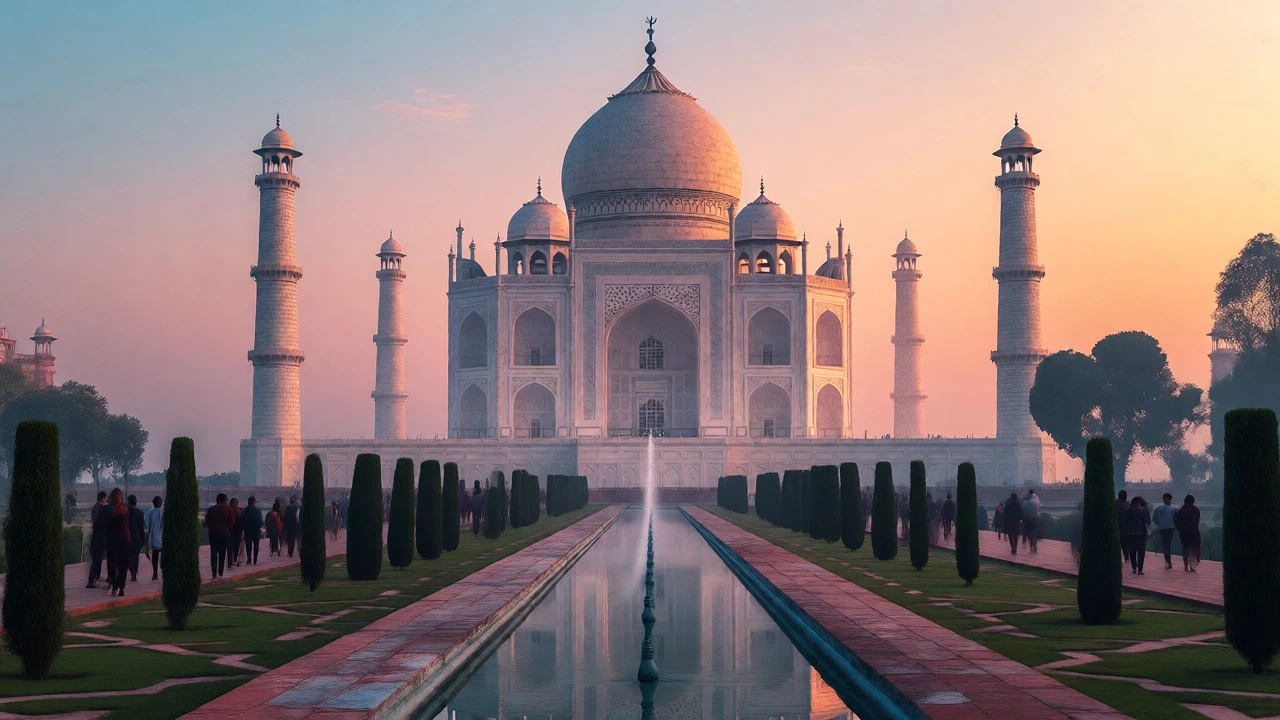
Taj Mahal: Why It’s India’s Most Famous Cultural Site
Discover why the Taj Mahal is India's most famous cultural site. Learn about its history, architecture, and tips for visiting this UNESCO World Heritage gem.
Read more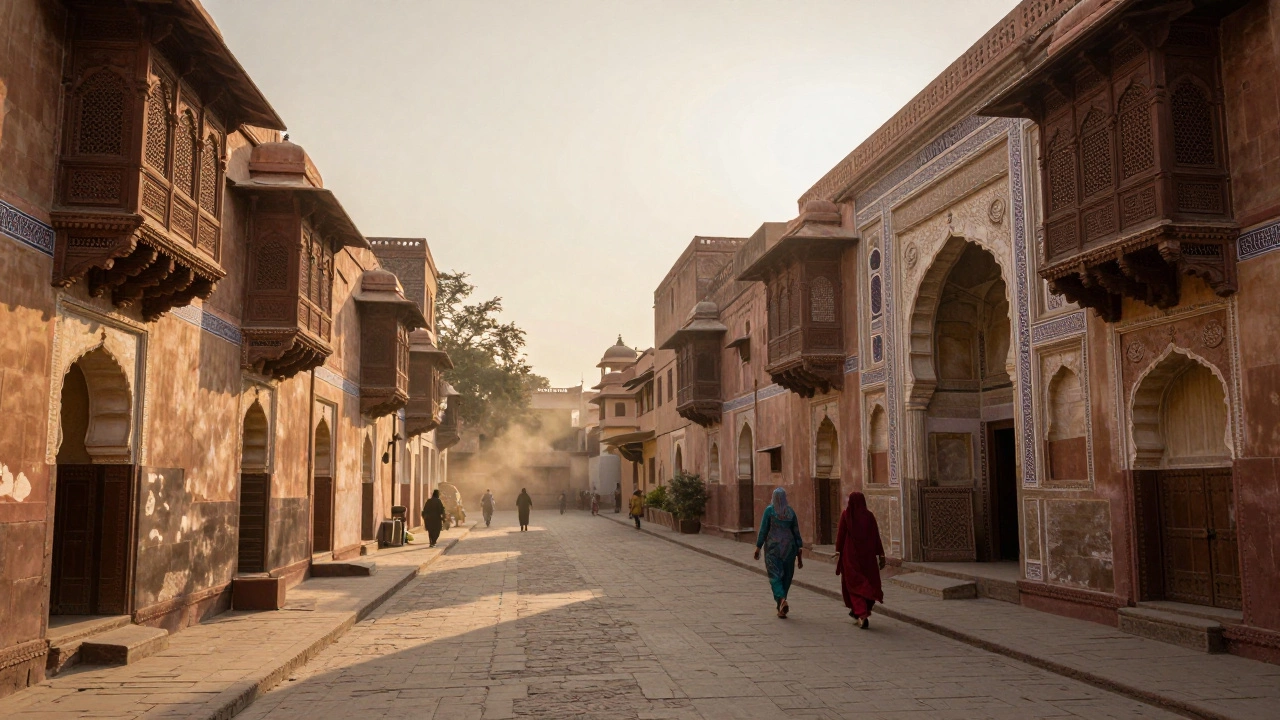
Why is Ahmedabad so famous? Discover the heritage, history, and culture behind India's iconic city
Ahmedabad is famous for its UNESCO-listed walled city, Sabarmati Ashram, ancient stepwells, and centuries-old textile traditions. A living heritage site where history isn't preserved behind glass - it's lived every day.
Read more