Why is Ahmedabad so famous? Discover the heritage, history, and culture behind India's iconic city
 Jan, 23 2026
Textile Impact Calculator
How Traditional Textiles Save Resources
Ahmedabad's handloom tradition produces over 20% of India's cotton fabric while using 98% less water than machine-made textiles. Learn the environmental impact of your clothing choices.
Ahmedabad isn’t just another city in Gujarat. It’s a living museum where centuries of trade, faith, and craftsmanship still breathe in its narrow lanes, grand mosques, and centuries-old stepwells. If you’ve ever wondered why this city keeps showing up on lists of India’s most important places, it’s not because of skyscrapers or nightlife. It’s because Ahmedabad holds one of the most完整 and untouched collections of medieval Islamic and Hindu architecture in South Asia - and it’s been recognized for it by UNESCO.
The Walled City that Changed How the World Sees Urban Heritage
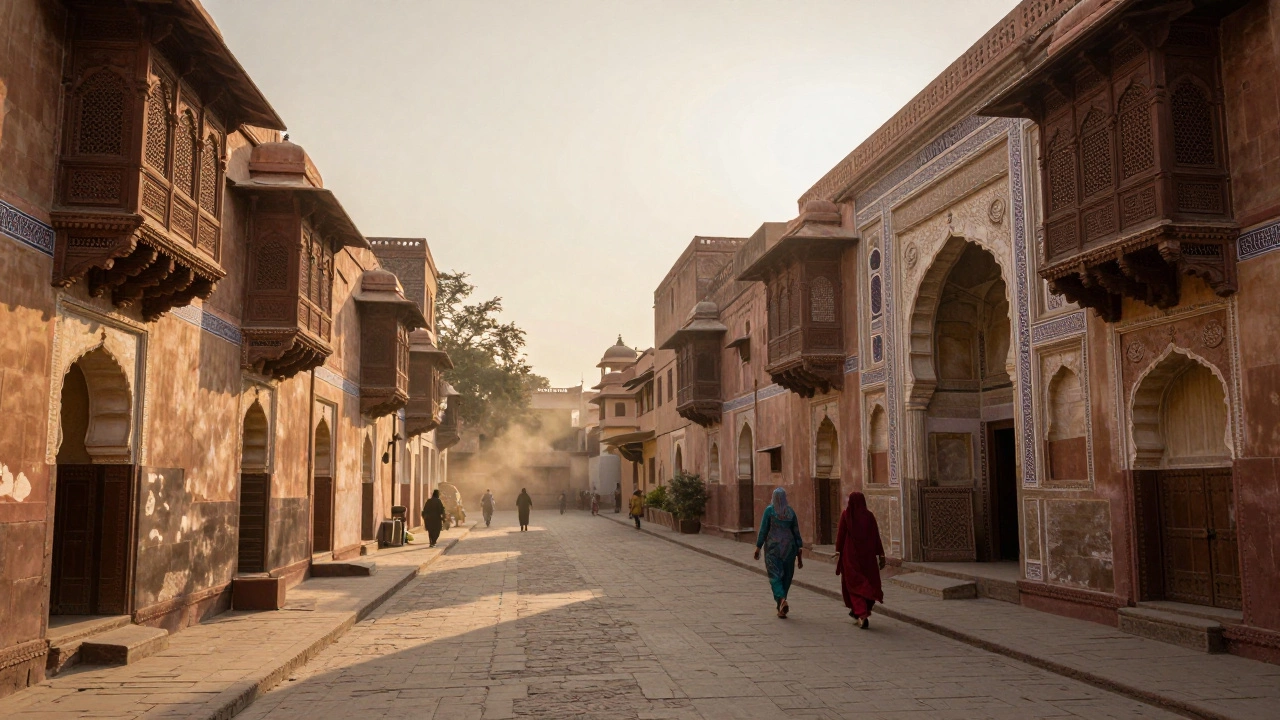
In 2017, Ahmedabad became the first Indian city to be named a UNESCO World Heritage City. Not just for one monument, but for its entire historic core - a 6-square-kilometer area packed with over 900 buildings from the 15th to 20th centuries. That’s more than any other Indian city. The old city’s layout hasn’t changed much since the 1400s. You can still walk the same stone-paved streets that merchants, weavers, and scholars walked during the Sultanate era.
The key to its survival? The havelis - ornate homes built by wealthy traders. These aren’t just pretty facades. Each haveli has a courtyard, a water tank, carved wooden balconies, and intricate jharokhas (overhanging enclosed balconies) designed for privacy and cooling. Many still belong to the same families who built them 300 years ago. You’ll see Jain motifs beside Mughal arches and Hindu temple carvings next to Islamic calligraphy. That blend isn’t accidental. It’s the result of centuries of coexistence.
Sabarmati Ashram: Where Gandhi Changed the World
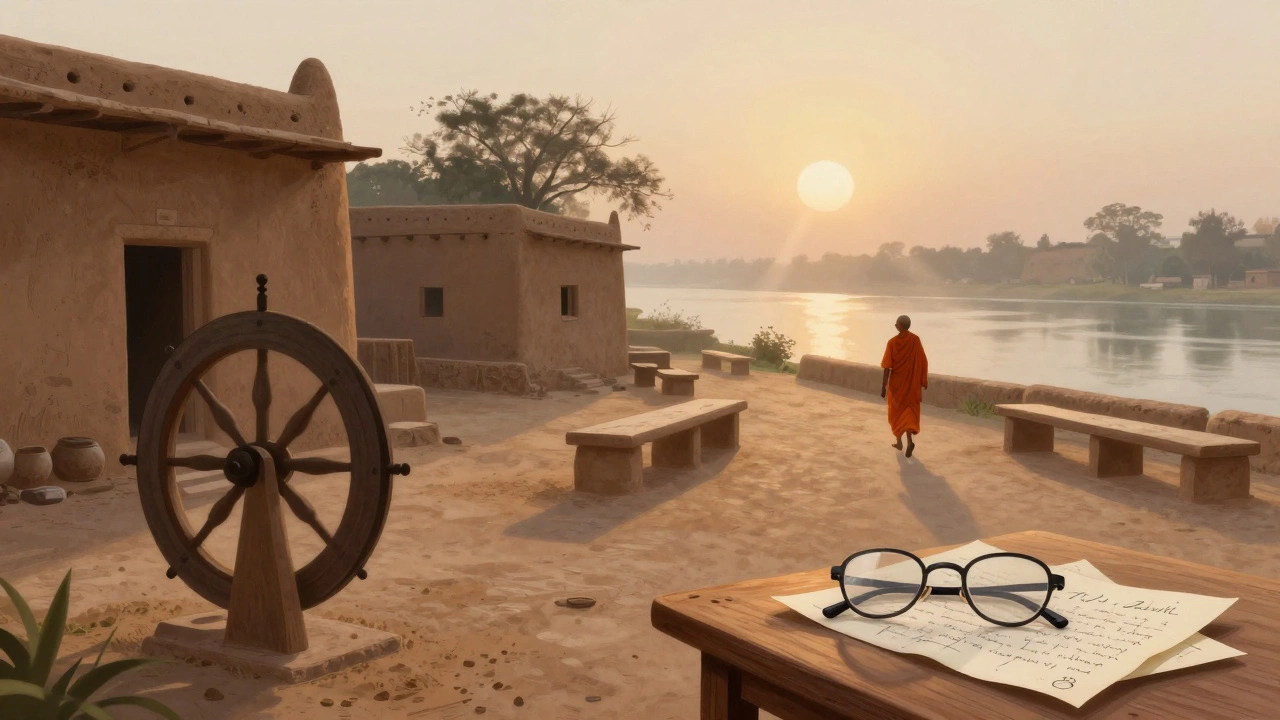
Walk a few kilometers west from the old city, and you’ll find the Sabarmati Ashram - the heart of India’s freedom struggle. Gandhi lived here from 1917 to 1930, turning this quiet riverside retreat into the command center for nonviolent resistance. The ashram isn’t a grand palace. It’s simple: mud-brick buildings, a spinning wheel, a kitchen where volunteers cooked for hundreds, and a prayer ground where Gandhi spoke to thousands.
What makes this place powerful isn’t its size. It’s the weight of what happened here. The Salt March of 1930 - the 400-kilometer walk to the sea to make salt and defy British taxes - began at this ashram. Today, you can see Gandhi’s original spectacles, his handwritten letters, and the exact spot where he spun cotton every morning. Over 2 million people visit each year. It’s not a tourist trap. It’s a place of quiet reflection.
The Textile Legacy That Built a City
Ahmedabad didn’t become rich because of kings. It became rich because of cloth. By the 1800s, it was India’s top cotton textile hub. British mills imported raw cotton from here, and local weavers turned it into fine muslins and chintzes that sold across Asia and Europe. The city’s wealth from textiles built its havelis, its mosques, and its schools.
Even today, you can walk into the old textile markets like Manek Chowk or the Bhadra Fort area and find handloom weavers still using wooden looms passed down through generations. The city produces over 20% of India’s cotton fabric. You won’t find mass-produced polyester here - you’ll find hand-block printed fabrics dyed with natural indigo, and intricate bandhani ties made by women who’ve learned the craft from their grandmothers.
The Calico Museum of Textiles, housed in a former palace, holds over 50,000 pieces - the largest private collection of Indian textiles in the world. It includes 16th-century Mughal silks, rare Jain manuscripts with gold embroidery, and 200-year-old quilts from Kutch. No other city in India has such a deep, documented link between fabric and identity.
Stepwells, Mosques, and the Art of Water
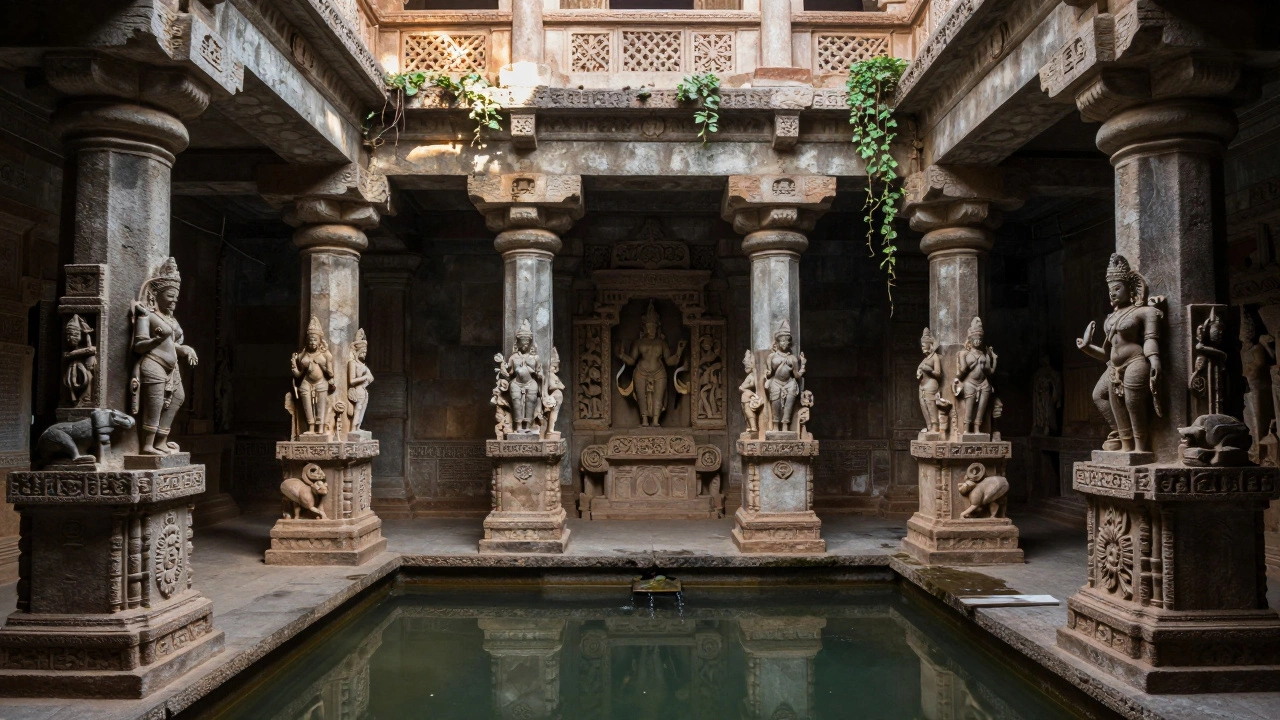
Water was life in this dry region. So the people of Ahmedabad built stepwells - deep, underground wells with stairs leading down to the water. These weren’t just functional. They were sacred spaces, social hubs, and architectural masterpieces.
The Rani ki Vav in Patan (nearby) is the most famous, but Ahmedabad has its own gems. The Dada Harir Stepwell, built in 1485, has 7 levels of carved pillars and 1,000+ statues of deities, dancers, and animals. It was designed to cool the air and bring women together to collect water. Today, it’s quiet, but you can still see the faint outlines of carvings that once told stories of gods and kings.
Then there are the mosques. The Sidi Saiyyed Mosque, with its famous stone latticework windows called “tree of life,” isn’t just beautiful - it’s a feat of engineering. The pattern lets in light and air without letting in dust or rain. Locals say the wind blowing through it sounds like a flute. The Jumma Masjid, built in 1424, has 260 pillars carved with floral and geometric designs. No two are alike. It could hold 25,000 worshippers at once - bigger than most cathedrals in Europe at the time.
Food That Tells a Story
Ahmedabad’s food isn’t loud or spicy like some Indian cities. It’s subtle, layered, and deeply rooted in community. The city’s famous thali - a steel plate with 10-12 small dishes - is a ritual. You get dal, kadhi, rice, roti, pickles, yogurt, and sweets like shrikhand. Each bite balances sweet, sour, salty, and bitter. That’s not luck. It’s Ayurvedic wisdom.
Street food here is legendary. The famous fafda-jalebi - crispy fried gram flour strips dipped in hot syrup - is eaten at dawn with a cup of masala chai. You’ll find it in the same stalls since the 1950s. The city’s Muslim community brought kebabs and biryanis, while the Jain community created vegetarian versions that avoid onion and garlic. You can taste the history in every bite.
And then there’s the food festivals. The annual Ahmedabad Food Festival draws over 100,000 people. It’s not about fancy chefs. It’s about grandmothers cooking the same recipes their mothers did. That’s authenticity you can’t replicate.
Why Ahmedabad Still Matters Today
People often ask why Ahmedabad isn’t as famous as Jaipur or Varanasi. The answer is simple: it never tried to be. It didn’t turn its heritage into a theme park. It kept living. The same families still run the textile shops. The same priests still chant in the same temples. The same weavers still sit on the floor, spinning thread by hand.
That’s why it’s special. It’s not a museum behind glass. It’s a city that remembers who it is - and refuses to forget. UNESCO didn’t just honor its buildings. They honored its people for keeping their traditions alive, even as India raced into the future.
If you want to see India’s soul - not its postcards - come here. Walk the lanes before sunrise. Listen to the call to prayer mix with temple bells. Taste the food that hasn’t changed in 200 years. You won’t find a monument that says "World Heritage." But you’ll feel it everywhere.
Is Ahmedabad worth visiting for heritage lovers?
Absolutely. Ahmedabad has more preserved historic buildings than any other Indian city, with over 900 structures from the 15th to 20th centuries in its UNESCO-listed walled area. Unlike tourist-heavy sites like Jaipur, here you walk through living neighborhoods where heritage isn’t staged - it’s lived in daily.
What’s the best time to visit Ahmedabad?
October to March is ideal. The weather is cool and dry, perfect for walking the old city and exploring outdoor sites like stepwells and mosques. Avoid May and June - temperatures can hit 45°C. The city’s food festivals and cultural events also peak in winter.
Can you visit Sabarmati Ashram on a day trip from Ahmedabad?
Yes. The ashram is just 8 kilometers from the city center and easily reachable by auto-rickshaw or taxi. It’s open daily from 8:30 AM to 6 PM. Entry is free, and guided tours are available in multiple languages. Plan for 2-3 hours to see the museum, Gandhi’s room, and the prayer ground.
Are there any entry fees for heritage sites in Ahmedabad?
Most historic sites like the Sidi Saiyyed Mosque, Dada Harir Stepwell, and the old city lanes are free to enter. The Calico Museum of Textiles charges ₹100 for Indians and ₹500 for foreigners. Sabarmati Ashram is free, but donations are welcome. Always carry cash - many small sites don’t accept cards.
What should I wear when visiting religious sites in Ahmedabad?
Modest clothing is expected. Cover your shoulders and knees, especially at mosques and temples. You’ll need to remove your shoes before entering religious spaces. Many sites provide cloth coverings at the entrance if you’re unprepared. Women aren’t required to wear head coverings, but it’s respectful to do so in mosques.
How do I get around Ahmedabad’s old city?
The narrow lanes of the old city are too tight for cars. Walk or hire a cycle-rickshaw - they’re cheap and perfect for exploring. Auto-rickshaws work for longer distances. Avoid ride-sharing apps in the historic zone - drivers often can’t navigate the alleys. Use Google Maps offline; cell service can be spotty.