Why Foreigners Love Varanasi: A Guide to India's Spiritual Heart
 Oct, 27 2026
Varanasi Experience Planner
Not sure where to start in the city of light? Tell us what draws you to Varanasi, and we'll recommend the perfect ghat and activity for your first day.
Your Personalized Guide
Select your interests and click "Plan My Visit" to receive a tailored recommendation for your time in Varanasi.
Imagine standing on the edge of a stone step, watching thousands of years of history float by on dark water. That is Varanasi, known locally as Banaras or Kashi. It is not just a city; it is an experience that hits you in the chest. You might wonder why so many international travelers make this their final stop in India. The answer isn't simple. It’s a mix of chaos, beauty, death, and life happening all at once.
For many foreigners, Varanasi feels like stepping into a different time zone. Modern distractions fade away. What remains is raw human emotion. People come here seeking something they can’t find in sterile hotel lobbies or curated tourist traps. They want authenticity. And Varanasi delivers it with zero apologies.
The Magnetic Pull of the Ghats
The Ghats are the heart of Varanasi. These are not just steps leading down to the river; they are stages for daily rituals. There are over 80 ghats stretching along the Ganges River (Ganga). Each one has a specific purpose. Some are for bathing, some for cremation, and others for socializing.
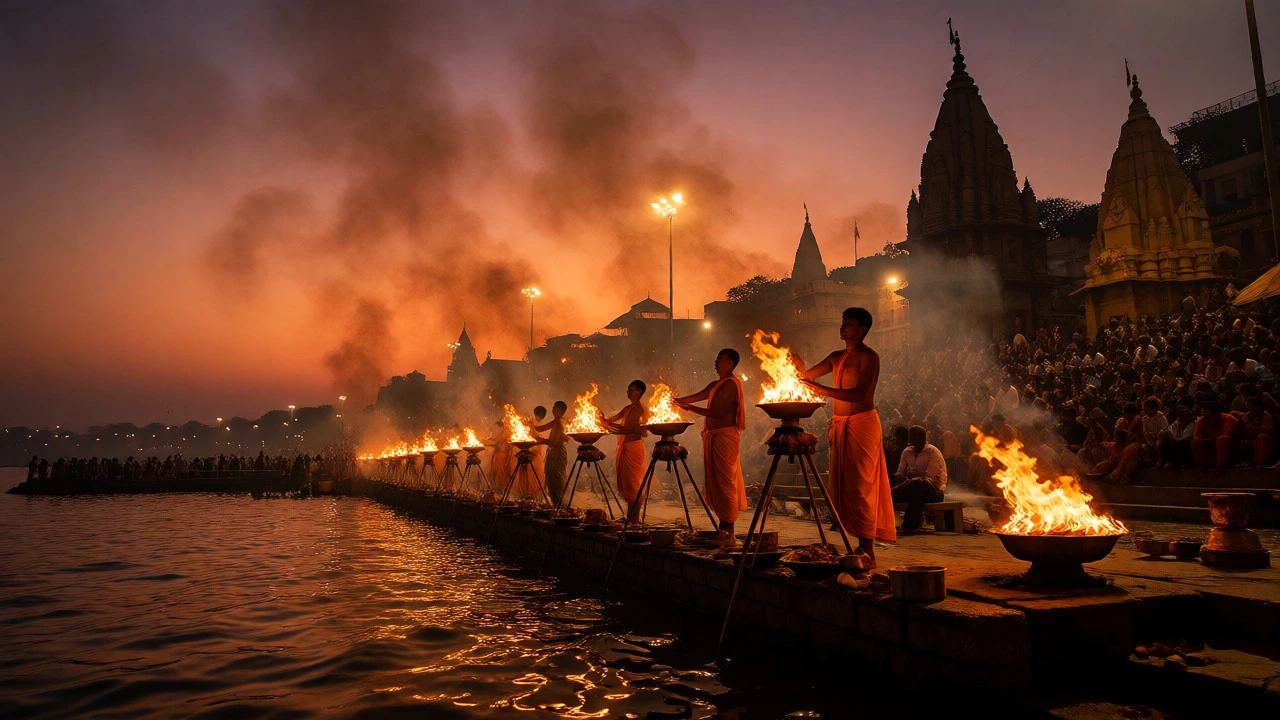
Foreign visitors often start at Dashashwamedh Ghat. Why? Because it hosts the most spectacular show in town: the evening Ganga Aarti. Every evening at sunset, young priests perform a ritual involving fire, incense, and chanting. It draws crowds of locals and tourists alike. The synchronized movement of brass lamps against the backdrop of temple spires creates a visual rhythm that stays with you long after you leave.
- Manikarnika Ghat: The main cremation ground. Seeing a funeral here can be intense, but it teaches you about the Indian perspective on death.
- Assi Ghat: Quieter and more relaxed. Great for morning yoga sessions or watching sunrise.
- Dashashwamedh Ghat: The epicenter of activity and home to the famous Aarti ceremony.
| Ghat Name | Primary Function | Best Time to Visit |
|---|---|---|
| Dashashwamedh | Rituals & Aarti | Evening (Sunset) |
| Manikarnika | Cremation | All Day |
| Assi | Bathing & Relaxation | Sunrise |
| Harishchandra | Cremation (Free) | Daytime |
Living With Death: The Cremation Grounds
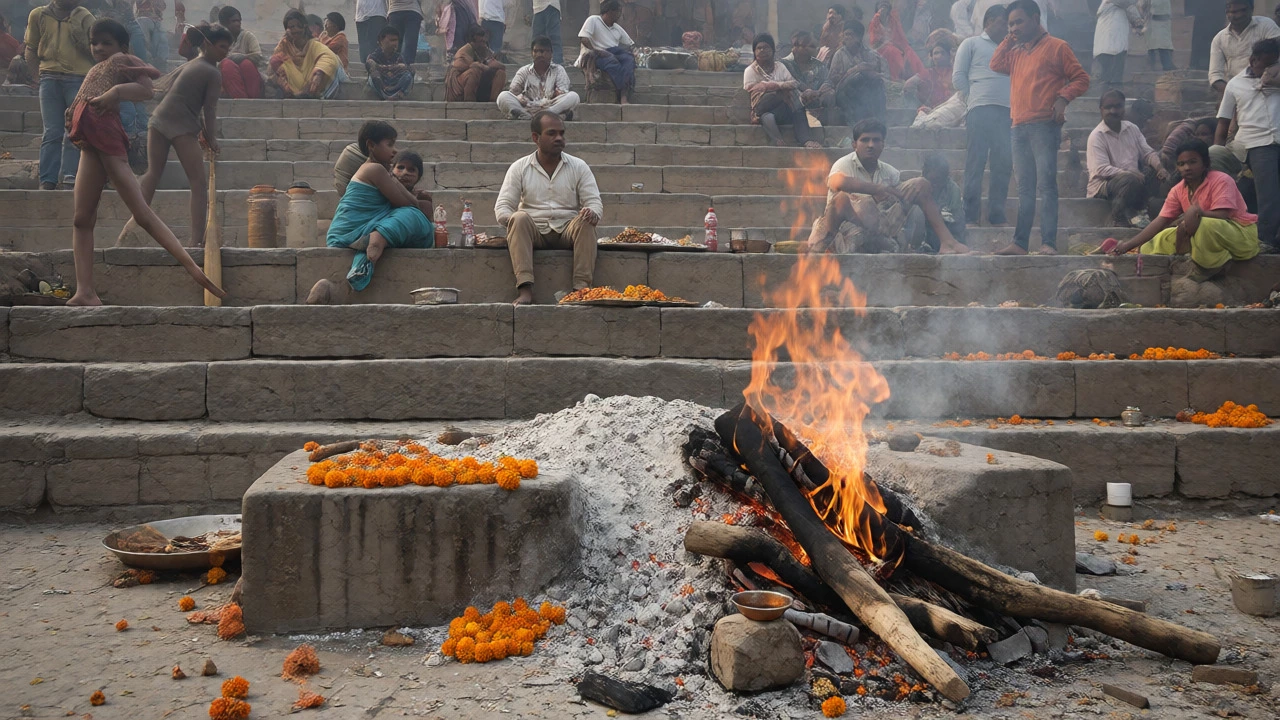
This is usually the part that shocks first-time visitors. In most Western cultures, death is hidden away in hospitals or private facilities. In Varanasi, it happens in plain sight. At Manikarnika Ghat, fires burn day and night. Families gather to say goodbye to loved ones. The smoke rises into the sky, mixing with the scent of sandalwood and marigolds.
It sounds morbid, but travelers rarely describe it as depressing. Instead, they call it profound. Watching a body being carried on a stretcher through narrow lanes reminds you of mortality. But there is also celebration. Music plays. Children play cricket nearby. Life continues uninterrupted next to death. This juxtaposition is powerful. It challenges the fear many people have of dying. For many foreigners, witnessing this transforms their own relationship with life’s end.
Spiritual Awakening Beyond Religion
You don’t need to be Hindu to feel the energy here. Varanasi is considered the spiritual capital of India. According to Hindu mythology, Lord Shiva founded the city. But the appeal extends beyond religious boundaries. Yoga practitioners flock here because it is believed to be the birthplace of Hatha Yoga. Meditation centers offer courses ranging from weekend retreats to month-long immersions.
Many visitors report a sense of clarity after spending time here. The constant sound of temple bells, the smell of incense, and the flow of the river create a meditative atmosphere. Even if you’re just sitting on a rooftop café drinking chai, you feel connected to something larger than yourself. It’s not magic; it’s immersion. When you remove digital noise and replace it with sensory richness, your mind settles.
The Sensory Overload: Chaos as Charm
Let’s be honest: Varanasi is chaotic. Rickshaws honk. Cows wander freely. Vendors shout offers for silk saris. Streets are narrow and often crowded. For some, this stress is too much. But for those who love Varanasi, this chaos is the point. It forces you to stay present. You can’t scroll through your phone while dodging a bicycle loaded with bananas.
The food scene adds another layer of intensity. Try the local specialty: Banarasi Paan. It’s a betel leaf wrap filled with areca nut, spices, and sweeteners. It stains your mouth red and gives you a mild buzz. Pair it with hot jalebis (sweet fried dough) and you understand why locals never seem to worry about diet culture. Eating street food here is an adventure. Hygiene standards vary, so stick to busy stalls where turnover is high. Your immune system will thank you later-or fight back fiercely.
Art and Craftsmanship: The Silk City
Varanasi isn’t just about spirituality; it’s also a hub for craftsmanship. The city is world-famous for its Banarasi silk saris. These aren’t your average souvenirs. Weaving a single sari can take months. Intricate gold and silver threads form complex patterns. Shopping for them requires patience. Sellers expect bargaining. Start low, smile often, and walk away if needed. Often, they’ll call you back with a better price.
Beyond textiles, look for wooden handicrafts and brass idols. Small workshops line the lanes near the ghats. Watching artisans work is fascinating. They use traditional tools passed down through generations. Buying directly supports these families. Plus, you get a story behind every purchase. “I bought this statue from a man whose grandfather made statues for kings.” That kind of connection matters more than a receipt.
Practical Tips for First-Time Visitors
If you’re planning a trip, here’s how to handle Varanasi without losing your mind:
- Stay Near the Ghats: Choose accommodation within walking distance of Assi or Dashashwamedh. Avoid areas far inland unless you enjoy long walks in heat.
- Hire a Local Guide: Not for everything, but for navigating the maze-like lanes. They help avoid scams and explain cultural nuances.
- Respect Dress Codes: Cover shoulders and knees when entering temples. It shows respect and helps you blend in.
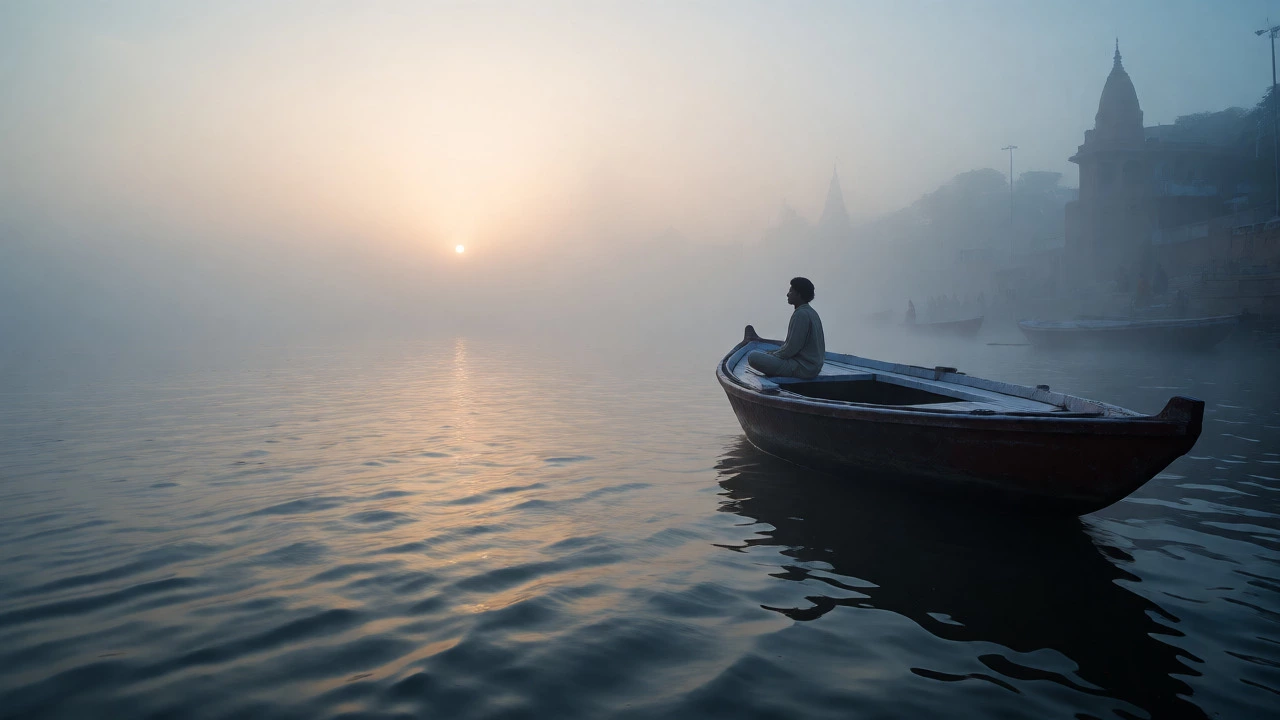
- Boat Ride at Sunrise: Essential. Rent a small boat for early morning views. The light is soft, and the crowds are minimal.
- Carry Cash: Many small vendors don’t accept cards. Keep small notes handy for tips and purchases.
Weather matters too. October to March offers pleasant temperatures. Summer months bring extreme heat, making midday exploration difficult. Monsoon season raises the river level, sometimes submerging lower ghats. Plan accordingly based on your tolerance for humidity.
Why It Stays With You
People return to Varanasi again and again. Once isn’t enough. The first visit is overwhelming. The second allows you to notice details-the way sunlight hits the water, the specific chants used in prayers, the taste of fresh lassi. It becomes personal. You develop favorite spots, regular tea sellers, and routines.
Foreigners love Varanasi because it doesn’t try to impress them. It doesn’t hide its flaws. It presents reality unfiltered. In a world obsessed with perfection, Varanasi celebrates imperfection. It reminds us that life is messy, beautiful, transient, and precious. That lesson sticks longer than any Instagram photo ever could.
Is Varanasi safe for solo female travelers?
Generally, yes, but caution is advised. Stick to well-lit areas at night, dress modestly, and avoid isolated ghats after dark. Most interactions are respectful, though persistent vendors can be annoying. Using reputable transport services reduces risk significantly.
How many days should I spend in Varanasi?
Two to three nights is ideal. This allows time for a sunrise boat ride, attending the Ganga Aarti, exploring the ghats, visiting Sarnath (where Buddha gave his first sermon), and shopping for silks without feeling rushed.
Can I watch the cremation ceremonies?
Yes, visitors can observe from designated areas at Manikarnika Ghat. Maintain a respectful distance and do not touch the bodies or interfere with rituals. Photography is allowed but ask permission before taking close-ups of grieving families.
What is the best time to visit Varanasi?
October to March provides the most comfortable weather. Temperatures range from 10°C to 25°C. Avoid April to June due to extreme heat exceeding 40°C. July to September brings monsoon rains, which can disrupt plans but offer lush greenery and fewer tourists.
Is the water in the Ganges clean?
No, it is heavily polluted despite religious significance. Locals bathe and drink it for spiritual reasons, but tourists should avoid ingesting it. Use bottled water for drinking and brushing teeth. The spiritual value outweighs physical cleanliness concerns for believers.