Which Indian State Has the Best Culture? A Traveler’s Guide to India’s Cultural Heartlands
 May, 5 2026
Indian Cultural Destination Finder
Your Travel Profile
Select your top priority for this trip:
Walking through the narrow, spice-scented streets of Old Delhi or standing before the intricate stone carvings of a temple in Tamil Nadu can feel like stepping into a different world. But here is the thing about asking which Indian state has the best culture: there is no single answer. India isn’t just one country; it’s a continent disguised as a nation. Every state carries its own rhythm, language, food, and spiritual heartbeat.
If you are planning a trip and want to experience the depth of heritage sites in India, you need to look beyond the postcards. You need to understand what “culture” means to you. Are you chasing ancient architecture? Vibrant street festivals? Classical music that dates back centuries? Or perhaps the warmth of rural hospitality? Let’s break down the contenders, because each region offers a completely different flavor of life.
The Spiritual Powerhouse: West Bengal
When people talk about intellectual and artistic heritage, they often point to West Bengal, a state known for its literary giants, revolutionary history, and vibrant arts scene. Kolkata, the capital, is not just a city; it’s a mood. It’s where Rabindranath Tagore wrote his masterpieces and where Satyajit Ray revolutionized cinema. The culture here is deeply rooted in debate, poetry, and political awareness.
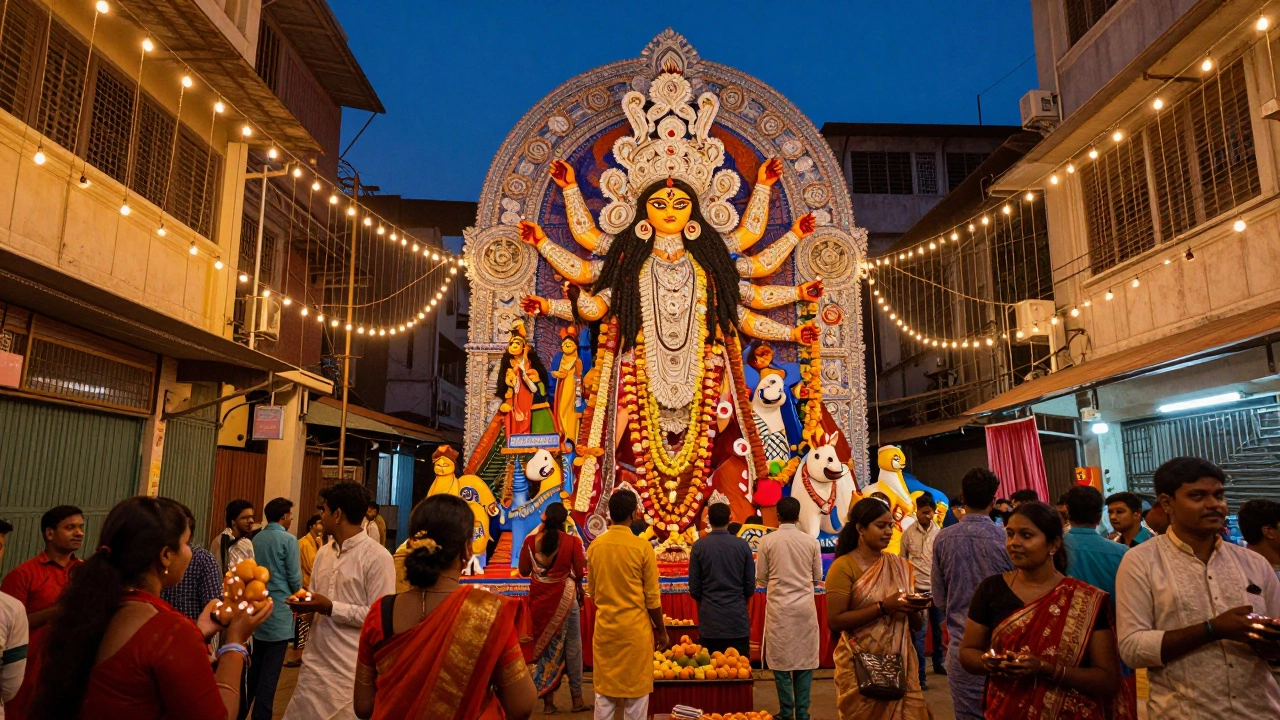
But it’s not all high-brow literature. The Durga Puja festival in West Bengal is arguably the most spectacular cultural event in the country. For days, the entire state transforms into an open-air art gallery with massive clay idols of Goddess Durga. The air fills with the smell of incense and sweets like Rosogolla. If your definition of culture involves community celebration, artistic expression, and a love for good conversation over tea, West Bengal is hard to beat.
- Key Heritage Sites: Victoria Memorial, Dakshineswar Kali Temple, Sundarbans (UNESCO World Heritage Site).
- Cultural Highlight: Durga Puja and the International Film Festival of India.
- Best For: Literature lovers, artists, and those who enjoy urban cultural hubs.
The Land of Temples and Traditions: Uttar Pradesh
You cannot talk about Indian history without mentioning Uttar Pradesh, the northern state that serves as the historical heartland of India. This is where the Mughal Empire left its mark and where the ancient cities of Ayodhya and Varanasi sit on the banks of the Ganges. The culture here is intense, spiritual, and steeped in mythology.
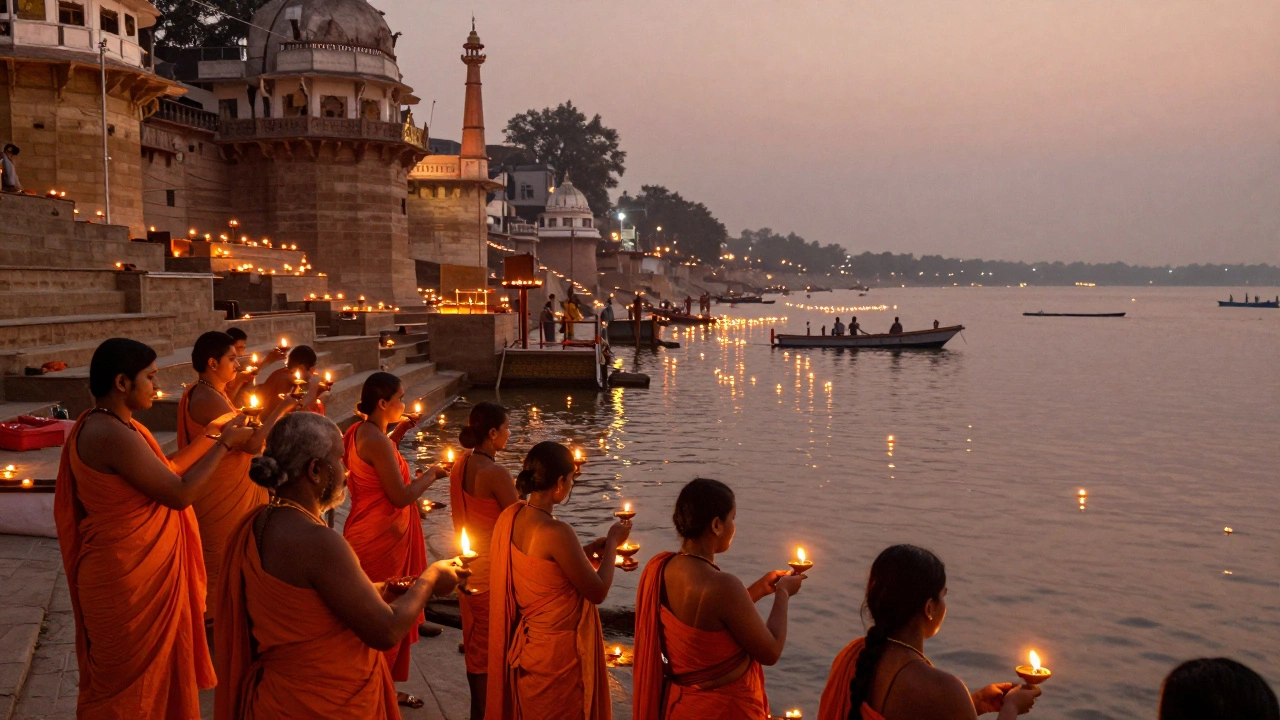
Varanasi, one of the oldest continuously inhabited cities in the world, offers a raw look at Hindu rituals. Watching the Ganga Aarti at dusk, with thousands of oil lamps floating on the river, is a moment that stays with you forever. Then there is Lucknow, known for its refined Urdu culture, delicate kebabs, and the art of Nawabi living. The Taj Mahal in Agra stands as the ultimate symbol of love and architectural brilliance. If you want to see the roots of classical Indian civilization, Uttar Pradesh is the place to be.
- Key Heritage Sites: Taj Mahal, Varanasi Ghats, Sarnath, Fatehpur Sikri.
- Cultural Highlight: Kumbh Mela (held every 12 years) and Chaitra Parva.
- Best For: History buffs, spiritual seekers, and photography enthusiasts.
The Rhythmic Soul: Rajasthan
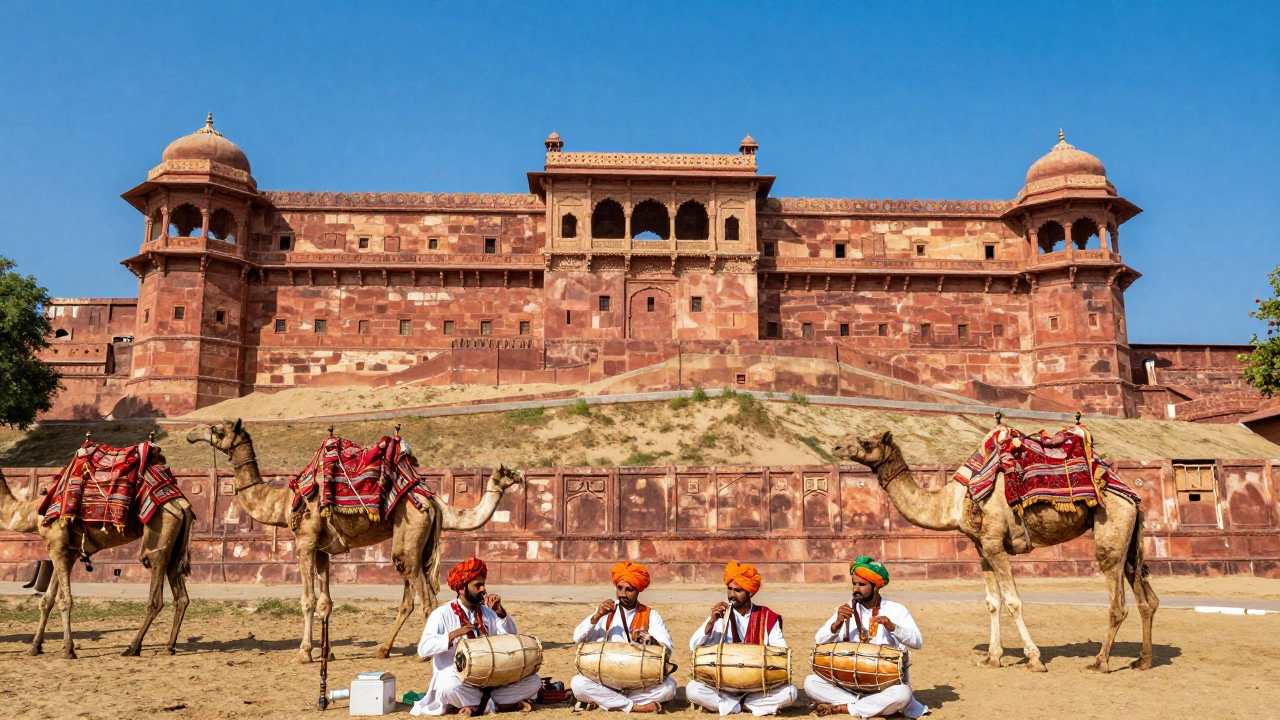
If you picture India with bright colors, camel safaris, and royal palaces, you are thinking of Rajasthan, the desert state famous for its forts, palaces, and vibrant folk culture. The culture here is loud, proud, and visually stunning. From the blue-washed walls of Jodhpur to the pink city of Jaipur, every corner tells a story of kings and warriors.
Rajasthani culture is defined by its hospitality. Locals will go out of their way to make you feel welcome, often inviting you into their homes for meals. The folk music, with its drums and wind instruments, accompanies almost every celebration. The Desert Festival in Jaisalmer showcases this perfectly, with camel races, turban-tying competitions, and traditional dances. It’s a culture that embraces the harshness of the desert with grace and color.
- Key Heritage Sites: Amber Fort, City Palace Udaipur, Jaisalmer Fort, Mount Abu.
- Cultural Highlight: Pushkar Camel Fair and Rajasthani folk dance performances.
- Best For: Luxury travelers, photographers, and those interested in royal history.
The Classical Heartbeat: Kerala
In the south, Kerala, a coastal state known for its backwaters, Ayurveda, and classical arts offers a slower, more serene cultural experience. Known as “God’s Own Country,” Kerala’s culture is deeply connected to nature and tradition. The Kathakali dance, with its elaborate costumes and facial expressions, is a form of storytelling that requires years of training.
Kerala also boasts a unique blend of Hindu, Muslim, and Christian influences, visible in its architecture and festivals. The Onam festival, celebrated with flower carpets and boat races, brings the entire state together regardless of religion. The food here is distinct-coconut-based curries, appam, and fresh seafood. If you want a culture that feels peaceful, health-conscious, and artistically rich, Kerala is the top choice.
- Key Heritage Sites: Theyyam performances, Kerala Backwaters, Mattancherry Palace.
- Cultural Highlight: Onam Festival and Thrissur Pooram.
- Best For: Wellness travelers, foodies, and fans of classical performing arts.
The Dravidian Marvels: Tamil Nadu
Southern India’s cultural heavyweight, Tamil Nadu, a state renowned for its ancient temples, classical music, and cinema industry, preserves some of the oldest traditions in India. The state is dotted with UNESCO-listed temple complexes, such as the Brihadeeswarar Temple in Thanjavur, which features a towering vimana (tower) built in the 11th century. These aren’t just buildings; they are living places of worship where rituals continue daily.
Tamil culture is also home to Bharatanatyam, one of the oldest classical dance forms in India. The precision and devotion in these performances reflect the deep spiritual connection of the people. Additionally, Chennai is the hub of South Indian cinema and music, hosting the Margazhi Tyagaraja Aradhana concerts every December. If you appreciate architectural grandeur and disciplined artistic traditions, Tamil Nadu delivers.
- Key Heritage Sites: Great Living Chola Temples, Madurai Meenakshi Temple, Mahabalipuram.
- Cultural Highlight: Karagattam festival and Carnatic music concerts.
- Best For: Architecture lovers, classical music fans, and spiritual pilgrims.
Comparing the Cultural Giants
| State | Cultural Vibe | Top Heritage Attraction | Best Time to Visit | Ideal For |
|---|---|---|---|---|
| West Bengal | Intellectual & Artistic | Durga Puja Pandals | Sept - Oct | Art & Literature Lovers |
| Uttar Pradesh | Spiritual & Historical | Taj Mahal / Varanasi | Oct - Mar | History & Spirituality |
| Rajasthan | Royal & Festive | Amber Fort / Palaces | Nov - Feb | Luxury & Photography |
| Kerala | Serene & Traditional | Backwaters / Temples | Aug - Sep (Onam) | Wellness & Relaxation |
| Tamil Nadu | Classical & Ancient | Chola Temples | Oct - Jan | Architecture & Music |
How to Choose Your Cultural Destination
So, which state truly has the “best” culture? It depends on what you are looking for. If you want energy, intellect, and modern art mixed with tradition, head to West Bengal. If you seek the profound silence of ancient rituals and the weight of history, Uttar Pradesh is unmatched. For visual splendor and royal hospitality, Rajasthan is your destination. For peace, wellness, and classical grace, choose Kerala. And for architectural marvels and disciplined arts, Tamil Nadu leads the way.
India’s beauty lies in its diversity. No single state can claim the title alone because each contributes a vital piece to the national mosaic. The best approach is to pick one region based on your interests and dive deep. Talk to locals, eat the regional food, and attend a local festival. That is where you will find the real culture-not in guidebooks, but in everyday life.
Practical Tips for Cultural Immersion
- Respect Local Customs: Always ask permission before taking photos of people or religious ceremonies. Dress modestly when visiting temples.
- Learn Basic Phrases: Even a simple “Namaste” or “Dhanyavad” (thank you) goes a long way in building connections.
- Stay Local: Consider staying in homestays or heritage hotels rather than international chains to get a more authentic experience.
- Time Your Visit: Plan your trip around major festivals. Attending Diwali in UP or Onam in Kerala changes the entire experience.
- Be Patient: Indian time can be flexible. Embrace the slow pace and allow for spontaneous interactions.
Which Indian state is richest in culture?
There is no single richest state, as culture varies by interest. Uttar Pradesh holds the deepest historical and spiritual roots, while West Bengal leads in arts and literature. Rajasthan excels in folk traditions and royal heritage, and Tamil Nadu preserves ancient classical arts.
What is the most culturally diverse state in India?
Maharashtra is often cited as one of the most diverse states due to its mix of Marathi, Gujarati, and other linguistic groups, along with significant populations from across India. However, states like Karnataka and Andhra Pradesh also show immense internal diversity in dialects and traditions.
Is Kerala safe for solo female travelers interested in culture?
Yes, Kerala is generally considered very safe for solo female travelers. The state has high literacy rates and a strong respect for women. Many solo travelers report feeling comfortable exploring temples, backwaters, and cultural events independently.
Which state has the best food culture in India?
Food preferences are subjective, but Punjab is famous for rich North Indian cuisine, Kerala for coconut-based Southern dishes, and West Bengal for fish and sweets. Goan cuisine offers a unique Portuguese-Indian fusion. Each state has a distinct culinary identity worth exploring.
Can I visit multiple cultural states in one trip?
Absolutely. Many travelers combine Rajasthan and Uttar Pradesh for a Northern circuit, or Kerala and Tamil Nadu for a Southern tour. Internal flights and trains connect major cultural hubs efficiently, allowing you to experience diverse traditions within a single journey.
What is the best time to experience Indian cultural festivals?
The best time depends on the festival. Diwali occurs in October or November, Holi in March, and Durga Puja in September or October. Onam in Kerala happens in August or September. Planning around these dates ensures you witness the peak of cultural celebrations.
Are English-speaking guides available for cultural tours?
Yes, English-speaking guides are widely available in major tourist destinations like Delhi, Agra, Jaipur, Mumbai, and Kochi. For deeper cultural insights, hiring a local historian or specialist guide can provide context that standard tour groups might miss.
Which state is best for learning classical Indian dance?
Tamil Nadu is the heartland of Bharatanatyam, while Odisha is known for Odissi. Manipuri dance originates in Manipur, and Kathak is prominent in Uttar Pradesh and Rajasthan. Many schools in these states offer short-term workshops for beginners.
How do I respect religious customs when visiting temples?
Remove your shoes before entering temple premises, dress conservatively (covering shoulders and knees), and avoid touching sacred objects unless invited. Always follow the instructions of priests or local devotees, as customs can vary between regions and specific shrines.
Is it easy to travel between cultural states in India?
Yes, India has an extensive rail network and domestic flight options connecting major cities. High-speed trains like the Shatabdi and Gatimaan Express make travel between cultural hubs comfortable and efficient. Booking tickets in advance via IRCTC is recommended.