Which City of India is Known as the City of Dreams? Mumbai Travel Guide
 Aug, 11 2026
Mumbai Dream Itinerary Planner
Total Estimated Cost
You might have heard the phrase City of Dreams thrown around in movies or song lyrics, but do you know which Indian city actually holds this title? The answer is Mumbai. Formerly known as Bombay, Mumbai isn't just a place on a map; it's a state of mind for millions of people who flock there every year seeking opportunities, fame, and fortune. But beyond the glitz of Hollywood-style celebrity culture, what makes this coastal metropolis so special? And more importantly, how do you navigate its chaotic energy to find the real magic?
If you are planning a trip to India, understanding Mumbai is crucial. It is the financial capital, the entertainment hub, and one of the most densely populated cities on Earth. This guide will help you cut through the noise and experience the city that never sleeps.
Why Is Mumbai Called the City of Dreams?
The nickname "City of Dreams" (or Mumbai Nagar in local parlance) stems from the city's unique ability to offer upward mobility to anyone, regardless of their background. Unlike many other places where social hierarchy is rigid, Mumbai has always been a melting pot. People from Kashmir to Kerala come here with nothing but hope, believing they can make it big.
This dream is fueled largely by Bollywood, the Hindi-language film industry based in Mumbai. As the largest film industry in the world by output, Bollywood turns actors, singers, and technicians into global stars. Every day, thousands of aspiring artists arrive at Film City hoping to be cast in the next blockbuster. Whether they succeed or fail, the city absorbs them, creating a narrative of relentless ambition.
But it’s not just about movies. Mumbai is also the headquarters of the Reserve Bank of India and the Bombay Stock Exchange. For entrepreneurs and traders, the dream is financial freedom. This dual identity-artistic and commercial-creates a vibrant, competitive atmosphere that defines the city's spirit.
Top Places to Visit in Mumbai
Mumbai is divided into three main areas: South Mumbai (Old Mumbai), Central Mumbai, and Western Mumbai. Each has a distinct vibe. Here are the must-see spots that define the city's character.
Gateway of India
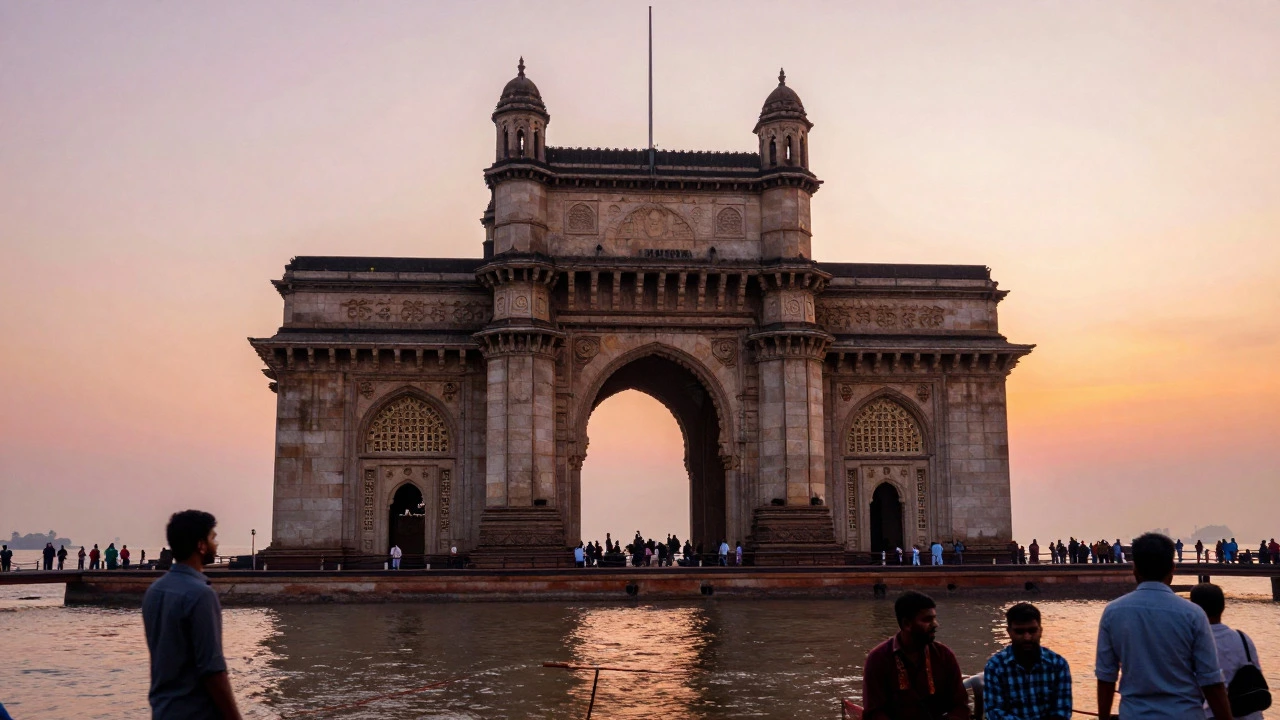
No trip to Mumbai is complete without visiting the Gateway of India, a historic arch-monument built during the British Raj. Constructed between 1911 and 1924, this basalt stone structure stands on Apollo Bunder overlooking the Arabian Sea. It was originally built to commemorate the visit of King George V and Queen Mary to India in 1911.
Today, it serves as the starting point for ferry rides to Elephanta Caves. If you go early in the morning, you can avoid the massive crowds and get some incredible photos of the monument against the sunrise. The surrounding area is bustling with street vendors selling snacks and souvenirs, adding to the lively atmosphere.
Chhatrapati Shivaji Maharaj Terminus (CSMT)
Located right next to the Gateway of India, CSMT is not just a railway station; it’s an architectural masterpiece. Originally named Victoria Terminus, this building is a UNESCO World Heritage Site. Its Victorian Gothic Revival style blends European design with Indian motifs, featuring intricate carvings and stained glass windows.
Inside, the station is a whirlwind of activity. Millions of passengers pass through daily, making it one of the busiest train stations in the country. Walking through the main hall gives you a raw glimpse into the pulse of Mumbai. Don’t miss the clock tower, which chimes every hour and serves as a landmark for locals.
Marine Drive
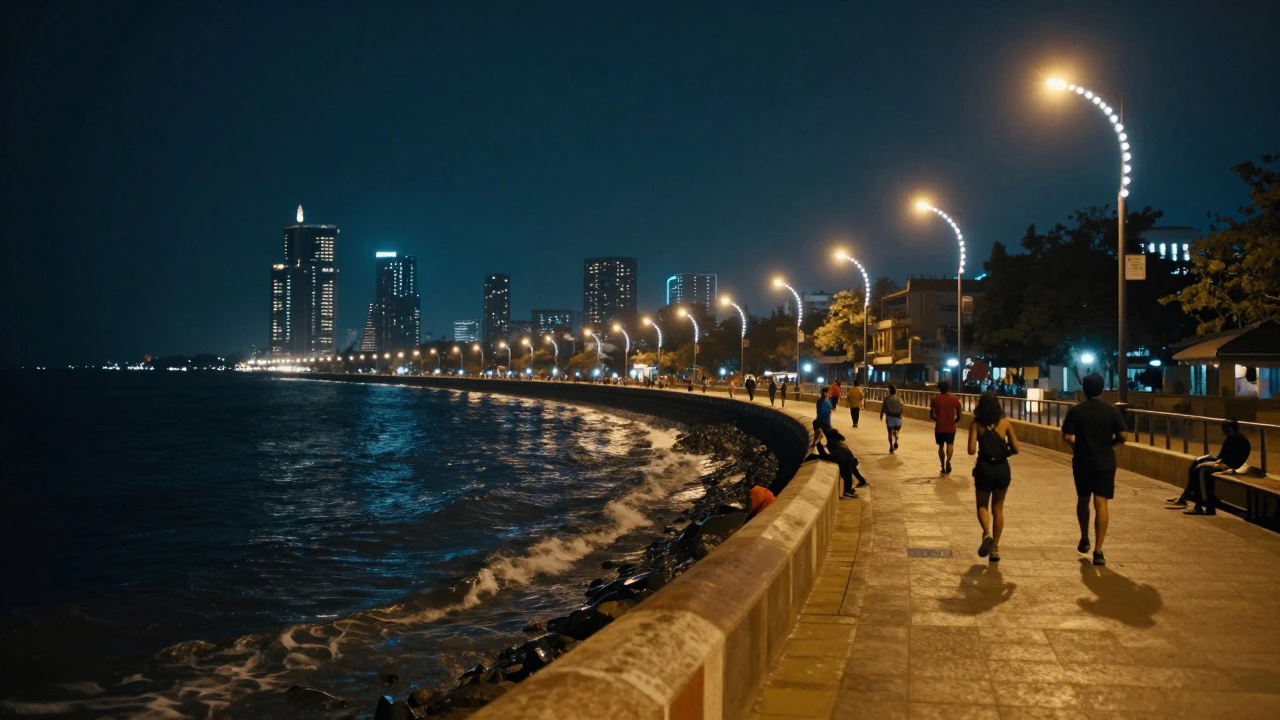
Known locally as the "Queen’s Necklace," Marine Drive is a 3.6-kilometer long curved road along the waterfront. When the streetlights turn on at night, the curve resembles a string of pearls, hence the nickname. It’s the perfect spot for an evening stroll, especially if you want to see the city lights reflect off the sea.
The promenade is lined with banyan trees and offers views of the Nariman Point skyline. You’ll see joggers, couples, and families enjoying the cool breeze. It’s a great place to unwind after a busy day of sightseeing. Many street food stalls nearby sell vada pav and cutting chai, which are essential Mumbai experiences.
Elephanta Caves
A short ferry ride from the Gateway of India takes you to Elephanta Island, home to the Elephanta Caves, ancient rock-cut cave temples dedicated to Hindu deities. These caves date back to the 5th to 8th centuries and feature stunning sculptures of Lord Shiva. The most famous sculpture is the Trimurti, depicting Shiva in his three aspects: creator, preserver, and destroyer.
The caves are a UNESCO World Heritage Site and offer a quiet contrast to the chaos of mainland Mumbai. The walk up to the main cave involves climbing steps carved into the rock, which can be tiring but rewarding. The intricate carvings and historical significance make it a highlight for history buffs and art lovers.
Experiencing Bollywood Culture
If you came to Mumbai for the dreams, you can’t ignore Bollywood. While you might not meet a superstar, you can immerse yourself in the industry’s ecosystem.
Film City Tour
Film City, located in Goregaon, is the heart of the Hindi film industry. Most major Bollywood movies are shot here. You can book a guided tour that takes you through various sets, including replicas of New York streets, royal palaces, and rural villages. Seeing the scale of production firsthand is eye-opening.
Tours usually include visits to active shooting locations, giving you a behind-the-scenes look at how movies are made. Keep your camera ready, but remember that photography rules vary depending on whether a shoot is ongoing. It’s a chance to witness the machinery of dreams in action.
Stardom Museum
For a deeper dive into Bollywood history, visit the Stardom Museum in Bandra. This museum houses artifacts from iconic films, including costumes, props, and posters. It covers the golden era of Indian cinema up to modern blockbusters. The exhibits provide context for why certain movies became cultural phenomena and how they shaped Indian society.
Street Food and Local Cuisine
Mumbai’s food scene is as diverse as its population. The city is famous for its street food, which is cheap, delicious, and available 24/7. Here are some must-try items:
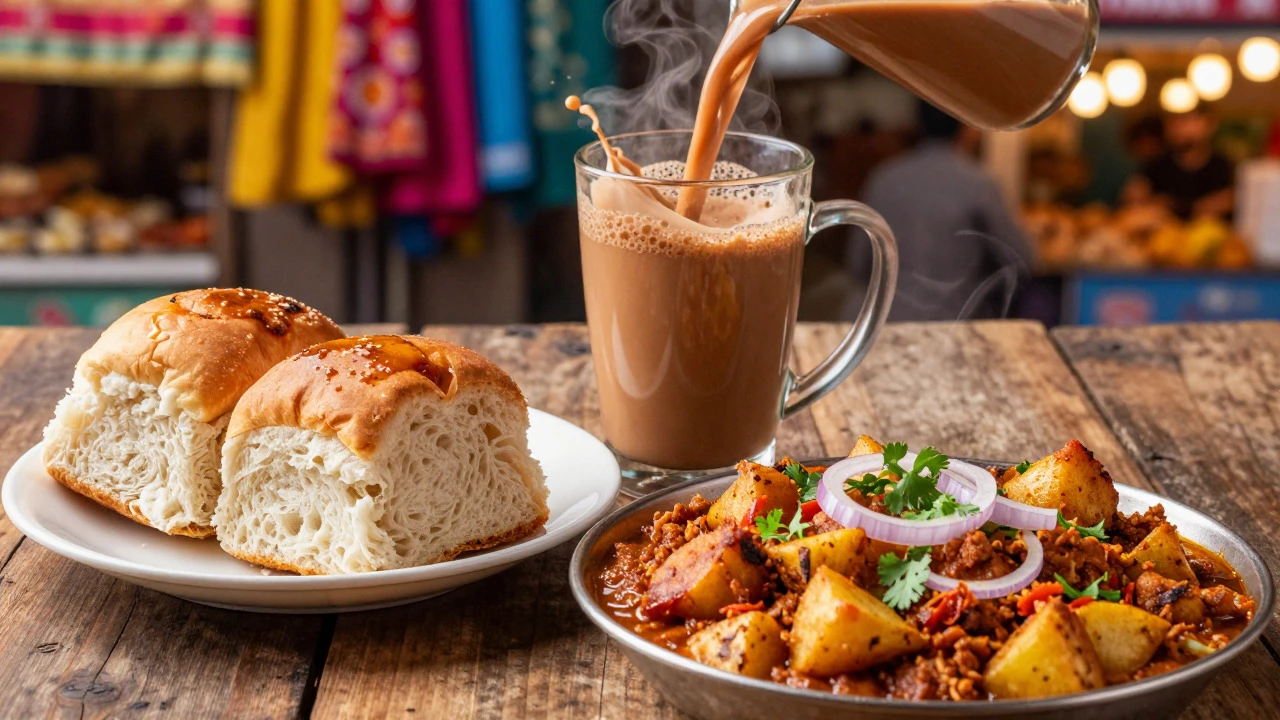
- Vada Pav: Often called the "Indian Burger," this spicy potato fritter served in a bread bun is Mumbai’s signature snack. It’s messy, flavorful, and addictive.
- Pav Bhaji: A thick vegetable curry served with soft bread rolls. The bhaji is cooked with butter and spices, making it rich and comforting.
- Cutting Chai: Mumbai’s version of tea is strong, sweet, and milky. It’s brewed in large batches and poured from height to create froth, hence the name "cutting."
- Bhel Puri: A savory snack made from puffed rice, vegetables, and tangy tamarind sauce. It’s crunchy, spicy, and refreshing.
Don’t forget to try seafood if you’re in South Mumbai. Areas like Fort and Colaba have old-world restaurants serving fresh prawns and fish curries. The fusion of Portuguese, British, and Indian influences creates a unique culinary landscape you won’t find elsewhere.
Getting Around Mumbai
Navigating Mumbai can be challenging due to traffic congestion. However, the city has an efficient public transport system that locals rely on.
Mumbai Suburban Railway
The lifeline of Mumbai is its suburban railway network, consisting of the Western Line and the Central Line. Trains run frequently from early morning until late night. They are incredibly crowded, especially during peak hours, but they are the fastest way to cross the city. Tickets are cheap, and the experience is part of the Mumbai adventure.
Mumbai Metro
The Mumbai Metro, a rapid transit system under expansion in Mumbai is a newer alternative to the suburban trains. It’s cleaner, air-conditioned, and less crowded. Currently, several lines are operational, connecting key areas like Versova, Andheri, and Dadar. More lines are being added, making it a convenient option for tourists.
Taxis and Ride-Sharing
For door-to-door convenience, use app-based ride-sharing services like Uber or Ola. Auto-rickshaws are also common, but negotiate fares beforehand as meters aren’t always used. Traffic can be heavy, so plan extra time for travel during rush hours (8-10 AM and 5-8 PM).
Best Time to Visit Mumbai
Mumbai has a tropical climate with three main seasons: winter, summer, and monsoon. The best time to visit is between November and February when the weather is cool and dry. Temperatures range from 20°C to 30°C, making it comfortable for outdoor activities.
Summer (March to May) is hot and humid, with temperatures often exceeding 35°C. Monsoon (June to September) brings heavy rainfall, which can cause flooding and disrupt travel plans. However, if you don’t mind rain, the monsoon transforms the city into a lush green paradise, and the prices for hotels drop significantly.
Is Mumbai safe for tourists?
Yes, Mumbai is generally safe for tourists. Like any major city, petty theft can occur in crowded areas, so keep an eye on your belongings. Violent crime against tourists is rare. Stick to well-lit areas at night and use reputable transport options.
How many days should I spend in Mumbai?
Three to four days is ideal to cover the major attractions like Gateway of India, Elephanta Caves, and Marine Drive. If you want to explore Bollywood studios and take day trips to nearby hill stations, consider staying five to six days.
What is the best way to see Bollywood?
Book a guided tour of Film City in Goregaon. This gives you access to sets and behind-the-scenes insights. Additionally, visiting the Stardom Museum provides historical context about the industry’s evolution.
Can I visit Elephanta Caves on a rainy day?
Ferry services to Elephanta Caves may be suspended during heavy monsoon rains due to rough seas. Check the weather forecast and port announcements before planning your trip. Early morning ferries are less likely to be canceled.
Where can I find authentic Mumbai street food?
South Mumbai areas like Crawford Market and Churchgate have numerous street food stalls. Try vada pav from local shops like Kala Ghoda or pav bhaji from Britannia & Company. Always choose stalls with high customer turnover to ensure freshness.