Which City Is Safest in India? A Traveler's Guide to Secure Destinations
 Sep, 18 2026
India Travel Safety Matcher
Not sure which city is safest for you? Answer two quick questions to get a personalized recommendation based on physical security, infrastructure, and cultural comfort.
You’re planning a trip to India, a vast and diverse country known for its rich history, vibrant culture, and complex social dynamics. But before you pack your bags, one question nags at you: which city is actually safe? It’s not just about avoiding pickpockets. It’s about feeling secure enough to explore a bustling market in Delhi or walk along the ghats of Varanasi without constantly checking over your shoulder.
The truth is, there isn’t one single "safest" city that fits every traveler’s definition. Safety depends on who you are (solo female, family, backpacker), what time of day it is, and how much noise and chaos you can handle. However, certain cities consistently rank higher for security, cleanliness, and ease of navigation. Let’s break down which places offer peace of mind so you can focus on the experience, not the anxiety.
Defining Safety: More Than Just Crime Rates
When we talk about safety in India, we need to look beyond police statistics. While low crime rates matter, true safety for a tourist involves three layers:
- Physical Security: Low incidence of theft, assault, and harassment.
- Infrastructure Reliability: Well-lit streets, functioning emergency services, and reliable transport.
- Cultural Comfort: How welcoming locals are to outsiders, especially women and solo travelers.
A city might have low violent crime but high levels of street harassment or chaotic traffic that feels dangerous. Conversely, a place with minor scams might feel safer because the infrastructure supports quick resolution. For this guide, we prioritize destinations where all three layers align reasonably well.
Top Contenders for the Safest Cities
Based on recent traveler reports, government tourism initiatives, and local community feedback, these cities stand out as the most secure options for visitors.
| City | Primary Safety Strength | Best For | Potential Challenge |
|---|---|---|---|
| Chandigarh | Planned layout, high visibility, strict law enforcement | Families, first-time visitors | Can feel sterile; limited nightlife |
| Kochi | High literacy, strong community policing, coastal calmness | Solo female travelers, couples | Rainy season humidity affects mobility |
| Jaipur | Tourist-centric economy, heavy police presence in core areas | Culture enthusiasts, heritage tours | Traffic congestion; petty scams in bazaars |
| Mysuru | Cleanliness, orderly traffic, respectful local culture | Slow travelers, architecture lovers | Smaller scale; fewer international amenities |
Chandigarh: The Planned Paradise
If you hate chaos, Chandigarh is your sanctuary. Designed by Le Corbusier, this union territory features wide avenues, ample green spaces, and excellent lighting. Because it’s a planned city, there are no narrow, confusing alleys where thieves can hide. The police presence is visible but not oppressive. Locals here are generally educated and accustomed to dealing with government officials and tourists alike. For families traveling with children, the Rock Garden and Rose Garden offer enclosed, secure environments where kids can play freely.
Kochi: The Coastal Haven
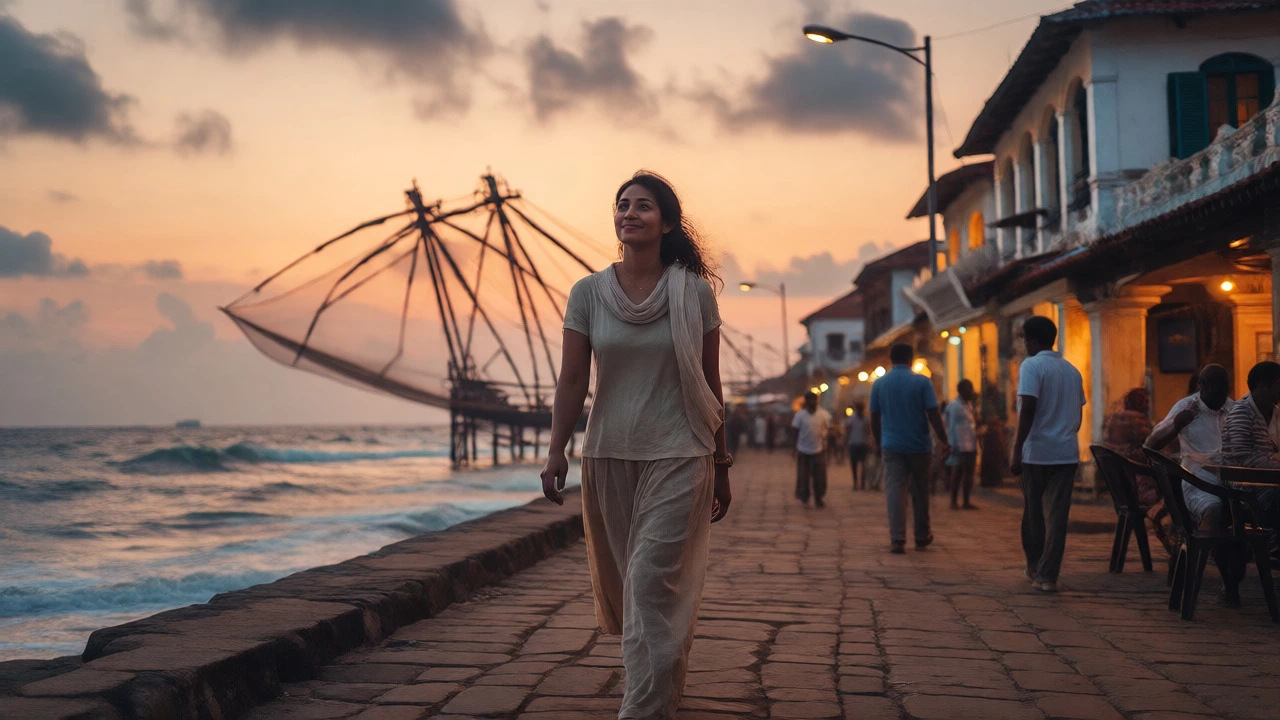
Kerala’s Kochi has earned a reputation as one of India’s safest hubs, particularly for women. Kerala boasts the highest literacy rate in India, which correlates strongly with civic awareness and respect for public space. The city’s layout is open, with easy access to the waterfront. Community policing initiatives mean that if you get lost or harassed, help is often nearby. Plus, the vibe is laid-back. You won’t find the aggressive haggling or pushy touts common in northern metros.
Jaipur: The Pink City’s Paradox
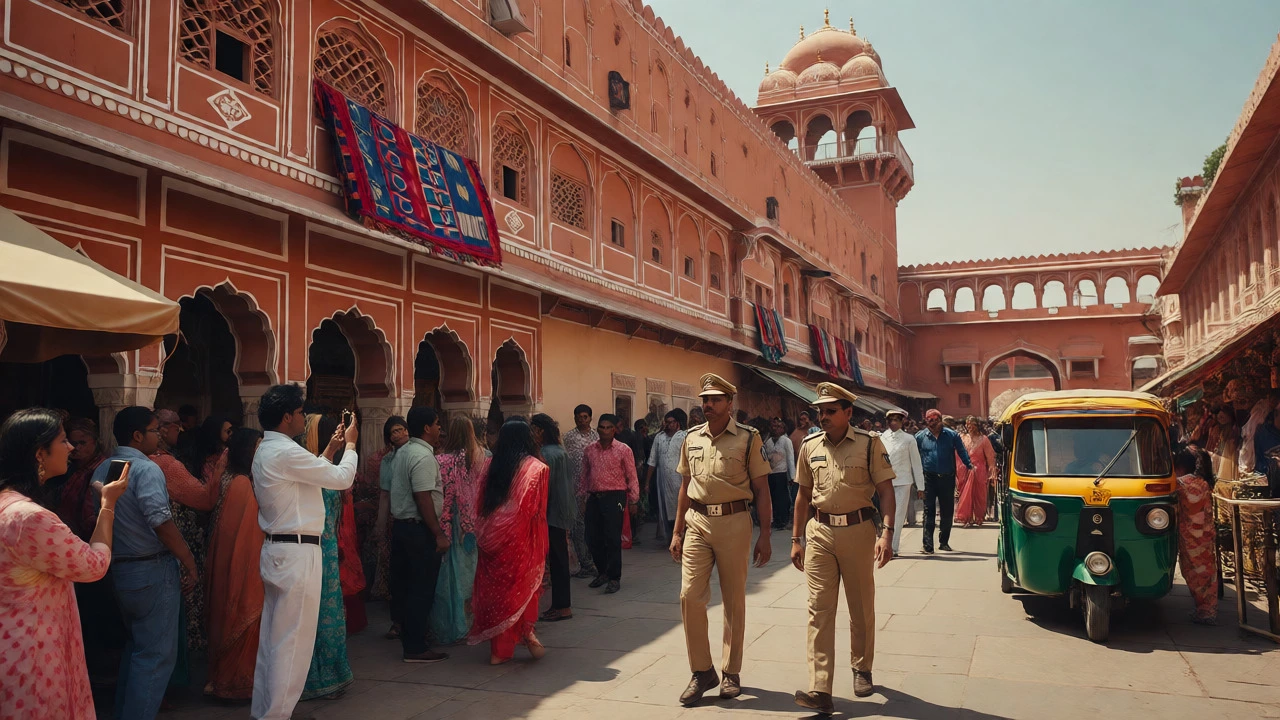
Is Jaipur safe? Yes, but with caveats. As part of the Golden Triangle circuit, Jaipur sees millions of tourists annually. This creates a self-policing effect-locals depend on tourism revenue, so they protect their guests. The walled old city is heavily patrolled during peak hours. However, don’t mistake "safe from violence" with "free from annoyance." You will be approached by shopkeepers and guides. The key is firm communication. Stick to reputable hotels and registered taxis, and you’ll navigate Jaipur without issue.
Regional Breakdown: North vs. South
Since you’re interested in North India tourism, let’s address the elephant in the room: Delhi. Many travelers fear Delhi due to media headlines. In reality, central tourist areas like Connaught Place and Hauz Khas are quite safe during the day, provided you stay alert. But if you want a stress-free start, consider starting in Chandigarh or Amritsar. Amritsar, home to the Golden Temple, operates under a unique system of seva (service) and discipline. The temple complex itself is a zone of absolute peace and security, monitored by thousands of volunteers and cameras.
In contrast, southern cities like Mysuru and Pondicherry offer a different kind of safety-one rooted in order and routine. Traffic rules are followed more strictly, and people tend to queue rather than shove. If your definition of safety includes mental sanity amidst crowds, the south wins hands down.
Practical Tips to Stay Safe Anywhere in India
No matter which city you choose, your behavior impacts your safety profile. Here’s how to minimize risks:
- Dress Contextually: Cover shoulders and knees in religious sites. In conservative areas, loose cotton clothes blend in better than tight western wear, reducing unwanted attention.
- Use App-Based Cabs: Uber and Ola provide GPS tracking and driver details. Avoid unmarked autos unless you negotiate the fare upfront and note the plate number.
- Keep Digital Copies: Store your passport and visa on your phone. Carry a photocopy instead of the original when exploring markets.
- Trust Your Gut: If a street feels empty or dark after sunset, turn back. Even in safe cities, isolation breeds opportunity for opportunists.
Common Myths About Indian Safety
Myth 1: All of India is dangerous. False. Millions of tourists visit yearly without incident. Danger is localized and situational.
Myth 2: Women cannot travel alone. Also false. Solo female travel is thriving, especially in states like Kerala, Goa, and parts of Rajasthan. Preparation matters more than gender.
Myth 3: You need a bodyguard. Overkill for most itineraries. Common sense and basic precautions suffice.
Final Thoughts: Choosing Your Base
If you’re new to India, start with Chandigarh or Kochi. They offer a gentle introduction to the country’s rhythm without overwhelming sensory overload. Once you build confidence, expand to Jaipur or Udaipur. Remember, safety isn’t static-it’s a partnership between you and your environment. Stay aware, respect local norms, and India will reward you with unforgettable memories.
Is Delhi safe for tourists?
Yes, Delhi is safe for tourists who exercise standard caution. Major tourist zones like India Gate, Qutub Minar, and Old Delhi are well-patrolled. Risks increase in isolated areas late at night. Using app-based cabs and staying in reputable neighborhoods significantly reduces risk.
Which Indian city is safest for solo female travelers?
Kochi and Chandigarh are frequently cited as the safest options. Kerala’s high literacy rates and progressive social attitudes contribute to a respectful environment. Chandigarh’s planned infrastructure ensures good visibility and easy navigation, reducing vulnerability.
Are taxi drivers in India likely to scam tourists?
Scams exist but are manageable. Pre-paid counters at airports and app-based rides eliminate negotiation disputes. If taking an auto-rickshaw, insist on using the meter or agree on a fixed price before starting the ride. Reputable hotels can also arrange trusted drivers.
What is the best time of year to visit for safety?
October to March is ideal across most of India. Temperatures are moderate, reducing heat-related health risks. Monsoon months (June-September) can cause flooding and slippery conditions, while summer (April-May) brings extreme heat that can lead to dehydration and fatigue, impacting judgment.
Do I need special insurance for travel in India?
Comprehensive travel insurance covering medical evacuation and hospitalization is highly recommended. Public hospitals may have long wait times, and private care is affordable but requires cash or card. Insurance protects against unexpected accidents or illnesses, ensuring you can access quality care quickly.