Which City Is Known as the Heritage City of India? A Complete Guide
 Aug, 14 2026
Heritage City Travel Matcher
What are you looking for?
Select your primary interest to find the perfect heritage destination.
Choose an option above
We will recommend the best heritage city match for your trip.
When you ask which city is known as the heritage city of India, the answer isn't a single name on a map. It’s a complex tapestry woven from ancient religions, royal dynasties, and colonial architecture. While many travelers might immediately think of Delhi or Mumbai for their size, the true title of "Heritage City" in India is often shared among three distinct contenders: Varanasi, the spiritual capital with over 3,000 years of continuous history, Jaipur, the planned Pink City showcasing Rajput-Mughal architecture, and Hampi, the archaeological landscape of the Vijayanagara Empire.
To understand why these cities hold such weight, we need to look beyond just old buildings. We are talking about places where time seems to have stopped, yet life continues at a frantic pace. This guide breaks down who holds the title, why they do, and how you can experience this deep history without getting lost in the crowds.
The Spiritual Anchor: Why Varanasi Claims the Title
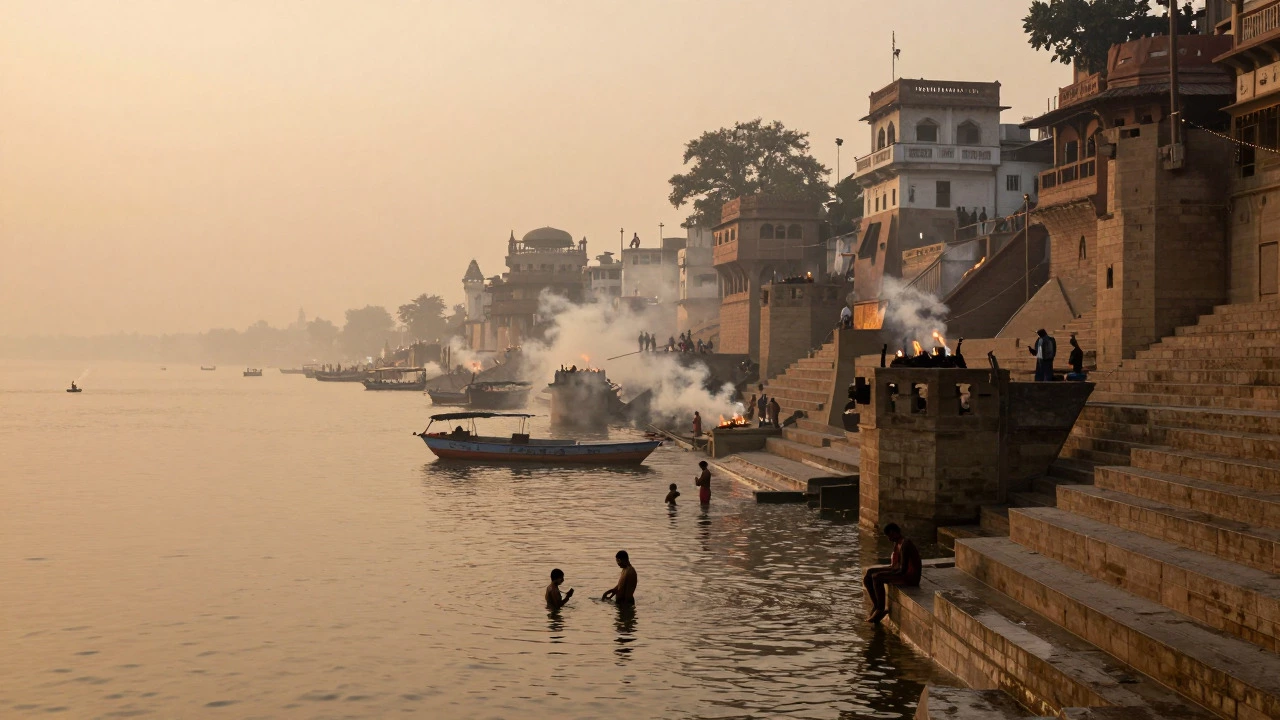
If you measure heritage by continuity, Varanasi (also known as Kashi) is the undisputed winner. It is considered one of the oldest continuously inhabited cities in the world. While other civilizations rose and fell, Varanasi has remained a center of Hinduism, Buddhism, and Jainism for millennia.
The city’s layout hasn’t changed much in centuries. The narrow lanes, or galis, lead directly to the Ghats-steps descending to the River Ganges. Here, the ritual of life and death plays out daily. You see pilgrims bathing at dawn to wash away sins, while further downstream, families perform last rites for their loved ones. This duality is what makes Varanasi’s heritage so visceral. It’s not behind glass; it’s happening right in front of you.
Key attributes that define Varanasi’s heritage status include:
- Age: Estimated to be over 3,000 years old.
- Religious Significance: Home to the Kashi Vishwanath Temple, one of the twelve Jyotirlingas dedicated to Lord Shiva.
- Cultural Output: A hub for classical music (Hindustani), silk weaving (Benarasi sarees), and Sanskrit scholarship.
For a traveler, visiting Varanasi means engaging with living history. You aren't just looking at ruins; you are participating in rituals that have been performed since the Vedic period. However, the intensity can be overwhelming. If you prefer structured architecture over spiritual immersion, Varanasi might not be your primary choice for the "heritage city" label.
The Architectural Marvel: Jaipur’s Planned Legacy
On the other end of the spectrum is Jaipur. Founded in 1727 by Maharaja Sawai Jai Singh II, Jaipur was the first planned city in India. Unlike the organic growth of Varanasi, Jaipur was designed using the principles of Vastu Shastra and Shilpa Shastra, ancient Indian architectural texts.
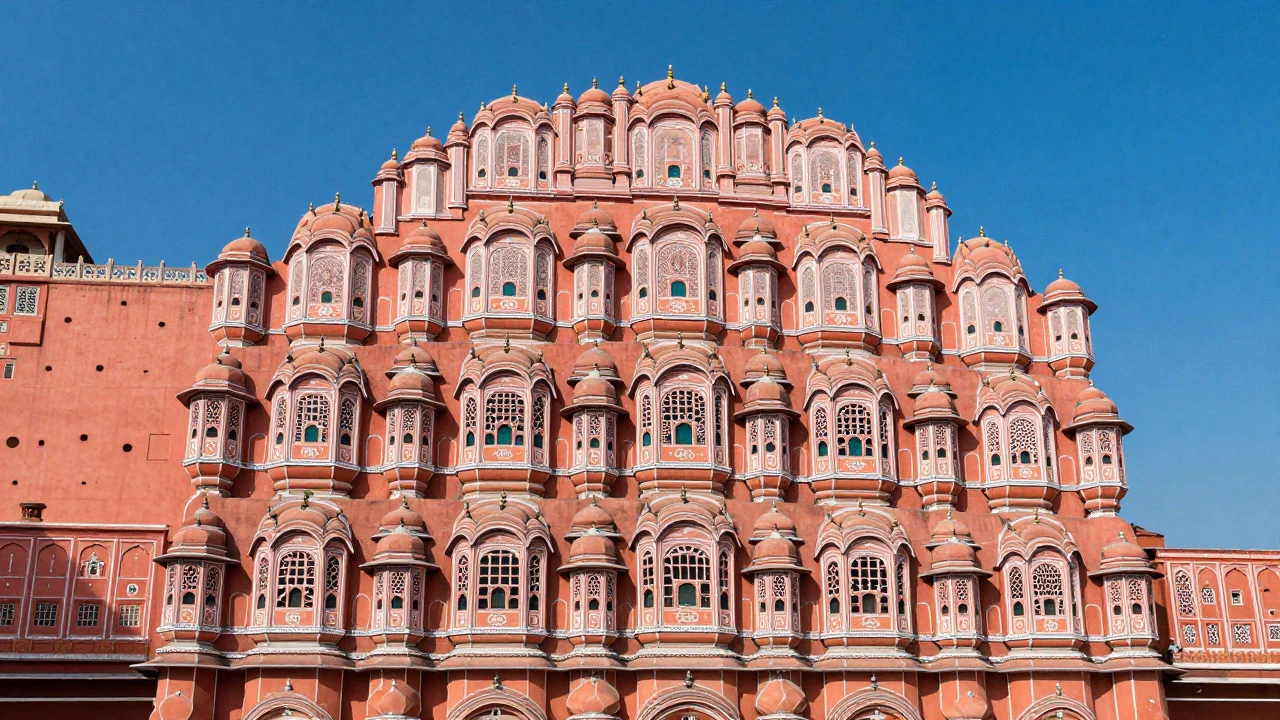
The city is divided into nine blocks, with a central area reserved for the royal palace. Its most famous feature is its color. To welcome Prince Albert in 1876, the entire city was painted pink, earning it the nickname "The Pink City." This wasn't just aesthetic; it was a diplomatic gesture that cemented its place in British colonial history.
Jaipur’s heritage is defined by grandeur and symmetry. Key sites include:
- Hawa Mahal: The "Palace of Winds," built in 1799, featuring 953 small windows (jharokhas) that allowed royal ladies to observe street festivals without being seen.
- City Palace: A complex that blends Rajput and Mughal styles, housing museums and private apartments.
- Jantar Mantar: An astronomical observatory built by Jai Singh II, recognized as a UNESCO World Heritage Site for its massive stone instruments.
Jaipur represents the heritage of power, science, and art. It’s cleaner, more organized, and easier to navigate than Varanasi. For many tourists, especially those interested in photography and architecture, Jaipur feels like the quintessential Indian heritage destination.
The Ruins of an Empire: Hampi’s Archaeological Grandeur
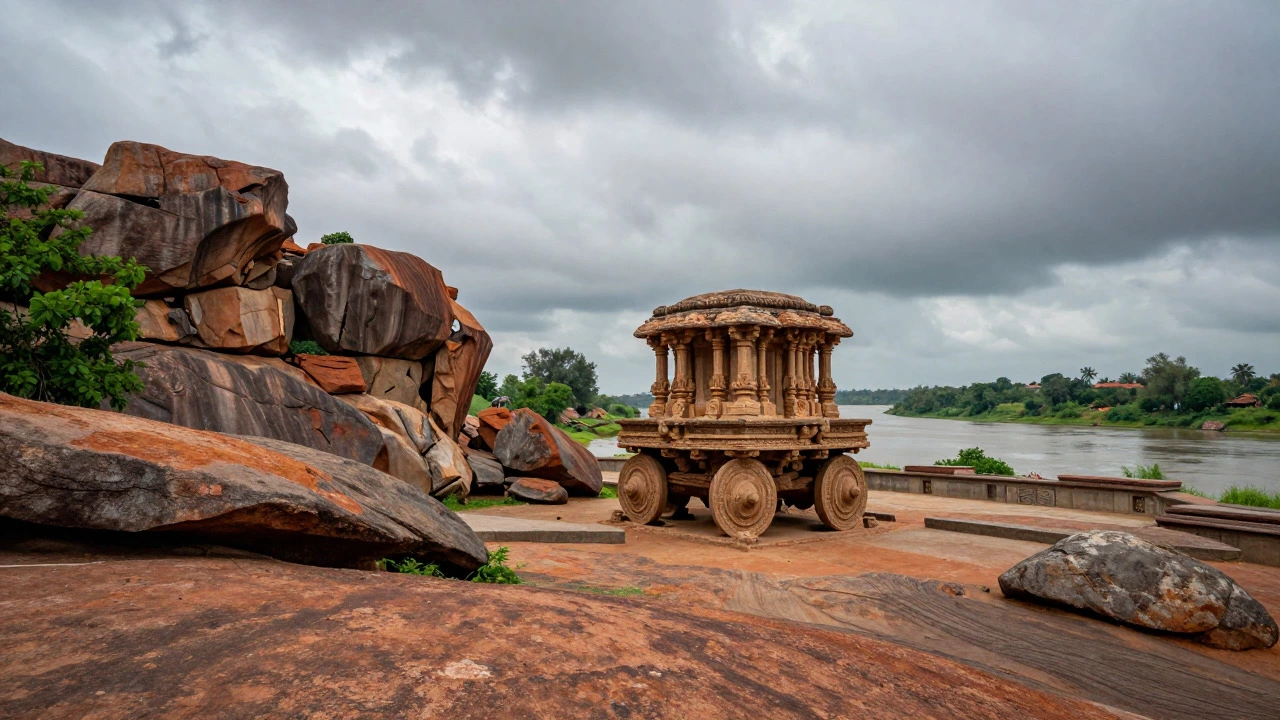
If you want to feel the scale of a fallen empire, head south to Hampi. Once the capital of the Vijayanagara Empire in the 14th century, Hampi was one of the wealthiest and largest cities in the pre-industrial world. Today, it is a landscape of boulders and ruins that stretches across the banks of the Tungabhadra River.
Hampi is unique because it is an open-air museum. There are no walls protecting the temples; they stand amidst giant granite rocks that look like they were placed there by giants. The Virupaksha Temple is still active, but around it lie the remains of a bustling market, royal stables, and the iconic Vittala Temple, famous for its stone chariot.
The heritage here is raw. The Portuguese invasion in 1565 destroyed much of the city, leaving behind a haunting beauty. Walking through Hampi requires physical effort-climbing rocks and navigating uneven terrain-but the reward is a sense of isolation and awe that few other places offer. It is a UNESCO World Heritage Site precisely because it preserves the urban planning and religious architecture of a major medieval civilization.
Comparing the Contenders: Which One Fits Your Trip?
Choosing the "right" heritage city depends on what kind of history resonates with you. Are you seeking spiritual depth, architectural precision, or archaeological mystery? Let’s break down the differences.
| Feature | Varanasi | Jaipur | Hampi |
|---|---|---|---|
| Primary Era | Ancient / Medieval | 18th Century / Colonial | Medieval (14th-16th C.) |
| Type of Heritage | Spiritual & Living Culture | Royal Architecture & Planning | Archaeological Ruins |
| Best For | Pilgrims, Photographers, Philosophers | Families, Architecture Lovers, First-timers | Trekkers, History Buffs, Backpackers |
| Accessibility | Moderate (Crowded, Narrow Streets) | High (Well-connected, Auto-rickshaws) | Low (Remote, Requires Cycling/Walking) |
| UNESCO Status | No (but part of tentative list) | Yes (Part of Great Himalayan National Park context? No, Jaipur is not UNESCO alone, but Jantar Mantar is) | Yes (Group of Monuments at Hampi) |
Note on the table: While Jaipur itself is not a standalone UNESCO site, its Jantar Mantar is part of the "Jantar Mantar" UNESCO World Heritage property which includes five observatories across India. Varanasi is on India's Tentative List for UNESCO recognition. Hampi is a full UNESCO World Heritage Site.
Beyond the Big Three: Other Notable Heritage Hubs
While Varanasi, Jaipur, and Hampi dominate the conversation, India’s heritage is vast. Depending on your region of interest, other cities deserve mention.
Mysore in Karnataka offers a different flavor. Known for the Mysore Palace, it showcases Indo-Saracenic architecture-a blend of Islamic, Hindu, Gothic, and Rajput styles. The city is also famous for its Dasara festival, a ten-day celebration that reenacts historical legends.
In the north, Agra is synonymous with the Taj Mahal. While often visited for just one monument, Agra Fort and Fatehpur Sikri nearby reveal the grandeur of the Mughal Empire. Agra’s heritage is centered on imperial power and romance, making it a stark contrast to the spiritual focus of Varanasi.
For colonial history, Chennai (formerly Madras) and Kolkata (formerly Calcutta) hold significant British-era architecture. Chennai’s Kapaleeshwarar Temple contrasts with the Government Museum, showing the layering of Dravidian and Victorian influences.
Practical Tips for Visiting Heritage Sites in India
Visiting these cities requires more than just buying a ticket. The heat, the crowds, and the cultural nuances can catch you off guard. Here is how to make the most of your trip.
- Timing is Everything: Avoid the peak summer months (April-June) if possible. In Varanasi, temperatures can exceed 40°C (104°F). The best time to visit is between October and March when the weather is cooler. Early mornings are crucial for both sightseeing and avoiding the midday heat.
- Dress Appropriately: Heritage sites are often religious spaces. In Varanasi and Hampi, shoulders and knees should be covered. Carry a scarf or shawl to enter temples easily. Modest dress also helps reduce unwanted attention in crowded areas.
- Hire Local Guides: The stories behind the stones are what make these places special. A local guide in Jaipur can explain the astronomical functions of Jantar Mantar better than any plaque. In Hampi, guides can point out hidden carvings and historical anecdotes that aren’t in the guidebooks.
- Navigate the Chaos: Varanasi’s ghats are chaotic. Keep your valuables secure and stay aware of your surroundings. Use registered boat services for river tours. In Jaipur, auto-rickshaws are convenient, but agree on the price before you get in or insist on the meter.
- Respect Local Customs: Photography rules vary. In Varanasi, you can photograph people, but always ask for permission. Some temples prohibit photography inside. In Hampi, drone usage is restricted in certain zones. Always check signage and ask locals.
Preserving the Past for the Future
India’s heritage faces challenges. Urbanization threatens the integrity of historic districts in Varanasi and Jaipur. Pollution affects the marble of the Taj Mahal and the stone carvings of Hampi. The government and NGOs are working on conservation projects, but tourism plays a role too.
As travelers, we can support sustainable tourism. Choose homestays in heritage homes rather than large hotels. Buy local handicrafts directly from artisans, ensuring money goes back into the community. Respect the fragile ecosystems of places like Hampi by sticking to marked trails.
The question "Which city is known as the heritage city of India?" doesn’t have a single answer because India’s heritage is plural. It is spiritual, architectural, and archaeological. By visiting these places with respect and curiosity, you help keep these stories alive for future generations.
Is Varanasi officially called the Heritage City of India?
Varanasi is not officially designated as "The Heritage City" by a single legal title, but it is widely regarded as the oldest living city in the world and a key heritage destination. It is on India's tentative list for UNESCO World Heritage status due to its continuous habitation and religious significance.
What is the difference between Jaipur and Hampi in terms of heritage?
Jaipur represents planned urban design and royal architecture from the 18th century, blending Rajput and Mughal styles. Hampi, on the other hand, is an archaeological site featuring the ruins of the 14th-century Vijayanagara Empire, offering a glimpse into medieval temple architecture and urban planning amidst natural rock formations.
Which heritage city is best for first-time visitors to India?
Jaipur is generally recommended for first-time visitors. It is well-connected, has good infrastructure, and offers a manageable introduction to Indian history and culture through its palaces and forts. Varanasi can be intense due to its spiritual rituals, and Hampi requires more physical effort to explore.
Are there any other cities competing for the title of Heritage City?
Yes, cities like Mysore, Agra, and Kolkata also have strong heritage claims. Mysore is known for its palace and cultural festivals, Agra for the Taj Mahal and Mughal history, and Kolkata for its colonial architecture and literary history. Each offers a different perspective on India's past.
How can I travel sustainably in Indian heritage cities?
To travel sustainably, choose eco-friendly accommodations, hire local guides to support the economy, buy authentic handicrafts directly from artisans, and respect local customs and environmental guidelines. Avoid single-use plastics and stick to marked paths in sensitive archaeological sites like Hampi.