What to Eat in India Without Getting Sick: A Traveler's Food Safety Guide
 Sep, 8 2026
India Food Safety Checker
Select a food or drink below to see if it's generally safe for travelers. Remember the Golden Rule: Cooked, Hot, or Peeled.
Select an item above to check its safety status.
You land in Delhi or Mumbai, the air is thick with the scent of frying spices and roasting cumin, and your stomach starts rumbling. You want that crispy samosa or that steaming bowl of dal, but you also remember the horror stories. The "Delhi Belly" isn't just a myth; it's a real risk for visitors whose gut flora hasn't adapted to local bacteria levels yet. But here’s the good news: you don’t have to eat boiled chicken and plain rice for three weeks. You can enjoy the incredible diversity of Indian cuisine safely if you know what to look for.
The Golden Rule: Cooked, Hot, or Peeled
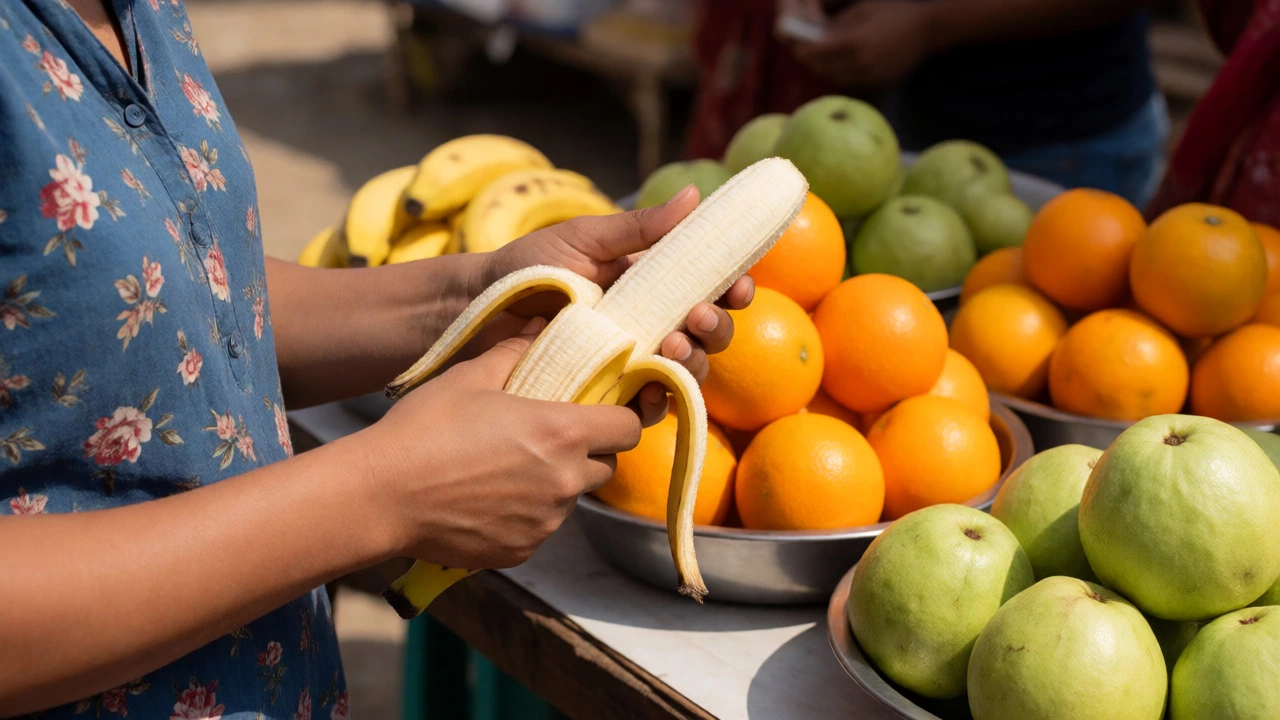
This is the single most important heuristic for staying healthy in South Asia. If the food has been cooked at high temperatures (above 70°C/158°F) and served immediately while piping hot, the heat kills most pathogens like E. coli and Salmonella. If it’s been sitting out in a glass case under warm lights for hours, think twice. Similarly, fruits are generally safe if you peel them yourself. Bananas, oranges, and guavas are excellent choices because their skins act as natural barriers against contaminated water or unwashed hands. Avoid cut fruit sold by vendors unless you’re certain they used bottled water to wash it, which is rare in busy markets.
| Category | Safe Choices | High-Risk Items |
|---|---|---|
| Street Food | Freshly fried pakoras, tandoori rotis, idli/sambar (steamed) | Cold chaat with chutneys left out, pre-cut salads |
| Beverages | Sealed bottled water, hot chai from reputable stalls, lassi from established shops | Tap water, ice cubes in unknown locations, loose tea cups washed in tap water |
| Main Meals | Dal tadka, biryani served hot, vegetable curries cooked fresh | Pickles from open jars, raw garnishes (onions/cilantro) added last minute |
Navigating Street Food Like a Local
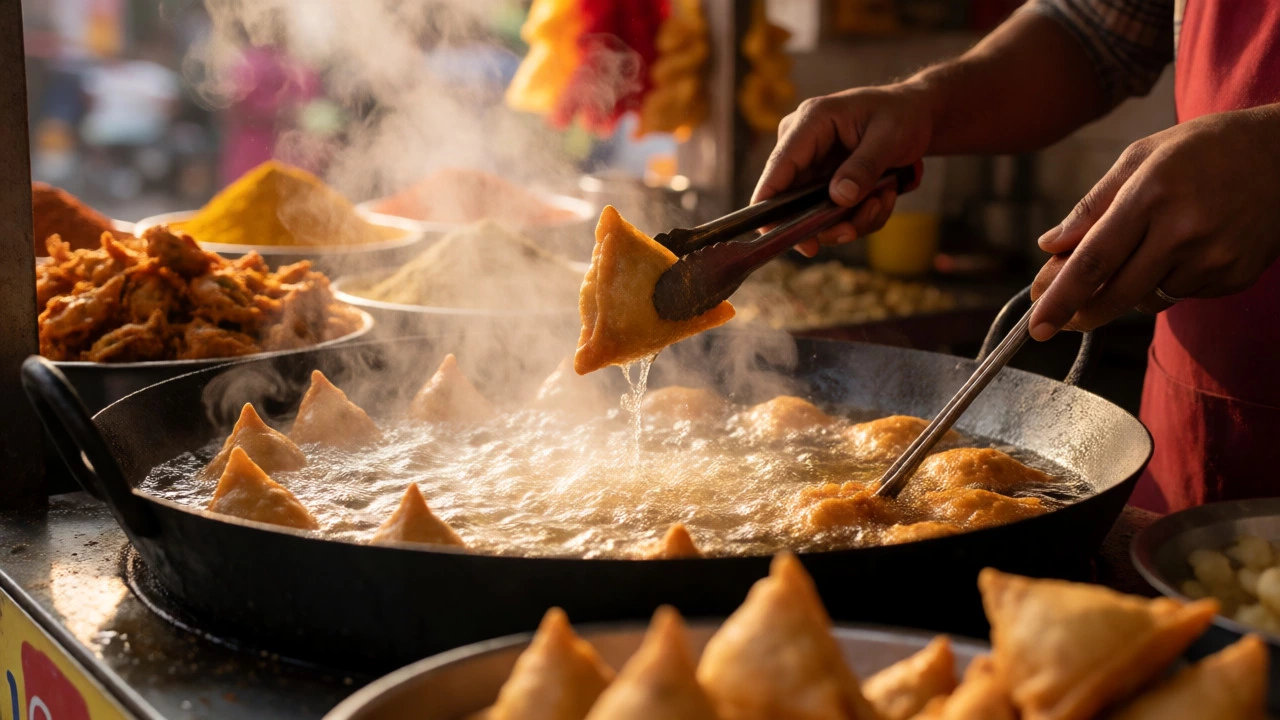
Street food is where the magic happens, but it’s also where mistakes happen. Look for turnover. If a stall has a long line of locals, the food is likely being eaten quickly enough that it doesn’t sit around growing bacteria. High volume equals freshness. Also, observe the cooking method. Deep-fried foods like vada pav or jalebi are safer than grilled meats if you’re unsure about hygiene standards, because the oil reaches very high temperatures. However, be cautious with "dry" snacks like namkeen that might have been exposed to dust and flies all day.
When it comes to drinks, skip the ice. In many parts of India, ice is made from tap water. Unless you are at a hotel or a well-known chain restaurant that specifies purified water ice, ask for your drink without ice (no ice). Stick to sealed bottles of mineral water like Bisleri or Kinley. Check the seal before opening it. If you want coffee or tea, ensure the milk was boiled. Most reputable cafes do this, but roadside dhabas might use powdered milk mixed with lukewarm water, which is less risky than raw milk but still worth noting if you have a sensitive stomach.
Regional Differences and Hygiene Standards
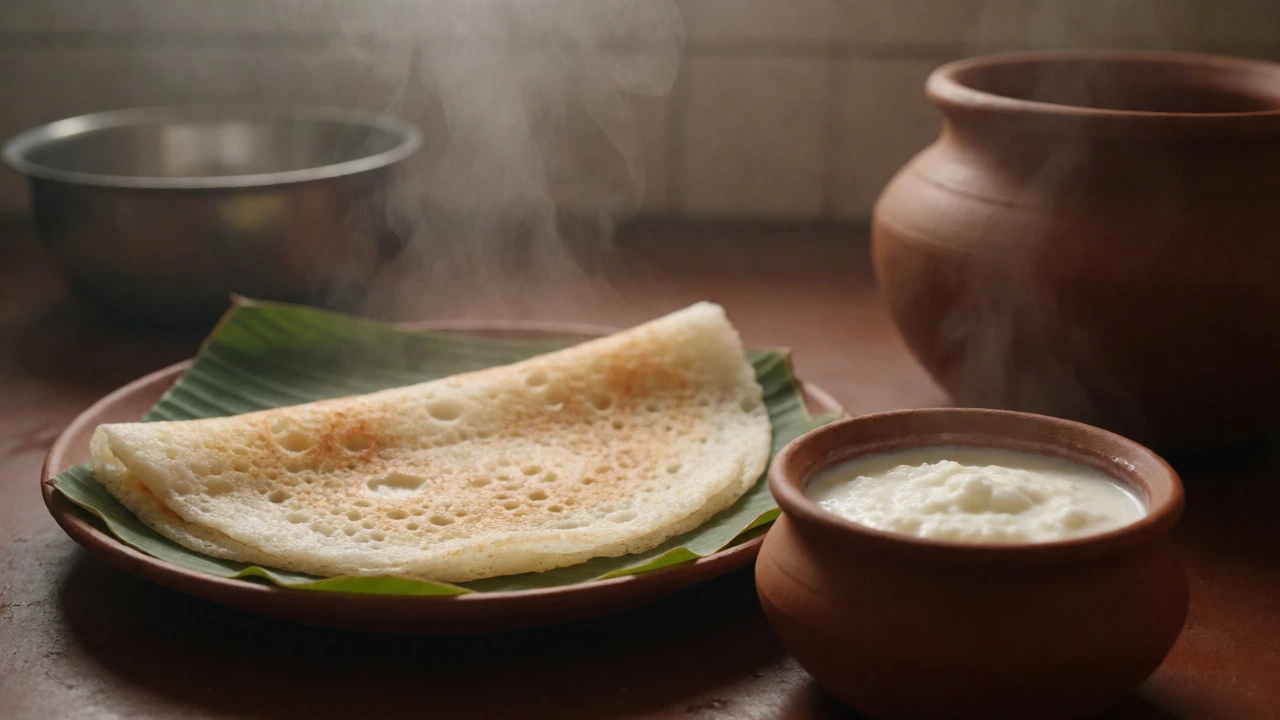
India is not a monolith. What works in Kerala might differ from Rajasthan. In North India, particularly Delhi and Jaipur, the water quality is often poorer than in coastal cities like Chennai or Goa. This affects everything from the ice to the washing of vegetables. In the South, vegetarian options are abundant and often cleaner because many establishments are strictly vegetarian, reducing cross-contamination risks from raw meat handling. For example, a dosai made on a clean griddle is one of the safest meals you can order-it’s fermented batter, cooked hot, and usually served with sterile sambar.
In contrast, non-vegetarian dishes require more scrutiny. Chicken tikka or mutton curry should only be eaten at places with good refrigeration practices. If the meat looks gray or smells slightly off, walk away. Trust your nose. Your senses are your first line of defense against spoilage. Also, be wary of seafood in inland cities. It’s rarely fresher than what you’d find near the coast, and improper storage can lead to histamine poisoning, which causes flushing and headaches.
Building Immunity Gradually
Your body needs time to adjust. Don’t start your trip with a massive feast of spicy street food on day one. Ease into it. Start with simple, bland foods like khichdi (rice and lentils), plain yogurt, or banana. These are gentle on the stomach and help settle any travel-related anxiety. Probiotics can be your best friend here. Eating fresh, homemade-style yogurt (dahi) daily helps introduce beneficial bacteria to your gut, potentially making you more resilient to local microbes. Many travelers swear by carrying probiotic supplements from home, but buying fresh curd locally is often cheaper and equally effective.
Spice level is another factor. Indian food uses chili peppers generously, but capsaicin itself doesn’t cause sickness-it just irritates an already sensitive gut. If you feel burning sensations, it’s not necessarily infection. However, excessive spice combined with poor hygiene can exacerbate symptoms. Ask for "medium" or "mild" spice initially. You can always add extra green chilies or chili powder later if you crave the heat.
Hydration and Water Safety
Dehydration makes gastrointestinal issues worse. The heat and humidity accelerate fluid loss, so keep drinking. But remember: no tap water. Brush your teeth with bottled water too. This seems extreme, but swallowing even small amounts of untreated water during brushing can trigger issues for sensitive travelers. Use hand sanitizer frequently, especially before eating with your hands, which is common practice in many regions. Washing hands with soap and water is better, but sanitizer is a practical backup when sinks aren’t available.
If you do get sick, stay calm. Mild diarrhea is common and usually resolves within 48 hours. Keep electrolytes handy-ORS (Oral Rehydration Solution) packets are cheap and available at every pharmacy. Avoid anti-diarrheal meds like Imodium unless necessary, as they trap toxins inside your system. Let your body flush out the bad stuff, then rehydrate aggressively.
Is it safe to eat salad in India?
Generally, no. Raw salads are washed in tap water, which may contain bacteria your body isn't used to. If you must have greens, opt for cooked spinach or fenugreek leaves instead. Some upscale restaurants serve salads washed with filtered water, but verify this first.
Can I drink coffee or tea in India?
Yes, provided the water used to make it was boiled. Boiling kills pathogens. Avoid cold brews or iced teas where the ice source is unknown. Hot chai from reputable stalls is usually safe and comforting.
What if I get Delhi Belly?
Rest, hydrate with ORS or coconut water, and eat bland foods like bananas, rice, applesauce, and toast (BRAT diet). If symptoms persist beyond 3 days, include blood/mucus, or you develop a fever, see a doctor immediately.
Are vegetarian restaurants safer?
Often, yes. They eliminate risks associated with undercooked or improperly stored meat. However, hygiene standards vary regardless of menu type, so still apply the "hot and fresh" rule.
Should I avoid dairy products?
Not necessarily. Yogurt and paneer are great sources of protein and probiotics. Just ensure they are fresh and stored properly. Avoid soft cheeses or cream-based desserts left out in the heat.