What Sport Gives the Most Adrenaline? Top Adventure Sports in India
 Nov, 3 2026
Adrenaline Sport Matcher
Answer three quick questions to discover which Indian adventure sport matches your desire for thrills, duration, and control.
Your Adrenaline Profile
You know that feeling. Your heart hammers against your ribs, your palms sweat, and time seems to stretch out like taffy. That’s adrenaline. It’s not just a buzzword; it’s a biological survival mechanism that some people chase for fun. But if you’re wondering which sport delivers the biggest hit, the answer isn’t as simple as picking one name from a list. It depends on whether you want sustained terror, a sudden shock, or pure physical exhaustion.
Here in Vancouver, I see skiers and mountain bikers chasing that high all year round. But when I look at the landscape of Adventure Sports in India, a rapidly growing sector offering diverse high-thrill activities across varied terrains, the options are staggering. From the Himalayas to the Western Ghats, India offers some of the most intense experiences on the planet. Let’s break down which activities actually spike your heart rate the highest, based on real-world feedback and physiological response.
The Science Behind the Rush
Before we pick winners, let’s understand what we’re measuring. Adrenaline (epinephrine) is released by your adrenal glands when your brain perceives danger. It’s part of the "fight or flight" response. In sports, this manifests as heightened awareness, increased strength, and a temporary suspension of pain. The intensity of this release correlates with three factors: unpredictability, perceived risk of injury, and loss of control.
So, the "most adrenaline-inducing" sport is usually the one where you have the least control over the outcome and the highest potential consequence. A controlled gym workout won’t cut it. You need chaos.
White Water Rafting: The Sustained Roar
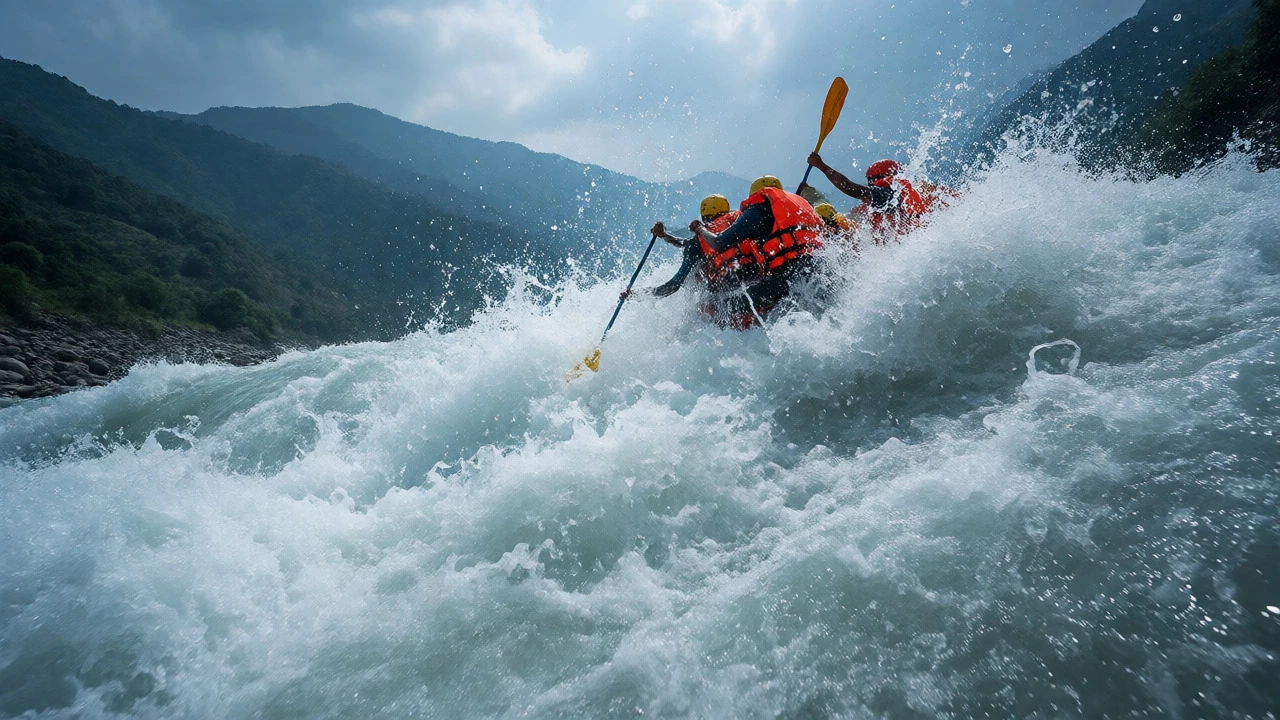
If you ask river guides in Rishikesh, they’ll tell you that White Water Rafting is the king of sustained adrenaline. Unlike a bungee jump, which lasts seconds, rafting keeps you in a state of high alert for hours. You’re battling Class IV and V rapids on the Ganges. The water is cold, unpredictable, and powerful. One wrong move capsizes the raft, dumping you into turbulent currents.
The adrenaline here comes from constant problem-solving under pressure. You’re coordinating with a team, reading the river, and physically exerting yourself while fearing submersion. It’s not a single spike; it’s a marathon of stress hormones. For many, this is more addictive than a quick thrill because the stakes remain high throughout the entire experience.
Bungee Jumping: The Instant Shock
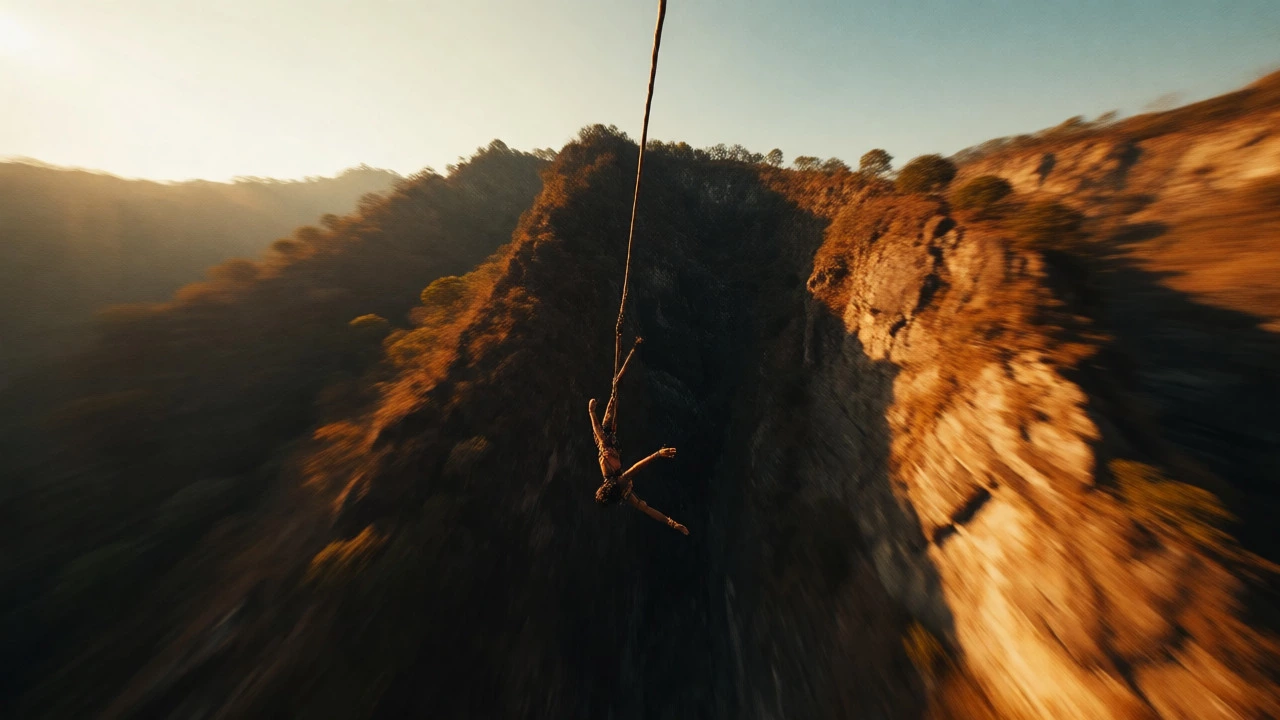
On the other end of the spectrum is Bungee Jumping, specifically the famous jumps in Mohan Chatti, Rishikesh. This is pure, unadulterated shock therapy. You stand on a platform 83 meters above the ground. You step off. Gravity takes over. For four seconds, you are falling freely before the cord snaps you back up.
The adrenaline dump here is massive but short-lived. It’s triggered by the complete loss of control and the primal fear of height. Many participants report a sense of euphoria immediately after landing, known as "bungee blues," followed by a crash. If you want the biggest single peak of hormone release, this is it. But if you want to ride the wave, rafting wins.
| Sport | Duration of High | Type of Fear | Physical Demand | Control Level |
|---|---|---|---|---|
| White Water Rafting | Hours (Sustained) | Drowning/Capsizing | High | Low (River dictates) |
| Bungee Jumping | Seconds (Peak) | Impact/Height | Low | Zero |
| Paragliding | Minutes to Hours | Falling/Turbulence | Moderate | Medium (Pilot skill) |
| Scuba Diving | Hours (Deep focus) | Pressure/Silence | Low | High (Equipment dependent) |
| Rock Climbing | Minutes per pitch | Falling/Pain | Very High | High (Self-managed) |
Paragliding: The Silent Terror
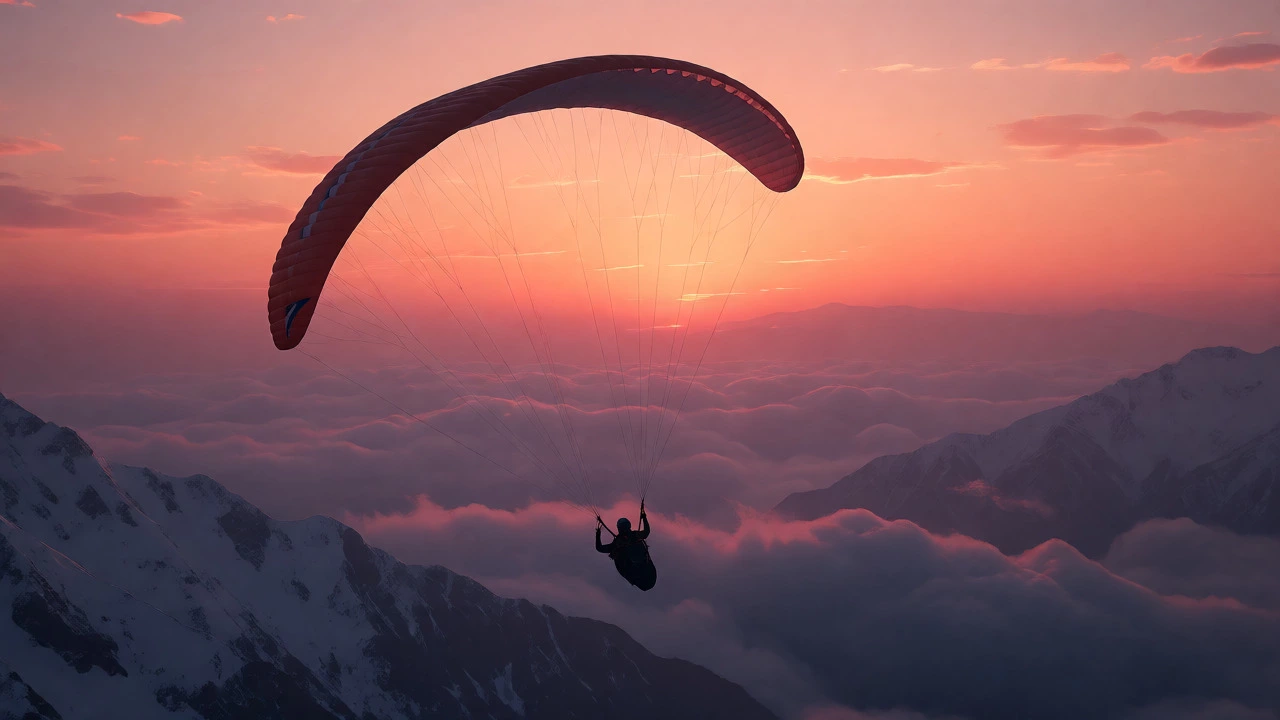
Paragliding in Bir Billing or Manali offers a different flavor of adrenaline. It’s quieter than rafting, but no less intense. When you launch off a cliff, you are suspended in the air with nothing but fabric and wind between you and the earth. The adrenaline kick happens during takeoff and whenever you encounter thermal turbulence.
Unlike bungee jumping, you can’t just "end" a paragliding flight instantly. You have to manage your descent. If the wind shifts unexpectedly, your heart rate spikes as you fight to maintain altitude. It’s a cerebral form of adrenaline. You’re constantly analyzing air currents, making split-second decisions. For pilots, the rush comes from mastering an invisible force.
Scuba Diving: The Deep Pressure
Many people underestimate Scuba Diving as a calm activity. Sure, floating among coral reefs in the Andamans is peaceful. But go deeper-say, to Havelock Island’s Shark Point-and the dynamic changes. At depth, every breath is calculated. Equipment failure feels catastrophic even if it’s minor.
The adrenaline here is psychological. It’s the fear of running out of air, the disorientation of darkness, and the pressure on your eardrums. It’s a slow-burn anxiety that requires mental discipline. If you panic, you burn through air faster, creating a feedback loop of stress. It’s not about speed; it’s about survival in an alien environment.
Rock Climbing: The Personal Battle
For those who prefer self-reliance, Rock Climbing in places like Hampi or Badami provides intense personal adrenaline. Every handhold is a life-or-death decision. If you slip, gravity pulls you down until your rope catches you-or doesn’t.
This is adrenaline mixed with extreme physical strain. Your muscles scream, your fingers cramp, and your mind races. The fear isn’t just external; it’s internal. Can I reach that next hold? Will my grip fail? The satisfaction of topping out is directly proportional to the fear you felt during the climb. It’s raw, honest, and exhausting.
How to Choose Your Poison
So, which sport gives the most adrenaline? If you want the highest peak, choose Bungee Jumping. If you want the longest duration, choose White Water Rafting. If you want a mental challenge, try Paragliding or Rock Climbing.
Your choice should depend on your personality type. Are you someone who likes quick resolutions? Go for the jump. Do you enjoy enduring hardship for a long-term payoff? Hit the rivers. Do you like controlling chaos? Take to the skies.
Remember, safety gear matters. No amount of adrenaline is worth a broken spine. Always check certification standards for operators in India, especially for aerial activities. Look for licenses from the Adventure Tour Operators Association of India (ATOAI).
Which sport has the highest risk of injury?
Statistically, motorized adventure sports like ATV riding or jet skiing often have higher accident rates due to mechanical failure or collision. However, non-motorized sports like rock climbing carry severe consequences for errors. Proper training reduces risk significantly in all categories.
Is bungee jumping safer than skydiving?
Both are extremely safe when operated by certified professionals. Bungee jumping involves fewer variables (no aircraft, no parachute deployment sequence), so statistically, it has slightly lower complexity risks. However, skydiving has a longer history of safety protocols and redundancy systems.
Can beginners do white water rafting?
Yes, most operators offer Grade II and III rapids suitable for beginners. These sections provide excitement without overwhelming technical difficulty. Guides provide full briefings and safety equipment, including helmets and life jackets, ensuring first-timers stay safe.
Why does adrenaline feel good?
Adrenaline triggers the release of dopamine and endorphins, creating a natural high. It sharpens focus and increases energy levels. After the event, the body releases these chemicals to help recover, resulting in a feeling of euphoria and relaxation known as the "afterglow."
What is the best time for adventure sports in India?
It varies by region. Northern India (Himalayas) is best from March to June and September to November. Southern coastal areas (Goa, Andamans) are ideal from October to May. Avoid monsoon seasons (June-August) for most outdoor activities due to slippery conditions and reduced visibility.