What Meat Is Not Eaten in India: A Cultural Guide for Travelers
 Jun, 9 2026
Indian Meat Etiquette Navigator
Select a region and a type of meat to check local cultural acceptability.
Result Title
Description goes here.
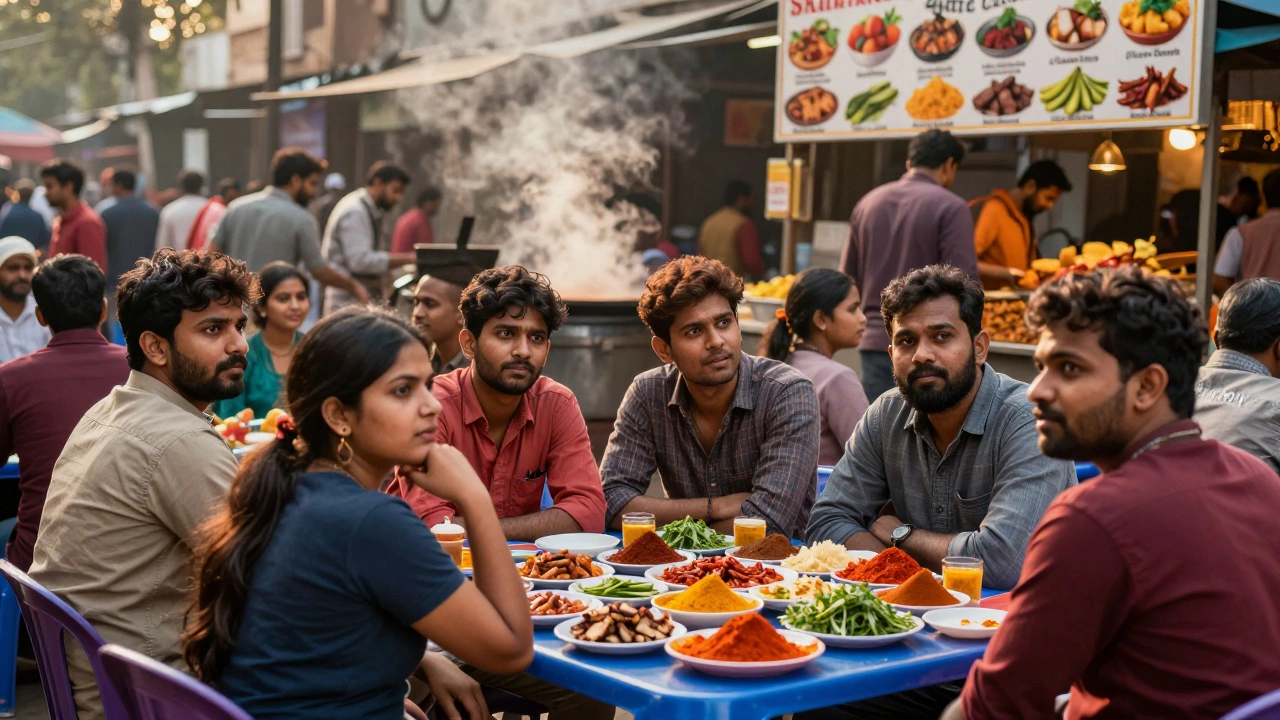
Imagine sitting down to a lavish feast in Mumbai or Delhi, only to realize you’ve ordered the wrong dish. In many parts of the world, meat is just meat. But in India, what ends up on your plate is deeply tied to religion, region, and history. For travelers, understanding what meat is not eaten in India isn’t just about avoiding offense-it’s about unlocking the true flavor of local culture.
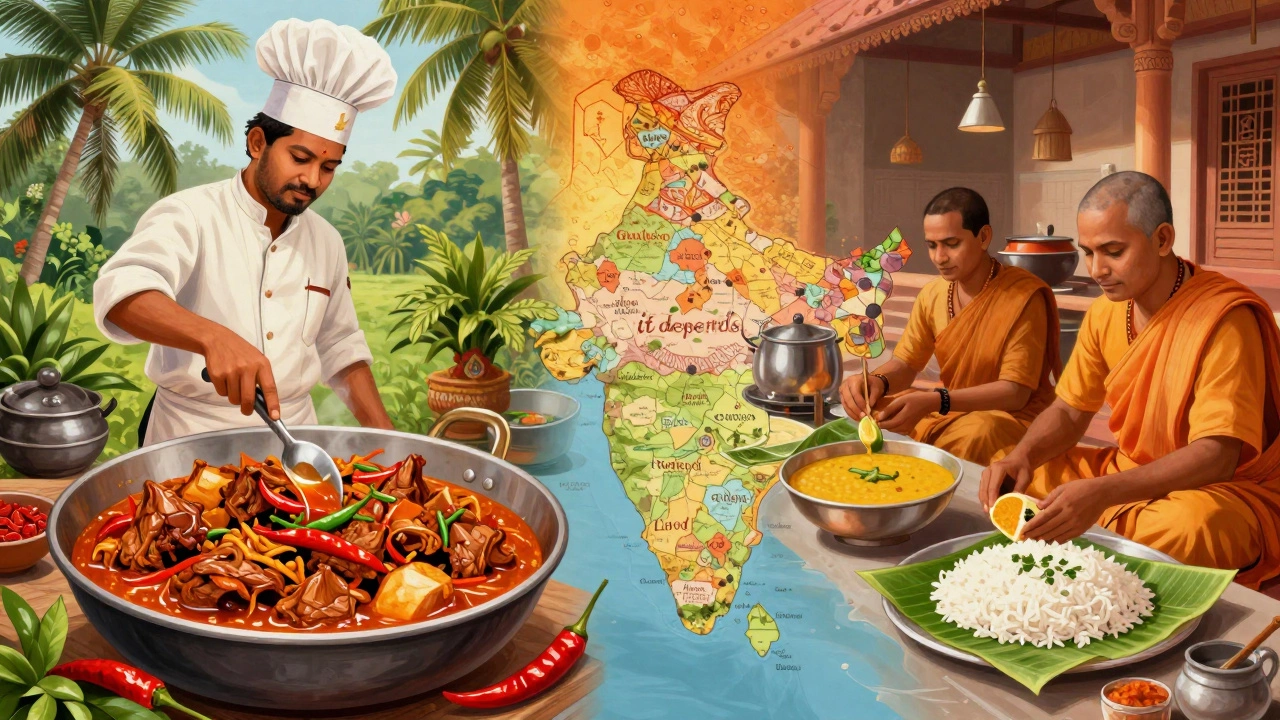
The short answer? It depends entirely on where you are and who you’re eating with. While chicken and fish are widely consumed across the country, other meats carry heavy cultural baggage. Beef is largely taboo due to Hindu reverence for cows. Pork is avoided by Muslims and some Christian communities. And in certain states, even goat or mutton might be restricted during religious festivals. This guide breaks down the nuances so you can eat confidently and respectfully.
The Sacred Cow: Why Beef Is Off-Limits for Most Indians
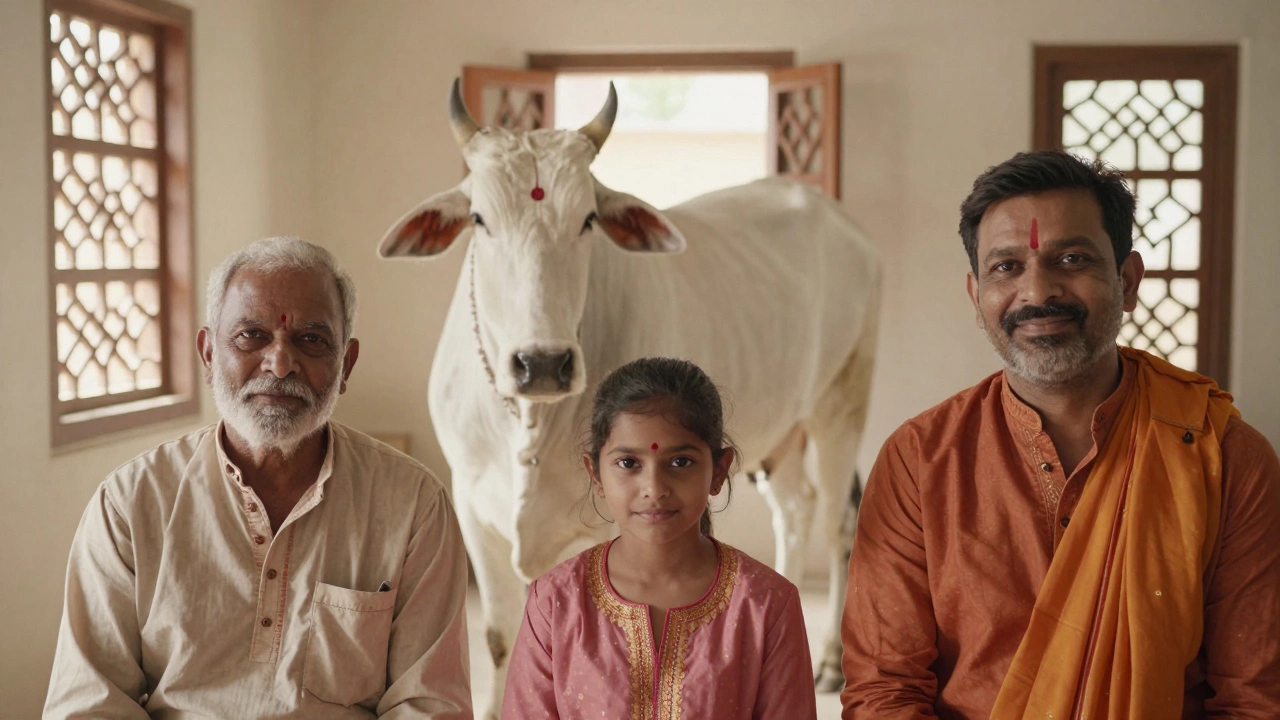
If there’s one rule that defines Indian dietary restrictions, it’s this: don’t order beef. For Hindus, who make up about 80% of India’s population, the cow is considered sacred. It’s seen as a symbol of non-violence, motherhood, and prosperity. Harming a cow is viewed not just as a sin, but as an attack on life itself.
This reverence translates into law. As of 2026, over 20 Indian states have banned the slaughter of cows, including calves and bulls. States like Gujarat, Rajasthan, and Madhya Pradesh enforce strict penalties-fines and even imprisonment-for possessing or consuming beef. Even in states where it’s technically legal, like Kerala or West Bengal, social stigma keeps beef off mainstream menus.
But here’s the twist: not all Indians avoid beef. Tribal communities in central India, such as the Gond and Santhal tribes, traditionally hunt and consume wild game, including buffalo and sometimes cattle. Muslim and Christian populations in regions like Kerala, Goa, and Northeast India also eat beef regularly. So while national sentiment leans heavily against it, local practices vary wildly.
Pork: A Divided Plate Across Religions and Regions
Next on the list is pork. Unlike beef, which has broad-based taboos, pork avoidance is more segmented. Muslims prohibit pork under Islamic dietary laws (halal), meaning roughly 14% of India’s population won’t touch it. Similarly, many Christians, especially Catholics in Kerala and Goa, follow halal-like restrictions during fasting periods.
Yet among Hindus, pork is generally acceptable-and delicious. In southern states like Tamil Nadu and Karnataka, chettinad pork curry is a celebrated delicacy. In Manipur, located in the northeast, pork is so central to cuisine that you’ll find it served at weddings, festivals, and everyday meals. The Meitei community, dominant in Manipur, considers pork a staple protein source.
| Region | Primary Community | Pork Status | Popular Dish |
|---|---|---|---|
| Tamil Nadu | Hindu (Chettiar) | Accepted | Chettinad Pork Curry |
| Kerala | Christian/Muslim | Limited/Avoided | Pork Roast (non-Muslim areas) |
| Manipur | Meitei | Staple | Eromba with Pork |
| Gujarat | Hindu/Jain | Rarely Served | N/A |
So if you’re traveling through South or Northeast India, pork dishes will likely appear on menus. But head north to Uttar Pradesh or west to Gujarat, and you’ll rarely see it offered. Always check with your host or server when unsure.
Chicken and Fish: The Safe Bets for Meat-Eaters
When in doubt, go for chicken or fish. These proteins face minimal religious restriction and are enjoyed across nearly every state. Chicken tikka masala, butter chicken, and tandoori chicken are household names-not just in India, but globally. They’re affordable, widely available, and rarely controversial.
Fish follows a similar pattern. Coastal states like Kerala, Goa, Odisha, and West Bengal rely heavily on seafood. Bengali cuisine features elaborate fish curries, fried hilsa, and steamed pomfret. In Kerala, karimeen pollichathu (pearl spot fish wrapped in banana leaf) is a festive favorite. Even inland cities serve freshwater fish like rohu and catla.
One caveat: some devout Hindus and Jains practice lacto-vegetarianism and avoid all flesh foods, including fish. If you’re dining with such groups, stick to paneer, dal, or vegetable thalis. But for general travel, chicken and fish are your safest bets.
Mutton and Goat: The Middle Ground
Mutton-usually referring to goat meat in India-is another common option. It’s popular in North Indian biryanis, kebabs, and stews. Unlike beef, mutton doesn’t carry strong religious prohibitions. However, during Ramadan, Muslims may abstain from eating until sunset, though they still consume mutton after prayers.
In contrast, Jains strictly avoid mutton because goats are land animals whose slaughter involves direct violence. Since Jain philosophy emphasizes ahimsa (non-harm) toward all living beings, including insects, their diet excludes root vegetables (to avoid killing worms) and any meat whatsoever.
Regional Variations: Where You Eat Matters More Than What You Eat
India’s diversity means no single rule applies nationwide. Consider these examples:
- Kerala: Known for both vegetarian temple food and rich non-veg feasts. Beef is eaten by Syro-Malabar Christians and Muslims; pork by Latin Catholics.
- Goa: Portuguese colonial influence brought vinegar-based pork dishes like vindaloo. Today, Goan Catholic families serve pork chops and chorizo regularly.
- Northeast India: States like Nagaland, Meghalaya, and Arunachal Pradesh have tribal cultures where hunting and meat-eating are integral. Wild boar, bamboo rat, and even dog meat (in remote areas) may appear locally-but never expect them in tourist restaurants.
- Gujarat & Rajasthan: Predominantly vegetarian due to Jain and Vaishnavite influences. Many hotels don’t serve any meat at all.
These differences highlight why context matters. Ordering beef in Kolkata might raise eyebrows, but in Shillong, it could be perfectly normal. Knowing your location helps navigate expectations.
Practical Tips for Travelers Navigating Indian Diets
To enjoy Indian cuisine without causing discomfort, keep these guidelines in mind:
- Ask before ordering: When in doubt, ask staff or hosts about ingredient sources. Phrases like “Is this prepared separately?” or “Does this contain beef/pork?” show respect.
- Look for labels: Many packaged goods display green dots (vegetarian) or brown triangles (non-vegetarian). Some brands specify “no onion/garlic” for Satvik diets.
- Respect festival rules: During Navratri, Ganesh Chaturthi, or Shravan month, many Hindus adopt temporary vegetarianism. Avoid offering meat during these times.
- Choose certified places: Restaurants displaying “Halal” or “Jain Pure” signs indicate adherence to specific dietary codes. Stick to those aligned with your group’s needs.
- Carry snacks: In rural areas, options may be limited. Pack nuts, energy bars, or instant noodles as backup.
Also remember: politeness goes further than perfection. Locals appreciate effort, even if mistakes happen. A simple apology and willingness to learn builds bridges faster than flawless execution.
Why Understanding Dietary Restrictions Enhances Your Trip
Beyond avoiding faux pas, knowing what meat is not eaten in India enriches your experience. Food tells stories. Each restriction reflects centuries of belief, ecology, and identity. By respecting them, you participate in something deeper than tourism-you engage in cultural exchange.
You’ll notice how temples serve prasad (blessed food) exclusively vegetarian. You’ll witness street vendors preparing separate utensils for veg and non-veg customers. You’ll hear elders explain why they haven’t touched meat since childhood. These moments connect you to people, not just places.
And let’s be honest: trying new things within boundaries makes discovery exciting. Discovering that a humble roadside stall serves incredible egg curry-or that a five-star hotel offers exquisite mushroom biryani-adds joy to your journey.
Can I eat beef in major Indian cities like Delhi or Mumbai?
Technically yes in Maharashtra (Mumbai), but socially risky. In Delhi, beef is illegal under state law. Most restaurants won’t serve it openly, and doing so could lead to legal trouble or public backlash. Stick to chicken, mutton, or fish instead.
Are there any places in India where pork is completely unavailable?
Yes-in predominantly Jain or conservative Hindu regions like parts of Gujarat, Rajasthan, and Mathura-Vrindavan. Here, entire towns operate without pork or even eggs. Plan ahead if you prefer pork-based meals.
Do all Indians follow vegetarian diets?
No. Only around 20-30% of Indians are fully vegetarian. Others eat meat selectively based on region, religion, or personal choice. Urban youth increasingly embrace global cuisines, making meat consumption more common among younger generations.
What should I do if I accidentally order forbidden meat?
Apologize sincerely and remove the dish from the table. Don’t eat it unless everyone agrees it’s okay. In most cases, people will understand your mistake, especially if you explain you’re unfamiliar with local norms.
Is camel meat eaten anywhere in India?
Rarely. Camel meat exists in small pockets of Rajasthan and Punjab, mostly among nomadic tribes. It’s not commercially available and carries little culinary tradition outside niche communities.