What is the Best Extreme Sport in India? Top Picks for 2026
 Jul, 14 2026
Find Your Perfect Extreme Sport in India
Select your preferences below to discover which Indian adventure sport matches your personality.
Your Match:
Best Location
Estimated Cost
There is no single "best" extreme sport. If you crave the rush of freefall, skydiving wins. If you want to battle nature’s raw power, white-water rafting takes the crown. But if you are looking for the perfect blend of accessibility, scenery, and heart-pounding action specifically within adventure sports India, the answer changes depending on what kind of fear you want to conquer.
India is not just a land of temples and beaches; it is a playground for adrenaline junkies. From the snow-capped peaks of Himachal Pradesh to the rugged coastlines of Goa, the geography here offers something for every type of thrill-seeker. The real question isn't which sport is objectively the best, but which one fits your comfort zone, budget, and desire for intensity.
The Adrenaline Hierarchy: Defining "Best"
Before picking a sport, you need to define what "best" means to you. Are you looking for the highest speed? The most terrifying height? Or the best photo opportunity?
- For Pure Speed: Bungee jumping or skydiving gives you the fastest acceleration relative to your body weight.
- For Endurance & Skill: Rock climbing or trekking requires days of preparation and physical stamina.
- For Spectacle: Paragliding offers the most breathtaking views while keeping you alive (mostly).
- For Accessibility: White-water rafting is easy to learn, making it the best entry point for beginners.
In the context of Indian tourism, "best" often implies a balance between safety infrastructure and natural beauty. That is why destinations like Bir Billing and Rishikesh dominate the conversation. They have matured over decades, offering certified instructors and reliable gear, unlike some remote spots where safety standards can be hit-or-miss.
Paragliding: The King of Views
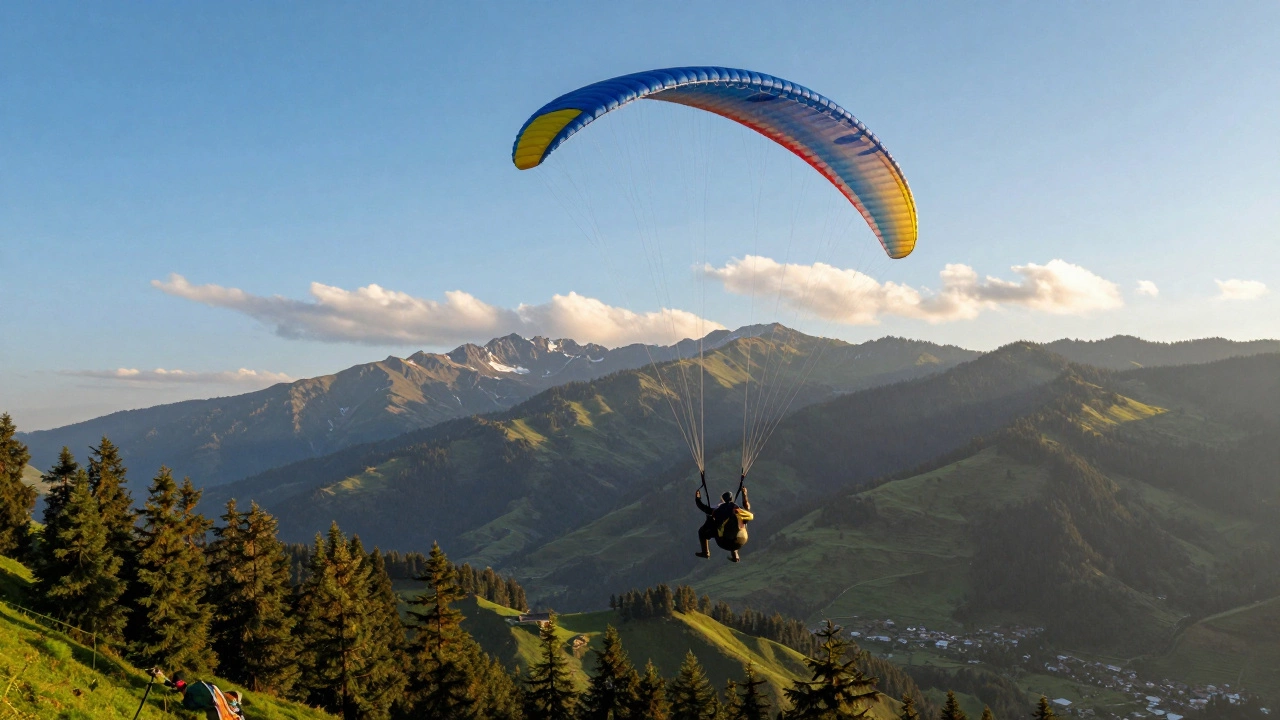
If you ask any veteran traveler about the highlight of their trip to North India, they will likely mention Bir Billing. Located in Himachal Pradesh, this town is widely recognized as the paragliding capital of Asia. Why? Because the thermal currents here are consistent, and the drop from Billing (2,450 meters) to Bir (1,850 meters) provides a flight path that feels like flying alongside eagles.
You don’t need prior experience. Tandem flights mean you are strapped to an instructor who handles all the technical controls. You just sit back, look down at the pine forests below, and enjoy the silence. The only sound is the wind rushing past your ears. It is less about "surviving" and more about "soaring." For many, this sense of freedom makes it the best extreme sport because it removes the element of panic and replaces it with awe.
However, weather plays a huge role. If it rains or the winds are too strong, flights get canceled. This unpredictability can be frustrating if you have planned your entire trip around it. Always have a backup activity when visiting Bir Billing.
White-Water Rafting: Battling the Ganges
While paragliding is peaceful, white-water rafting is chaotic. And there is no better place to start than Rishikesh, Uttarakhand. Known as the Yoga Capital of the World, Rishikesh also hosts some of the most intense rapids in Asia on the River Ganges.
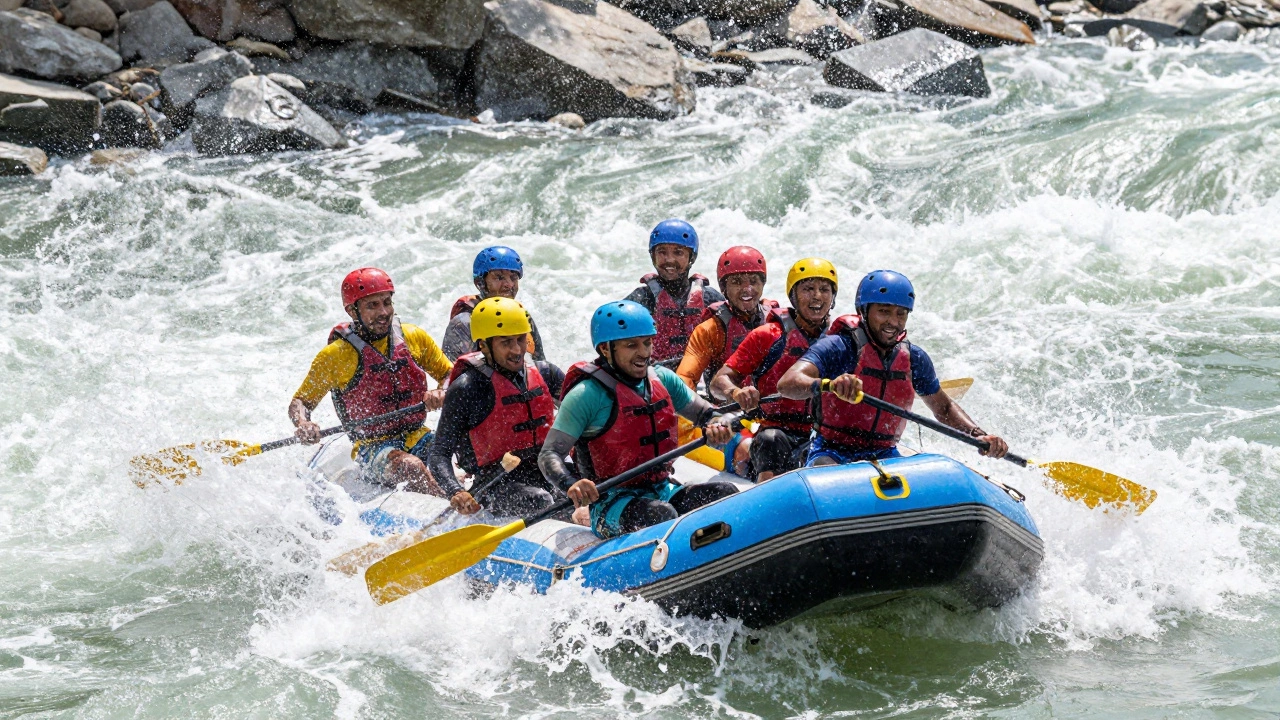
The stretch from Shivpuri to Rishikesh covers about 10 kilometers and features Class III and IV rapids. These aren't gentle ripples; these are walls of water that slam into your raft, soaking you instantly and testing your grip strength. The "best" part of rafting here is the camaraderie. You are in a rubber boat with strangers, screaming instructions, and working together to avoid flipping over. It builds trust fast.
| Sport | Best Location | Difficulty Level | Avg. Cost (INR) | Best Time to Go |
|---|---|---|---|---|
| Paragliding | Bir Billing, HP | Low (Tandem) | ₹2,500 - ₹5,000 | Mar - Nov |
| White-Water Rafting | Rishikesh, UK | Medium | ₹1,500 - ₹3,000 | Oct - Jun |
| Bungee Jumping | Lambol, Maharashtra | High (Psychological) | ₹2,999 - ₹4,999 | Year-round |
| Skydiving | Goa / Madurai | High | ₹15,000 - ₹25,000 | Nov - Feb |
| Canyoning | Munnar, Kerala | Medium-High | ₹3,000 - ₹6,000 | Sep - Mar |
Rafting is physically demanding but technically accessible. Instructors teach you basic strokes before you push off. The danger is real-rocks are sharp, and cold water can shock your system-but the safety protocols in Rishikesh are strict. Life jackets and helmets are mandatory, and guides are trained in rescue techniques. If you want a sport that makes you feel alive through exertion rather than just falling, rafting is the winner.
Bungee Jumping: Conquering the Fear of Falling
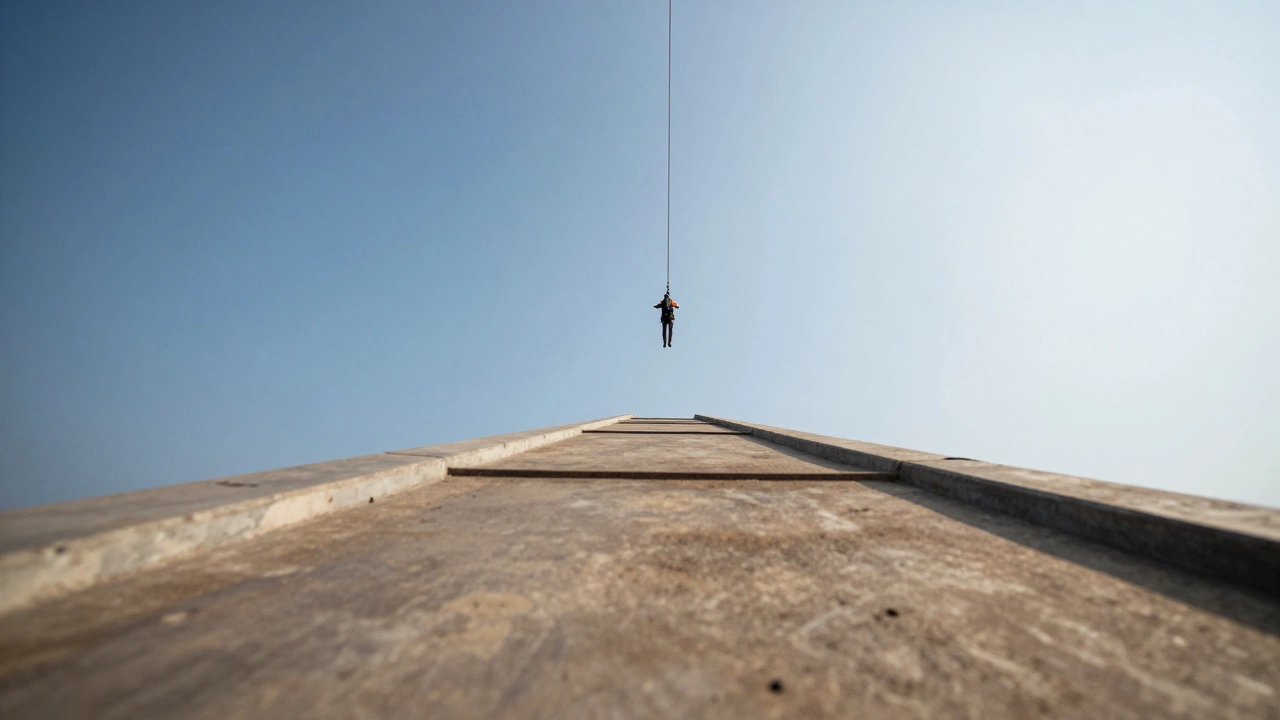
Let’s address the elephant in the room: bungee jumping. For years, India had very few commercial bungee sites. That changed with the opening of the Jumpin Heights facility in Lambol, near Mumbai. At 83 meters (272 feet), it is one of the highest bungee jumps in South Asia.
Is it the "best" extreme sport? Only if your definition of fun involves screaming until your lungs hurt. The psychological barrier here is immense. Unlike rafting, where you can paddle away, or paragliding, where you glide, bungee jumping is pure commitment. Once you step off the platform, there is no going back. The cord catches you, you bounce, and then you are hoisted back up.
The appeal lies in the simplicity. There is no skill to learn. No equipment to master. Just you, gravity, and a rubber cord. For people who want to prove to themselves that they can face their deepest fears, nothing beats bungee. However, it is a one-time thrill. Most people do not return for a second jump immediately. If you are looking for a recurring hobby, this might not be the best choice.
Skydiving: The Ultimate Freefall
If bungee jumping is about facing fear, skydiving is about mastering control. India has seen a surge in skydiving hubs, particularly in Goa (Dabolim area) and Tamil Nadu (Madurai). Skydiving involves jumping from an aircraft at altitudes ranging from 10,000 to 15,000 feet.
The experience is divided into two parts: the freefall and the canopy ride. During freefall, you hit speeds of up to 200 km/h. It lasts about 30-40 seconds. Then the parachute opens, and you spend 5-7 minutes gliding gently to the ground. The contrast between the violent freefall and the serene glide is unique.
Skydiving is expensive compared to other options in India, often costing upwards of ₹15,000. It also requires stricter medical checks due to the altitude. But for those who can afford it and pass the health screening, it offers the longest duration of high-intensity adrenaline. It is less accessible than rafting, but for the pure sensation of flight, it is unmatched.
Niche Thrills: Canyoning and Zorbing
Not everyone wants to jump out of planes or boats. Some prefer ground-based adventures. Canyoning, popular in Munnar, Kerala, involves rappelling down waterfalls, sliding down rock faces, and swimming through pools. It combines hiking, climbing, and swimming into one continuous activity.
Zorbing, available in places like Lonavala and Manali, involves rolling down a hill inside a giant inflatable ball. It sounds silly, but the G-forces involved are significant. You lose all sense of direction and control. It is a great group activity for friends who want something unconventional and less serious than the high-stakes sports mentioned above.
Safety First: How to Choose a Provider
No matter which sport you choose, safety should be your primary filter. The adventure tourism industry in India is growing rapidly, but regulation varies by state. Here is how to ensure you are in good hands:
- Check Certifications: Look for operators affiliated with the National Institute of Adventure Sports (NIAS) or international bodies like the International Paragliding Association (IPA).
- Inspect Gear: Don’t be shy about asking to see maintenance logs for parachutes, rafts, or bungee cords. Reputable providers keep detailed records.
- Read Recent Reviews: Focus on reviews from the last 6 months. Safety standards can change with staff turnover.
- Ask About Insurance: Many adventure packages include accident insurance. If not, consider buying travel insurance that covers "high-risk activities."
- Trust Your Gut: If an instructor seems rushed, dismissive of questions, or pressured you to skip safety briefings, walk away. Your life is worth more than a discount.
Conclusion: Finding Your Personal Best
So, what is the best extreme sport in India? If you want views, go to Bir Billing. If you want teamwork and chaos, go to Rishikesh. If you want to scream into the void, go to Lambol. There is no universal champion. The best sport is the one that aligns with your personal threshold for risk and reward.
Start small if you are new. Try rafting or zip-lining before attempting skydiving. Listen to your body and your instincts. Adventure is meant to be exhilarating, not traumatic. With proper preparation and respect for the environment, India offers some of the most thrilling experiences on the planet. Pick your poison, check your gear, and get ready to fly.
Is paragliding in Bir Billing safe for beginners?
Yes, tandem paragliding in Bir Billing is considered safe for beginners. You are harnessed to an experienced pilot who controls the entire flight. The site has consistent wind patterns and certified instructors. However, always check the operator's safety record and ensure they use modern, well-maintained equipment.
What is the best time of year for adventure sports in India?
The best time depends on the region and activity. For North India (Himachal, Uttarakhand), October to June is ideal, avoiding the monsoon season (July-September) when landslides and heavy rain disrupt activities. For South India (Kerala, Goa), December to February is best for coastal and hill activities, while summer can be too hot for strenuous outdoor sports.
How much does skydiving cost in India?
Skydiving in India typically costs between ₹15,000 and ₹25,000 per jump. This usually includes the tandem jump, video/photo package, and transportation to the drop zone. Prices vary by location, with Goa and Madurai being popular hubs. Additional fees may apply for solo training courses.
Do I need prior experience for white-water rafting in Rishikesh?
No prior experience is needed for the standard tourist rafting routes in Rishikesh. Instructors provide a brief training session on paddling techniques and safety commands before you enter the water. Basic swimming ability is recommended but not always mandatory if you wear a life jacket correctly.
Are there age restrictions for extreme sports in India?
Yes, most operators have age limits. Paragliding and rafting usually require participants to be at least 12-14 years old. Skydiving and bungee jumping often have a minimum age of 16 or 18, depending on the operator and local regulations. Weight limits also apply, typically ranging from 45kg to 100kg, to ensure equipment safety.
Can I do adventure sports during the monsoon season?
It is generally not recommended. Monsoon rains increase the risk of landslides, flash floods, and poor visibility. Most reputable operators suspend activities like paragliding, trekking, and rafting during July and August in North India. Some indoor or controlled-environment activities may still be available, but outdoor extremes are risky.