What Does UNESCO Stand For? A Guide to World Heritage Sites in India
 Sep, 25 2026
UNESCO Heritage Explorer
Explore India's rich heritage landscape. Filter sites by type or take a quick quiz to test your understanding of what makes a site "World Heritage."
Loading question...
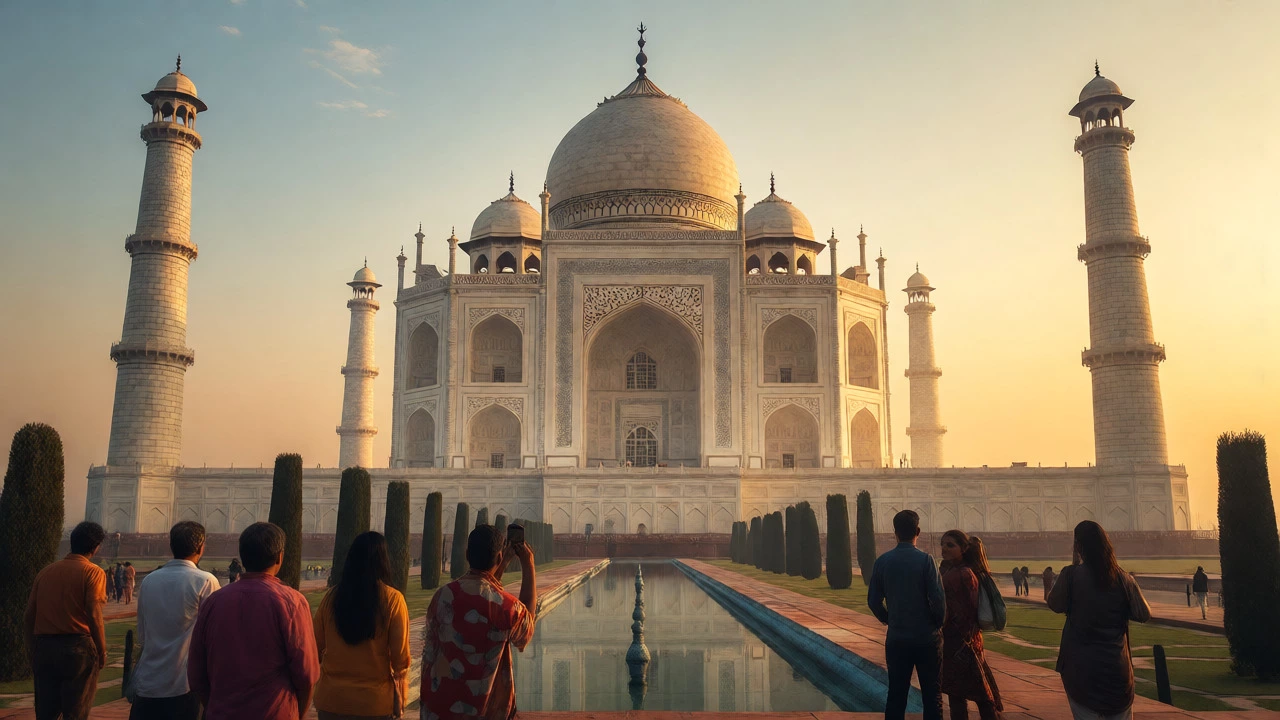
You’ve seen the acronym on museum plaques, heard it in tour guides’ pitches, and maybe even used it as a filter when planning your next trip. But if someone stopped you on the street right now and asked, what does UNESCO stand for? Could you answer without hesitation? Most people can’t. We see the blue shield logo everywhere-from the Taj Mahal’s ticket counter to the crumbling walls of Hampi-and we assume it means “important place.” But it’s so much more than that.
UNESCO is not just a stamp of approval; it’s a global watchdog for our shared history. Understanding what it actually stands for changes how you experience travel. It turns a selfie at a monument into an appreciation of why that stone survived centuries while others didn’t. Especially in a country like India, where the density of these sites is staggering, knowing the rules behind the label helps you respect the site and get more out of your visit.
The Acronym Decoded: More Than Just Education
Let’s clear up the confusion immediately. UNESCO stands for the United Nations Educational, Scientific and Cultural Organization. It was founded in 1945, right after World War II, with a specific mission: to build peace through international cooperation in education, science, and culture. The logic was simple but profound-wars begin in the minds of men, so defenses must be built there too.
While its name highlights education and science, most travelers only care about the "C"-Culture. This is where the World Heritage Convention comes in. Adopted in 1972, this treaty created the framework for identifying places of outstanding universal value. If a site makes the list, it isn’t just famous; it meets strict criteria regarding authenticity, integrity, and significance to humanity.
| Pillar | Focus Area | Relevance to Travelers |
|---|---|---|
| Educational | Literacy, teacher training, STEM access | Supports local communities near heritage sites |
| Scientific | Oceanography, biosphere reserves, water security | Protects natural wonders like Sundarbans |
| Cultural | Monuments, traditions, intangible heritage | Preserves sites like Khajuraho or Varanasi ghats |
Why India Is a UNESCO Powerhouse
India holds one of the highest numbers of World Heritage Sites in Asia. As of 2026, there are over 40 inscribed properties across the subcontinent. Why so many? Because Indian history is layered. You have ancient Indus Valley cities, Buddhist stupas, Mughal architecture, and colonial-era hill stations all coexisting within modern borders.
But here’s the catch: getting on the list is hard. And staying on it is harder. In recent years, some Indian sites have faced scrutiny. Take the case of the Ellora Caves or the historic city of Ahmedabad. Local authorities had to implement strict traffic bans and restoration protocols to meet UNESCO’s conservation standards. When you visit these places, you’re seeing the result of intense diplomatic and scientific negotiation.
For instance, the Taj Mahal in Agra faces constant threats from air pollution. Yellowing marble is a real issue. UNESCO monitors this closely. If the Indian government fails to control emissions in the "Taj Trapezium Zone," the site could theoretically face delisting-a rare but powerful threat that forces action.
Types of Heritage: Not All Sites Are Temples
When people hear "UNESCO," they picture grand palaces. But the organization categorizes heritage into three distinct types, and understanding them broadens your travel horizon.
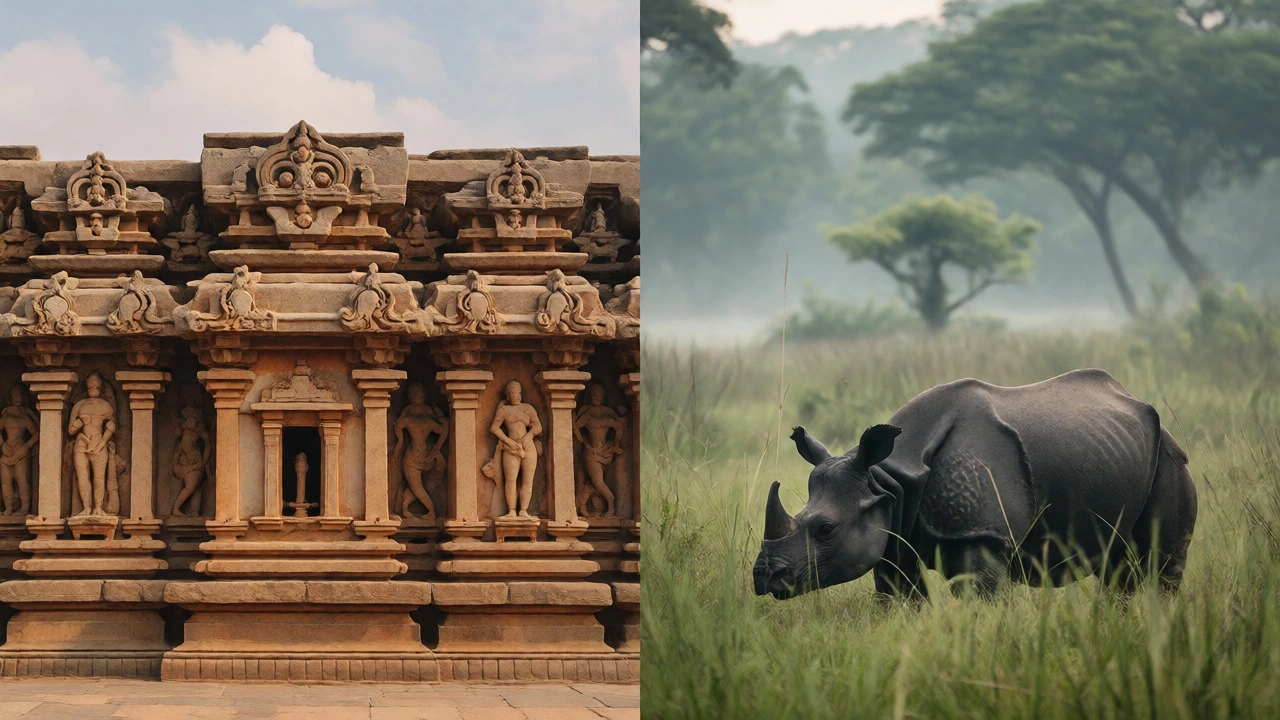
- Cultural Heritage: These are man-made structures. Think of the Hampi Group of Monuments in Karnataka or the Red Fort Complex in Delhi. They showcase architectural brilliance and historical events.
- Natural Heritage: These are areas of exceptional natural beauty or ecological importance. India’s Kaziranga National Park, home to two-thirds of the world's great one-horned rhinoceroses, fits here. So do the Western Ghats, a biodiversity hotspot older than the Himalayas.
- Mixed Heritage: Rare and fascinating, these sites hold both cultural and natural value. The Khangchendzonga National Park in Sikkim is a prime example. It’s sacred to locals (cultural) and contains some of the highest peaks on Earth (natural).
There’s also a fourth category that often gets overlooked: Intangible Cultural Heritage. This isn’t a place you can touch. It’s practices, expressions, and knowledge passed down through generations. India has registered elements like Yoga, Kumbh Mela, and Durga Puja of Kolkata on this list. While you won’t find a plaque for "Yoga" on a wall, visiting Rishikesh during peak season lets you feel the weight of this living heritage.
The Criteria: How Do Places Make the List?
So, what makes a spot worthy? It’s not just about being pretty. UNESCO uses ten strict criteria. To be inscribed, a site must satisfy at least one of them. Let’s break down the ones most relevant to Indian travelers.
Criterion i: Represents a masterpiece of human creative genius. The Chola Temples in Tamil Nadu qualify here because their bronze casting and temple engineering were revolutionary for the 11th century.
Criterion iii: Bears a unique testimony to a cultural tradition. The Fatehpur Sikri in Uttar Pradesh is a perfect time capsule of Akbar’s reign. It was abandoned, which preserved its layout exactly as it was in the 16th century.
Criterion vi: Associated with events or living traditions. The Red Fort is linked to the sovereignty of India and the Mughal Empire. Standing there, you’re connecting to a specific political narrative that shaped South Asia.
If a site fails to maintain its integrity-if developers build skyscrapers blocking the view of the Qutub Minar, for example-it risks losing its status. That’s why buffer zones exist around these monuments. They aren’t just empty land; they are protective shields against urban sprawl.
Your Role as a Responsible Tourist
Knowing what UNESCO stands for empowers you. You become part of the preservation effort. Here’s how to travel smarter at these sites.
First, read the signage. Often, restrictions seem arbitrary. Why no drones at the Gateway of India? Why no plastic bottles inside the Ajanta Caves? These rules protect fragile ecosystems and artifacts. Ignoring them contributes to degradation.
Second, support local economies. UNESCO encourages sustainable development. Buy handicrafts from certified artisans near the site rather than mass-produced souvenirs. Visit local museums instead of just the main monument. This spreads the economic benefit beyond the ticket booth.
Third, report damage. If you see graffiti on a protected wall or litter accumulating in a heritage zone, take a photo and tag the local archaeological survey office on social media. Public pressure works. In Jaipur, citizen reporting helped clean up the stepwells near Amer Fort.
Finally, understand the difference between "protected" and "preserved." Protection is legal; preservation is physical. A site might be legally protected by UNESCO status, but if maintenance funds are misused, it still crumbles. Your awareness keeps the conversation alive.
Beyond the Big Names: Hidden Gems in India
Everyone knows the Taj. But what about the lesser-known sites that offer equally rich experiences without the crowds?
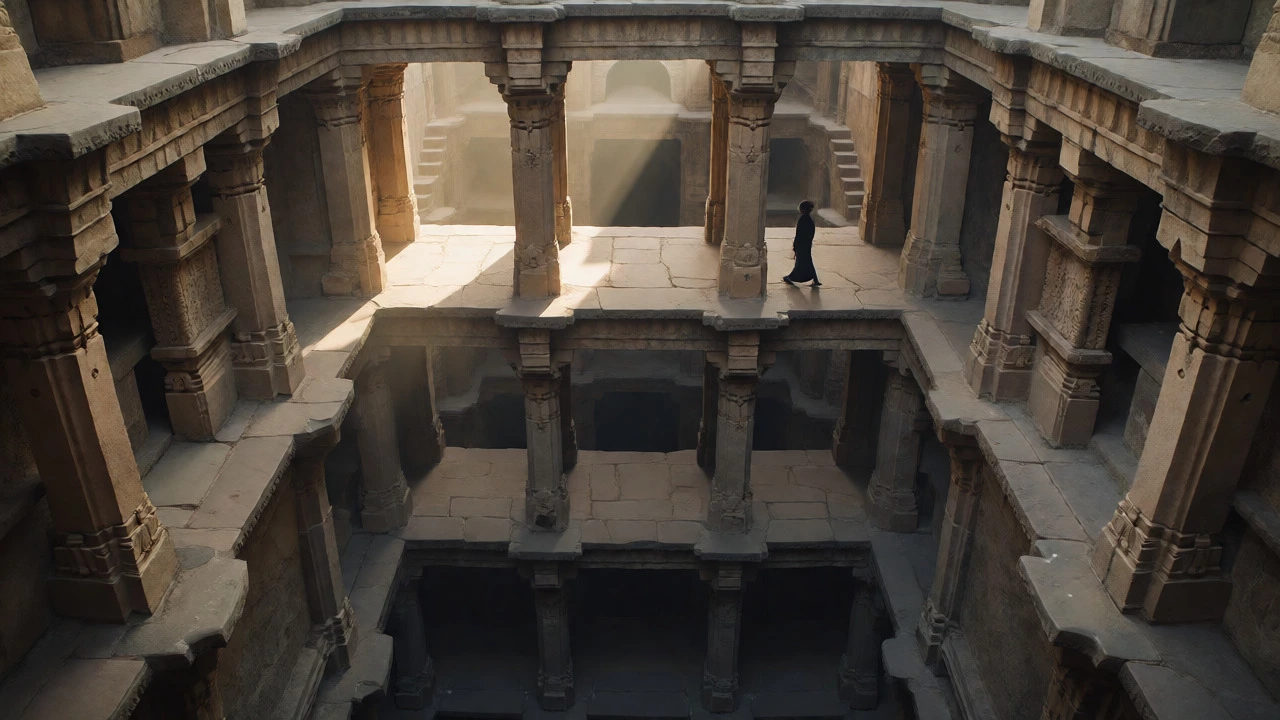
Consider the Rani ki Vav in Patan, Gujarat. It’s a stunning inverted temple dedicated to Shiva, carved entirely underground. Unlike the chaotic tourist hubs, this site offers quiet reflection. It was restored meticulously after decades of neglect, showcasing the power of proper conservation techniques.
Or look at the Mountain Railways of India. This isn’t one station but a network including the Darjeeling Himalayan Railway and the Nilgiri Mountain Railway. Riding these trains is experiencing engineering heritage in motion. The steam engines chugging through misty hills are moving museums.
Then there’s the Sundarbans National Park. It’s the largest mangrove forest in the world. Visiting here requires patience and a boat. There are no grand buildings, just tigers swimming in tidal rivers and mudflats teeming with life. It challenges your definition of "heritage" to include wild, untamed nature.
The Future of Heritage in a Changing Climate
We are living in a critical decade for heritage. Climate change poses existential threats to UNESCO sites globally. In India, rising sea levels threaten coastal sites like the Elephanta Caves near Mumbai. Extreme weather events damage fragile structures like those in Kerala.
UNESCO is shifting its focus toward resilience. New guidelines emphasize adaptive management. This means sites aren’t just frozen in time; they evolve to survive new environmental realities. For travelers, this means some sites may close temporarily for restoration or limit visitor numbers to reduce stress on infrastructure.
Technology plays a huge role now. Digital documentation using LiDAR scanning helps preserve details of carvings before they erode completely. Virtual tours allow millions to see sites like Nalanda Mahavihara without stepping foot on the delicate grounds. This democratization of access is a win-win for preservation and education.
Does every famous place in India have UNESCO status?
No. Fame does not equal UNESCO recognition. Many popular spots, like the Golden Temple in Amritsar or the Lotus Temple in Delhi, are culturally significant but not yet inscribed on the World Heritage List. Inscription requires meeting rigorous international criteria regarding uniqueness and preservation.
Can a site lose its UNESCO World Heritage status?
Yes. Sites can be placed on the "In Danger" list and eventually delisted if they fail to address threats like uncontrolled urbanization, pollution, or lack of protection. Liverpool Maritime Mercantile City was famously delisted in 2021 due to excessive development. In India, several sites are under watchful monitoring to prevent similar outcomes.
What is the difference between a National Monument and a UNESCO Site?
A National Monument is protected by the laws of the country it resides in. A UNESCO World Heritage Site is recognized by the international community as having "Outstanding Universal Value." While all UNESCO sites in India are likely national monuments, not all national monuments are UNESCO sites. The latter carries global prestige and stricter international oversight.
How does UNESCO funding help Indian heritage sites?
UNESCO provides technical assistance, expert advice, and sometimes emergency funding for conservation projects. However, the primary responsibility for funding and maintenance lies with the Government of India, specifically the Archaeological Survey of India (ASI). UNESCO acts more as a standard-setter and monitor than a direct financier for day-to-day operations.
Are there entry fees associated with UNESCO sites in India?
Yes, most major UNESCO sites charge entry fees. These fees contribute to the maintenance and conservation efforts managed by the ASI. Prices vary significantly between domestic visitors and foreign tourists. Always carry ID proof, as student discounts are often available.