Top Trekking Places in India: Which One Ranks Among the World’s Best?
 Feb, 6 2026
Trek Finder: Find Your Perfect Indian Adventure
Tell Us Your Preferences
Your Recommended Trek
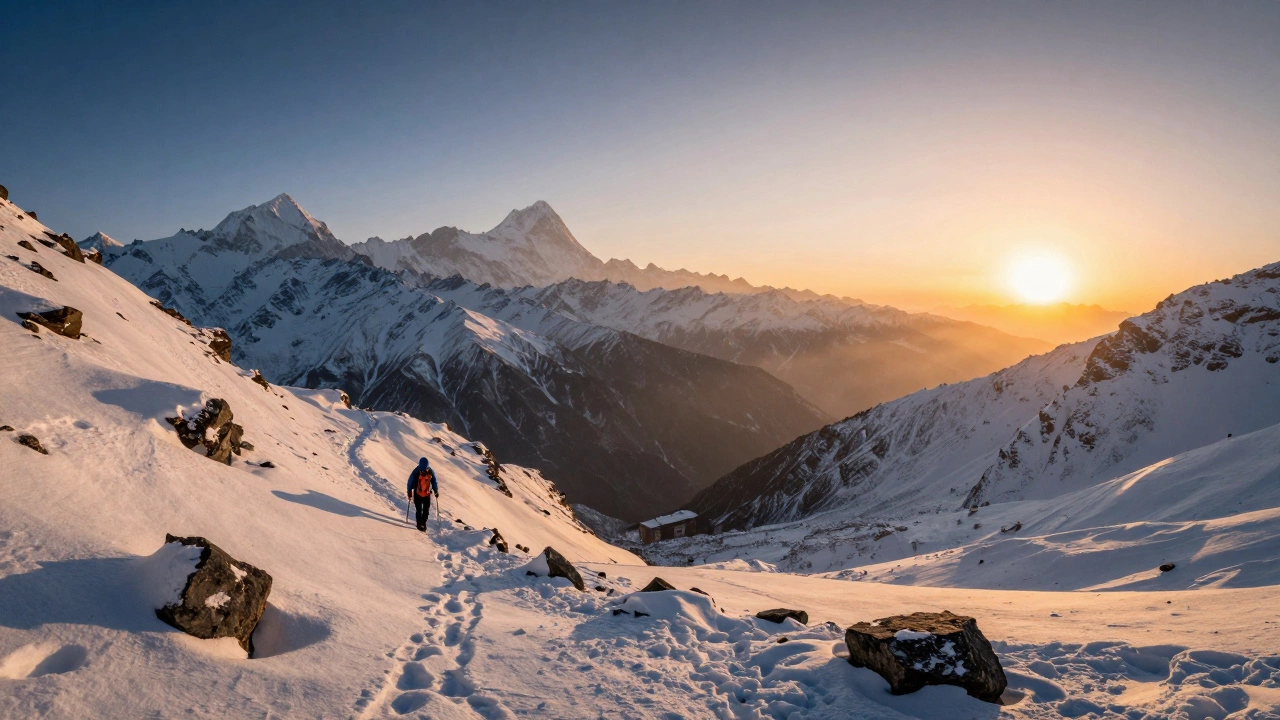
The Himalayas alone host some of the planet’s most awe-inspiring treks, but which Indian route truly deserves the top spot? While Nepal’s Everest Base Camp and Peru’s Inca Trail often grab headlines, India’s trekking destinations offer equally breathtaking scenery and unique challenges. This guide explores the best trekking India has to offer.
Valley of Flowers: A UNESCO World Heritage Gem
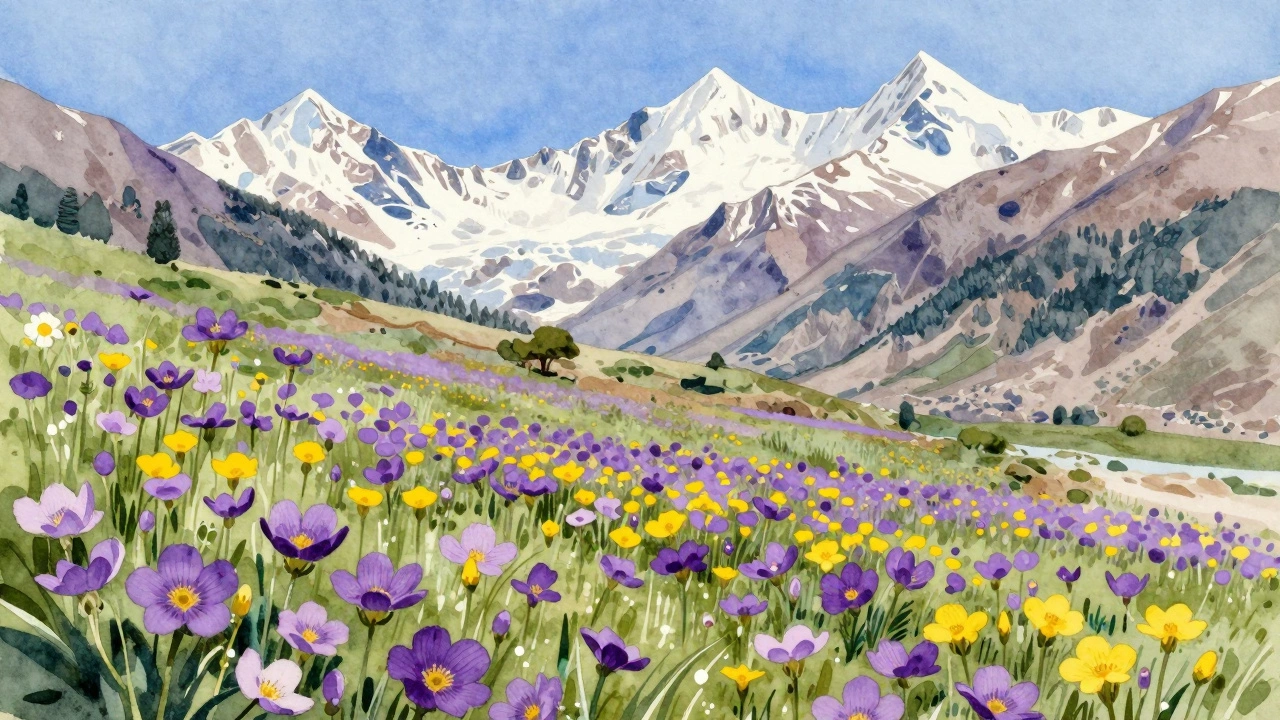
Valley of Flowers is a UNESCO World Heritage Site in Uttarakhand. This high-altitude meadow blooms with over 500 species of alpine flowers between July and September. The trek starts from Govindghat and covers about 38 kilometers round trip. It’s a moderate-level trek, ideal for beginners and nature lovers. The clear mountain air and vibrant colors make it one of India’s most picturesque treks.
Markha Valley Trek: Remote Beauty in Ladakh
Markha Valley trekking route winds through the remote valleys of Ladakh. This challenging trek spans about 75 kilometers over 7-8 days. You’ll pass through traditional villages, cross high mountain passes like Kongmaru La (5,100 meters), and see stunning views of the Zanskar Range. The trek offers a deep cultural experience with Buddhist monasteries and local hospitality. It’s perfect for adventurers seeking solitude and rugged terrain.
Roopkund Trek: Mystery at 5,029 Meters
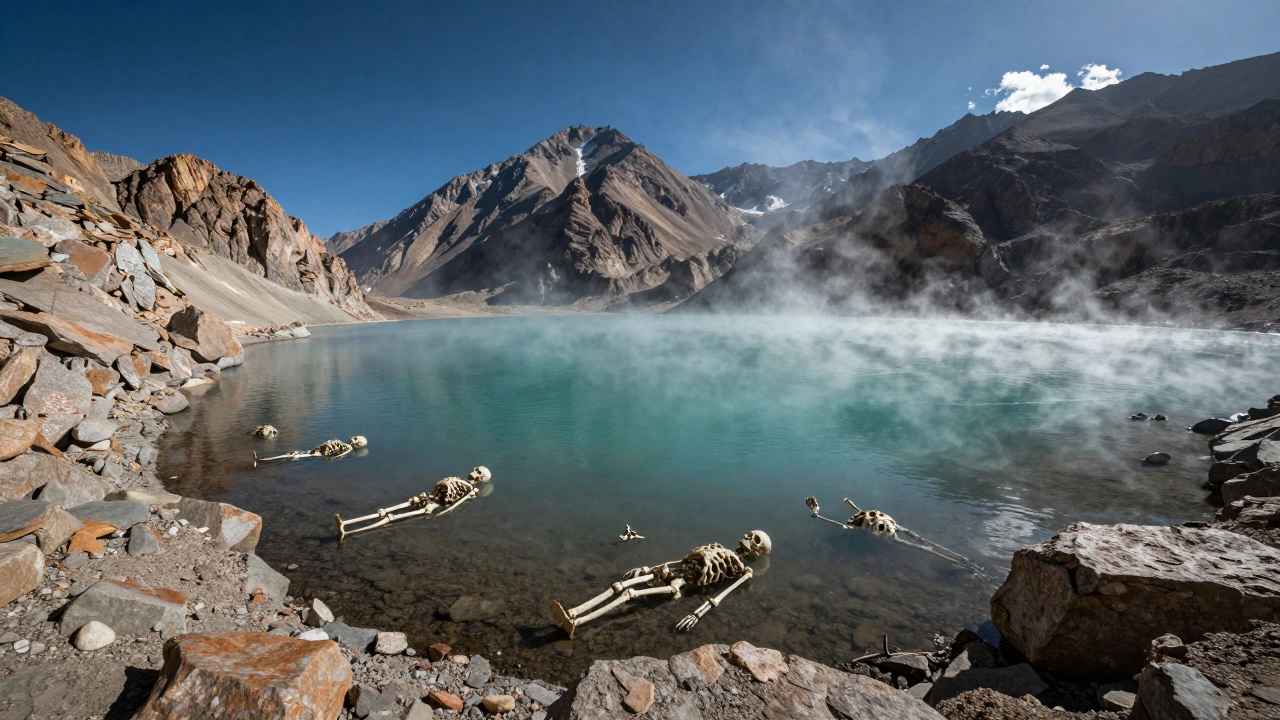
Roopkund Trek is infamous for its skeletal lake at 5,029 meters. Located in Uttarakhand, this 5-6 day trek starts from Lohajung. The route passes through dense forests, alpine meadows, and glaciers. The highlight is the mysterious lake filled with human skeletons, believed to be from a 9th-century storm. This strenuous trek demands physical fitness and proper acclimatization. It’s a favorite among experienced trekkers looking for a challenging adventure.
Sandakphu Trek: Everest Views from West Bengal
Sandakphu is the highest peak in West Bengal. This easy trek covers about 35 kilometers over 4 days, starting from Manebhanjan. The route winds through rhododendron forests and offers panoramic views of Mount Everest, Kanchenjunga, and other Himalayan giants. It’s ideal for beginners and families, with moderate elevation gain and well-marked trails. The best time to visit is March-May or October-November for clear skies.
Kashmir Great Lakes: Alpine Paradise
Kashmir Great Lakes trek takes you through seven stunning alpine lakes in Jammu & Kashmir. This 6-7 day route starts from Sonamarg and covers about 70 kilometers. The trail crosses high-altitude passes, lush meadows, and crystal-clear lakes like Gadsar and Vishansar. It’s a challenging trek with steep ascents but rewards you with some of India’s most beautiful landscapes. This trek is best attempted between July and September.
Comparison of Top Indian Treks
| Trek | Difficulty | Best Time | Duration | Highlights |
|---|---|---|---|---|
| Valley of Flowers | Moderate | July-September | 4-5 days | UNESCO site, vibrant flowers, moderate altitude |
| Markha Valley | Challenging | June-September | 7-8 days | Ladakh’s remote valleys, Buddhist monasteries |
| Roopkund Trek | Strenuous | May-June, September-October | 5-6 days | Mysterious skeletal lake, high-altitude challenge |
| Sandakphu Trek | Easy | March-May, October-November | 4 days | Everest views, rhododendron forests |
| Kashmir Great Lakes | Challenging | July-September | 6-7 days | Lakes, meadows, snow-capped peaks |
Which Trek is Right for You?
Choosing the best trek depends on your experience and goals. If you’re a beginner, Sandakphu offers stunning Everest views without extreme difficulty. For adventure seekers, Roopkund’s high-altitude challenge and mysterious lake won’t disappoint. The Kashmir Great Lakes trek combines breathtaking beauty with technical challenges, while Markha Valley provides cultural immersion in Ladakh’s remote villages. Each route offers something unique-your perfect trek is just a step away.
Practical Tips for Trekkers
- Permits: Some treks like Markha Valley require permits from the Indian government. Check requirements well in advance.
- Acclimatization: High-altitude treks need proper acclimatization to avoid altitude sickness. Spend a day or two at intermediate altitudes.
- Guides: Hiring local guides is recommended for remote routes like Roopkund or Kashmir Great Lakes.
- Seasonality: Stick to the best time of year for each trek to avoid monsoon rains or heavy snow.
- Gear: Carry waterproof clothing, sturdy boots, and a reliable backpack. Altitude sickness medication is essential for high-altitude treks.
Frequently Asked Questions
What is the best time to trek in India?
The best time varies by region. For Himalayan treks like Valley of Flowers or Roopkund, summer months (June-September) are ideal. For Sandakphu, March-May and October-November offer clear views. Winter treks are possible in lower-altitude regions like the Western Ghats, but most high-altitude routes are inaccessible from November to April due to snow.
Do I need a permit for Indian trekking routes?
Yes, some treks require permits. For example, Markha Valley in Ladakh needs a permit from the District Magistrate’s office. Roopkund requires a permit from the Uttarakhand Forest Department. Always check with local authorities or tour operators before planning your trip. Permits are usually easy to obtain but must be secured in advance.
How difficult is the Roopkund Trek?
The Roopkund Trek is considered strenuous. It involves steep ascents, high altitudes (up to 5,029 meters), and challenging terrain. Trekkers should have prior hiking experience and good physical fitness. Altitude sickness is a real risk, so proper acclimatization is crucial. Most guides recommend this trek for experienced hikers only.
Can I trek solo in India?
Solo trekking is possible on well-marked routes like Sandakphu or Valley of Flowers, but it’s not recommended for remote or challenging treks like Markha Valley or Roopkund. Many Indian authorities require solo trekkers to register, and some areas (like Ladakh) mandate group treks. For safety, hiring a local guide or joining a group is always the safer option.
What gear is essential for Indian treks?
Essential gear includes waterproof hiking boots, layered clothing for temperature changes, a sturdy backpack, trekking poles, a first-aid kit, and altitude sickness medication. For high-altitude treks, you’ll need a sleeping bag rated for sub-zero temperatures, a headlamp, and a reliable water filter. Always check specific route requirements before packing.