The Taj Mahal: Why It Is India's Number One Tourist Attraction
 May, 1 2026
Taj Mahal Visitor Experience Estimator
Plan Your Visit
Your Estimate
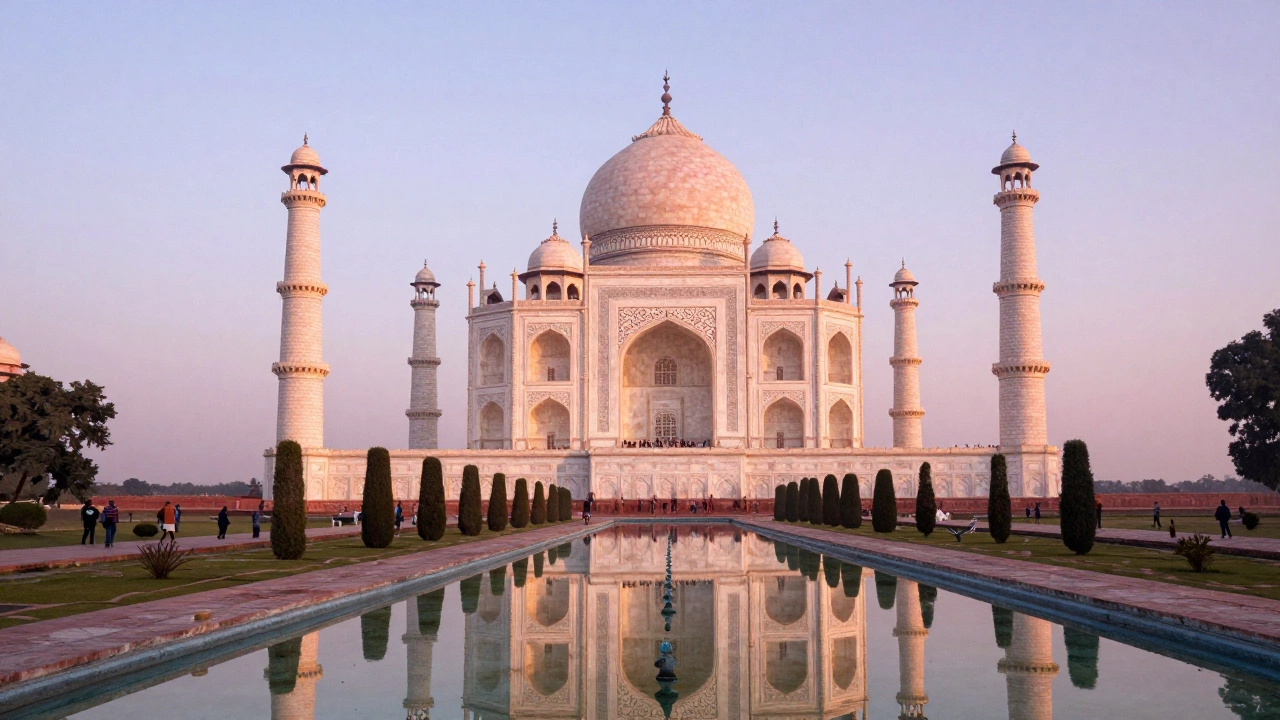
When you ask anyone from Mumbai to Manchester what the single most famous place in India is, the answer doesn’t vary. It’s always the same. The Taj Mahal stands alone as the undisputed number one tourist attraction in India. It isn’t just a building; it’s the visual shorthand for the entire country. In 2025 and heading into 2026, it continues to draw over six million visitors annually, outpacing every other monument, beach, or city center in the nation.
You might wonder why one mausoleum beats out the bustling streets of Delhi, the backwaters of Kerala, or the Himalayan peaks. The reason lies in its perfect storm of history, romance, and architectural brilliance. But knowing *that* it is the top spot is only half the battle. If you plan to visit, you need to know how to actually see it without getting lost in the crowds, dealing with scams, or missing the magic because you went at the wrong time.
The Story Behind the White Marble
To understand why the Taj Mahal holds this crown, you have to look past the Instagram photos. This structure was born from grief. Mughal Emperor Shah Jahan commissioned the tomb in memory of his favorite wife, Mumtaz Mahal, who died in 1631 while giving birth to their fourteenth child. He didn’t just want a grave; he wanted a monument that would make angels weep.
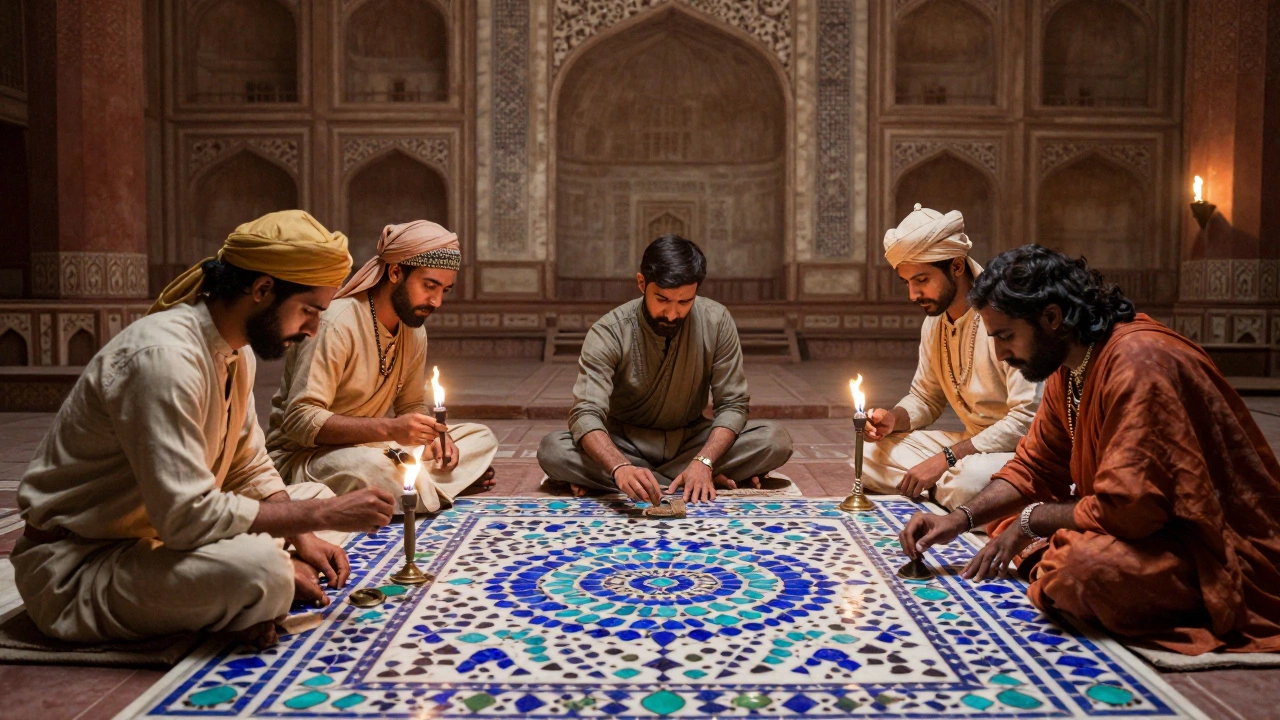
Construction started in 1632 and took roughly 22 years to complete. It employed around 20,000 artisans from across the empire and even imported specialists from Persia and Central Asia. They used white marble from Makrana in Rajasthan and precious stones like lapis lazuli, turquoise, and jade for the intricate inlay work known as pietra dura. The result is a symmetrical masterpiece that looks different depending on the light-pinkish in the morning, milky white at noon, and golden under the moonlight.
This historical weight gives it an emotional pull that newer attractions simply can’t match. When you stand there, you aren’t just looking at stone; you’re looking at one of the most expensive love letters ever written. That narrative power is a huge part of why it remains the top draw for cultural tourism in India.
Why It Beats Every Other Destination
India has incredible diversity. You have the Red Fort in Delhi, the Hawa Mahal in Jaipur, and the ancient temples of Khajuraho. So, why does the Taj Mahal stay at number one? It comes down to accessibility, iconography, and UNESCO status.
| Attraction | Location | Primary Draw | Annual Visitors (Est.) | UNESCO Status |
|---|---|---|---|---|
| Taj Mahal | Agra, Uttar Pradesh | Romantic History & Architecture | 6-8 Million | World Heritage Site |
| Red Fort | New Delhi | Mughal Power & Politics | 3-4 Million | World Heritage Site | d>
| Hawa Mahal | Jaipur, Rajasthan | Unique Pink Architecture | 2-3 Million | Part of Golden Triangle |
| Meenakshi Temple | Madurai, Tamil Nadu | Dravidian Art & Religion | High (Pilgrims) | Not Listed |
The Taj Mahal sits in the middle of the "Golden Triangle" tour route (Delhi-Agra-Jaipur), making it incredibly easy to reach for international tourists flying into Delhi. Its silhouette is instantly recognizable worldwide, similar to the Eiffel Tower for Paris or the Statue of Liberty for New York. No other site in India commands that level of global brand recognition. For first-time visitors, it is the non-negotiable checkbox on the list.
Planning Your Visit: Timing Is Everything
If you go to the Taj Mahal at the wrong time, you will hate it. I’m not exaggerating. The heat, the humidity, and the sheer volume of people can turn a dream trip into a nightmare. Here is how to do it right.
Best Time of Day
Sunrise is the absolute best time to visit. The gates open early, usually around 6:00 AM (depending on the season). You get softer light, fewer crowds, and a chance to see the monument change colors as the sun rises. Sunset is also beautiful but significantly more crowded. Avoid midday between 11:00 AM and 3:00 PM if possible; the marble reflects the sun intensely, making it hard to take photos and uncomfortable to walk around.
Best Time of Year
Winter, from October to March, is the peak season. The weather is cool and dry, making it pleasant for walking. However, this means maximum crowds. Summer (April to June) sees temperatures soar above 40°C (104°F). Fewer tourists visit, but the heat is brutal. The monsoon season (July to September) brings rain and high humidity, which can obscure views, though the green lawns look lush.
Booking Tickets
Do not buy tickets at the gate if you can help it. Use the official Archaeological Survey of India (ASI) website to book online. Foreign tourists pay significantly more than Indian citizens (currently around ₹1,100 for foreigners vs. ₹50 for Indians). Keep your passport handy; you will need it for entry verification. Online booking saves you from standing in long lines under the sun.
Navigating the Grounds and Rules
The complex is vast, covering about 17 hectares. You enter through three main gates: East, South, and West. Most tourists use the South Gate. Once inside, you’ll see the main mausoleum centered in a large garden divided by water channels.
- No Tripods: Professional tripods are banned inside the main tomb area. Small selfie sticks are often tolerated but check current rules as they change frequently.
- Dress Code: While not strictly enforced like in mosques, modest clothing is respectful. Shoulders and knees should be covered. Women may find carrying a scarf useful for covering heads if entering any nearby religious sites, though the Taj itself is secular in its visitor policy.
- Security Checks: Expect rigorous security. Liquids, large bags, and sharp objects are prohibited. There are lockers available near the entrance for a small fee.
- The Main Tomb: Only five people per group are allowed inside the actual inner chamber where the cenotaphs lie. This queue can take 30-60 minutes during peak hours. Decide if you really need to go inside before joining the line.
Avoiding Common Pitfalls
Agra is famous for its touts. As soon as you arrive by train or bus, men will approach you offering "guides," "transport," or "special access." Ignore them. All legitimate guides must be licensed by the ASI and wear official ID badges. If someone tries to sell you tickets outside the official counter, walk away. It is illegal.
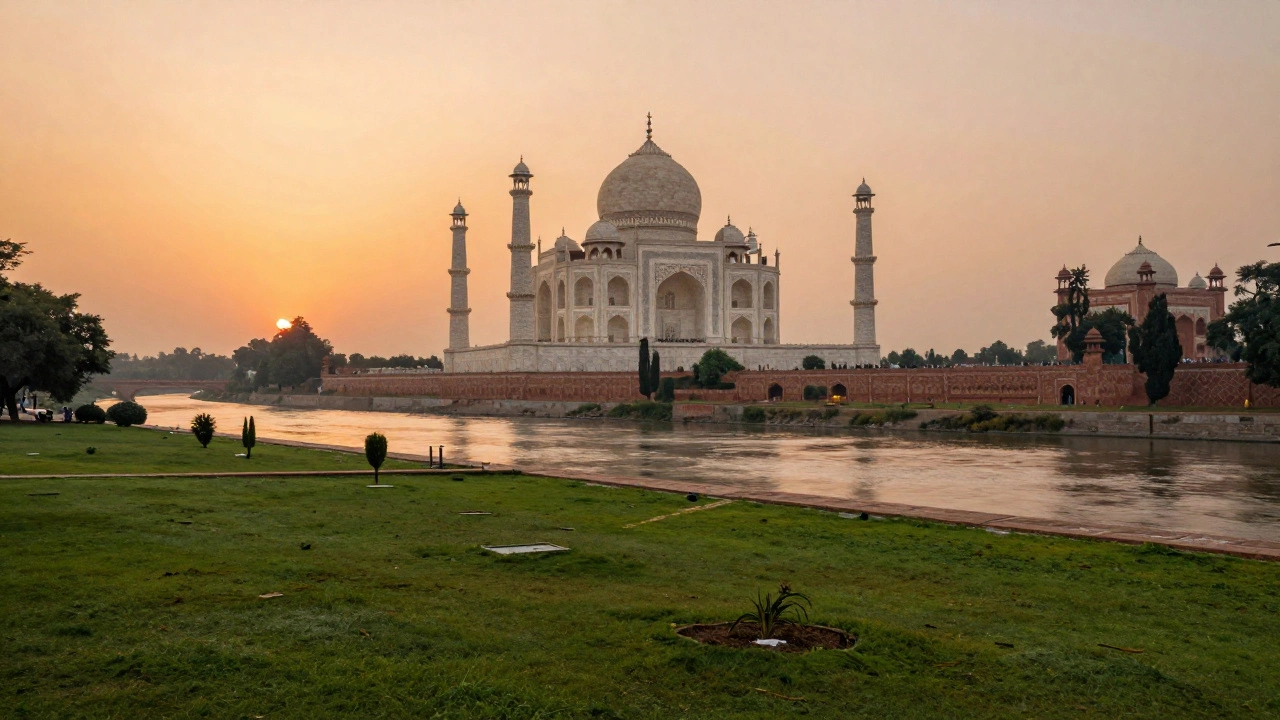
Another common issue is the confusion between the Taj Mahal and the Mehtab Bagh. Mehtab Bagh is a garden on the opposite bank of the Yamuna River. It offers a stunning view of the Taj Mahal across the water, especially at sunset, and is much less crowded. Many locals prefer this spot for photography. It’s a great alternative if you want to avoid the main crush.
Also, beware of "closed for Friday" rumors. The Taj Mahal is closed to visitors every Friday for prayers. Plan your itinerary accordingly. If your flight lands on Thursday night, you can still catch the sunrise on Saturday, but don’t try to squeeze in a Friday visit.
Beyond the Monument: Exploring Agra
While the Taj Mahal is the star, Agra has other treasures worth seeing. Since you are already there, spend a day exploring the rest of the Mughal legacy.
Agra Fort: Located just two kilometers from the Taj, this red sandstone fort was the main residence of the Mughal Emperors until 1638. It’s massive, well-preserved, and offers a glimpse into the political heart of the empire. The Diwan-i-Khas (Hall of Private Audiences) features marble screens that rival the Taj in beauty.
Fatehpur Sikri: About 40 kilometers away, this abandoned city was the capital for a short period under Akbar the Great. It’s a UNESCO World Heritage site with unique architecture that blends Hindu and Islamic styles. It feels like stepping into a movie set, quiet and majestic.
For food, try local specialties like Petha (a sweet made from ash gourd) and Dal Baati Churma. Agra is also known for its street food, particularly near the Kinari Bazaar. Just stick to busy stalls with high turnover to ensure hygiene.
Sustainable Tourism and Preservation
The Taj Mahal faces real threats. Air pollution from nearby industries and vehicle emissions causes the white marble to yellow-a condition experts call "marble cancer." The Indian government has implemented strict measures, including banning vehicles within a certain radius and promoting electric transport. As a visitor, you can help by following all guidelines, not touching the marble, and disposing of trash properly. The preservation of this site is a collective responsibility.
In 2026, efforts to reduce carbon footprints around the monument continue. Consider using eco-friendly transport options when moving around Agra. Supporting local businesses that adhere to sustainable practices also helps the community that relies on tourism.
Final Thoughts on Visiting India’s Icon
The Taj Mahal earns its title as the number one tourist attraction in India not just because it is beautiful, but because it represents something universal: love, loss, and the enduring power of art. It is a place that demands respect and preparation. By planning your visit carefully, avoiding the pitfalls, and taking the time to appreciate the details, you’ll experience why millions keep coming back. It’s not just a stop on a checklist; it’s a moment that stays with you long after you leave.
Is the Taj Mahal open on Fridays?
No, the Taj Mahal is closed to all visitors every Friday for prayer purposes. It is open the rest of the week, including during major holidays, though special timings may apply during Ramadan.
How much does it cost to enter the Taj Mahal?
As of 2026, foreign tourists pay approximately ₹1,100 per person, which includes entry to the main mausoleum. Indian citizens pay ₹50. Children under 15 are free. Additional charges may apply for extra lights during full moon nights.
What is the best time to visit for photography?
Sunrise is ideal for soft lighting and fewer crowds. The hour before sunrise allows you to secure a good spot. Sunset offers dramatic shadows but is very crowded. Avoid midday due to harsh glare on the marble.
Can I bring a tripod inside the Taj Mahal?
Professional tripods are generally prohibited inside the main tomb area and gardens to prevent congestion. Small handheld stabilizers or selfie sticks are often permitted but subject to security discretion. Always check the latest ASI guidelines before traveling.
Are there guided tours available?
Yes, but only licensed guides issued by the Archaeological Survey of India (ASI) are allowed. Look for officials wearing distinct ID badges. Avoid unofficial touts at the station or gate who may offer fake services or overcharge.
Is it safe to visit Agra at night?
Agra is generally safe for tourists, but standard precautions apply. Stick to well-lit areas and reputable transport. Special evening visits to the Taj Mahal are held on full moon nights from November to February, requiring separate ticket reservations.
What should I wear when visiting?
Modest clothing is recommended. Cover shoulders and knees out of respect for the cultural context. Comfortable walking shoes are essential as you will cover significant ground. Carry a light scarf for women if needed.