Is Kerala Safe to Visit Now? 2026 Travel Safety Guide
 Aug, 18 2026
Kerala Travel Safety Checker
Pick the month you plan to visit and get an instant safety breakdown.
There’s a persistent myth that traveling in Kerala is risky. You’ve probably seen old news clips of floods or heard stories about pickpockets in crowded markets. But the reality on the ground in 2026 is vastly different. If you are planning a trip to this state in southern India, the short answer is yes, it is safe. In fact, for many travelers, it feels safer than major metros like Delhi or Mumbai. The key isn't avoiding risk entirely-it's knowing where the risks actually lie and how to navigate them with confidence.
This guide cuts through the noise. We aren’t just saying "it's fine." We’re breaking down the specific scenarios: medical care, transportation, cultural norms, and the one season that requires extra caution. Whether you are a solo female traveler, a couple, or a family with kids, here is what you need to know to pack your bags without anxiety.
The Real Safety Landscape in 2026
To understand safety, we have to look at the data, not just anecdotes. According to recent reports from the Ministry of Tourism, Kerala consistently ranks among the most stable states in India for domestic and international visitors. Crime rates against tourists are statistically low compared to national averages. Most incidents involve minor thefts rather than violent crime, and even those are rare if you stay alert in standard tourist zones.
The infrastructure has improved dramatically over the last five years. Digital payments are ubiquitous, meaning you rarely need to carry large amounts of cash, which eliminates a huge chunk of petty theft risk. Additionally, police stations in tourist hubs like Kochi, Thiruvananthapuram, and Alleppey now have dedicated tourist help desks staffed by officers who speak basic English. This is a game-changer for foreigners who might struggle with local dialects during an emergency.
Health and Medical Preparedness
One of the biggest concerns for first-time visitors is health. Is the water safe? What about food? Here is the practical breakdown.
- Water: Never drink tap water. Stick to sealed bottled water. Hotels and homestays provide this free of charge. If you eat street food, choose stalls with high turnover-this means the food is fresh. Avoid ice cubes unless they are made from purified water.
- Mosquitoes: Since 2018, there have been occasional spikes in dengue fever cases, particularly during the monsoon months (June to September). Use DEET-based repellent after sunset. Malaria is not a significant concern in tourist areas, but consult your doctor if you are trekking deep into remote tribal areas.
- Medical Care: Major cities have excellent private hospitals. Kochi and Thiruvananthapuram have facilities comparable to Western standards. Always buy comprehensive travel insurance that covers evacuation, as rural clinics may lack specialized equipment.
A pro tip: Carry a small kit with oral rehydration salts (ORS) and anti-diarrheal medication. Even the best travelers can get hit by a sudden change in diet. It’s better to be prepared than scrambling for a pharmacy at 2 AM.
Transportation: Roads, Trains, and Boats
Getting around Kerala is part of the charm, but it requires adjusting your expectations. Driving in India can be chaotic, so hiring a driver is often safer and more relaxing than renting a car yourself.
- Domestic Flights: The airports in Kochi (COK) and Thiruvananthapuram (TRV) are efficient. Security checks are thorough, similar to other Indian metros. Keep your passport handy.
- Trains: The Indian Railways network in Kerala is clean and reliable. Book tickets online via the IRCTC app to avoid queues. For longer journeys, opt for AC 3-tier or sleeper classes. They are comfortable and secure.
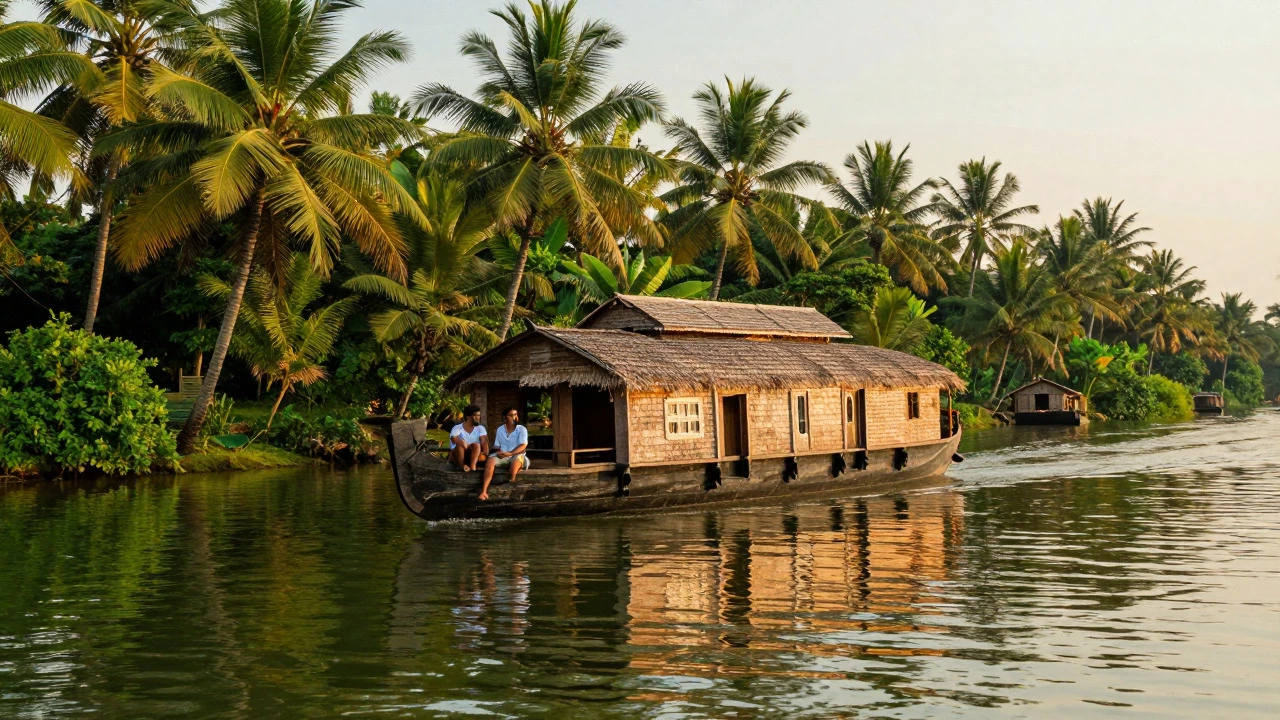
- Houseboats: Staying on a houseboat in Alleppey is iconic. Safety here is generally high, but check the condition of the boat before boarding. Reputable operators follow strict maintenance schedules. Ensure the boat has life jackets for every passenger.
- Taxis and Autos: Use ride-hailing apps like Uber or Ola in cities. They are cheaper and safer than haggling with street cabs because the fare is fixed and the driver is verified.
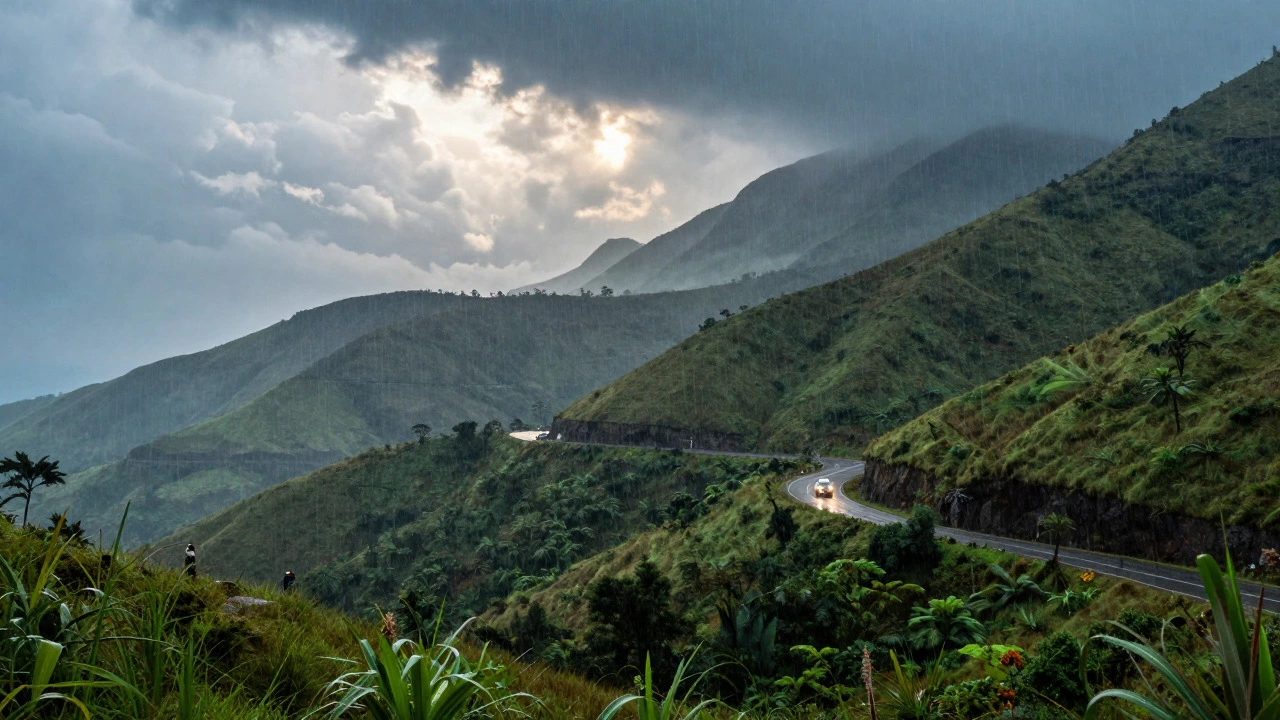
If you are driving yourself, stick to main highways. Road conditions can deteriorate quickly in hilly areas like Munnar, especially after heavy rain. Fog can reduce visibility to near zero, so drive slowly and use fog lights.
Cultural Norms and Social Safety
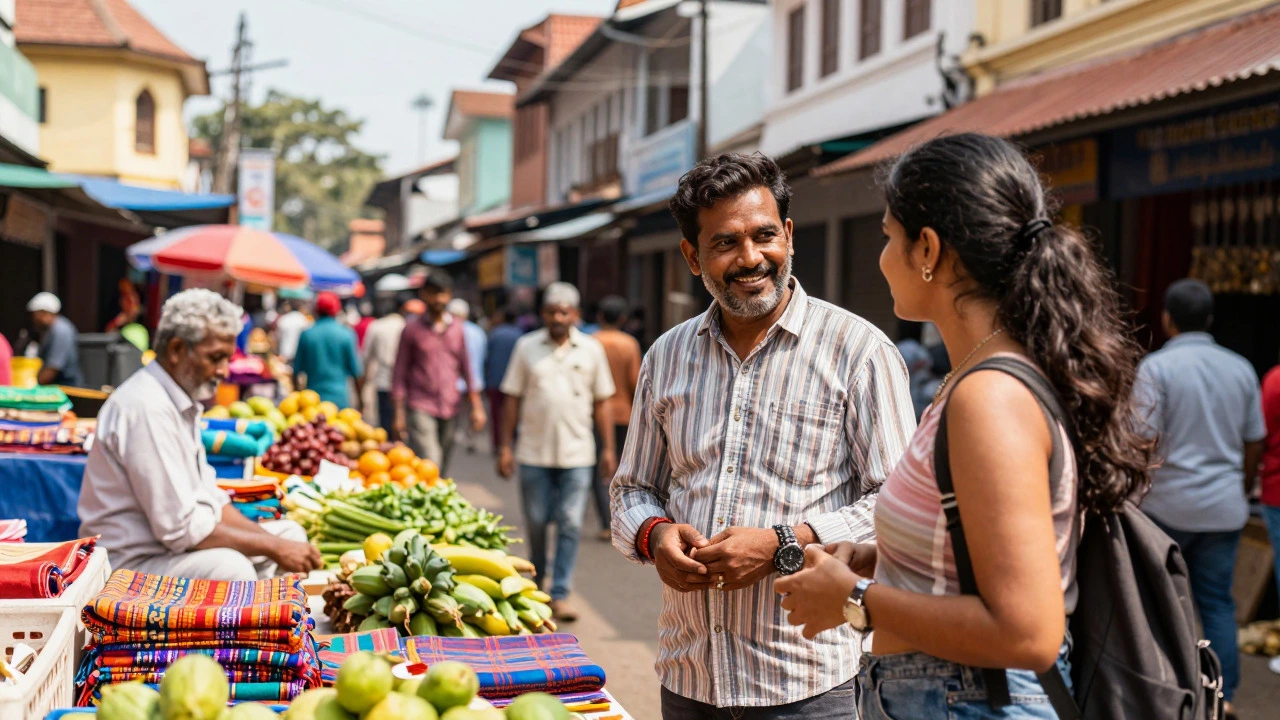
Keralites are known for their hospitality. However, respecting local customs goes a long way in keeping your trip smooth and safe. Misunderstandings are rare, but when they happen, they are usually due to cultural insensitivity rather than malice.
- Dress Code: When visiting temples, cover your shoulders and knees. Women should wear modest clothing. This isn't just a rule; it shows respect and helps you blend in, reducing unwanted attention.
- Photography: Always ask permission before photographing people, especially in rural villages or tribal areas. A simple smile and nod usually works. In some communities, photography is considered invasive if not preceded by consent.
- Alcohol: Alcohol is legal and widely available, but public drinking is frowned upon. Stick to bars, hotels, or designated liquor stores. Note that some districts have stricter regulations, so check local rules if you plan to drink heavily.
Solo female travelers report feeling very safe in Kerala. The state has a strong culture of community oversight, meaning strangers are less likely to act aggressively. That said, standard precautions apply: share your itinerary with someone back home, stay in well-reviewed accommodations, and trust your instincts.
Weather and Seasonal Risks
This is the one area where "safe" becomes conditional. Kerala experiences three distinct seasons: Summer (March-May), Monsoon (June-September), and Winter (October-February).
| Season | Safety Level | Key Risks | Best For |
|---|---|---|---|
| Winter (Oct-Feb) | High | Low humidity, pleasant weather | Beaches, trekking, general tourism |
| Summer (Mar-May) | Medium | Heat exhaustion, dust | Backpacking, budget travel |
| Monsoon (Jun-Sep) | Variable | Floods, landslides, leeches | Houseboats, tea plantations (if roads clear) |
During the monsoon, the landscape turns lush green, which is beautiful. But it also brings flash floods in low-lying areas and landslides in the Western Ghats. If you are visiting places like Wayanad or Idukki during this time, check daily road status updates. Local authorities usually issue alerts via SMS or social media. Avoid trekking during peak rainfall hours. The trails become slippery, and visibility drops sharply.
Practical Tips for a Stress-Free Trip
Here are five actionable steps to maximize your safety and enjoyment:
- Keep Digital Copies: Store digital copies of your passport, visa, and insurance policy in the cloud and on your phone. Lose your physical documents? You can replace them faster with backups.
- Learn Basic Malayalam Phrases: You don’t need fluency. Knowing "Nambude" (Thank you) and "Chayam" (Tea) earns you goodwill. Locals appreciate the effort and are more willing to help.
- Use Trusted Accommodations: Read recent reviews specifically mentioning cleanliness and security. Homestays are popular and safe, but ensure they are registered with the state tourism board.
- Stay Hydrated: Even in winter, the humidity can be deceptive. Drink plenty of water. Dehydration leads to poor decision-making, which increases accident risk.
- Emergency Numbers: Save these in your phone:
- Police: 100
- Fire: 101
- Ambulance: 108
- Tourist Police Helpline: Available in major cities, usually listed on hotel concierge desks.
Finally, keep an open mind. Things won’t always go according to plan. A delayed train or a closed road isn’t a disaster; it’s part of the experience. Flexibility is your best safety tool.
Is Kerala safe for solo female travelers?
Yes, Kerala is widely considered one of the safest states in India for solo women. The culture is respectful, and harassment rates are lower than in many other parts of the country. Just stick to well-lit areas at night and use reputable transport services like Uber or Ola.
What is the best time of year to visit Kerala safely?
The winter months from October to February offer the safest and most pleasant weather. Temperatures are mild, humidity is low, and there is no risk of monsoon-related disruptions like floods or landslides. It is ideal for beach activities and trekking.
Do I need a visa to visit Kerala?
Most international travelers need a visa to enter India. You can apply for an e-Visa online, which is valid for single or multiple entries. Processing usually takes 72 hours. Ensure your passport is valid for at least six months beyond your arrival date.
Is the food in Kerala safe for foreigners?
Generally, yes. Kerala cuisine is rich in spices and coconut, which have natural preservative properties. Start with milder dishes if you have a sensitive stomach. Eat at busy restaurants to ensure freshness, and always drink bottled water.
Are houseboats in Alleppey safe?
Yes, provided you book from a licensed operator. Check for life jackets and verify the boat's maintenance record. Most houseboats operate in calm backwaters, so seasickness is rare. Weather conditions can affect operations during heavy monsoon rains, so monitor forecasts.