Is India Expensive for Tourists? A 2026 Budget Breakdown
 Jul, 10 2026
India Trip Budget Calculator (2026)
Plan Your Daily Spending
Mid-Range TravelerEstimated Cost Breakdown
Note: This estimate covers ground spending only. International flights are not included. For a mid-range trip in 2026, expect to spend between $60–$100 per day comfortably.
You’ve seen the photos. The vibrant streets of Delhi, the serene backwaters of Kerala, the majestic Taj Mahal. But then you look at your bank account and wonder: "Can I actually afford this?" There’s a persistent myth that India is either dirt cheap or shockingly expensive depending on who you ask. The truth? It’s neither. India is one of the most affordable destinations in the world if you know where to spend and where to save. But it can easily drain your wallet if you treat it like a luxury resort destination without doing your homework.
In 2026, the cost of traveling in India depends less on the country itself and more on your style. Are you sleeping in hostels and eating street food? You’ll live like a king on $30 a day. Do you want five-star hotels, private AC transport, and fine dining? Your budget will triple. This guide breaks down exactly what things cost so you can plan a trip that fits your finances, not just your dreams.
The Big Picture: Daily Budget Tiers
To understand if India is expensive, we need to look at daily spending. Most travelers fall into one of three categories. Knowing which one you are helps set realistic expectations.
- The Backpacker ($25-$40 per day): You stay in hostels or guesthouses, eat local thalis (platter meals), use public buses and trains, and do free walking tours. This is the classic "cheap India" experience.
- The Mid-Range Traveler ($60-$100 per day): You book private rooms in boutique hotels, take Uber/Ola rides instead of haggling with rickshaws, eat at nice mid-range restaurants, and pay for guided tours. This offers comfort without breaking the bank.
- The Luxury Traveler ($150+ per day): You stay in heritage palaces or five-star chains, fly between cities, hire private drivers, and dine at top-rated restaurants. India has some of the best luxury experiences in the world, but they come at a premium.
For most international tourists, the mid-range tier feels surprisingly affordable compared to Europe or North America. Even the "expensive" options in India often cost half of what you’d pay in London or New York.
Accommodation: Where You Sleep Matters Most
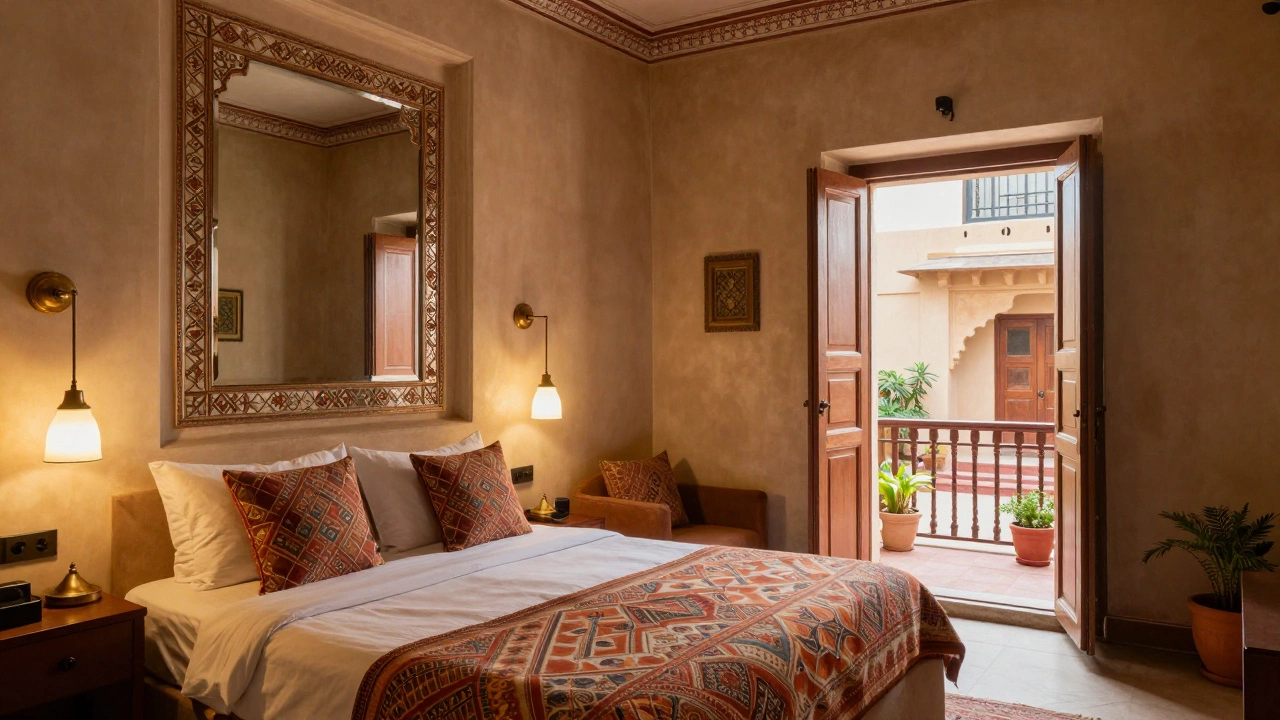
Your biggest variable cost is where you sleep. Prices vary wildly by region. Cities like Mumbai, Delhi, and Goa are pricier. Smaller towns in Rajasthan or Uttar Pradesh offer incredible value.
| Type | Price Range (USD) | What to Expect |
|---|---|---|
| Hostel Bed | $5 - $12 | Dorms in major hubs like Delhi, Jaipur, Goa. Clean, social, basic amenities. |
| Budget Guesthouse | $15 - $25 | Private room, fan/AC, shared bathroom sometimes. Common in hill stations and small towns. |
| Mid-Range Hotel | $30 - $60 | 3-star standard, AC, private bath, breakfast included. Reliable quality. |
| Luxury/Heritage | $100 - $300+ | Palace hotels, Taj Group properties, boutique resorts. High service level. |
Pro tip: Booking directly with smaller guesthouses via WhatsApp or phone can sometimes yield better rates than international booking sites, especially in rural areas. However, for peace of mind and easy cancellation, stick to reputable platforms for your first few nights.
Food & Drink: Eat Like a Local, Save Big
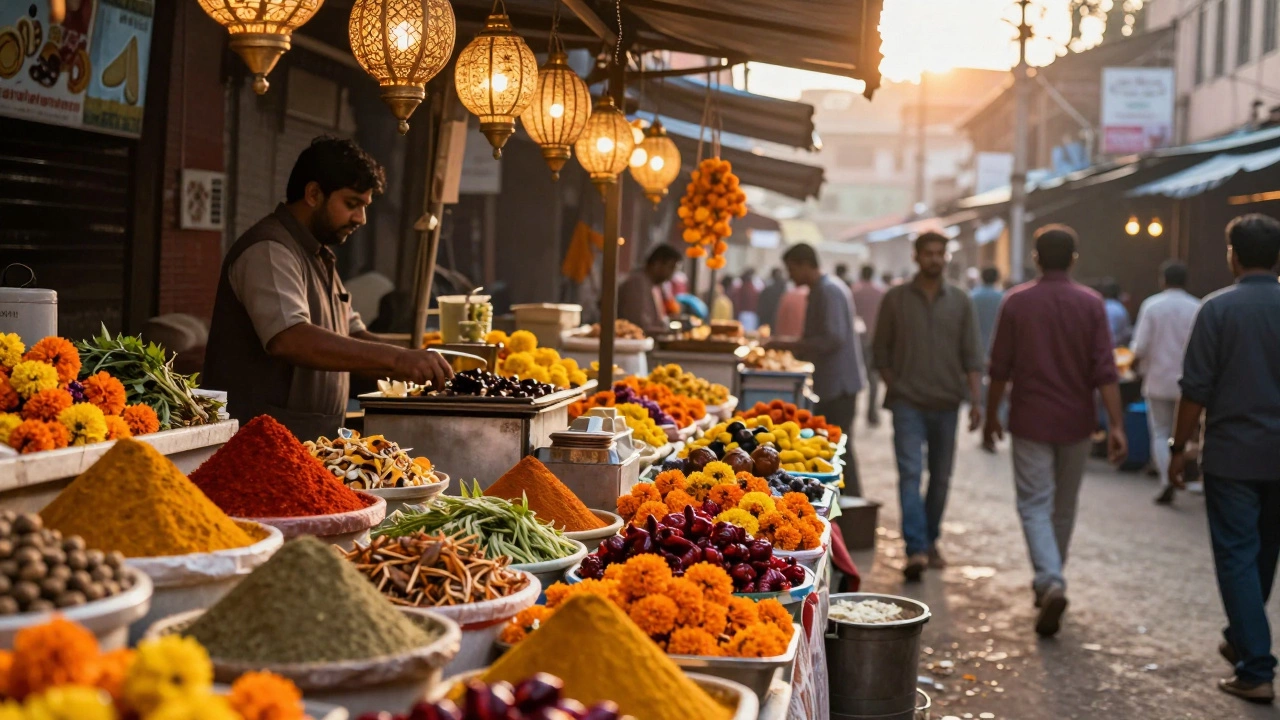
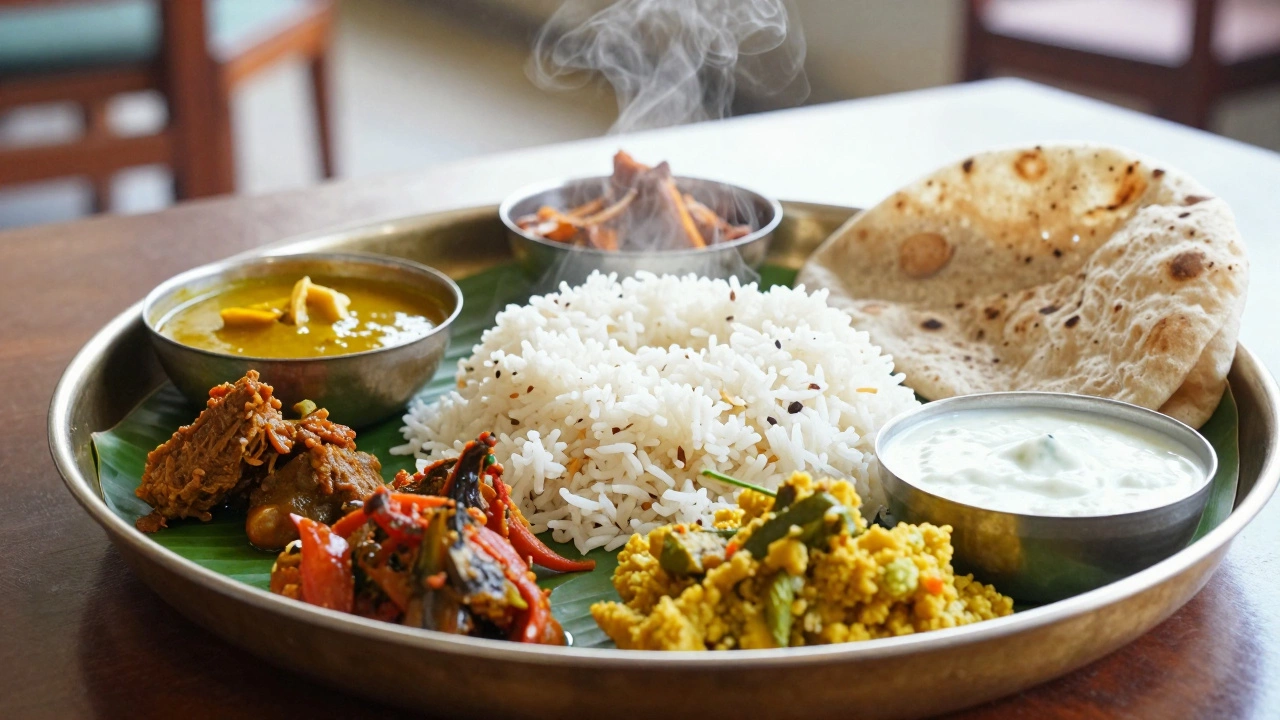
Food is where India shines as a budget destination. Street food is legendary, safe (if you choose wisely), and incredibly cheap. A plate of chaat (savory snack) might cost you $0.50. A full meal at a local dhaba (roadside restaurant) runs about $2-$4.
If you prefer sit-down restaurants, prices rise but remain low globally. A three-course meal with drinks at a decent mid-range restaurant costs around $8-$15 per person. Alcohol, however, is taxed heavily. Beer can cost $3-$5, and wine starts at $10+. If you’re a big drinker, factor this in; it’s one of the few areas where India isn’t "cheap."
Water safety is non-negotiable. Never tap water. Buy bottled water ($0.20-$0.50) or use a filter bottle. This small expense prevents costly medical bills later.
Transportation: Getting Around Without Breaking the Bank
India’s transportation network is vast. You have options for every budget:
- Railways: Indian Railways is the backbone of travel. Sleeper class tickets between major cities cost $5-$15. Air-conditioned coaches (3AC/2AC) run $20-$50. Book online early via IRCTC to avoid scams.
- Buses: State-run and private buses are cheaper than trains for short distances. Overnight Volvo AC buses are comfortable and cost $10-$20 for long hauls.
- Domestic Flights: For long distances (e.g., Delhi to Kochi), flights can be surprisingly cheap-often under $50 if booked in advance. Check IndiGo, Air India, and SpiceJet.
- Rickshaws & Autos: Auto-rickshaws charge by meter, but many drivers refuse to use it. Agree on a price upfront or use ride-hailing apps like Ola and Uber in cities. They’re transparent and fair.
Avoid unlicensed taxis near airports and train stations. They will overcharge you significantly. Stick to app-based cabs or pre-paid taxi counters available at terminals.
Activities & Entry Fees: Hidden Costs?
Many people forget that attractions cost money. The Taj Mahal entry fee for foreign tourists is around $17. Other forts, museums, and temples range from $1 to $10. These add up quickly if you visit multiple sites daily.
Guided tours vary widely. A generic group tour might cost $20-$30 per day. Private guides are more expensive ($50-$100/day) but offer deeper insights and flexibility. Consider hiring a guide only for complex historical sites like Amber Fort or Khajuraho temples.
Adventure activities like trekking in Himachal Pradesh or scuba diving in Andaman Islands have higher costs due to equipment and permits. Budget an extra $50-$150 for such specialized experiences.
Visa & Administrative Costs
Don’t overlook the e-Visa fee. As of 2026, the Indian e-Tourist Visa costs between $25 and $80 depending on duration and nationality. This is a fixed cost you must pay before arrival. Ensure your passport is valid for at least six months beyond your entry date.
Travel insurance is highly recommended. Medical care in India is affordable, but evacuation or serious treatment can be costly. A comprehensive policy costs around $100-$150 for a two-week trip.
Regional Differences: Where Is It Cheapest?
Not all of India is priced equally. Northern states like Rajasthan and Uttar Pradesh tend to be cheaper for accommodation and food. Southern states like Kerala and Tamil Nadu offer good value but can be slightly pricier in tourist hotspots like Munnar or Ooty.
Goa is unique. While beach shacks are cheap, luxury resorts dominate the north coast. In South Goa, you can find mid-range stays for $30-$50. Avoid peak season (December-January) if you want lower prices.
Hill stations like Manali and Shimla see inflated prices during summer and winter holidays. Visit in shoulder seasons (April-May, September-October) for better deals.
Money Tips: How to Stretch Your Rupees
Currency exchange matters. Avoid exchanging money at airports or hotels. Use ATMs linked to major banks (HDFC, ICICI, SBI) for the best rates. Withdraw larger amounts less frequently to minimize fees.
Carry cash. Small vendors, auto drivers, and local markets don’t accept cards. Digital payments (UPI) are common among locals but rarely work for foreigners. Keep small denominations handy.
Haggle respectfully. In markets and for tuk-tuks, bargaining is expected. Start at 50% of the quoted price and meet somewhere in the middle. Don’t haggle in malls or fixed-price stores.
Is India really cheap for tourists in 2026?
Yes, India remains one of the most affordable travel destinations globally. While inflation has raised prices slightly, daily costs for food, lodging, and transport are still a fraction of Western countries. A traveler can comfortably explore India on $40-$60 per day with decent comfort.
What is the biggest expense for tourists in India?
Accommodation and domestic flights are typically the largest costs. Luxury hotels and last-minute flight bookings can skyrocket expenses. To save, book accommodations in advance and use trains or buses for intercity travel.
Are there hidden costs I should watch out for?
Entry fees for monuments, tips for guides/drivers, and alcohol can add up unexpectedly. Also, beware of overcharging by unauthorized taxi drivers. Always confirm prices before services and use app-based transport where possible.
Which part of India is the cheapest to visit?
Northern India, particularly Rajasthan and Uttar Pradesh outside major tourist circuits, offers the lowest costs for food and lodging. Varanasi, Jaisalmer, and smaller towns in Madhya Pradesh are also very budget-friendly.
Do I need to carry a lot of cash in India?
Yes, cash is king in India, especially for small purchases, street food, and local transport. While credit cards work in hotels and large stores, many small businesses and rural areas operate on cash only. Withdraw INR from ATMs for the best exchange rate.