Is India Cheap to Travel To? A Realistic Budget Guide
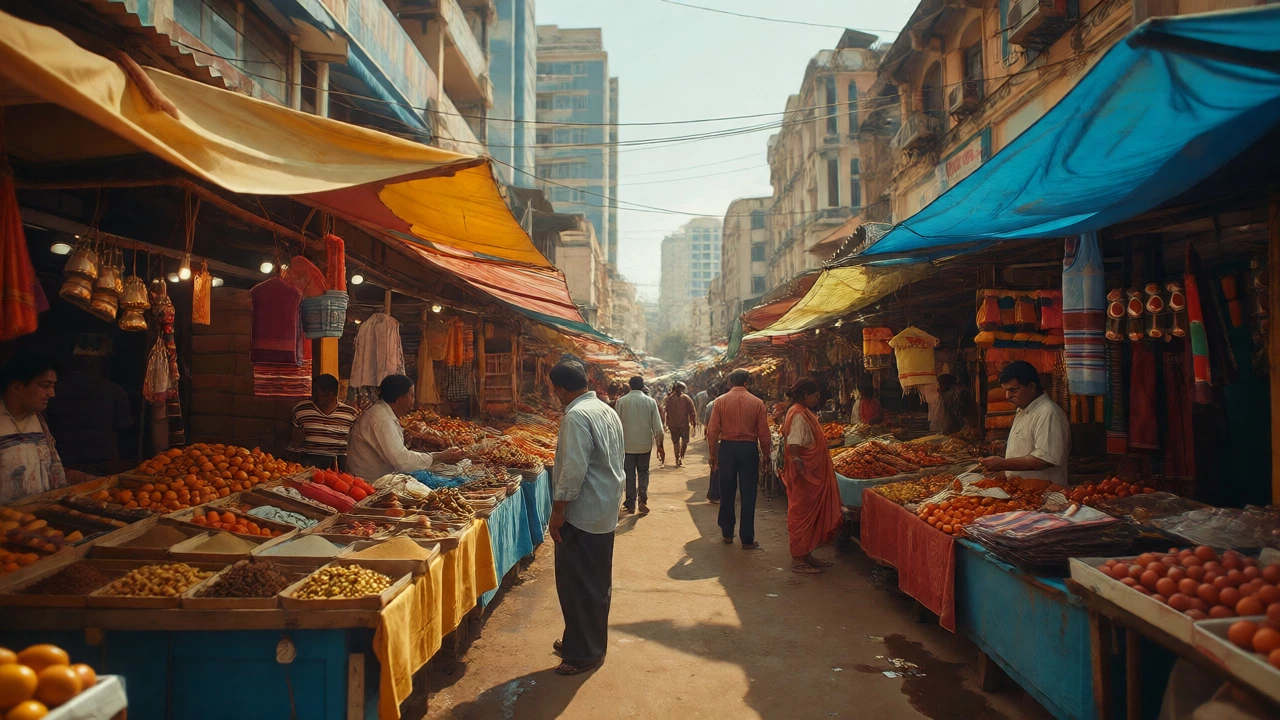 Oct, 13 2026
South India Travel Budget Estimator
Plan your trip realistically. Adjust the sliders to match your preferred travel style in South India.
Trip Details
$0
*Excludes international flights and visa fees.
You land in Delhi or Mumbai, and the first thing you notice isn't just the heat or the chaos-it's the sheer volume of options for every single rupee. The short answer to "Is India cheap to travel to?" is yes, but with a massive asterisk. It’s not cheap because everything is low-quality; it’s cheap because the cost of labor and local goods is significantly lower than in North America or Europe. But here’s the trap: if you try to replicate your home comfort levels exactly-air-conditioned taxis everywhere, Western-style breakfasts, and five-star hotel chains-you will burn through cash faster than you expect.
Think of India as a spectrum. On one end, you have the backpacker economy, where you can survive on $20-$30 USD a day. On the other, you have the luxury tourism sector, which rivals prices in New York or London. The magic happens in the middle, where you get authentic experiences without breaking the bank. Since you’re likely eyeing South India given its reputation for being slightly more affordable and organized than some northern hubs, let’s break down what your wallet actually looks like there.
The Daily Burn Rate: What You Actually Pay
Let’s cut through the noise. In 2026, exchange rates fluctuate, but the general rule of thumb remains stable: 1 US Dollar buys you roughly 83-84 Indian Rupees (INR). This makes imported electronics expensive, but local services incredibly cheap. If you are staying in hostels or budget guesthouses, eating at local cafes, and using public transport, your daily spend in cities like Chennai or Bangalore hovers around ₹1,500-₹2,500 INR ($18-$30 USD).
But "cheap" is relative. A coffee at a trendy Bangalore cafe might cost ₹250 ($3), which feels normal to a local earning an average salary, but adds up quickly if you drink three a day. Meanwhile, a full meal at a traditional mess (a communal dining hall) might cost ₹80 ($1). The key to keeping costs low isn’t just picking cheap places; it’s understanding the dual pricing structures that sometimes exist for tourists versus locals, though this is less aggressive in South India than in places like Rajasthan.
| Travel Style | Accommodation/Night | Food/Day | Transport/Day | Total Daily (USD) |
|---|---|---|---|---|
| Backpacker | $5-$10 | $5-$8 | $2-$5 | $12-$23 |
| Mid-Range | $25-$50 | $15-$25 | $10-$20 | $50-$95 |
| Luxury | $100+ | $50+ | $50+ | $200+ |
Where Your Money Goes: Accommodation and Food
Accommodation is where most travelers save big. In Hampi, a UNESCO World Heritage site in Karnataka, you can find clean, fan-cooled rooms with hot water for $8-$12 a night. These aren’t dump holes; many are run by families who take pride in hospitality. Compare this to a similar quality room in Vancouver, where you’d pay triple that amount before tax. If you opt for air conditioning-a non-negotiable for many during the humid months-add about $10-$15 to your nightly rate.
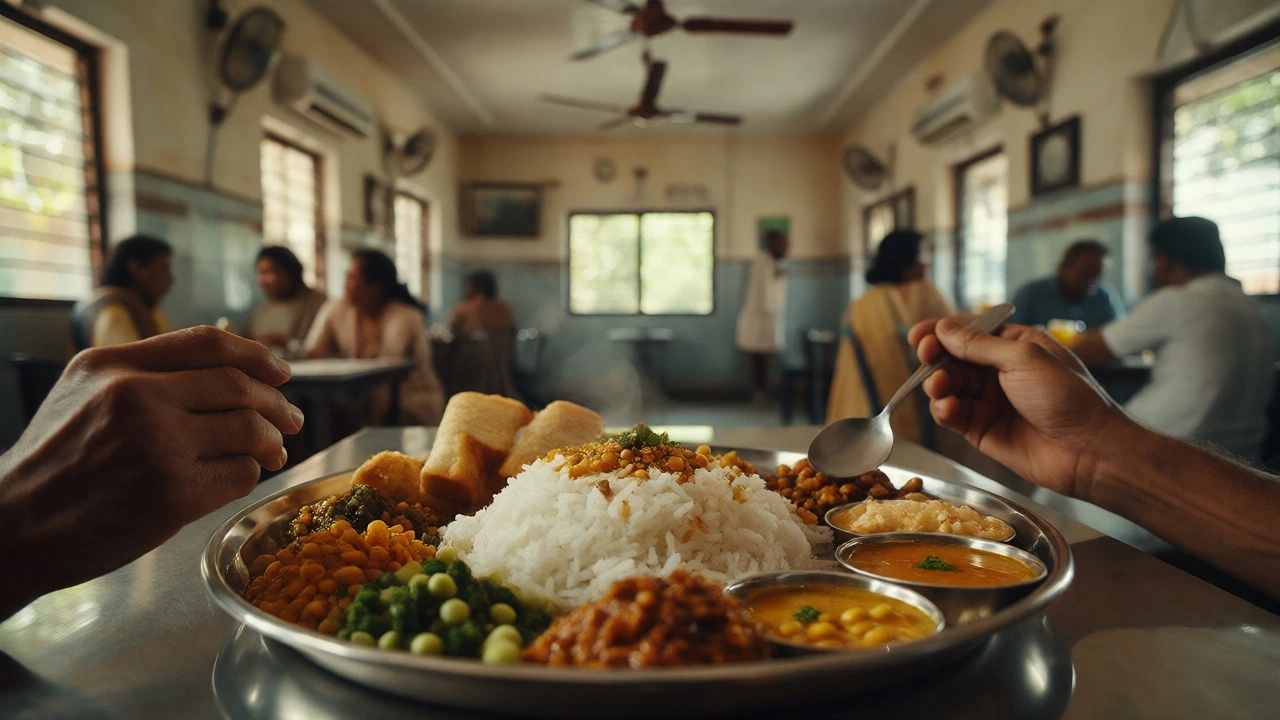
Food is arguably the best value proposition in India. You don’t need to eat street food to save money. Local vegetarian restaurants serve unlimited thalis (platters) for $2-$4. These meals include rice, lentils, vegetables, bread, and dessert. They are filling, nutritious, and hygienic if you choose busy establishments. However, if you crave Western comforts-pizza, pasta, or craft beer-prices jump significantly. A pizza in Goa or Pondicherry might cost $8-$12, comparable to back home. Alcohol is also heavily taxed in some states, making beer surprisingly pricey compared to food.
Getting Around: Trains vs. Flights vs. Auto-Rickshaws
Transportation strategy dictates your budget more than anything else. India has a vast railway network managed by Indian Railways. Sleeper class tickets between major cities like Chennai and Madurai cost under $5. AC classes range from $10-$25 depending on distance and train type (like the Shatabdi Express). Booking early via apps like IRCTC or third-party aggregators saves money and hassle.
For shorter hops, auto-rickshaws are king. Always negotiate the price before getting in, or insist on the meter if available. A 10-minute ride should cost ₹50-₹100 ($0.60-$1.20). Apps like Uber and Ola work well in cities, offering fixed prices that prevent haggling stress. For longer distances within South India, buses are comfortable and cheap, often costing half of train fares for similar routes, especially on highways connecting Kerala and Tamil Nadu.
Flights are convenient but rarely "cheap" unless booked weeks in advance. Domestic flights between Bangalore and Kochi might drop to $40-$60 if planned ahead, but last-minute bookings can hit $150+. If you have time, the train offers a scenic, culturally immersive experience that no flight can match-and it keeps more cash in your pocket.
The Hidden Costs: Experiences and Tips
Here’s where budgets often blow up. Entry fees to heritage sites, museums, and national parks vary. Foreigners often pay higher entry fees than Indian citizens. For example, entering the Brihadisvara Temple complex in Thanjavur might be free or nominal for locals, but foreign visitors pay a separate fee. Similarly, wildlife sanctuaries like Periyar in Kerala charge significant fees for jeep safaris ($20-$40 per person).
Tipping culture is different too. While not mandatory like in the US, rounding up bills or leaving 5-10% for good service in mid-range restaurants is appreciated. For tour guides and drivers, a tip of $5-$10 per day is standard. Don’t forget visa costs. The e-Visa for most countries ranges from $25-$100 depending on nationality and duration, payable online before arrival. Factor this into your initial trip cost.
South India Specifics: Why It’s a Smart Choice
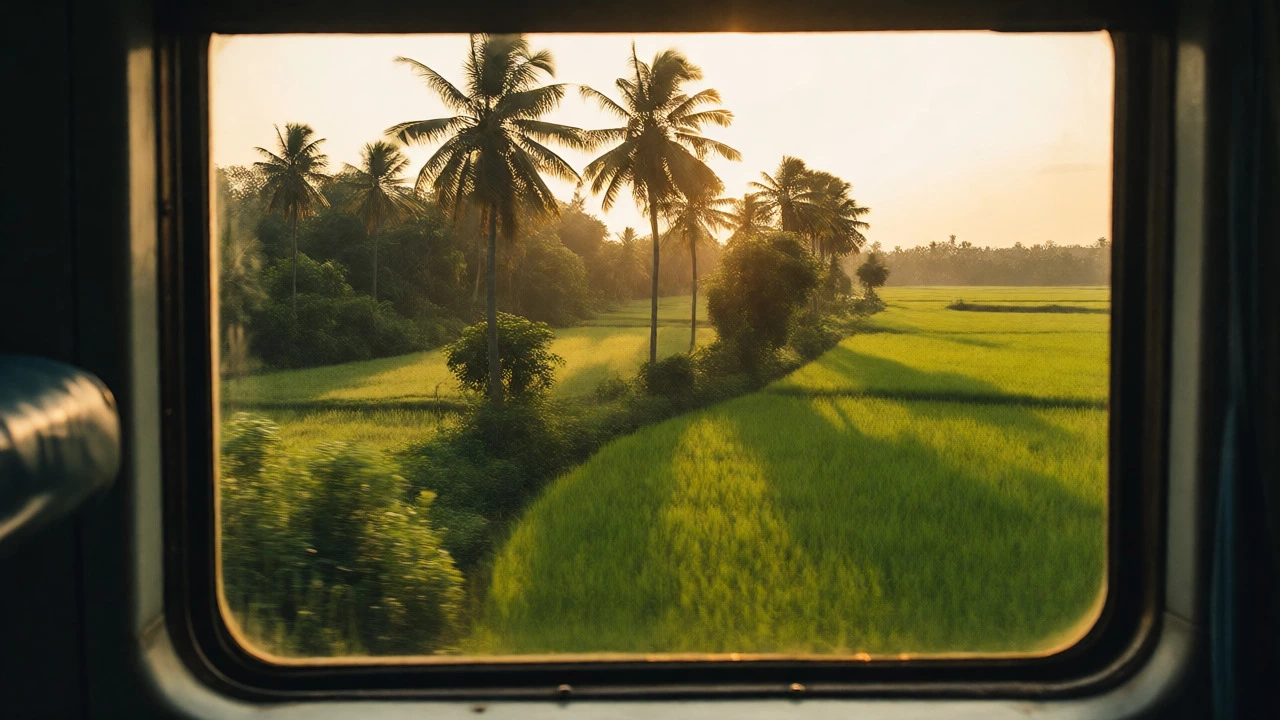
If you’re wondering why South India is highlighted here, it’s because states like Kerala, Tamil Nadu, and Karnataka offer a balance of infrastructure and affordability. Kerala, known as "God's Own Country," has high literacy rates and better healthcare facilities, which translates to safer travel conditions. Houseboat stays in Alleppey start at $40-$60 per night, including meals-a bargain compared to similar all-inclusive resorts elsewhere.
Karnataka offers tech-hub efficiency in Bangalore, meaning reliable internet and modern amenities, while rural areas remain deeply traditional and cheap. Tamil Nadu provides spiritual depth with temples that are often free to enter, allowing you to fill days with cultural exploration at zero cost. The climate can be hot, so budget for cooling costs (AC rooms, cold drinks), but the overall value for money remains high.
How to Stretch Your Rupee Further
- Eat where locals eat: Avoid tourist-heavy zones for dinner. Walk two blocks away, and prices drop by 30%.
- Use public transport: Metro systems in Chennai, Bangalore, and Hyderabad are efficient and cost cents per ride.
- Book trains early: Use the IRCTC app to secure lower-class tickets before they sell out or surge in price.
- Negotiate respectfully: In markets, start at 50% of the asking price and meet in the middle. It’s part of the game.
- Stay connected locally: Buy a local SIM card (Airtel or Jio) for data. International roaming plans drain funds fast.
Is India cheap? Yes, if you engage with the local rhythm. If you demand isolation and Western standards at every turn, it becomes expensive. But for those willing to adapt, the country offers incredible value-rich history, vibrant culture, and delicious food for a fraction of what you’d spend in Europe or North America.
Is India safe for solo female travelers?
Yes, particularly in South India, which generally reports higher safety indices for women compared to some northern regions. Dress modestly, avoid isolated areas at night, and use reputable transport apps like Uber or Ola to enhance security.
Do I need to carry cash in India?
While digital payments via UPI (Unified Payments Interface) are ubiquitous even in small shops, carrying cash is essential for rural areas, smaller rickshaws, and tipping. ATMs are widely available, but notify your bank before traveling to avoid card blocks.
What is the best time to visit South India?
The ideal window is October to March when the weather is cooler and drier. Summer months (April-June) are extremely hot, and monsoon season (July-September) brings heavy rains, which can disrupt travel plans but offer lush landscapes and fewer crowds.
Are credit cards accepted everywhere?
Not everywhere. Major hotels, malls, and upscale restaurants accept Visa and Mastercard. Small eateries, local markets, and auto-rickshaws usually require cash or local digital payments like Paytm or PhonePe, which may not link to international cards easily.
How much should I budget for a week in South India?
For a comfortable mid-range trip, budget $350-$700 USD per person for seven days, excluding flights. This covers decent hotels, regular meals, domestic transport, and entry fees. Backpackers can do it for under $200, while luxury travelers may spend $1,500+.