Is India an Expensive Country to Visit? A Realistic Budget Breakdown for 2026
 Jul, 3 2026
India Travel Budget Estimator (2026)
Customize Your Trip
Estimated Budget
Total Estimated Cost
for 7 days
Daily Breakdown
You’ve probably heard the stories. Some travelers claim they lived like kings in India is a South Asian country known for its diverse landscapes, rich history, and incredibly low cost of living compared to Western nations. It spans from the Himalayas in the north to tropical beaches in the south. for $20 a day. Others warn that prices have skyrocketed and you’ll need at least $150 daily to survive comfortably. The truth? It depends entirely on how you define “expensive” and what kind of traveler you are.
If you’re coming from North America or Europe, India will feel shockingly affordable. If you’re comparing it to neighboring countries like Nepal or Vietnam, it might seem pricey in certain areas. This guide cuts through the noise. We’ll break down exactly where your money goes, where you can save big, and how to plan a trip that doesn’t bankrupt you-whether you’re backpacking hostels or staying in mid-range hotels.
The Short Answer: No, But With Caveats
For most international tourists, India is not an expensive country to visit. In fact, it remains one of the most budget-friendly destinations in Asia. Your money stretches significantly further here than in Japan, Thailand, or even Southeast Asia’s more developed hubs. However, "cheap" is relative. While street food costs pennies, luxury experiences and imported goods carry a premium. The key is understanding the structure of costs so you don’t get blindsided by hidden fees or tourist traps.
To give you a realistic baseline, let’s look at average daily budgets for different travel styles in 2026:
- Budget Backpacker: $25-$40 per day (hostels, local transport, street food)
- Moderate Traveler: $50-$80 per day (mid-range hotels, domestic flights, mix of restaurants and street food)
- Comfort/Luxury: $100-$200+ per day (boutique hotels, private drivers, fine dining)
These numbers include accommodation, food, local transport, and minor attractions. They do not include international flights or major excursions like tiger safaris or high-altitude treks, which we’ll cover later.
Where Your Money Goes: Breaking Down Daily Costs
Understanding the components of your budget helps you make smarter choices. Let’s dissect the four main expense categories: accommodation, food, transport, and activities.
Accmodation: From Dorms to Palaces
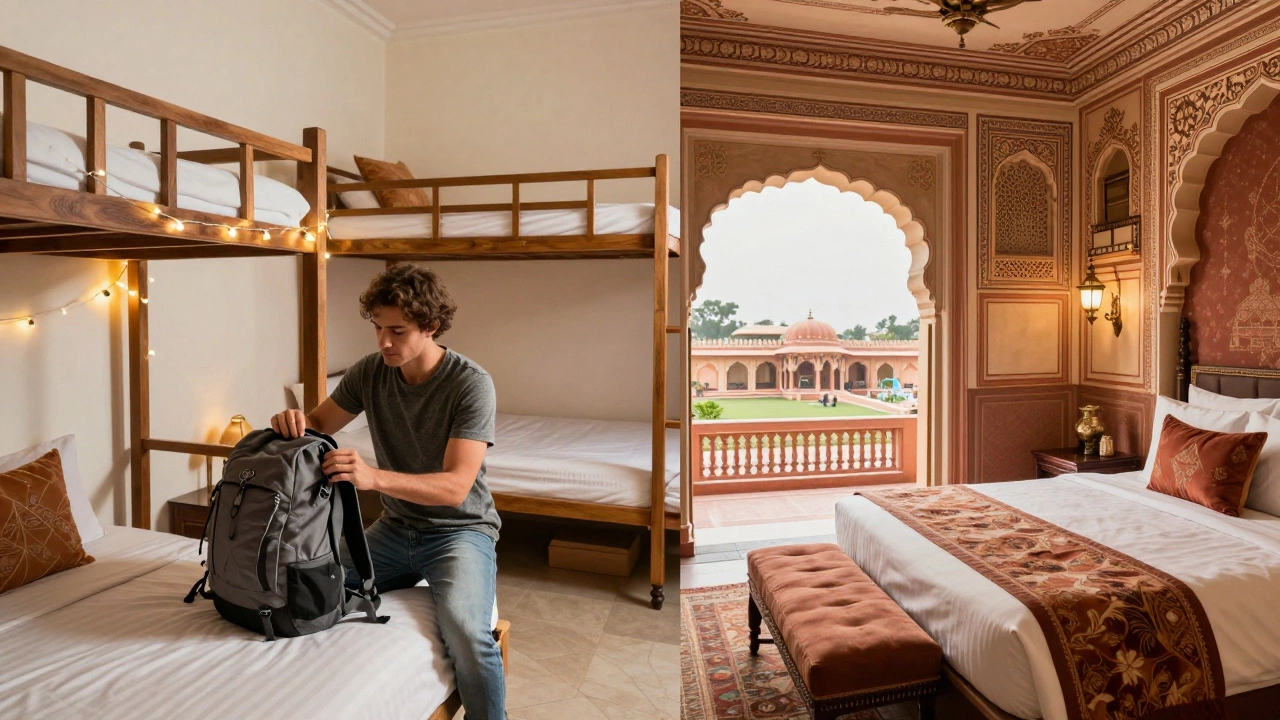
Accommodation is usually your biggest fixed cost. India offers an incredible range of options. You can find clean, safe hostel dorms in cities like Delhi, Mumbai, and Goa for as little as $5-$8 per night. These often include free Wi-Fi, lockers, and sometimes breakfast.
Mid-range hotels and guesthouses typically run $20-$40 per night. In popular tourist circuits like Rajasthan or Kerala, these properties often feature traditional architecture, air conditioning, and attached bathrooms. For luxury seekers, heritage hotels converted from royal palaces start around $100-$150 per night but offer world-class service and unique cultural immersion.
| City | Hostel Dorm ($) | Mid-Range Hotel ($) | Luxury Hotel ($) |
|---|---|---|---|
| New Delhi | 6-10 | 25-45 | 120+ |
| Mumbai | 8-12 | 30-50 | 150+ |
| Jaipur | 5-9 | 20-35 | 100+ |
| Kerala (Munnar) | 7-11 | 25-40 | 130+ |
| Goa | 6-10 | 20-35 | 110+ |
Food: Eat Like a Local, Save Big
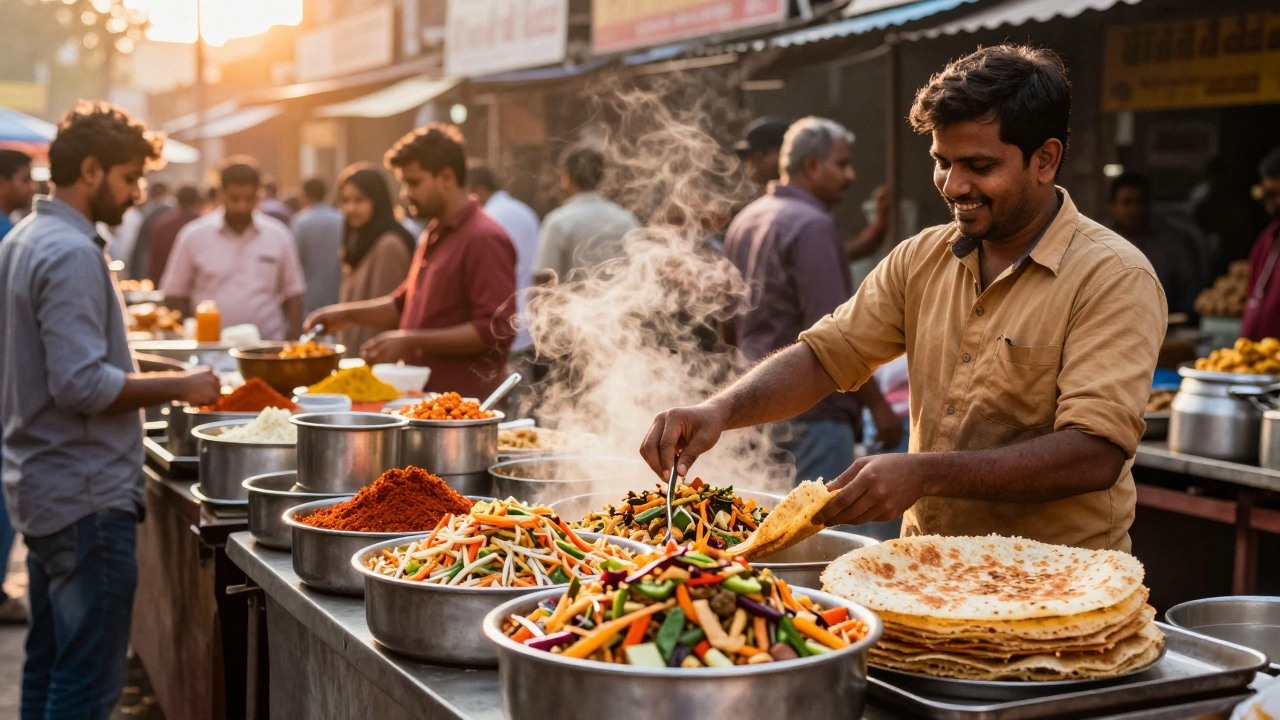
Food is where India shines brightest for budget travelers. A hearty meal at a local eatery costs $1-$3. Street food icons like chaat, dosas, and vada pav are delicious, hygienic (if you choose busy stalls), and cost under $1 each. Even modest restaurant meals rarely exceed $5.
Western-style cafes and international cuisine are available in major cities but come with a markup. A coffee and sandwich in Mumbai or Bangalore might set you back $5-$8. Alcohol is heavily taxed in India, so beer and wine can be surprisingly expensive-often double what you’d pay in Europe. If you drink, expect to spend $3-$6 per beer in bars.
Transport: Trains, Buses, and Flights
Getting around India is affordable if you plan ahead. Long-distance buses are the cheapest option, costing $2-$5 for overnight journeys between cities. Sleeper buses offer decent comfort for long hauls.
The Indian Railways network is vast and efficient. Second Sitting tickets cost just a few dollars, while AC Chair Car and Executive Class provide air-conditioned comfort for $10-$30 on routes up to 500 km. Booking online via IRCTC is essential to avoid scams and ensure seat availability.
Domestic flights have become cheaper due to competition among airlines like IndiGo, SpiceJet, and Air India Express. Routes like Delhi-Mumbai or Bangalore-Chennai can be found for $30-$60 if booked 2-3 weeks in advance. Last-minute bookings can spike prices to $100+, so flexibility is key.
Activities and Sightseeing
Entry fees to historical sites vary. The Taj Mahal charges approximately $17 for foreign tourists, while many temples and mosques are free or ask for small donations. Guided tours add cost but enhance understanding. A half-day guided tour in Varanasi or Jaipur might cost $15-$25 per person.
Adventure activities like white-water rafting in Rishikesh or scuba diving in Andaman Islands are priced competitively globally. Rafting runs about $20-$30, while diving packages start around $80-$100 for beginners.
Hidden Costs That Catch Tourists Off Guard
Even savvy travelers stumble over unexpected expenses. Here’s what to watch out for:
- Tipping Culture: Tipping isn’t mandatory but expected. Leave 10% at restaurants unless service charge is included. Tip porters $1-$2 per bag and guides $5-$10 per day.
- Water Bottles: Tap water isn’t safe. Buy bottled water ($0.30-$0.50) or use purification tablets. Carry a reusable bottle with a filter to reduce plastic waste and cost.
- Auto-Rickshaw Scams: Drivers often quote inflated prices. Use apps like Ola or Uber where available, or insist on using the meter. Negotiate fares before getting in if meters aren’t used.
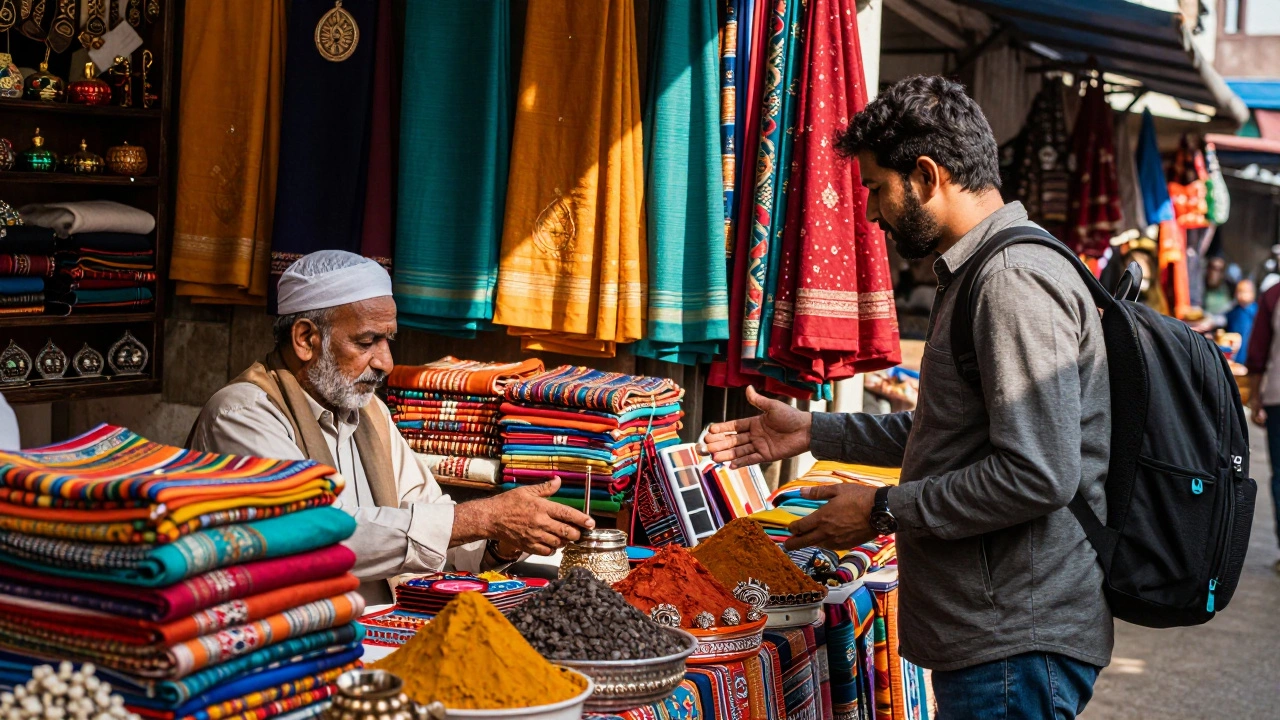
- Souvenir Shopping: Markets are great for bargains, but haggling is part of the process. Start at 40-50% of the asking price and negotiate down. Be wary of fake antiques or jewelry.
- Visa Fees: The e-Visa for most nationalities costs $25-$80 depending on duration and type. Apply early to avoid rush-hour delays.
Regional Price Variations: Where Is Cheapest?
India is huge, and costs vary wildly by region. Northern states like Rajasthan and Uttar Pradesh tend to be slightly more expensive due to higher tourism density. Southern states like Kerala and Tamil Nadu offer similar quality at lower prices. Northeastern regions like Meghalaya and Sikkim are remote and require permits, making logistics pricier.
Goa, once a backpacker paradise, has seen rising prices, especially during peak season (December-February). Consider visiting in shoulder months (March-May) for better deals. Similarly, Himachal Pradesh and Uttarakhand see price surges during summer trekking seasons.
For the absolute lowest costs, explore lesser-known towns in Madhya Pradesh, Odisha, or Karnataka. You’ll find authentic culture, fewer crowds, and prices that haven’t been inflated by mass tourism.
How to Stretch Your Budget Further
Want to maximize value? Try these proven strategies:
- Travel Off-Season: Avoid December-January and major festivals like Diwali. Prices drop 30-50%, and attractions are less crowded.
- Use Public Transport: Skip private cabs when possible. Metro systems in Delhi, Mumbai, and Bangalore are clean, fast, and dirt-cheap.
- Eat Where Locals Eat: Look for bustling roadside stalls with high turnover. Freshly cooked food is safer and tastier than quiet, tourist-targeted restaurants.
- Book Accommodation Directly: Sometimes booking directly with hotels yields better rates than third-party platforms. Ask for discounts for longer stays.
- Leverage Student Discounts: If applicable, carry an ISIC card. Many museums, trains, and attractions offer reduced entry for students.
Comparing India to Other Asian Destinations
How does India stack up against other popular Asian travel spots? Let’s compare daily costs for a moderate traveler:
| Country | Avg. Daily Cost ($) | Meal Cost ($) | Hotel Night ($) |
|---|---|---|---|
| India | 50-80 | 2-5 | 20-40 |
| Vietnam | 40-70 | 1-4 | 15-35 |
| Thailand | 60-100 | 3-7 | 25-50 |
| Nepal | 30-60 | 1-3 | 10-30 |
| Japan | 100-150+ | 8-15 | 60-100+ |
As you can see, India sits comfortably in the mid-low range. It’s slightly more expensive than Nepal and Vietnam but far cheaper than Thailand and vastly more affordable than Japan. The trade-off? India offers unparalleled diversity in culture, geography, and history within a single country.
Final Thoughts: Value Over Price
Is India an expensive country to visit? Absolutely not-if you approach it with the right mindset. Yes, some aspects like alcohol, imported cosmetics, and luxury hotels carry premiums. But for the core experience-exploring ancient ruins, tasting vibrant cuisines, riding colorful trains, and connecting with warm locals-the cost-to-value ratio is unbeatable.
Your budget determines your comfort level, not your access to wonder. Whether you’re sleeping in a $6 hostel dorm or a $120 palace suite, India rewards curiosity and adaptability. Plan wisely, stay flexible, and embrace the chaos. You’ll leave with memories that cost far less than their worth.
How much money do I need for a 1-week trip to India?
For a comfortable week-long trip covering 2-3 cities, budget $350-$560 total. This covers mid-range accommodation, meals, local transport, and entry fees. Add $100-$200 if you plan domestic flights or guided tours.
Is it safe to drink tap water in India?
No. Tap water is not safe for drinking. Always consume bottled or purified water. Avoid ice cubes in drinks unless you’re sure they’re made from filtered water. Carry oral rehydration salts just in case.
What is the best time to visit India on a budget?
The post-monsoon months of October-November offer pleasant weather and lower prices after the peak season ends. Alternatively, March-April (pre-summer) sees fewer tourists and discounted hotel rates, though temperatures rise.
Do I need to tip everywhere in India?
Tipping is appreciated but not legally required. At restaurants, leave 10% if service isn’t included. For taxi drivers, round up the fare. Porters and guides expect $1-$5 depending on service duration. Small amounts go a long way.
Can I use credit cards everywhere in India?
Credit cards work in urban areas, hotels, and larger stores. Rural regions and small vendors prefer cash. Always carry enough Indian Rupees (INR) for daily expenses. ATMs are widespread but may charge withdrawal fees.
Are there any hidden taxes I should know about?
Goods and Services Tax (GST) is included in most displayed prices. However, some hotels add a 18% GST plus 10% service charge separately. Always check final bills before paying. Entry tickets to monuments also include GST.
Is bargaining acceptable in Indian markets?
Yes, bargaining is expected in bazaars, street markets, and with auto-rickshaws without meters. Start at 40-50% of the quoted price and negotiate politely. Fixed-price stores (like malls or branded shops) do not allow haggling.
What vaccinations are recommended before traveling to India?
Consult your doctor 4-6 weeks before departure. Recommended vaccines include Hepatitis A, Typhoid, and Tetanus. Malaria prophylaxis may be advised for rural areas. Ensure routine vaccines (MMR, DPT) are up to date.