Is Hinduism the Oldest Religion? A Guide to Ancient Faiths and Temple Tours in India
 Jun, 5 2026
Ancient Faiths Explorer & Temple Tour Planner
c. 2300 BCE
Indus Valley Civilization
Archaeologists find seals depicting figures resembling Shiva in yogic poses, suggesting early spiritual practices.
c. 2000–1500 BCE
Judaism Emerges
The oldest monotheistic religion establishes its covenant between God and Abraham.
c. 1500 BCE
Vedic Period Begins
The Vedas—ancient texts forming the foundation of Hindu philosophy—are composed and passed down orally.
c. 1500–1000 BCE
Zoroastrianism Founded
Prophet Zoroaster introduces ideas of heaven, hell, and final judgment in ancient Persia.
c. 563–483 BCE
Buddhism Founded
Siddhartha Gautama (the Buddha) develops distinct teachings while sharing concepts like karma with Hinduism.
7th Century CE
Shore Temple Built
One of the oldest structural stone temples in South India is constructed in Mahabalipuram by the Pallava dynasty.
950–1050 CE
Khajuraho Temples Constructed
The Chandela dynasty builds temples representing a perfect balance of Shaivism, Vaishnavism, and Shaktism.
12th Century CE
Angkor Wat Completed
King Suryavarman II completes the largest religious structure in the world, originally dedicated to Vishnu.
15th Century CE
Sikhism Founded
The youngest major Indian religion emerges, drawing heavily from earlier Hindu and Islamic mystic traditions.
Test Your Knowledge
Score: 0/5Question 1 of 5
Loading question...
You might have heard that Hinduism is the oldest religion in the world. It’s a common headline on travel blogs and history quizzes. But the truth is a bit more complicated than a simple yes or no. When we talk about "oldest," we are usually talking about continuous practice. And by that measure, Hinduism holds the title. However, it wasn’t always called Hinduism, and its roots go back thousands of years before any single founder walked the earth.
If you are planning a trip to India, understanding this deep history changes how you see the places you visit. You aren't just looking at old buildings; you are standing in spaces where people have prayed for millennia. This article breaks down why Hinduism claims this title, what other ancient faiths exist, and how you can experience this living history through temple tours in India.
Why Hinduism Is Called the Oldest Religion
Hinduism, also known as Sanatan Dharma (the Eternal Order), is considered the oldest major religion still practiced today. Unlike Christianity, Islam, or Buddhism, which started with specific founders like Jesus, Muhammad, or Siddhartha Gautama, Hinduism evolved over time. It has no single prophet and no single holy book that defines every aspect of the faith.
The origins of Hinduism stretch back to the Indus Valley Civilization around 2300 BCE. Archaeologists found seals depicting figures that look like Shiva in a yogic pose, suggesting early spiritual practices existed long before written records. The Vedic period, starting around 1500 BCE, brought the Vedas-ancient texts that form the foundation of Hindu philosophy. These texts were passed down orally for centuries, preserving knowledge through complex chanting traditions.
What makes Hinduism unique is its continuity. While empires rose and fell, and languages changed from Sanskrit to Hindi and Tamil, the core beliefs persisted. Concepts like karma (action and consequence), dharma (duty/righteousness), and moksha (liberation) have remained central. This unbroken chain of practice is why scholars often label it the oldest living religion.
Other Contenders for the Title of Oldest Religion
While Hinduism takes the top spot for continuous practice, other faiths have incredibly ancient roots. It helps to know these when exploring global heritage sites.
- Zoroastrianism: Founded by the prophet Zoroaster, this faith dates back to roughly 1500-1000 BCE in ancient Persia (modern-day Iran). It introduced ideas of heaven, hell, and a final judgment, influencing later Abrahamic religions. Today, the Parsi community in India keeps this tradition alive, particularly in Mumbai.
- Judaism: Emerging around 2000-1500 BCE, Judaism is the oldest monotheistic religion. Its covenant between God and Abraham established a framework that influenced Christianity and Islam. Visiting Jerusalem offers a direct connection to these early biblical narratives.
- Buddhism: Founded by Siddhartha Gautama (the Buddha) around 563-483 BCE in India. While younger than Hinduism, it grew out of the same cultural soil. Many Buddhist temples in India, such as those in Bodh Gaya, overlap with Hindu pilgrimage routes.
- Sikhism: The youngest of the major Indian religions, founded in the 15th century CE. Though not ancient in terms of origin, it draws heavily from earlier Hindu and Islamic mystic traditions.
Understanding these timelines helps travelers appreciate the layering of history in places like Varanasi or Delhi, where multiple faiths have coexisted and interacted for centuries.
Living History: Key Temples for Your Tour
Reading about ancient religions is one thing; walking through their gates is another. If you want to touch the timeline of human spirituality, here are some essential stops on a temple tour in India.
Varanasi: The City That Never Sleeps
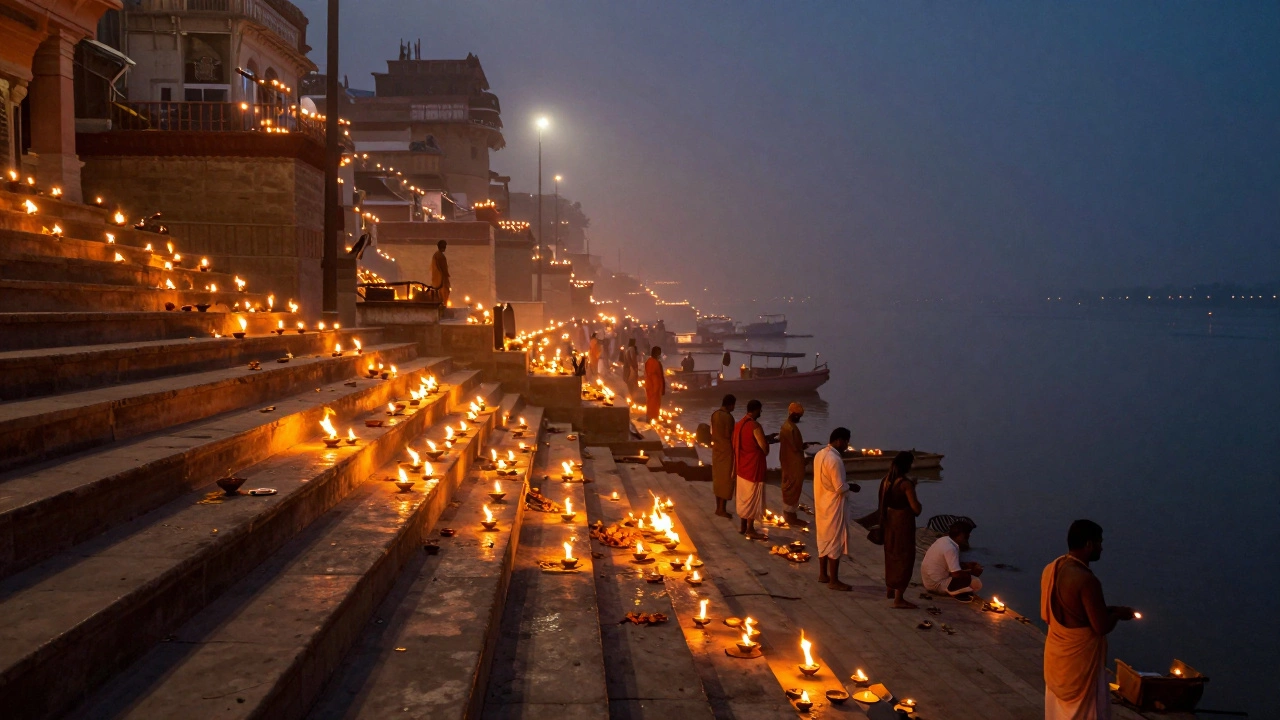
Varanasi, located on the banks of the Ganges River, is arguably the most sacred city in Hinduism. Legends say Lord Shiva founded the city. The ghats (steps leading to the river) have been used for bathing and rituals for over 3,000 years. The Kashi Vishwanath Temple, dedicated to Shiva, sits at the heart of the old city. Even if you don’t follow the faith, witnessing the evening Ganga Aarti-a ceremony of light and prayer-is a profound experience. It shows how ancient rituals remain vibrant today.
Mahabalipuram: Stone Stories
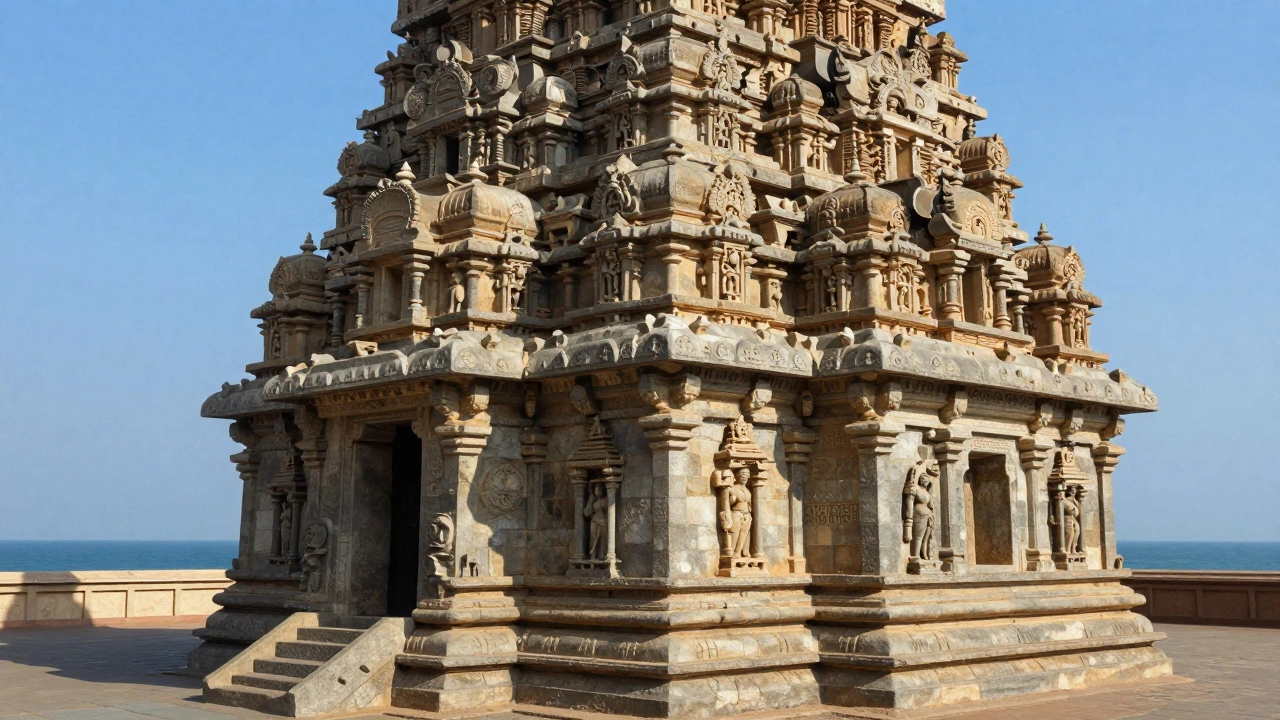
In Tamil Nadu, the Shore Temple in Mahabalipuram dates back to the 7th century CE. Built by the Pallava dynasty, it is one of the oldest structural stone temples in South India. Unlike many northern temples that use wood and brick, these southern structures were carved directly from rock. The Pancha Rathas nearby look like chariots but are actually monolithic temples carved from single granite blocks. It’s a testament to the engineering skill of ancient artisans.
Khajuraho: Beyond the Myth
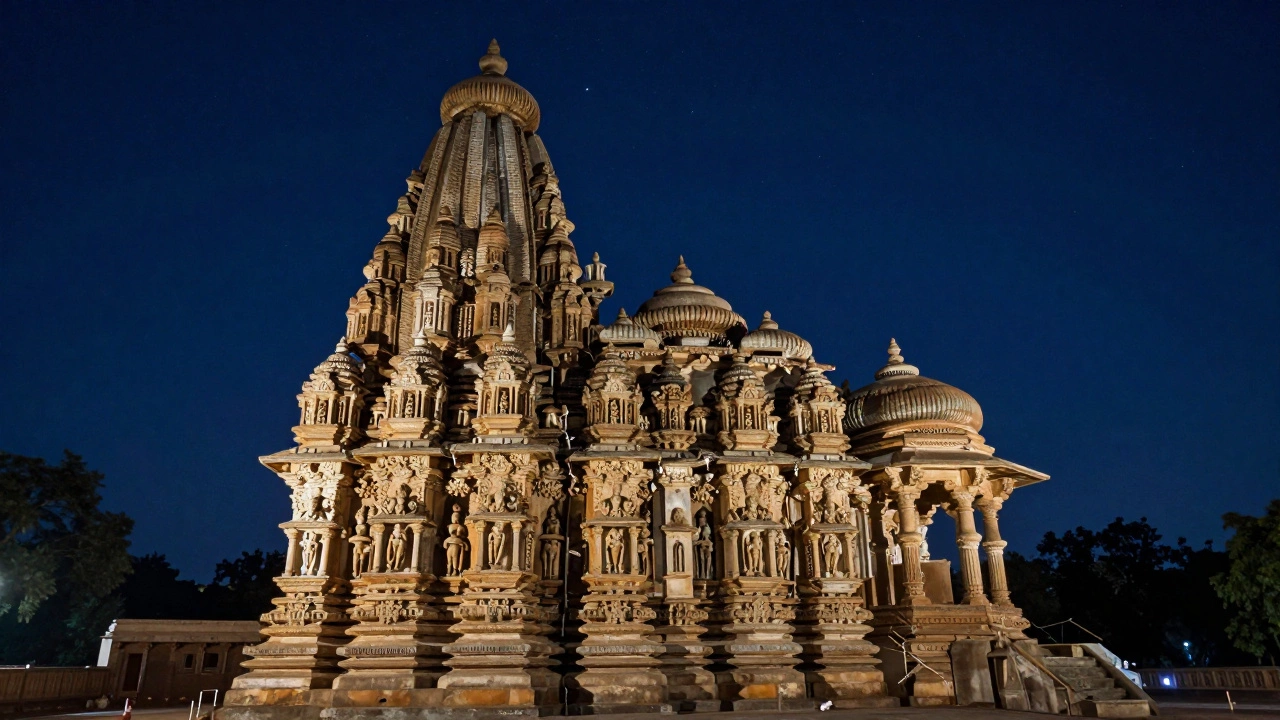
Often famous for its erotic sculptures, Khajuraho’s temples in Madhya Pradesh are much more than that. Built between 950 and 1050 CE by the Chandela dynasty, they represent a perfect balance of Shaivism (worship of Shiva), Vaishnavism (worship of Vishnu), and Shaktism (worship of the Goddess). The intricate carvings depict daily life, mythology, and spirituality. Visiting at night, when the monuments are illuminated, gives you a different perspective on their architectural grandeur.
Angkor Wat: The Giant Neighbor
While not in India, Angkor Wat in Cambodia deserves a mention. Originally built as a Hindu temple dedicated to Vishna in the 12th century, it later became a Buddhist site. It was constructed under King Suryavarman II. The scale of Angkor Wat-the largest religious structure in the world-shows how far the influence of Indian temple architecture spread across Southeast Asia. If your interest lies in ancient Hindu-Buddhist syncretism, this is a must-see.
| Destination | Primary Deity/Faith | Approx. Age | Key Feature | |
|---|---|---|---|---|
| Varanasi (Kashi Vishwanath) | Hinduism (Shiva) | 3,000+ years (site) | Riverfront rituals | |
| Mahabalipuram (Shore Temple) | Hinduism (Vishnu/Shiva) | 7th Century CE | Monolithic stone carving | |
| Khajuraho Group | Hinduism (Syncretic) | 10th-11th Century CE | Intricate sculptural details | |
| Angkor Wat | Hinduism/Buddhism | 12th Century CE | Largest religious monument |
Planning Your Temple Tour in India
Visiting ancient religious sites requires more than just buying a ticket. Cultural sensitivity and practical planning are key to a respectful and enjoyable journey.
Best Time to Visit
India’s climate varies wildly. For temple tours, the winter months (October to March) are ideal. The weather is cool and dry, making long days of walking comfortable. Avoid the peak summer heat (April to June) unless you are prepared for temperatures exceeding 40°C (104°F). Monsoon season (July to September) brings lush greenery but also heavy rains that can disrupt travel plans.
Dress Code and Etiquette
Temples are active places of worship, not just museums. Most require you to remove your shoes before entering the main sanctum. Dress modestly: cover your shoulders and knees. Men should avoid shorts, and women may need to wear a shawl or scarf. Some temples restrict entry to non-Hindus in inner sanctums, so check local rules beforehand. Always ask permission before taking photos, especially of devotees in prayer.
Hiring a Local Guide
A knowledgeable guide transforms a temple visit from sightseeing into storytelling. They can explain the symbolism behind statues, narrate myths associated with specific pillars, and help navigate crowded festivals. In cities like Varanasi or Jaipur, guides are readily available. Look for certified guides who speak clear English and have expertise in history rather than just general tourism.
Festival Timing
If you time your trip with major festivals, you’ll see Hinduism in its most vibrant form. Diwali (Festival of Lights) illuminates temples across the country. Holi (Festival of Colors) turns streets into paint parties. Navratri involves nine nights of dance and devotion. While these events are magical, they also mean huge crowds and higher prices. Decide if you prefer intimate exploration or festive energy.
Common Misconceptions About Ancient Religions
Travelers often come with preconceived notions. Let’s clear up a few.
"All Hindus worship idols." Not exactly. Statues (murtis) are seen as vessels for divine presence, similar to how Christians view icons or relics. Many Hindus also meditate on formless concepts of God. The diversity within Hinduism means practices vary widely from region to region.
"Ancient temples are all ruins." While some sites like Hampi show crumbling walls, many temples are fully functional and maintained. Active worship continues in buildings that are hundreds of years old. This living maintenance is part of their preservation.
"You need to be an expert to understand." No. Curiosity is enough. Ask questions. Read brief introductions before visiting. The emotional impact of standing in a space where thousands have prayed before you transcends academic knowledge.
Responsible Tourism Tips
As more people seek authentic experiences, overtourism becomes a concern. Here’s how to travel responsibly:
- Support Local Economies: Buy souvenirs from local artisans, not mass-produced imports. Eat at family-run restaurants.
- Respect Sacred Spaces: Keep voices low. Don’t climb on restricted structures. Follow queue lines patiently.
- Environmental Care: Many rivers near temples suffer from pollution due to ritual offerings. Support initiatives that promote eco-friendly practices, such as using natural flowers instead of plastic decorations.
- Photography Ethics: Never photograph someone praying without consent. It’s invasive. Focus on architecture, landscapes, and public ceremonies.
Final Thoughts on Ancient Faiths
Exploring the oldest religions isn’t just about checking off historical facts. It’s about connecting with the human desire for meaning. Whether you stand by the Ganges in Varanasi or admire the stone carvings in Mahabalipuram, you’re participating in a continuum that stretches back thousands of years. Hinduism’s endurance teaches us that culture adapts while keeping its core intact. As you plan your next adventure, let these ancient sites inspire deeper reflection and respect for the diverse ways humans have sought the divine.
Is Hinduism really the oldest religion?
Yes, Hinduism is widely considered the oldest major religion still practiced today. Its roots trace back to the Indus Valley Civilization (c. 2300 BCE) and the Vedic period (c. 1500 BCE). Unlike religions founded by a single prophet, Hinduism evolved gradually, maintaining continuous practice for millennia.
What is the difference between Hinduism and Sanatan Dharma?
Sanatan Dharma translates to "Eternal Order" or "Eternal Duty." It is a term used by many Hindus to describe their faith, emphasizing its timeless nature rather than labeling it as a "religion" in the Western sense. Hinduism is the external name given by others, while Sanatan Dharma reflects internal philosophical identity.
Can non-Hindus enter Hindu temples in India?
Most Hindu temples welcome visitors of all faiths. However, some strict traditional temples, particularly in South India, may restrict entry to non-Hindus in the inner sanctum. Always check local customs and dress modestly. Major tourist temples like Meenakshi Amman or Kashi Vishwanath generally allow entry to everyone.
Which is older: Hinduism or Buddhism?
Hinduism is significantly older. Its practices date back over 4,000 years, while Buddhism was founded by Siddhartha Gautama around 563-483 BCE. Buddhism emerged from the same cultural context as Hinduism and shares many concepts like karma and rebirth, but developed distinct teachings and monastic orders.
What is the best time to visit ancient temples in India?
The best time is during the winter months, from October to March. The weather is pleasant and dry, making outdoor exploration comfortable. Summer (April-June) can be extremely hot, and monsoon (July-September) brings heavy rains that may disrupt travel. Festival periods offer vibrant experiences but come with large crowds.