Is $100 a Lot in India? Budget Breakdown for South India Travel
 May, 27 2026
South India $100 Purchasing Power Calculator
How Far Will Your Money Go?
Enter any amount to see what it buys you in South India
Your Budget Converts To:
Indian Rupees (INR)
💡 Travel Insight: With this budget, you could comfortably eat at local eateries three times a day for over two weeks, or stay in comfortable private rooms for nearly a week while exploring South India.
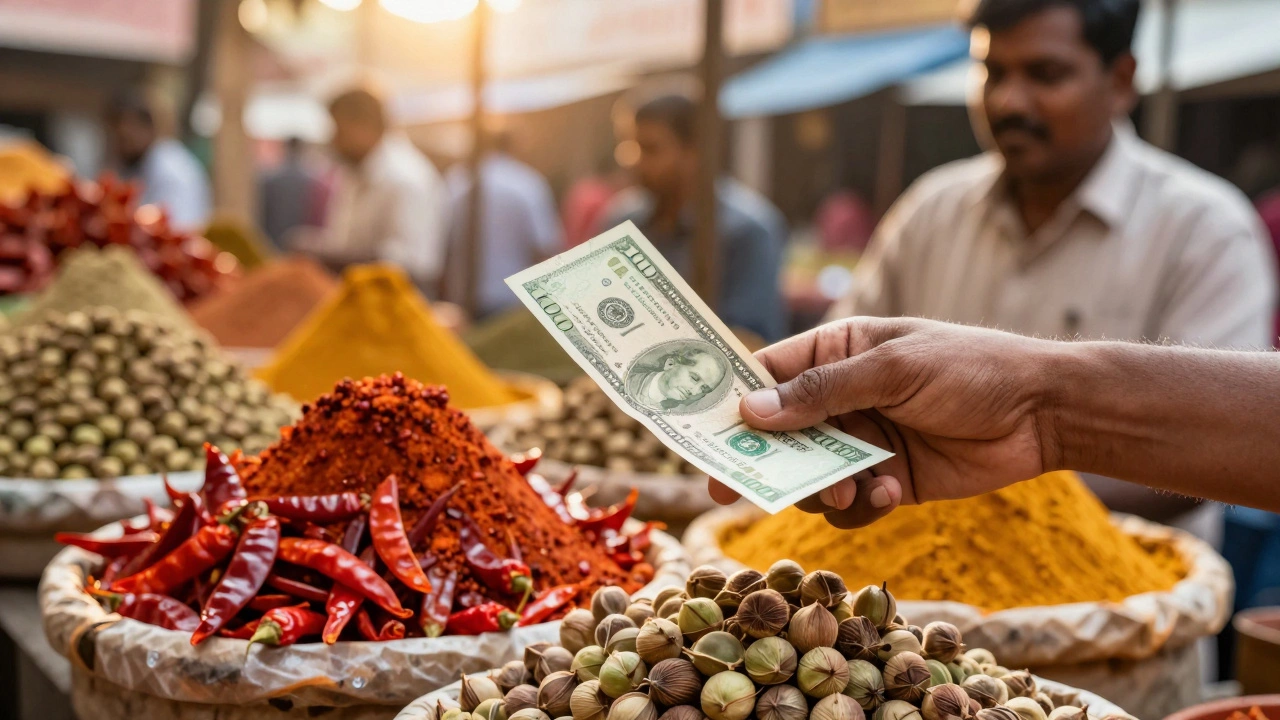
You’re standing at the counter of a vibrant spice market in Kochi. You pull out a crisp $100 bill and hand it over. The vendor’s eyes widen slightly, not because he’s shocked by the amount, but because he knows exactly what that paper represents in his world. It represents a week of groceries for a family of four. It represents three nights in a decent hotel. It represents freedom.
But is $100 actually "a lot" in India? The short answer is yes. But the real answer depends entirely on where you are, what you buy, and how long you stay. If you are planning a trip to South India-specifically places like Kerala, Tamil Nadu, Karnataka, or Andhra Pradesh-understanding the purchasing power of your currency is the difference between surviving and thriving.
The Math Behind the Magic: Exchange Rates in 2026
To understand value, you first need to look at the numbers. As of mid-2026, the exchange rates fluctuate daily, but generally, 1 US Dollar converts to approximately 83 to 85 Indian Rupees (INR). Let’s use a conservative average of 84 INR per dollar for these calculations.
This means your $100 equals roughly 8,400 Indian Rupees. That number looks big, but context is everything. In Vancouver, 8,400 dollars would barely cover a month’s rent. In Chennai or Bangalore, 8,400 rupees can feed you well for days, house you for nights, and transport you across cities.
The key here isn’t just the conversion rate; it’s the cost structure. Labor, local food, and public transportation remain incredibly affordable compared to Western standards. However, imported goods, international brands, and luxury services have globalized pricing. A cup of coffee from a chain store might cost you $5 anywhere in the world, but a filter coffee from a local shop costs less than 50 cents.
What $100 Buys You in South India: A Real-World Breakdown
Let’s break down that $100 (8,400 INR) into tangible experiences. This is where the abstract concept of "cheap" becomes concrete reality.
| Category | Item/Service | Cost in INR | Quantity with $100 |
|---|---|---|---|
| Food | Street Food Meal (Dosa/Vada) | ₹50 - ₹80 | ~100 meals |
| Food | Mid-range Restaurant Dinner | ₹400 - ₹600 | ~14-20 dinners |
| Accommodation | Budget Hostel Bed | ₹300 - ₹500 | ~17-28 nights |
| Accommodation | 3-Star Hotel Room | ₹1,500 - ₹2,500 | ~3-5 nights |
| Transport | Auto-Rickshaw Ride (Short) | ₹30 - ₹60 | ~140-280 rides |
| Transport | Train Ticket (AC Sleeper, Intercity) | ₹800 - ₹1,200 | ~7-10 trips |
| Activities | Temple Entry / Museum | ₹20 - ₹100 | ~84-420 entries |
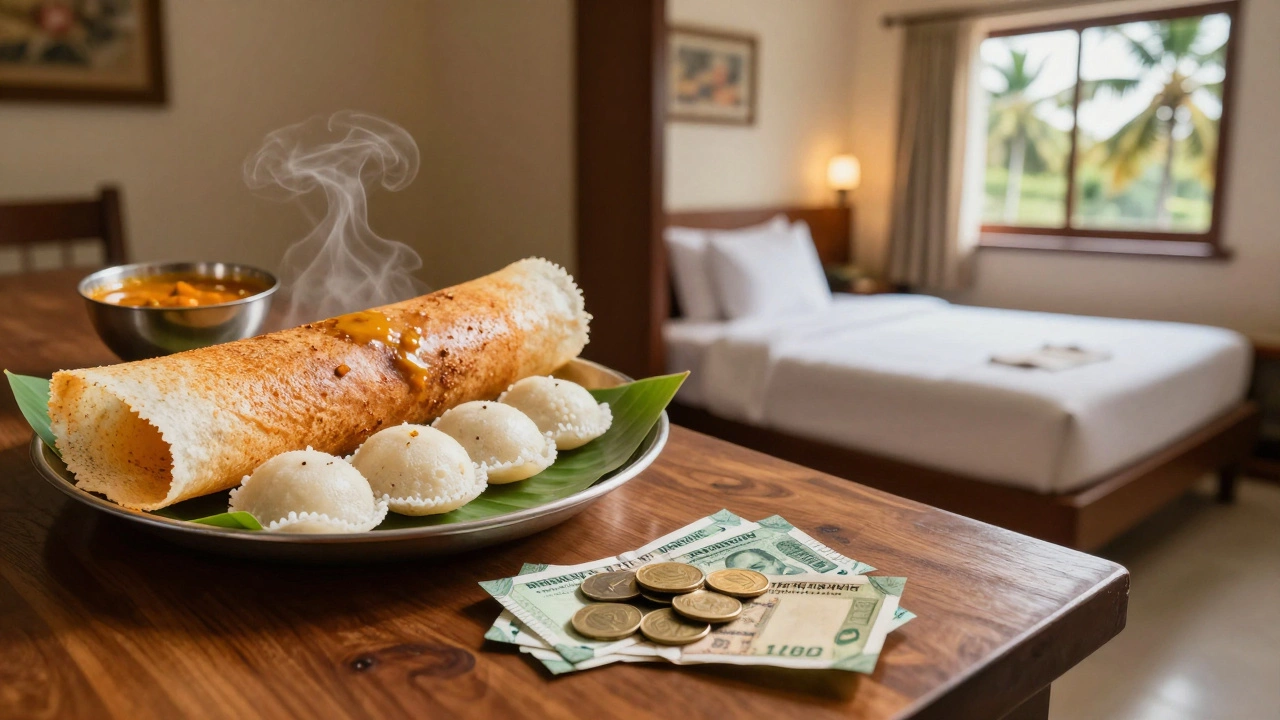
Look at those numbers again. With just $100, you could eat three times a day at local eateries for two weeks. Or, you could stay in comfortable private rooms in mid-tier hotels for nearly a week. This is why travelers often feel like millionaires when they step off the plane in Mumbai or Delhi.
Regional Differences: North vs. South
While India is often treated as a single economic block, there are distinct regional variations. South India, particularly states like Kerala, Tamil Nadu, and Karnataka, tends to be slightly more expensive than rural parts of Uttar Pradesh or Bihar, but still vastly cheaper than the West.
Kerala, known for its backwaters and tourism infrastructure, has seen prices rise in popular hubs like Alleppey and Munnar. A houseboat rental, for instance, is no longer dirt cheap. However, everyday costs-vegetables, fruits, local transport-remain low. In contrast, tech hubs like Bangalore (Bengaluru) have inflated housing and dining costs due to high demand from expats and IT professionals. A meal in a upscale cafe in Indiranagar, Bangalore, might rival prices in Seattle. But step ten minutes away into a local joint, and the price drops by 80%.
Tamil Nadu offers some of the best value for money. Cities like Madurai and Coimbatore are significantly cheaper than Chennai. The hospitality industry here is mature, meaning you get high quality for lower prices. You won’t find the extreme poverty-driven haggling you might see elsewhere; instead, you’ll find fair, fixed prices that respect both buyer and seller.
The Trap of "Western Pricing" Zones
Here is the catch. Your $100 goes far only if you stick to local ecosystems. The moment you enter a "Western bubble," your money loses its superpower.
- International Chains: Starbucks, McDonald's, and KFC exist in major Indian cities. Their prices are adjusted for the local market but are still 3x to 5x more expensive than local equivalents. A burger at McDonald's might cost $3, while a delicious veggie wrap at a street stall costs $0.50.
- Imported Goods: Alcohol, tobacco, and branded cosmetics carry heavy import taxes. A bottle of wine that costs $15 in Canada might set you back $40 in Goa or Mumbai.
- Tourist Traps: Areas heavily frequented by foreigners, such as certain beaches in Goa or heritage sites in Rajasthan, often inflate prices. Always check the menu before ordering. If there are no prices listed, ask. If they say "best price" without giving a number, walk away.
To maximize your $100, embrace the local way. Eat where locals eat. Take trains instead of flights. Stay in guesthouses run by families rather than international hotel chains. This isn’t just about saving money; it’s about accessing the authentic culture that draws people to India in the first place.
Hidden Costs and Safety Nets
Budgeting for India requires looking beyond the obvious. Here are three areas where unexpected costs can drain your $100 faster than expected:
- Healthcare: While basic care is cheap, medical tourism is a huge industry in South India. Hospitals are world-class but cater to foreigners with higher price tags. Always travel with comprehensive health insurance. A simple stomach bug treated at a pharmacy costs pennies, but an emergency room visit can add up quickly.
- Visa Fees: India’s e-Visa process is streamlined, but it costs money. Depending on your nationality, fees range from $25 to $80. This is a fixed cost that doesn’t scale with your daily spending.
- Tipping Culture: Tipping is not mandatory but is appreciated. In restaurants, leaving 10% is standard if service charge isn’t included. For auto-rickshaws, rounding up to the nearest 10 or 20 rupees is polite. These small amounts add up over a long trip.
How to Make 0 Last Longer: Pro Tips
If you want to stretch your budget to the absolute limit, follow these rules. I’ve tested these strategies across multiple trips to South India, and they work every time.
1. Drink Filter Coffee, Not Latte Art. Coffee culture in South India is deep-rooted. Filter coffee, made with strong Robusta beans and condensed milk, is served in metal tumblers. It costs less than $0.30. It’s strong, sweet, and energizing. Skip the artisanal pour-over unless you’re treating yourself.
2. Use Public Transport Religiously. South India has one of the best public transport networks in the developing world. The Metro systems in Chennai, Bangalore, and Hyderabad are clean, safe, and incredibly cheap. A ride might cost you $0.20. Buses are even cheaper. Avoid private cabs unless necessary.
3. Negotiate Respectfully. In markets, bargaining is part of the game. Start at 50% of the asking price and meet in the middle. Be polite, smile, and don’t take it personally if they say no. In fixed-price stores (supermarkets, malls), negotiation is impossible and frowned upon.
4. Carry Cash, But Use Cards Wisely. Small vendors, street food stalls, and auto-rickshaws prefer cash. ATMs charge a fee, so withdraw larger amounts less frequently. However, for hotels and larger purchases, use your credit card to earn rewards points. Just watch out for dynamic currency conversion-always choose to pay in INR, not USD.
Conclusion: Value Beyond Price
So, is $100 a lot in India? Yes. It buys you comfort, convenience, and culinary adventures that would cost five times as much back home. But the true value isn’t just in the savings. It’s in the access. With $100, you can sit down with a local family for a meal, hire a knowledgeable guide for a half-day tour, or stay in a boutique heritage hotel that tells the story of the region.
India rewards curiosity and cultural sensitivity more than it rewards wealth. When you travel light and spend wisely, you open doors that remain closed to those who expect luxury at every turn. Your $100 isn’t just currency; it’s a ticket to experience the soul of South India, one dosa, one temple, and one train ride at a time.
How much does a typical meal cost in South India?
A typical street food meal, such as a dosa or idli with sambar, costs between ₹30 and ₹80 ($0.35 - $1.00). A full-course meal at a mid-range restaurant ranges from ₹200 to ₹500 ($2.50 - $6.00) per person.
Is it safe to carry large amounts of cash in India?
It is generally safe, but caution is advised. Keep cash in different pockets or bags. Use hotel safes for excess money. ATMs are widely available in cities, so you don't need to carry your entire budget on you at once.
Can I survive on $10 a day in India?
Yes, absolutely. Many backpackers live comfortably on $10-$15 per day by staying in hostels, eating street food, and using public transport. This budget allows for basic accommodation, three meals, and local sightseeing.
Are prices higher in tourist areas like Goa or Kerala?
Yes, prices in popular tourist destinations can be 20-50% higher than in non-touristy towns. Accommodation and alcohol are the most affected categories. Venturing slightly outside main tourist hubs can save significant money.
Do I need to tip in restaurants in South India?
Tipping is not mandatory but is customary in sit-down restaurants. Leaving 10% of the bill is standard practice if a service charge is not already included. For street food and quick service, tipping is not expected.