How to Survive a Trip to South India: The Ultimate Practical Guide
 Jul, 17 2026
South India Survival Readiness Calculator
Check Your Knowledge
Ready to Check?
Answer the questions to see if you are prepared for the chaos and charm of South India.
You’ve booked the flight. You’ve packed your bags. Now you’re staring at the map of South India, wondering if you actually know what you’re getting into. It’s not just a destination; it’s an experience that hits all five senses at once. If you think this is just about visiting temples and eating curry, you might be in for a shock. But don’t worry-surviving isn’t about enduring hardship. It’s about navigating chaos with confidence.
Most first-time travelers make the same mistake: they try to control everything. They fail. Then they relax, adapt, and have the trip of a lifetime. This guide cuts through the noise. We’ll cover health hacks, transport tricks, cultural landmines, and money moves so you can stop worrying and start exploring.
The Health Shield: What Actually Matters
Let’s get the scary stuff out of the way first. Food poisoning is the number one reason trips go sideways. In Kerala or Tamil Nadu, the water supply varies wildly from city to village. Your stomach doesn’t care about local immunity; it cares about bacteria.
Here is the golden rule: If it didn’t boil, peel, or cook, forget it. That means no ice cubes in your drinks unless you’re at a high-end hotel using filtered water. No raw salads from street vendors. No fruit unless you peel it yourself. Stick to bottled water for brushing teeth if you have a sensitive gut. Brands like Bisleri or Kinley are safe bets.
- Probiotics: Start taking them two weeks before you leave. They help populate your gut with good bacteria to fight off bad ones.
- Carry Meds: Pack Imodium (for emergency stops), Loperamide, and an oral rehydration salt mix. Dehydration kills faster than the bug itself.
- Vaccinations: Hepatitis A and Typhoid are non-negotiable. Talk to your doctor three months out.
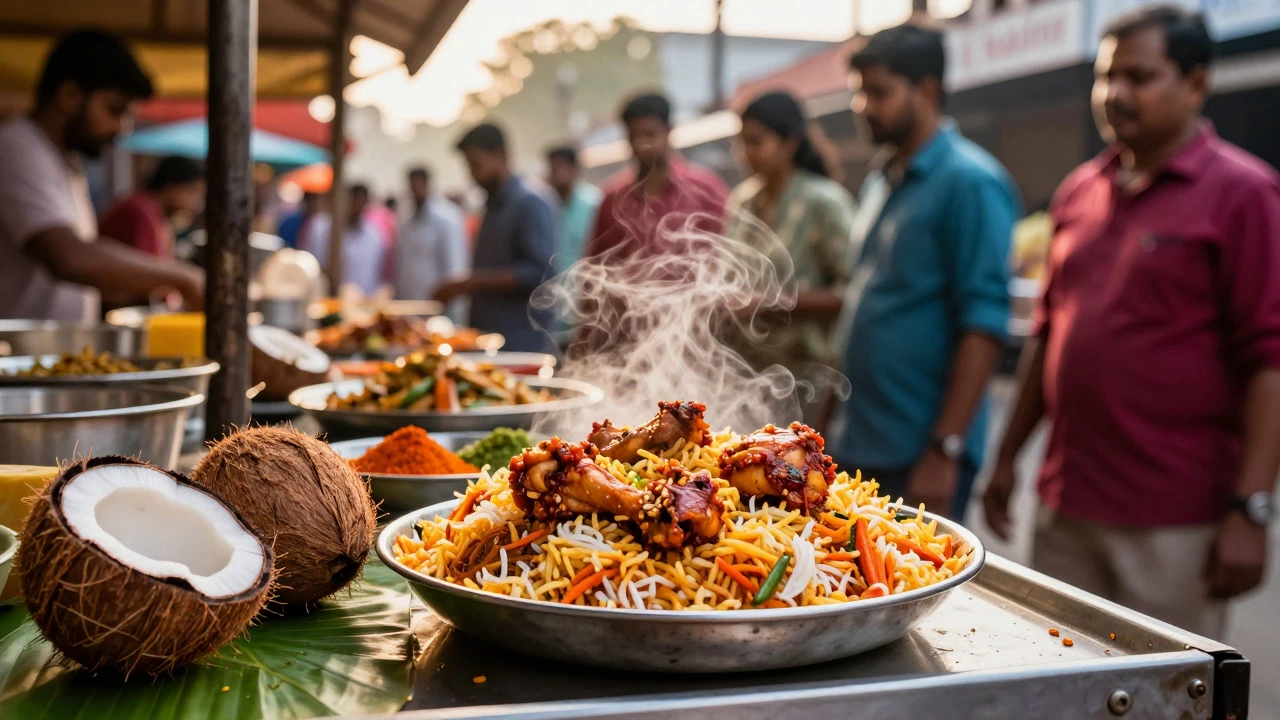
Also, watch out for "Delhi Belly" cousins in the south. Spicy food isn’t the enemy; hygiene is. A sizzling plate of Chicken Biryani from a busy stall is safer than lukewarm salad from a quiet restaurant. Heat kills pathogens. Look for places with high turnover-if locals are lining up, it’s usually safe.
Moving Around: Transport Without Tears
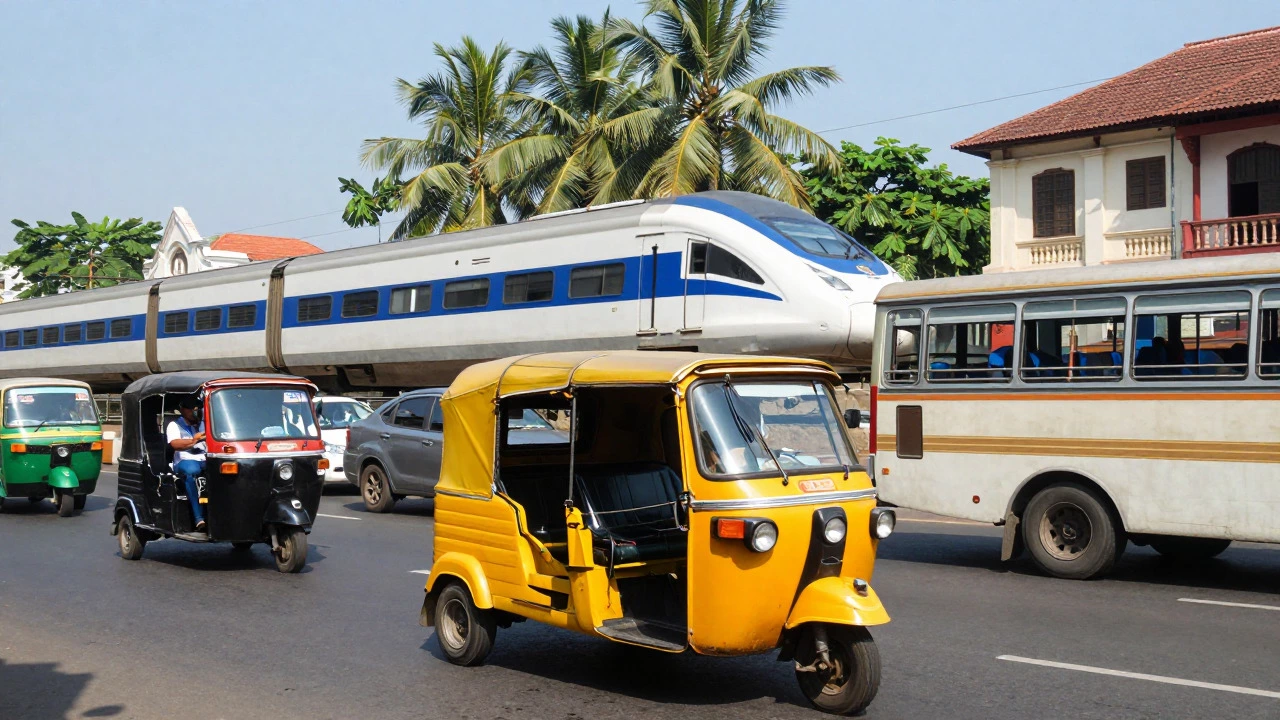
Getting around South India is cheaper than almost anywhere else, but it requires strategy. Public buses are legendary here. State-run carriers like KSRTC in Kerala or TNSTC in Tamil Nadu operate massive fleets. They’re clean, air-conditioned, and incredibly affordable. But they run on their own time.
If you value predictability, use ride-hailing apps. Uber and Ola work well in major cities like Chennai, Bangalore, and Kochi. Prices are fixed, which avoids the haggling stress. However, in rural areas or smaller towns, these apps vanish. That’s when you need auto-rickshaws.
| Mode | Best For | Cost Level | Haggling Needed? |
|---|---|---|---|
| State Bus (AC) | Long distance, scenic routes | Low | No (Fixed fare) |
| Auto-Rickshaw | Short city hops | Low | Yes (Always) |
| Uber/Ola | Cities, safety, convenience | Medium | No |
| Train (Vande Bharat) | Inter-city speed | Medium | No (Book online) |
A quick tip on autos: Always agree on the price before you get in. Drivers will often quote double or triple the fair rate to tourists. Use a meter if available, but expect resistance. If you’re unsure of the price, ask a shopkeeper nearby. "How much to [destination]?" works every time.
For longer distances, trains are king. The new Vande Bharat express services between Chennai and Bengaluru are game-changers-fast, punctual, and comfortable. Book tickets via IRCTC app well in advance. General unreserved coaches are chaotic; stick to Sleeper or AC classes if you want sleep.
Money Moves: Cash Is Still King
Digital payments are exploding in India. UPI (Unified Payments Interface) lets people pay for anything from groceries to gold with a phone scan. But as a foreigner, you’re largely locked out of this system unless you get a local SIM and bank account early on.
So, cash rules. Indian Rupees (INR). Small denominations matter. Try to withdraw ₹500 and ₹100 notes. ₹2000 notes are great for hotels but useless for buying chai or paying a toilet attendant. ATMs are everywhere in cities, but fees apply. Check with your home bank about international withdrawal charges.
Exchange money at authorized dealers in airports or city centers. Avoid black market exchangers near tourist hubs-they offer better rates but risk scams or counterfeit notes. Hotels offer terrible exchange rates; use them only for emergencies.
Cultural Landmines: Don’t Step On Toes
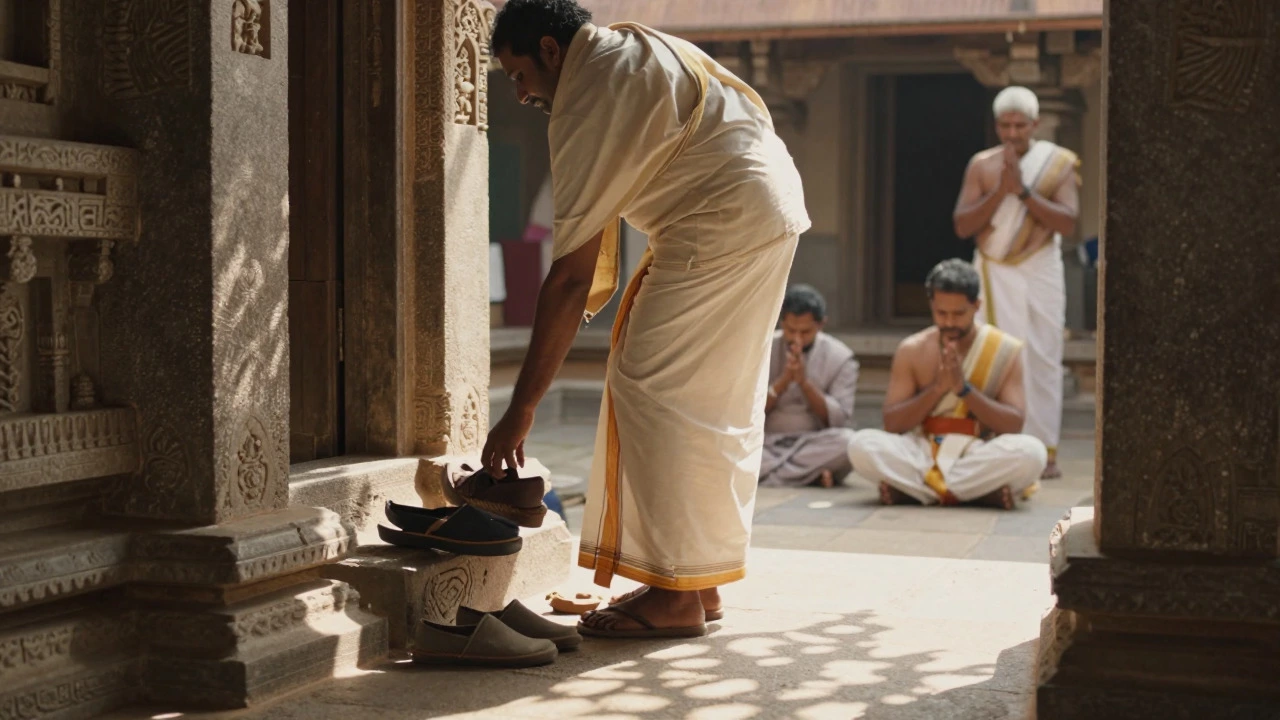
India is deeply traditional, especially in the south. Religion permeates daily life. Temples aren’t just tourist spots; they’re active places of worship. Dress modestly. Shoulders and knees should be covered. When entering a temple, remove your shoes. Leave them neatly outside. Some temples restrict entry to non-Hindus in inner sanctums-respect the signs.
Photography etiquette matters too. Always ask before photographing people, especially monks, priests, or locals in rural settings. A smile and a nod go further than a raised camera. Flash photography inside temples is often prohibited.
Hand gestures can cause offense. Never point with your index finger; use your whole hand. Avoid touching anyone’s head-it’s considered sacred. And yes, eating with your right hand is standard. The left hand is reserved for... other tasks. Wash hands thoroughly before meals. Most restaurants provide a bucket and jug for washing up.
Food Survival: Eat Like a Local, Stay Safe
South Indian cuisine is distinct. Rice-based, coconut-heavy, and spicy. Dishes like Idli, Dosa, and Sambar are staples. These are fermented foods, easy on the stomach, and delicious. Start your day with these instead of heavy breakfasts.
Street food is an adventure. Pani Puri (crispy shells filled with spiced water) is addictive but risky due to the water source. Only eat it where you see fresh water being used right in front of you. Filtered water packets are sometimes sold alongside.
Spice levels vary. "Mild" in India might be "Hot" elsewhere. Ask for "less spice" if needed, but embrace the heat gradually. Gut tolerance builds over time. Drink plenty of fluids. Coconut water is abundant in Kerala and Tamil Nadu-it’s natural electrolyte replacement and tastes amazing.
Scam Alert: Spotting the Tricks
Most Indians are incredibly hospitable. But tourist traps exist. Common scams include:
- The Friendly Local: Someone offers to show you around or help with luggage. They lead you to a shop or gem store where you’re pressured to buy. Politely decline. "No thanks, I’m fine" is enough.
- Overpriced Taxis: Already covered, but remember: insist on meters or pre-agreed prices.
- Fake Guides: At heritage sites, unofficial guides may approach you. Official guides wear IDs and are hired at counters. Stick to official channels.
- Saffron Scam: At some temples, you’re told you must buy expensive saffron or flowers for blessings. It’s optional. Buy small amounts if you wish.
Your best defense is awareness. If something feels too good to be true, it probably is. Trust your instincts. Walk away if pressured.
Packing Smart: Less Is More
Don’t overpack. You can buy almost anything locally. Focus on essentials:
- Clothing: Light cotton fabrics. Breathable shirts, loose pants, scarves for covering shoulders/knees. Comfortable walking shoes that slip on/off easily for temples.
- Toiletries: Wet wipes, hand sanitizer, lip balm (air conditioning dries skin), sunscreen.
- Tech: Universal adapter (Type C/D/M plugs), power bank, offline maps downloaded.
- Documents: Passport copies, visa printouts, travel insurance details. Keep digital backups in cloud storage.
Leave the fancy gadgets behind. Pickpocketing is rare but possible in crowded markets. Use a cross-body bag with zippers. Keep valuables hidden.
Final Thoughts: Embrace the Chaos
Surviving a trip to South India isn’t about avoiding problems. It’s about solving them quickly and moving on. Things will go wrong. Trains will be delayed. Food might surprise you. Traffic will seem impossible. But that’s part of the charm. The resilience you build here translates everywhere else.
Connect with locals. Smile. Be patient. Learn a few words in Tamil or Malayalam-"Nandri" (Thank you) works wonders. You’ll find warmth beneath the surface chaos. This region offers history, nature, spirituality, and flavors unlike anywhere else. Go prepared, stay flexible, and let the journey reshape you.
Is South India safe for solo female travelers?
Generally, yes. South India is considered safer than many northern regions for women. Harassment exists but is less rampant. Dress modestly, avoid isolated areas at night, use reputable transport, and trust your gut. Many solo female travelers report positive experiences, especially in Kerala and Tamil Nadu.
Do I need a visa for South India?
Yes. Most nationalities require an e-Visa or regular visa. Apply online via the official Indian government portal well before travel. Processing times vary. Ensure your passport has six months validity beyond your stay.
What is the best time to visit South India?
October to March is ideal. Weather is cooler and dry. Summer (April-June) is extremely hot and humid. Monsoon (July-September) brings heavy rain, lush greenery, and fewer tourists, but travel disruptions are likely.
Can I drink tap water in South India?
No. Tap water is generally unsafe for foreigners. Stick to sealed bottled water or purified water from reliable sources. Avoid ice in drinks unless confirmed filtered.
Are credit cards accepted everywhere?
In cities and malls, yes. In rural areas, small shops, and street stalls, cash is essential. Carry sufficient small-denomination rupees. ATMs are widespread but may charge fees.