How to Plan the Perfect South Indian Trip: A Step-by-Step Guide
 Apr, 14 2026
South India Trip Planner & Vibe Finder
Not sure where to start? Select the "vibe" that best describes your dream vacation, and we'll recommend the perfect region and must-visit spots.
Nature & Relaxation
Peaceful lagoons, tea gardens, and wellness.
Culture & History
Ancient temples, stone carvings, and ruins.
City & Tech
Modern hubs, royal history, and urban life.
State Name
📍 Must-Visit Spots:
🍲 Food Highlight:
Food details here
💡 Planning Pro-Tip:
Tip goes here
Quick Tips for Your Journey
- Best Time: November to February. Avoid the monsoon (June-September) unless you love rain.
- Transport: Use a mix of domestic flights and private taxis for flexibility.
- Clothing: Modest dress is a must for temples (shoulders and knees covered).
- Food: Embrace the coconut oil and spicy sambar; it's the heart of the region.
Picking Your Route: The Three Main Vibes
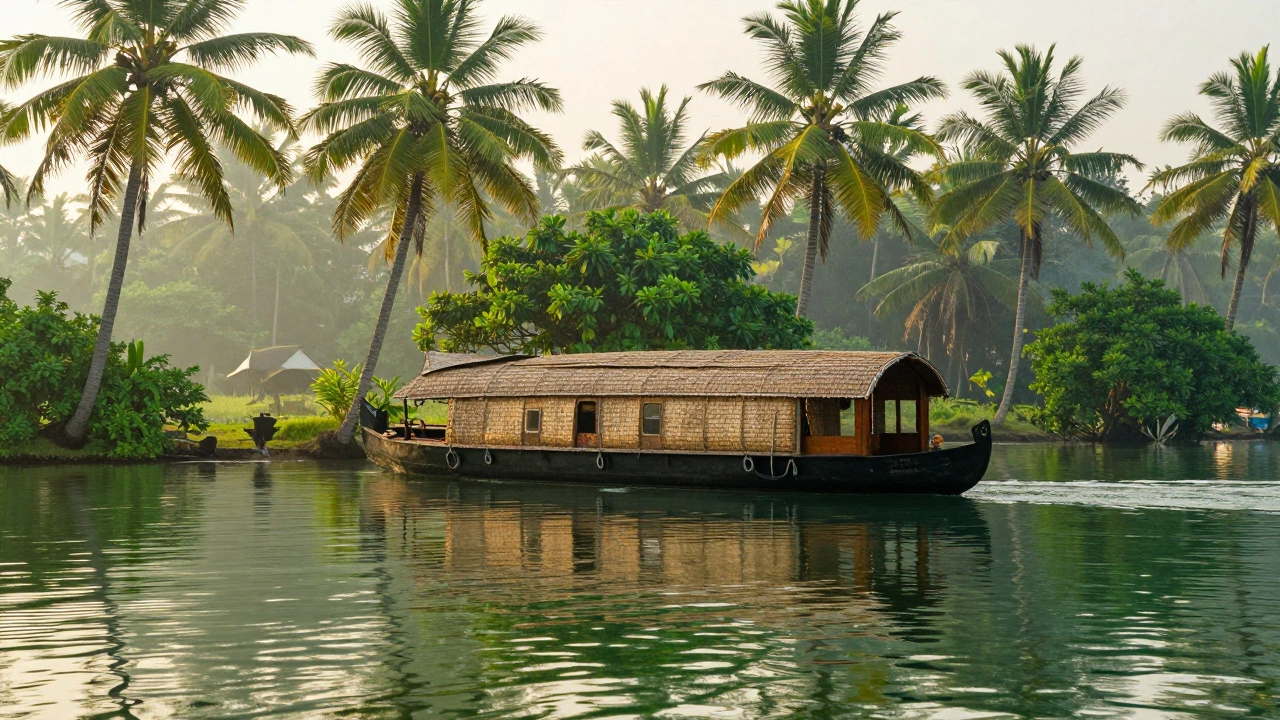
Before you book a flight, decide what you actually want to see. Most people fall into one of three categories. First, there's the "Nature and Relaxation" seeker. For this, you head straight to Kerala is a coastal state in southwestern India known for its palm-lined beaches and backwaters. You'll spend your days in Alleppey, drifting through lagoons in a traditional Kettuvallam (houseboat), and hiking through the tea plantations of Munnar. It's slow, green, and incredibly peaceful.
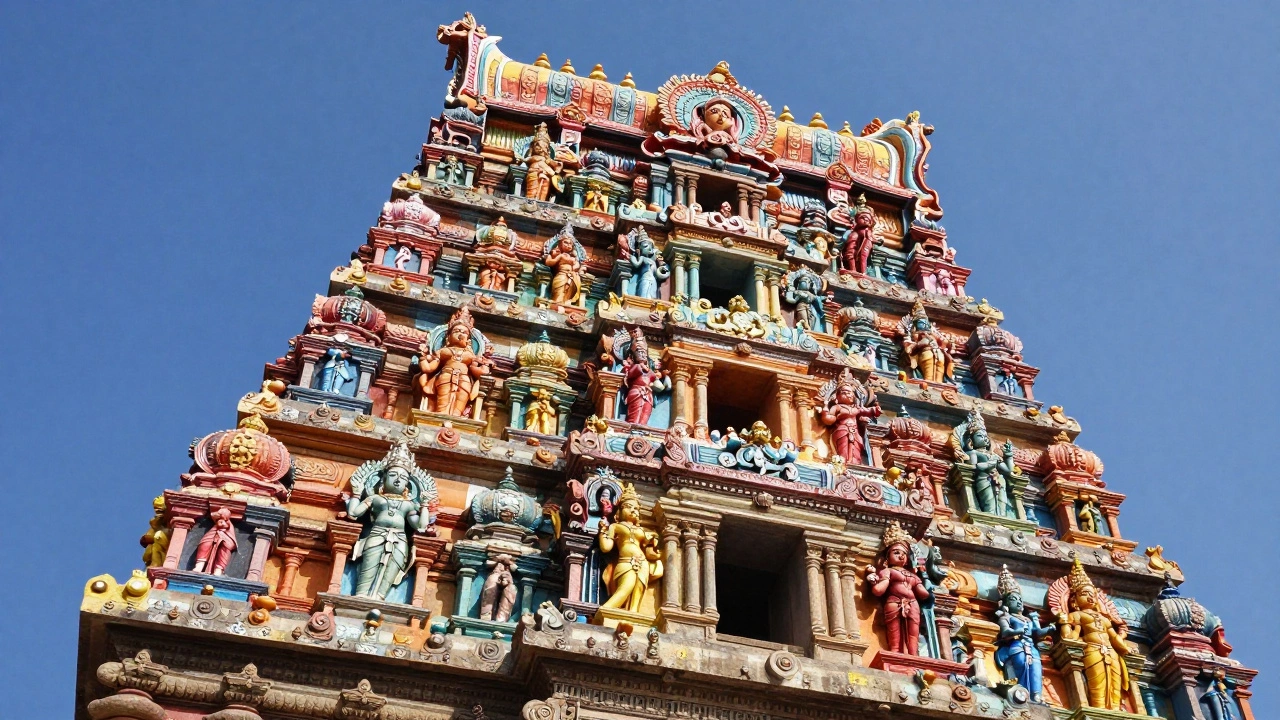
Then there's the "Culture and Architecture" enthusiast. This means focusing on Tamil Nadu is the southernmost state of India, famous for its Dravidian architecture and massive temple complexes. You can't miss Madurai's Meenakshi Temple or the towering gopurams of Thanjavur. If you love history, you'll want to spend a few days in Hampi is a UNESCO World Heritage site in Karnataka featuring the ruins of the Vijayanagara Empire. Walking through Hampi feels like stepping into a giant open-air museum of boulders and temples.
Finally, there's the "City and Tech" explorer. You'll start in Bengaluru is the capital of Karnataka and the "Silicon Valley of India," known for its parks and pub culture, then head to Hyderabad is the capital of Telangana, famous for the Charminar and its legendary Nizami cuisine. These cities offer a glimpse into India's futuristic side, contrasted with heavy royal history.
| Region/State | Primary Focus | Must-Visit Spot | Vibe |
|---|---|---|---|
| Kerala | Nature & Wellness | Munnar/Alleppey | Zen & Lush |
| Tamil Nadu | Spirituality & Art | Madurai/Chennai | Vibrant & Traditional |
| Karnataka | History & Landscapes | Hampi/Coorg | Diverse & Rugged |
| Telangana/AP | Royalty & Urban Life | Hyderabad/Tirupati | Grand & Bustling |
Mapping Out Your Logistics
Getting around is where most people get stressed. If you're visiting multiple states, don't rely on trains for everything. While Indian Railways is the massive rail network connecting the entire country is iconic, the tickets for popular routes sell out weeks in advance. For a first-timer, the best move is to hire a private driver for each state. It's surprisingly affordable and allows you to stop at random roadside eateries for a fresh coconut or a plate of hot vadas.
If you're jumping between far-flung hubs like Chennai and Kochi, a quick flight is the way to go. Use regional airlines like IndiGo. For shorter hops, the "Tourist Taxi" services are reliable. Just make sure you agree on the price or use a meter before you start. If you're feeling brave, try an auto-rickshaw for short city trips, but be prepared to negotiate the fare aggressively.
The Food Strategy: Beyond the Idli
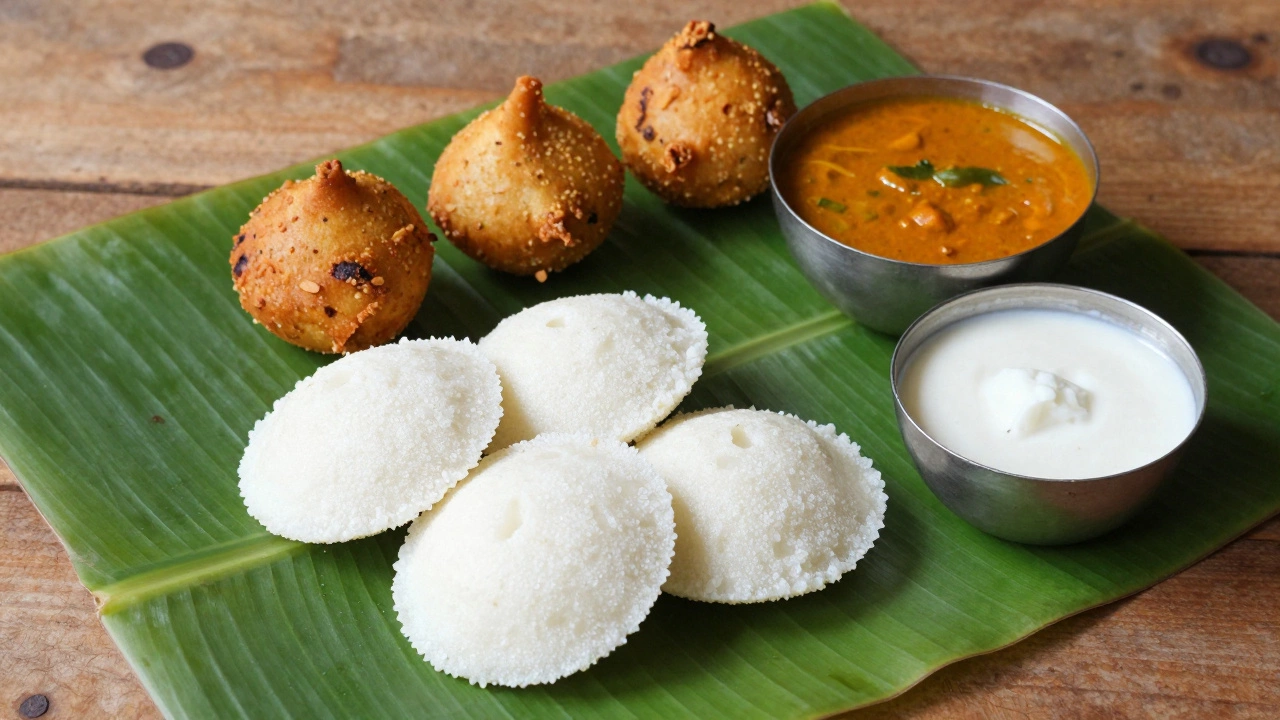
You can't visit South India without talking about the food. It's not just about the heat; it's about the flavor of coconut and tamarind. Start your morning with a "Tiffin" breakfast-a combination of Idli (steamed rice cakes) and Vada (savory donuts) served with coconut chutney. In Karnataka, try the Bisi Bele Bath, a spicy lentil rice dish that's perfect for a rainy afternoon.
When you hit Hyderabad, your only mission is to find the best Hyderabadi Biryani. This is a slow-cooked meat and rice dish that's far more fragrant and rich than the versions you find in the north. In Kerala, go for the "Kuttanadan" seafood, specifically the Karimeen Pollichathu (pearl spot fish wrapped in a banana leaf). Pro tip: always carry a bottle of water and avoid ice in drinks if your stomach is sensitive to new bacteria.
Dealing with Cultural Etiquette
South India is generally more conservative than Mumbai or Delhi. If you're visiting temples, the dress code is strict. Men should wear trousers (avoid shorts in some traditional temples), and women should preferably wear a salwar kameez or a long skirt. If you're wearing a dress, carry a light scarf to cover your shoulders. Also, remember that only your right hand should be used for eating or handing over money; the left hand is traditionally considered unclean.
Another thing to keep in mind is the pace of life. In the villages of Tamil Nadu or the hills of Coorg, things move slowly. Don't expect a 5-minute turnaround on a service. Embrace the "Indian Stretchable Time" and use the downtime to chat with locals. Most people in the south are incredibly proud of their heritage and will happily tell you the history of a local shrine if you show genuine interest.
Budgeting and Practicalities
South India is generally cheaper than Europe or North America, but prices vary by your style of travel. For a budget trip, you can find clean guesthouses for $15-$25 a night. Mid-range hotels with AC and breakfast usually run $40-$80. If you want luxury, the heritage resorts in the Western Ghats are stunning but can cost $200+ per night.
For connectivity, buy a local SIM card at the airport. Airtel and Jio provide the best 5G coverage across the southern states. Having a data plan is essential because you'll need apps like Uber or Ola for city transport, and Google Maps is a lifesaver when navigating the winding roads of the hill stations.
Avoiding Common Tourist Traps
One big mistake travelers make is trying to do the "Golden Triangle of the South" (Bangalore, Mysore, and Coorg) in two days. You'll spend 10 hours in a car and see nothing. Give yourself at least three days for each major stop. Also, be wary of "government-approved" guides who approach you at the gate of a monument. They can be great, but always verify their ID and agree on a fixed price before they start the tour.
Another pitfall is over-scheduling. The heat in places like Chennai or Madurai can be draining. Plan your sightseeing for early morning (6 AM to 10 AM) and late evening. Spend the midday heat in a museum or a nice cafe. If you push yourself too hard in the sun, you'll burn out by day four.
Do I need a visa for South India?
Yes, most international travelers need a visa. The e-Visa is the easiest option for tourists, allowing you to apply online and receive approval via email. Make sure your passport is valid for at least six months beyond your stay.
Is it safe for solo female travelers?
Generally, yes. South India is often considered safer and more laid-back than the north. However, stick to reputable transport, avoid walking alone in isolated areas at night, and trust your gut. Using female-led tour groups is a great way to feel more secure.
Which language is spoken in South India?
It depends on the state. Tamil is spoken in Tamil Nadu, Malayalam in Kerala, Kannada in Karnataka, and Telugu in Andhra Pradesh and Telangana. English is widely spoken in cities and tourist areas, so you can easily navigate using it.
Can I drink tap water?
No, definitely not. Stick to bottled water or filtered water provided by your hotel. Many hotels now use large UV filtration systems, which are safe, but when in doubt, buy a sealed bottle.
What is the best way to get from Kerala to Tamil Nadu?
The most comfortable way is by hiring a private car for a cross-border trip, which allows you to see the countryside. Alternatively, there are frequent trains and buses connecting major hubs like Kochi and Coimbatore.
What to do next
Now that you have the framework, start by picking one of the three "vibes" mentioned above. If you're still undecided, try mapping out a 14-day route starting in Chennai, moving through Madurai, and ending in the backwaters of Kerala. This gives you a perfect blend of architecture and nature. Once your route is set, book your flights and look for a few high-rated boutique stays in Munnar or Hampi to secure your home base. Don't forget to check the weather for your specific dates, as the climate varies wildly between the coast and the mountains.