How to Go from Delhi to Goa: Flights, Trains, and Road Trips
 Jun, 23 2026
Delhi to Goa Travel Planner
Trip Details
Estimated Costs & Time
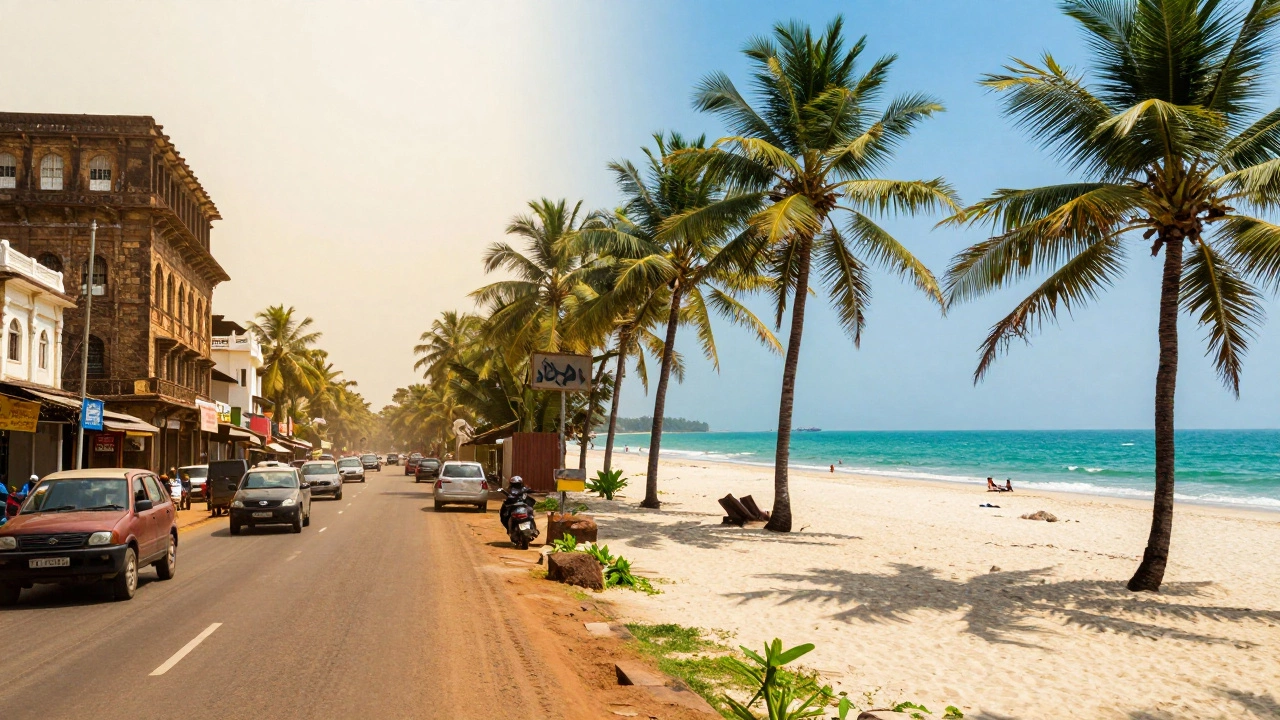
Getting from the dusty, historic streets of New Delhi to the sun-soaked shores of Goa is one of India’s most popular long-distance journeys. You are moving from a bustling northern metropolis to a laid-back coastal state in the west. The distance is roughly 1,200 kilometers (about 750 miles), which means you need to plan your mode of transport carefully. Whether you have two hours or two days, there is a way to get there that fits your budget and schedule.
The choice isn't just about speed; it's about experience. Do you want to skip the hassle and fly? Or do you prefer the rhythmic clatter of a train ride through multiple states? Maybe you’re an adventurer who wants to drive the entire way. Each option has its own set of pros, cons, and hidden tricks that seasoned travelers know but beginners often miss.
Flying: The Fastest Route
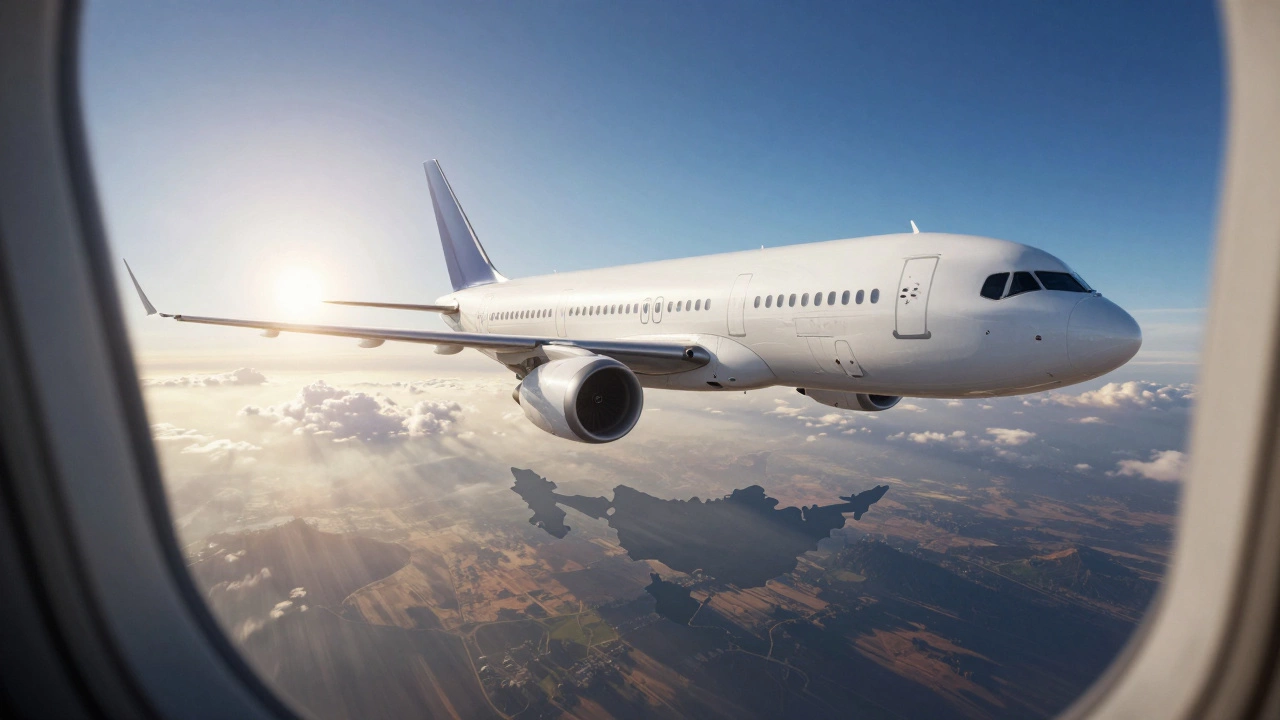
If time is your biggest constraint, flying is the only logical choice. The flight duration from Indira Gandhi International Airport (DEL) in Delhi to Goa International Airport (GOI) in Dabolim is approximately two hours. Some airlines also offer flights to Mopa Airport (GOX), which opened recently in North Goa, offering another entry point.
Several major carriers operate this route daily. IndiGo, Air India, and Vistara provide frequent non-stop services. During peak season-December to February-prices can spike significantly. A good rule of thumb is to book at least three weeks in advance to secure fares under ₹4,000 per person for a one-way ticket. If you wait until the last minute, you might pay double that amount.
One thing to keep in mind is airport location. Dabolim Airport is located in South Goa, closer to Palolem and Colva beaches. Mopa Airport is in North Goa, making it more convenient if you plan to stay in Candolim, Baga, or Anjuna. Check which airport your hotel is near before booking your flight to avoid a long taxi ride upon arrival.
| Airline | Average Duration | Frequency | Best For |
|---|---|---|---|
| IndiGo | 2h 10m | Daily (Multiple) | Budget travelers |
| Air India | 2h 15m | Daily | Comfort & Connectivity |
| Vistara | 2h 20m | Daily | Premium service |
By Train: The Scenic Journey
For those who enjoy the romance of rail travel, taking a train from Delhi to Goa is a memorable experience. The journey takes anywhere from 24 to 36 hours, depending on the train and stops. It’s not fast, but it allows you to see the changing landscapes of India-from the plains of Punjab and Haryana to the Western Ghats.
The most popular trains include the Rajdhani Express (train numbers 12431 and 12449) and the Duronto Express. These premium trains offer air-conditioned coaches, onboard catering, and relatively faster speeds. The Rajdhani Express, for instance, takes about 24-26 hours to reach Madgaon Junction, the main railway station in South Goa.
Booking tickets for these trains requires planning. IRCTC releases tickets 120 days in advance, and seats fill up quickly, especially during holidays. If you can’t get a confirmed berth, consider the Tatkal quota, which opens one day before travel. However, be prepared for higher prices and uncertainty.
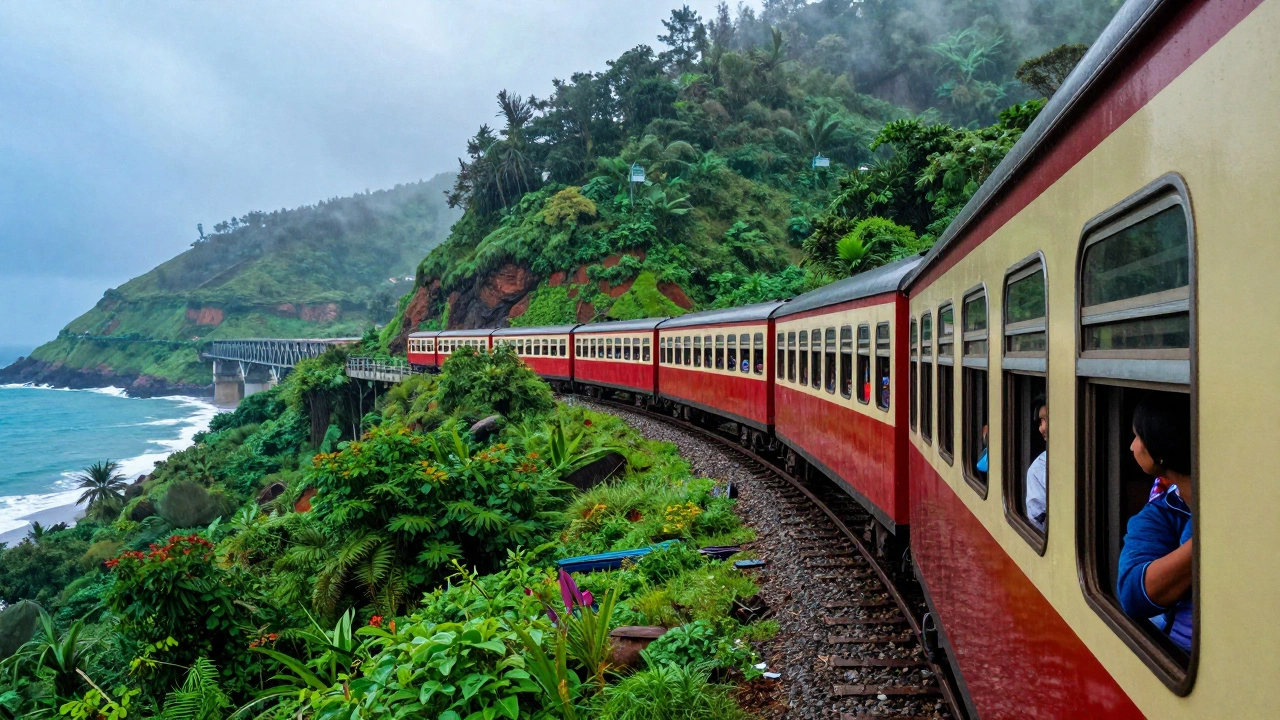
Another option is the Konkan Railway route. While slower, it offers stunning views of the Arabian Sea and lush green hills. Trains like the Karmali Express or Gandhidham-Thiruvananthapuram Express stop at Karmali Station in North Goa. This is ideal if you plan to explore the northern part of the state first.
- Rajdhani Express: Fastest train option, connects New Delhi to Madgaon.
- Duronto Express: Fewer stops, slightly longer journey than Rajdhani.
- Konkan Railway routes: Scenic but slower, best for leisurely travel.
By Road: The Ultimate Adventure
Driving from Delhi to Goa is a massive undertaking, covering over 1,200 kilometers. It typically takes 24 to 30 hours of pure driving time, so most people break it into two or three days. This option is perfect for road trippers who want flexibility and the freedom to stop wherever they please.
The most common route is via the NH48 (formerly NH8) and NH66 (formerly NH17). You’ll pass through major cities like Jaipur, Ahmedabad, Surat, and Mumbai before entering Goa. The roads are generally well-maintained highways, but traffic around metropolitan areas can be heavy.
Key stops along the way include:
- Jaipur: Spend a night exploring the Pink City’s forts and palaces.
- Ahmedabad: Known for its food and historical sites like Sabarmati Ashram.
- Mumbai: A major hub where you can refuel, rest, and maybe catch a quick sea breeze.
If you don’t want to drive yourself, you can hire a cab or take a bus. Private car rentals with drivers are available for the entire journey, costing between ₹25,000 and ₹35,000 depending on the vehicle type. Luxury buses operated by companies like VRL Travels and Orange Tours offer sleeper berths and AC options, making the overnight journey more comfortable.
Best Time to Travel
Timing your trip correctly can make or break your experience. Goa has three distinct seasons: winter, summer, and monsoon.
Winter (November to February): This is the peak tourist season. The weather is pleasant, with temperatures ranging from 20°C to 30°C. It’s ideal for beach activities, water sports, and outdoor exploration. However, expect higher prices for flights, hotels, and even local transport.
Summer (March to May): Temperatures can soar above 35°C, making daytime activities uncomfortable. But if you’re looking for solitude and lower prices, this is a good time to visit. Many tourists avoid Goa during these months, so beaches are less crowded.
Monsoon (June to September): Goa receives heavy rainfall during this period. While the landscape turns lush green, many water sports are suspended, and some beaches may be dangerous due to strong currents. On the plus side, hotel rates drop significantly, and you’ll experience the raw, untamed beauty of nature.
Arriving in Goa: Getting Around
Once you arrive in Goa, getting from the airport or railway station to your accommodation is the next step. Taxis and app-based cabs like Ola and Uber are widely available but can be expensive for short distances. Renting a scooter or motorcycle is a popular and cost-effective way to explore the state, especially if you’re staying in North Goa.
Public buses run by the Goa State Transport Corporation (GSTC) connect major towns and beaches. They are cheap and reliable, though they can be crowded during peak hours. For a more luxurious experience, consider hiring a private driver for the day.
What is the cheapest way to go from Delhi to Goa?
The cheapest option is usually a non-AC train ticket or a budget airline deal booked well in advance. Sleeper class trains can cost as little as ₹500-₹800, while budget flights can sometimes be found for under ₹3,000 if booked early.
Is it safe to drive from Delhi to Goa?
Yes, the highways are generally safe and well-maintained. However, fatigue is a major risk. Plan to drive no more than 8-10 hours a day and take regular breaks. Avoid night driving unless you are experienced with Indian road conditions.
Which airport in Goa is better for tourists?
It depends on your destination. Dabolim Airport is better for South Goa beaches like Palolem and Agonda. Mopa Airport is more convenient for North Goa beaches like Baga, Calangute, and Anjuna.
Can I take a bus from Delhi to Goa?
Yes, several private operators offer luxury sleeper buses. The journey takes about 24-30 hours. It’s a budget-friendly alternative to trains and flights, but ensure you choose a reputable operator for safety and comfort.
How far in advance should I book my tickets?
For flights, book at least 3-4 weeks in advance for the best prices. For trains, try to book exactly 120 days prior to travel when tickets are released. Last-minute bookings often result in higher costs or unavailability.