How to Build an Eco-Friendly Hotel or Resort: A Practical Guide for 2026
 Jul, 28 2026
Eco-Hotel Sustainability Estimator
Configure your property details to estimate annual savings and environmental benefits based on 2026 industry standards.
Imagine checking into a luxury resort where the hot water comes from the sun, the breakfast is grown in the garden behind the lobby, and your stay leaves zero trace on the local ecosystem. This isn't a futuristic dream; it's the new standard for sustainable hospitality. With travelers increasingly demanding transparency and environmental responsibility, building an eco-friendly hotel or resort is no longer just a marketing gimmick-it's a business imperative.
However, going green goes far beyond swapping plastic straws for paper ones. It requires a holistic approach that touches every aspect of operations, from the initial architectural blueprint to the daily housekeeping routines. If you are planning to build or retrofit a property, here is how you can create a truly sustainable destination that guests will love and the planet won't mind hosting.
Start with Sustainable Architecture and Design
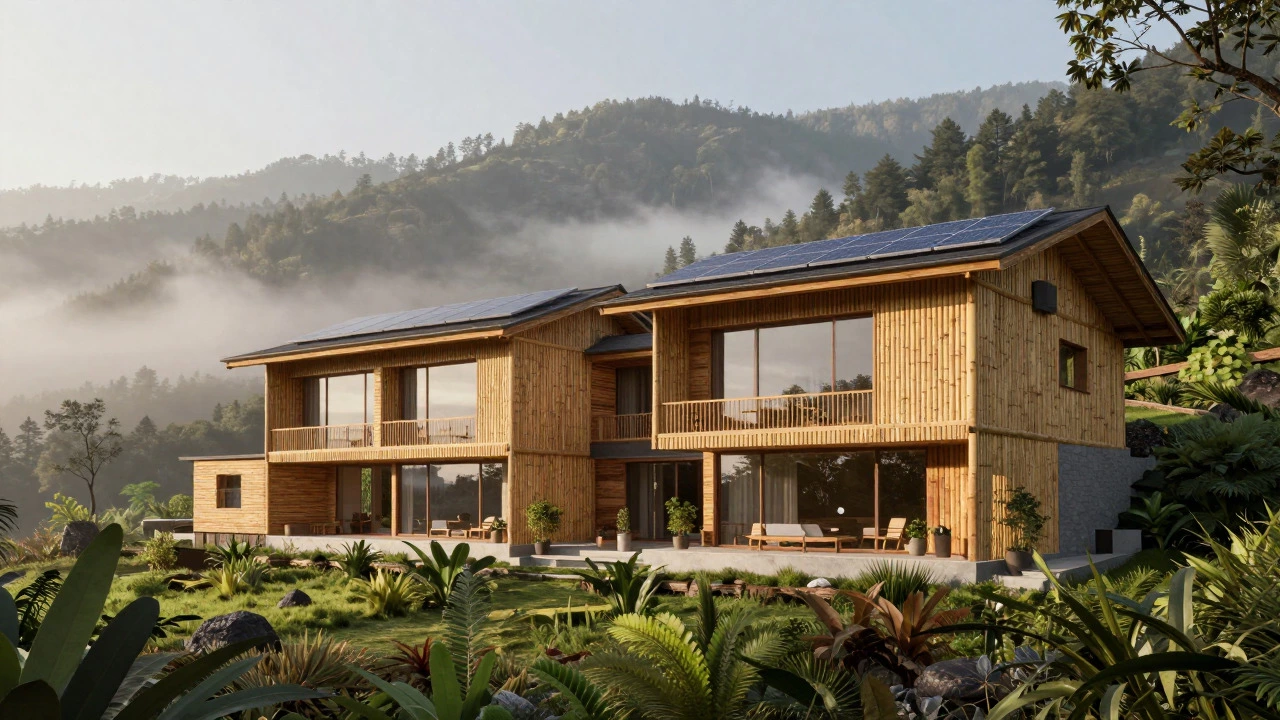
The foundation of any eco-friendly property is its physical structure. You cannot fix poor energy efficiency with good intentions alone. When designing your hotel, prioritize passive design strategies that reduce the need for mechanical heating and cooling. This means orienting buildings to maximize natural light and cross-ventilation, using high-performance insulation, and selecting materials with low embodied carbon.
Consider using locally sourced, renewable materials like bamboo, reclaimed wood, or rammed earth. These materials not only lower transportation emissions but also blend seamlessly with the local landscape, enhancing the guest experience by connecting them to the region's character. For example, many resorts in Southeast Asia now use bamboo extensively because it grows rapidly and has a much smaller carbon footprint than steel or concrete.
| Material | Carbon Footprint | Durability | Aesthetic Appeal | |
|---|---|---|---|---|
| Bamboo | Very Low | High (if treated) | Modern, Natural | |
| Reclaimed Wood | Low | High | Rustic, Warm | |
| Rammed Earth | Very Low | Very High | Earthy, Textured | |
| Recycled Steel | Medium | Very High | Industrial, Sleek |
Also, don't forget about water management at the design stage. Incorporate rainwater harvesting systems and greywater recycling infrastructure early on. Retrofitting these systems later is exponentially more expensive and less effective. By integrating these elements into the core architecture, you set the stage for long-term operational savings.
Implement Renewable Energy Solutions
Energy consumption is one of the biggest environmental impacts of the hospitality industry. To make your hotel truly eco-friendly, you must move away from fossil fuels. The most obvious step is installing solar panels. In 2026, solar technology is more efficient and affordable than ever before. Many resorts in sunny destinations like Bali or Arizona are now generating 100% of their electricity through rooftop and ground-mounted solar arrays.
Beyond solar, consider geothermal heating and cooling systems. These systems use the stable temperature of the earth to regulate indoor climates, reducing energy usage by up to 50% compared to traditional HVAC systems. While the upfront cost is higher, the long-term savings and reduced carbon footprint make it a smart investment for large-scale properties.
Don't overlook small-scale efficiencies either. Switch to LED lighting throughout the property and install motion sensors in hallways and bathrooms. Smart thermostats in guest rooms allow visitors to control their own climate settings, which often leads to lower overall consumption as guests tend to adjust temperatures when they leave the room.

Create a Zero-Waste Food and Beverage Program
The food and beverage sector is a major contributor to waste in hotels. To combat this, adopt a farm-to-table philosophy. Partner with local farmers to source fresh, seasonal ingredients. This reduces food miles, supports the local economy, and provides guests with authentic culinary experiences. Many eco-resorts now have their own organic gardens where herbs, vegetables, and even fruits are grown on-site.
Composting is another critical component. Set up a comprehensive composting system for kitchen scraps and garden waste. This organic matter can then be used to fertilize your on-site gardens, creating a closed-loop system. Additionally, eliminate single-use plastics entirely. Replace plastic bottles with filtered water stations and glass carafes, and serve condiments in bulk dispensers rather than individual packets.
Menu planning also plays a role. Offer plant-based options prominently. The meat industry has a significant environmental impact, so encouraging guests to choose vegetarian or vegan meals can drastically reduce your property's carbon footprint. Educate your staff to guide guests toward these choices without being pushy, framing it as a healthier and more sustainable option.

Optimize Water Conservation Strategies
Water scarcity is a growing global issue, making conservation essential for any responsible hotel. Install low-flow showerheads, faucets, and toilets. These fixtures can reduce water usage by 30-50% without compromising guest comfort. Many modern low-flow devices provide excellent pressure, so guests rarely notice the difference.
Implement a linen and towel reuse program. Encourage guests to keep their towels and sheets for multiple days by offering small incentives, such as discounts on spa services or donations to local charities. Clearly communicate the environmental benefits of this practice to motivate participation. Housekeeping staff should be trained to respect these choices and only change linens when requested.
If your property features a pool, ensure it is covered when not in use to minimize evaporation. Use native, drought-resistant plants in your landscaping to reduce irrigation needs. Xeriscaping, which involves using little to no water for landscaping, is particularly effective in arid regions. By combining these strategies, you can significantly lower your water bill and preserve local water resources.
Foster Community Engagement and Education
An eco-friendly hotel doesn't exist in a vacuum. It should actively contribute to the well-being of the local community. Hire locally whenever possible and provide fair wages and training opportunities. This strengthens the local economy and ensures that tourism benefits the people who live there. Consider partnering with local artisans to sell handmade crafts in your gift shop, giving guests a chance to take home authentic souvenirs while supporting local livelihoods.
Education is key to changing guest behavior. Create interactive displays in common areas that explain your sustainability initiatives. Show guests how their choices, like reusing towels or taking shorter showers, make a real difference. Organize workshops or tours that connect guests with local conservation efforts, such as coral reef restoration projects or wildlife sanctuaries. This transforms a simple vacation into a meaningful experience that fosters a deeper connection to the environment.
Finally, measure and report your impact. Use recognized certification programs like LEED, Green Key, or EarthCheck to validate your efforts. Transparency builds trust with guests who want to know that their money is supporting genuine sustainability. Regularly update your website and social media channels with progress reports, celebrating milestones and acknowledging areas for improvement.
What is the first step in making a hotel eco-friendly?
The first step is conducting a comprehensive sustainability audit. This involves assessing your current energy and water usage, waste generation, and supply chain practices. Identify the biggest areas of inefficiency and prioritize them for immediate action. Setting clear, measurable goals based on this audit helps track progress and ensures accountability.
Is it expensive to build an eco-friendly resort?
Initial costs can be higher due to investments in renewable energy, sustainable materials, and advanced technology. However, these expenses are often offset by long-term savings on utility bills and maintenance. Additionally, eco-friendly certifications can attract premium rates from environmentally conscious travelers, improving return on investment over time.
How do I convince guests to participate in sustainability efforts?
Communication is crucial. Explain the 'why' behind each initiative clearly and positively. Use signage, digital screens, and staff interactions to educate guests. Offer incentives like discounts or charitable donations for participating in programs like linen reuse. Make sustainability part of the guest experience rather than a restriction.
What are some easy wins for existing hotels?
Easy wins include switching to LED lighting, eliminating single-use plastics, implementing a linen reuse program, and sourcing local food for breakfast. These changes require minimal capital investment but yield immediate environmental and financial benefits. They also demonstrate commitment to sustainability, building goodwill with guests.
Which certifications should I pursue for my eco-hotel?
Popular certifications include LEED (Leadership in Energy and Environmental Design), Green Key, EarthCheck, and GSTC (Global Sustainable Tourism Council). Choose a certification that aligns with your location, size, and specific sustainability goals. These credentials provide credibility and help differentiate your property in a competitive market.