How Much Should I Save for a Trip to India? A Realistic Budget Breakdown
 Jun, 2 2026
India Trip Budget Calculator
Trip Details
Estimated Breakdown
You want to visit India, a country known for its vibrant culture and diverse landscapes. But before you book that flight, you need to answer one burning question: how much cash do you actually need in the bank? The short answer is that it depends entirely on your style. You can survive on $25 a day if you are willing to sleep in hostels and eat street food. Or you can spend $300 a day staying in luxury heritage hotels and dining at Michelin-starred restaurants. Most travelers fall somewhere in the middle.
The key is not just knowing the total number, but understanding where that money goes. Flights are a fixed cost, but daily spending varies wildly based on your choices. Let’s break down exactly what you should save, so you don’t end up stranded or overspending.
The Quick Answer: Total Trip Estimates
If you are planning a standard two-week trip, here is a realistic range for your total savings target. These numbers include international flights from North America or Europe, domestic transport, accommodation, food, and activities.
| Travel Style | Daily Budget (USD) | Total Estimate (USD) | What This Gets You |
|---|---|---|---|
| Budget Backpacker | $25 - $40 | $1,200 - $1,800 | Hostels, street food, public buses/trains, free walking tours |
| Moderate/Mid-Range | $60 - $100 | $2,200 - $3,000 | Private rooms in guesthouses, mix of local and restaurant meals, AC trains, entry fees |
| Luxury/Comfort | $150 - $300+ | $4,000 - $7,000+ | 5-star hotels, private drivers, fine dining, premium train suites (Palace on Wheels) |
Note that these estimates assume you are flying into a major hub like Delhi, Mumbai, or Bangalore. If you are coming from closer regions like Southeast Asia or the Middle East, your flight costs will be significantly lower, reducing your total savings goal by perhaps $400-$600.
Flight Costs: The Biggest Fixed Expense
Your international flight is likely the single largest expense you will face. Prices fluctuate heavily based on seasonality. The best time to fly is during the shoulder seasons-October to November or February to March. Avoid July and August (monsoon rains) unless you specifically want to see lush greenery, and avoid December and January if you want to save money, as this is peak tourist season.
A round-trip economy ticket from Vancouver or New York to Delhi typically ranges from $600 to $900 if booked two to three months in advance. Last-minute bookings can easily push this over $1,200. From London or Paris, expect to pay between $400 and $700. Always check multiple airlines; carriers like Air Canada, Emirates, Qatar Airways, and IndiGo offer competitive rates depending on layovers.
Pro tip: Use incognito mode when searching for flights to avoid dynamic pricing algorithms raising prices based on your search history. Also, consider flying into one city and out of another (open-jaw ticket). For example, fly into Delhi and out of Mumbai. This saves you the cost and time of backtracking across the country.
Daily Expenses: Where Your Money Goes
Once you land, your daily budget determines your experience. Let’s look at the four main categories of spending: accommodation, food, transport, and activities.
Accommodation
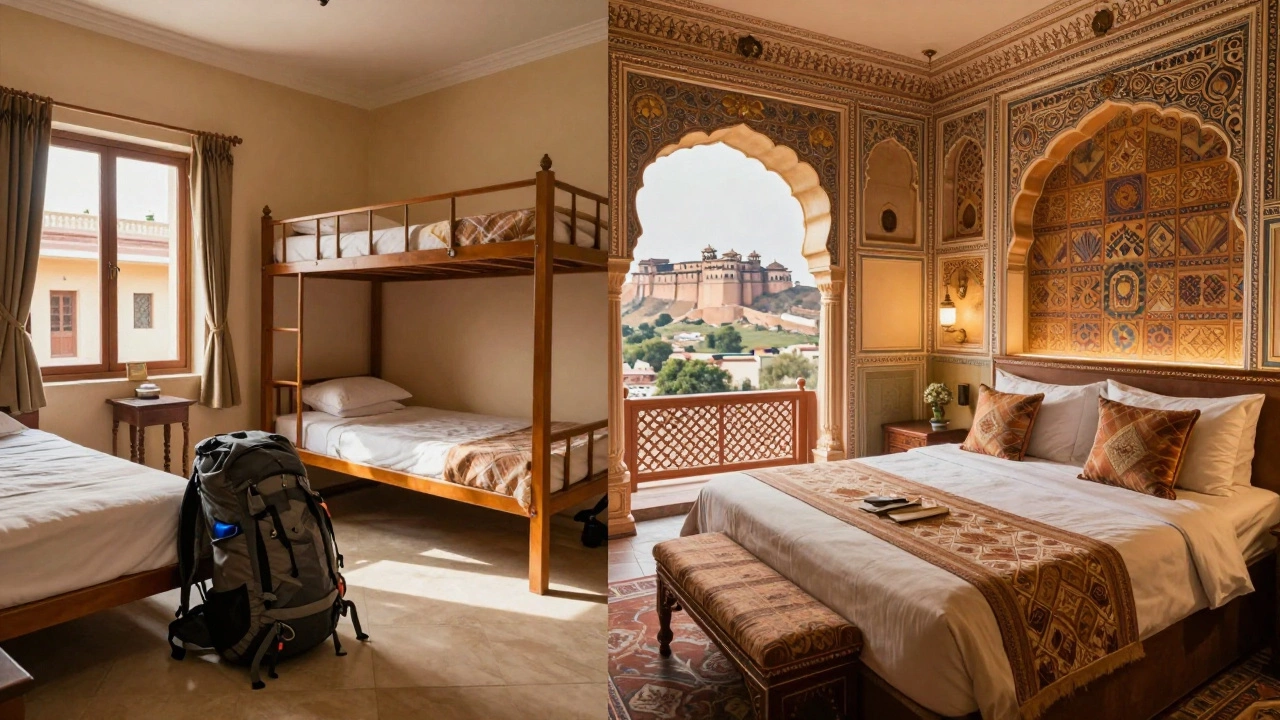
India has an incredible range of lodging options. For budget travelers, hostels are abundant in cities like Goa, Rishikesh, and Jaipur. You can find a bed in a dormitory for $5 to $10 per night. Private rooms in basic guesthouses run $15 to $25.
Mid-range travelers often choose boutique hotels or well-rated Airbnb apartments. Expect to pay $30 to $60 per night for a clean, air-conditioned room with Wi-Fi and breakfast included. In major cities like Mumbai and Delhi, prices skew higher due to demand. Luxury stays in palaces or five-star chains start at $150 per night and go up to $500+ for suites.
Food and Drink
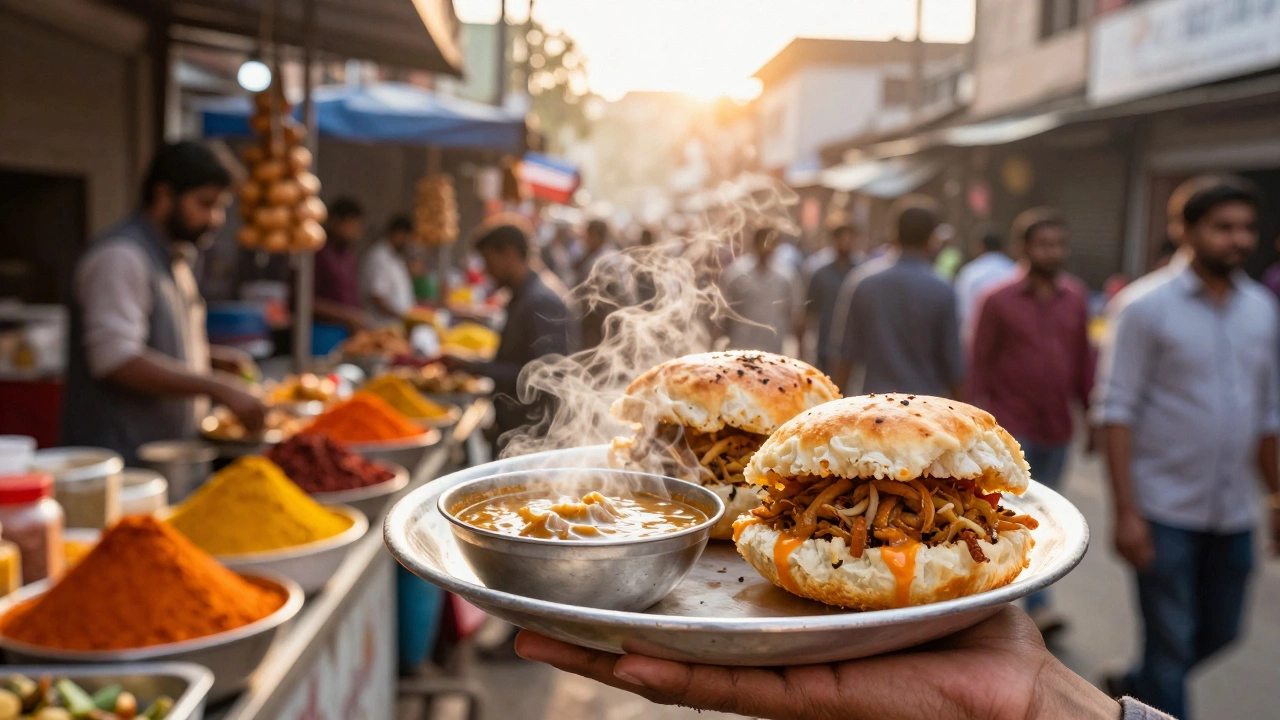
Eating in India is affordable, even for picky eaters. Street food is delicious and cheap. A plate of Chole Bhature (chickpeas with fried bread) or Vada Pav (potato fritter sandwich) costs less than $1. A full meal at a mid-range restaurant might set you back $5 to $10. Fine dining in metropolitan areas can cost $20 to $50 per person.
Drinks vary widely. Local beer is around $2 to $3. Imported alcohol is expensive due to high taxes, often costing $10 to $15 for a bottle of wine. Water bottles are cheap ($0.20), but always buy sealed brands to avoid stomach issues.
Transportation Within India
Getting around is surprisingly inexpensive if you use public transport. Long-distance buses cost $1 to $5. Train travel is the backbone of Indian tourism. Third-class unreserved trains are dirt cheap but crowded. Second Sitting (2S) or Sleeper Class tickets range from $5 to $20 for overnight journeys. Air-conditioned coaches (AC 3-tier or 2-tier) cost $20 to $50 and are recommended for comfort and safety.
For short distances within cities, auto-rickshaws and app-based cabs like Uber or Ola are convenient. A short ride might cost $2 to $5. Hailing a taxi without an app can lead to inflated prices, so stick to apps or pre-negotiate fares clearly.
Activities and Entry Fees
Many of India’s best experiences are free or low-cost. Walking through old cities, visiting temples, and watching street life costs nothing. However, major monuments charge entry fees. The Taj Mahal, for instance, charges about $15 for foreign tourists. Other forts and palaces range from $2 to $10. Guided tours can add $20 to $50 per day, but they provide valuable context and help navigate language barriers.
Hidden Costs and Unexpected Expenses
Beyond the basics, there are smaller costs that add up. Here is what you should factor into your savings:
- Visa Fees: An e-Visa for India costs approximately $25 to $80 depending on the duration and type (tourist, business). Apply online well in advance.
- Travel Insurance: Never skip this. A comprehensive policy covering medical evacuation might cost $50 to $100 for two weeks. Given healthcare disparities, this is non-negotiable.
- Tips: Tipping is customary. Leave 10% at restaurants if service isn’t included. Tip porters, guides, and hotel staff small amounts ($1 to $5) for good service.
- SIM Card and Data: Buying a local SIM card from providers like Jio or Airtel costs $10 to $15 and includes generous data plans essential for navigation and booking rides.
- Vaccinations: Depending on your health history, vaccines for Hepatitis A, Typhoid, or Tetanus might be recommended. Check with your doctor; costs vary but budget $100 to $200 if needed.
Regional Variations in Cost
Not all parts of India are priced equally. Northern India (Delhi, Rajasthan, Kashmir) tends to be slightly more expensive for tourists due to higher infrastructure development and demand. Southern India (Kerala, Tamil Nadu) offers great value, especially for homestays and houseboats in Kerala, which can be pricey but offer unique experiences. Northeastern India requires special permits and has limited connectivity, making flights and logistics more costly.
Goa is a special case. As a beach destination, it attracts many Western tourists, driving up prices for accommodation and nightlife compared to other coastal towns. If you seek cheaper beaches, consider places like Gokarna or Pondicherry instead.
Money Management Tips
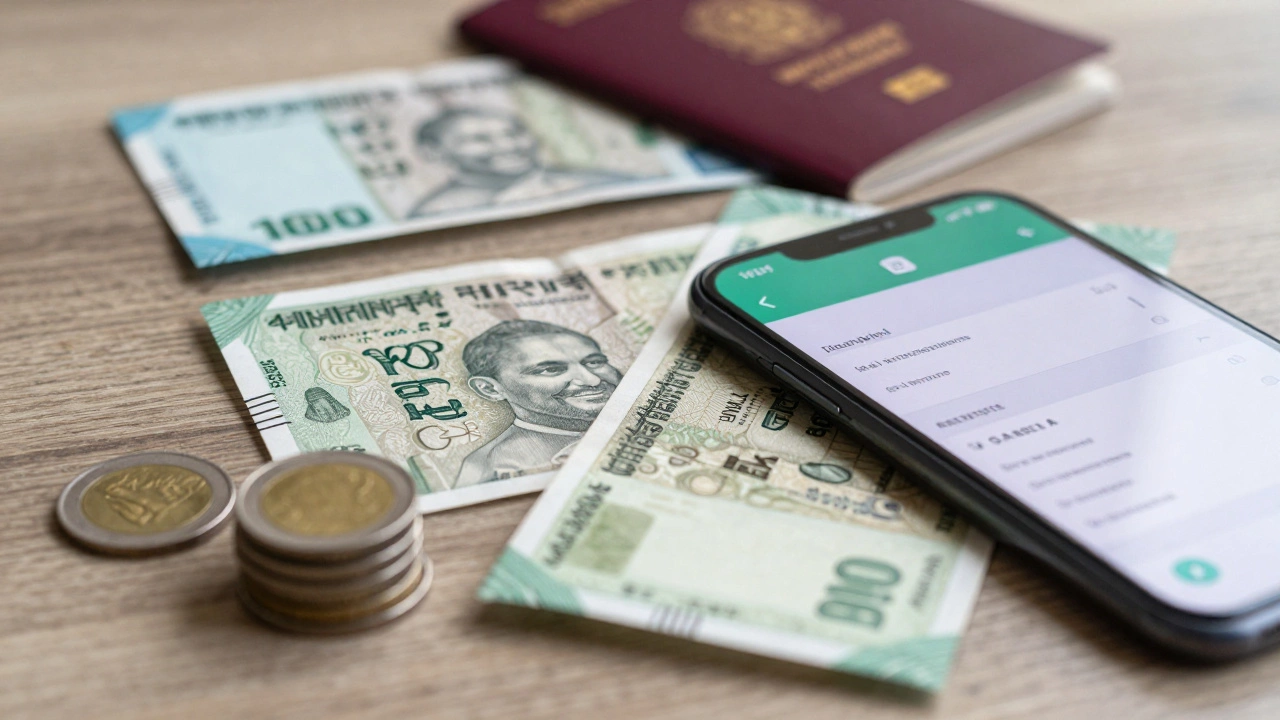
How you handle your money affects your budget. Credit cards are accepted in hotels and larger stores in cities, but cash is king everywhere else. ATMs are widespread, but some charge fees for international withdrawals. Notify your bank before traveling to avoid frozen accounts.
Exchange currency at authorized dealers or banks rather than airport counters, which offer poor rates. The Indian Rupee (INR) is the local currency. Small denominations are hard to find, so keep change handy for tips and small purchases.
Sample Itinerary Budgets
To make this concrete, let’s look at two sample itineraries for a 14-day trip.
Budget Example: The Cultural Explorer
- Flights: $700
- Accommodation (Hostels/Guesthouses): $200
- Food (Street Food/Local Eats): $150
- Transport (Trains/Buses/Autos): $100
- Activities/Entry Fees: $50
- Visa/Insurance/SIM: $100
- Total: ~$1,300
Moderate Example: Comfortable Sightseeing
- Flights: $800
- Accommodation (Boutique Hotels): $600
- Food (Restaurants/Cafes): $300
- Transport (AC Trains/Private Cabs): $250
- Activities/Guides: $150
- Visa/Insurance/SIM: $100
- Total: ~$2,200
Final Thoughts on Savings
So, how much should you save? Aim for the moderate estimate if you want a stress-free experience. Having a buffer of $200 to $300 beyond your calculated budget helps cover unexpected detours or splurges. India rewards flexibility. Sometimes the best memories come from unplanned moments, and having extra cash allows you to say yes to those opportunities.
Is India a cheap country to visit?
Yes, India is generally considered a budget-friendly destination. Compared to Western countries, costs for food, accommodation, and transport are significantly lower. However, luxury experiences and imported goods can be expensive due to taxes.
Do I need a visa for India?
Most tourists require an e-Visa to enter India. You can apply online before your trip. The process is straightforward, but approval times vary, so apply at least two weeks in advance. Visa fees range from $25 to $80 depending on the type.
What is the best time to visit India to save money?
The shoulder seasons of October-November and February-March offer the best balance of good weather and reasonable prices. Peak season (December-January) sees higher prices for flights and hotels. Monsoon season (July-August) is cheaper but comes with heavy rainfall.
Can I use credit cards in India?
Credit cards are widely accepted in hotels, large restaurants, and malls in major cities. However, cash is essential for small vendors, street food, and rural areas. ATMs are common, but check for withdrawal fees with your bank.
How much does domestic transport cost in India?
Domestic transport is very affordable. Long-distance buses cost $1-$5. Train tickets range from $5 for sleeper class to $50 for air-conditioned coaches. Domestic flights can be cheap if booked early, often under $100 for short hops.
Is travel insurance necessary for India?
Absolutely. Healthcare quality varies, and medical evacuation can be extremely costly. A comprehensive travel insurance policy protects you against illness, injury, and trip cancellations. Budget $50-$100 for a two-week trip.
What are some hidden costs to watch out for?
Hidden costs include visa fees, SIM cards, tips, ATM withdrawal fees, and entrance fees for monuments. Also, imported alcohol and certain medications can be surprisingly expensive. Factor these into your daily budget.
How much should I tip in India?
Tipping is appreciated. Leave 10% at restaurants if service charge isn't included. Tip porters $1-$2, hotel housekeeping $1-$2 per day, and tour guides $5-$10 per day depending on group size and service quality.