How Much Money Should You Have for a Honeymoon? Budget Breakdown by Destination
 Jul, 21 2026
Honeymoon Budget Calculator
Configure Your Dream Trip
You just tied the knot. The confetti has settled, the dress is boxed up, and now you’re staring at a spreadsheet that looks more like a math test than a celebration plan. How much money should you actually have for a honeymoon? It’s the question that keeps newlyweds up at night, right after wondering if they remembered to tip the florist.
There is no single magic number. A trip to Bali on a shoestring budget can cost less than a weekend in Paris with champagne flowing. But guessing is dangerous. Overspending drains your savings before you even buy furniture; underspending turns a dream vacation into a stressful scramble for cheap hostels. Let’s break down exactly what drives these costs so you can set a realistic target based on where you want to go and how you want to travel.
The Baseline: What Does a Typical Honeymoon Cost?
If we look at data from major travel aggregators like The Knot and Zola for 2025 and early 2026, the average couple spends between $4,000 and $6,000 USD on their honeymoon. This figure usually covers flights, accommodation, meals, and some activities for two people over seven to ten days. However, averages are misleading. They hide the massive gap between a backpacking adventure through Southeast Asia and a luxury resort stay in the Maldives.
To get a clearer picture, we need to look at three distinct tiers of spending:
- Budget-Conscious ($1,500 - $3,000): This tier often involves staying within North America or Europe, using budget airlines, choosing Airbnbs or boutique hotels over resorts, and cooking some meals. Think road trips along the California coast or exploring cities like Lisbon and Prague.
- Moderate/Standard ($3,000 - $7,000): This is the sweet spot for many couples. It allows for international long-haul flights (like to Japan or Mexico), four-star accommodations, guided tours, and nice dinners without breaking the bank. You’re comfortable but not splurging on private jets.
- Luxury ($8,000+): Here, price becomes secondary to experience. We’re talking overwater bungalows in Bora Bora, safari lodges in Kenya, or all-inclusive ultra-luxury resorts in the Caribbean. Flights are business class, and every meal is a culinary event.
Your starting point depends entirely on which lane you fall into. Don’t compare your budget to someone else’s Instagram photos. Compare it to your bank account and your priorities.
Destination Dictates Your Dollar Amount
Where you go is the single biggest factor in your total spend. Some countries are naturally more expensive due to infrastructure, taxes, and local wages. Others offer incredible value for money. If you have a fixed budget, say $4,000, your options change dramatically depending on geography.
| Region/Destination | Budget Tier | Moderate Tier | Luxury Tier |
|---|---|---|---|
| Southeast Asia (Thailand, Vietnam) | $1,500 - $2,500 | $2,500 - $4,000 | $5,000+ |
| Europe (Italy, France) | $3,000 - $4,500 | $5,000 - $7,000 | $9,000+ |
| Caribbean (Dominican Republic, Jamaica) | $2,500 - $3,500 | $4,000 - $6,000 | $7,500+ |
| North America (USA, Canada) | $2,000 - $3,000 | $3,500 - $5,500 | $7,000+ |
| Oceania (Fiji, Bora Bora) | $4,000 - $5,500 | $6,000 - $9,000 | $12,000+ |
Notice the difference? A moderate honeymoon in Thailand might cost half as much as a budget-friendly trip to Italy. If you love European culture but only have $3,000, you’ll need to shorten your trip or stick to Eastern Europe (Poland, Hungary) rather than Western Europe. If you crave tropical beaches but have limited funds, consider the Dominican Republic over Fiji. Geography isn’t just scenery; it’s economics.
Breaking Down the Hidden Costs
Most people calculate flights plus hotel and call it a day. That’s a mistake. The real budget killers are the small things that add up quickly. When planning your total pot of money, allocate percentages to these specific categories.
- Flights (30-40%): Airfare fluctuates wildly. Booking 3-6 months in advance for international travel usually yields the best prices. Remember to check baggage fees separately. A “cheap” ticket can become expensive if you’re paying $100 per bag each way.
- Accommodation (25-30%): Hotels vary by season. A beach resort in July might cost double what it does in November. Consider whether you need a room service menu or if a kitchenette saves you money on food.
- Food & Drink (20-25%): Dining out twice a day adds up. In Europe, a simple dinner for two with wine can easily hit $80-$100. In Southeast Asia, it might be $15. Factor in alcohol costs, which are heavily taxed in places like Australia and Scandinavia.
- Activities & Tours (10-15%): Snorkeling, hot air balloons, museum tickets, and guided hikes aren’t free. Book these in advance online to avoid tourist markups.
- Transfers & Local Transport (5-10%): Airport transfers can cost $50-$150 per ride. Relying on taxis everywhere will drain your wallet. Research public transport options or rental car costs early.
- Emergency Buffer (10%): Always keep 10% of your total budget untouched for unexpected events: lost luggage, medical needs, or sudden flight changes.
For example, if you set a $5,000 budget, that means $500 is strictly for emergencies. If you don’t use it, great! You save it. If you do, you won’t panic.

Timing Is Everything: Seasonality and Price Spikes
When you go matters almost as much as where you go. Traveling during peak seasons guarantees better weather but also higher prices and crowds. For 2026, expect inflation to continue pushing travel costs up slightly year-over-year.
Consider the "shoulder season"-the weeks just before or after peak times. For instance, visiting the Caribbean in late April or early May avoids hurricane season and spring break crowds, often dropping hotel rates by 20-30%. Visiting Europe in September offers warm weather but fewer tourists than August. These small shifts in timing can save you hundreds, if not thousands, of dollars.
Avoid major holidays. Flying over Christmas, New Year’s, or Thanksgiving in the US will skyrocket airfare. If your wedding date is flexible, try to schedule it so your honeymoon falls in a low-demand period. Even shifting your departure by a few days (Tuesday/Wednesday flights are often cheaper) can make a dent in the budget.
Who Pays? Navigating the Etiquette
This is the awkward conversation many couples avoid. Traditionally, the groom’s family paid for the honeymoon. Today, that rule is largely obsolete. Most couples pay for their own honeymoon from their wedding savings or personal funds. However, some families still offer contributions.
If you’re relying on gifts, be realistic. Don’t plan a $10,000 trip assuming your aunt will cover the flights. Create a separate honeymoon fund on your wedding registry if you want guests to contribute directly. Be transparent about your plans. Saying, “We’re saving for a trip to Japan,” is better than hinting vaguely at “travel.”
If you’re paying out of pocket, prioritize this expense alongside other post-wedding financial goals. Do you need to fix your roof? Pay off student loans? Balance your honeymoon against these responsibilities. A memorable trip shouldn’t leave you financially stranded six months later.
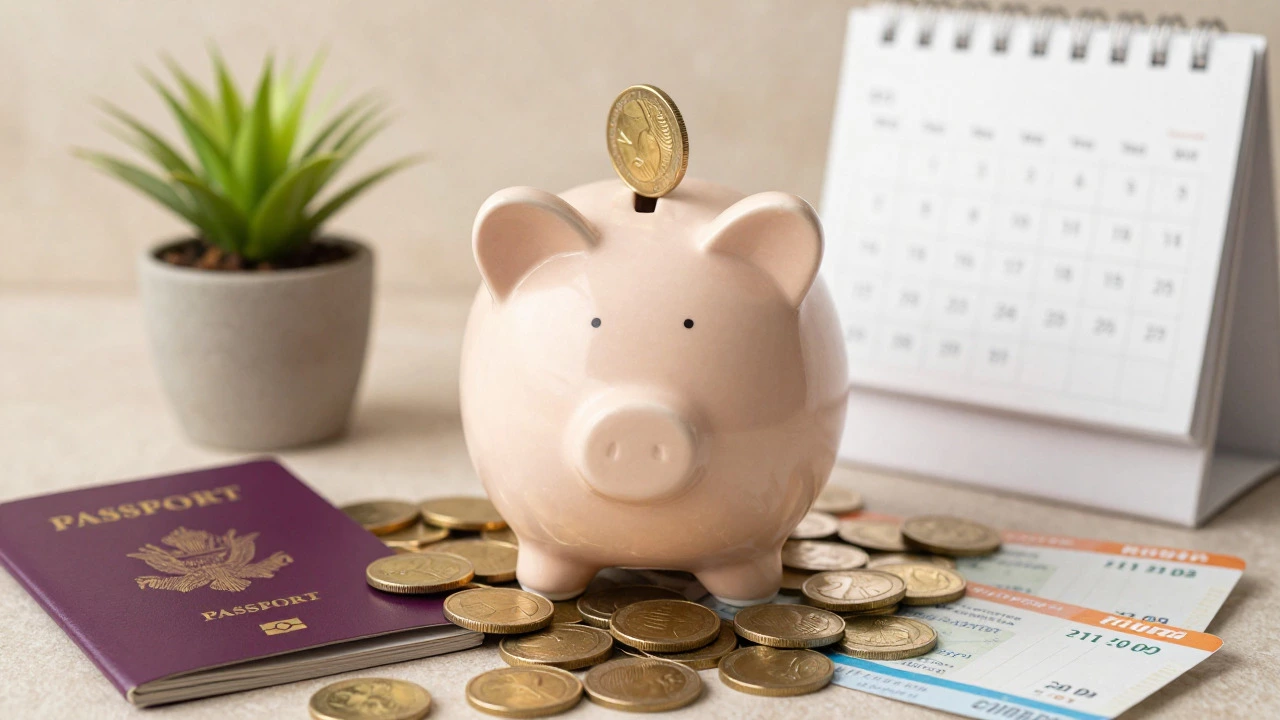
Smart Strategies to Stretch Your Budget
You don’t need to sacrifice enjoyment to save money. Smart planning makes a bigger difference than having a huge bank account. Here are practical tips used by seasoned travelers:
- Use Credit Card Points Wisely: If you’ve been accumulating points, now is the time to cash them in for flights or hotel stays. Look for cards with travel portals that offer bonus multipliers. Just ensure you pay off the balance immediately to avoid interest.
- Book Directly: Sometimes booking directly with the hotel or airline gets you better perks (free breakfast, room upgrades) than third-party sites. Call them and ask. It doesn’t hurt.
- Mix Luxury and Frugality: Stay in a luxury resort for three nights and a budget Airbnb for four. Fly economy but splurge on one amazing dinner. Balance high-cost experiences with low-cost relaxation.
- Travel Light: Checked bags cost money. Carry-on only saves you cash and hassle. Pack versatile clothing that works for multiple outfits.
- Free Activities First: Research free museums, parks, and walking tours. Many cities offer excellent free experiences that require no entry fee.
Setting Your Personal Number
So, how much money should you have? Start by looking at your net worth. Financial advisors often suggest keeping 3-6 months of living expenses in an emergency fund. Don’t dip into that. Your honeymoon budget should come from discretionary income or dedicated wedding savings.
Ask yourselves these questions:
- What is the maximum amount we can spend without going into debt?
- Which part of the trip matters most to us? (Is it the food, the view, or the privacy?)
- Are we willing to compromise on location to save money?
If the answer to the first question is $3,000, then that’s your ceiling. Find a destination that fits that range comfortably. Don’t stretch to $5,000 because your friends did. Your marriage is built on partnership, not performance.
A good rule of thumb: If the cost of the honeymoon causes you stress during the trip, it was too much. The goal is relaxation and connection. Money spent wisely enhances that; money spent anxiously detracts from it.
Should I put my honeymoon on a credit card?
Only if you can pay off the full balance by the due date. Credit cards offer fraud protection and sometimes rewards points, which can be valuable. However, carrying a balance with high-interest APR will negate any savings from rewards. Treat the honeymoon expense like cash-if you wouldn’t withdraw it from your checking account, don’t swipe the card.
How much should I save per month for a honeymoon?
It depends on your timeline. If you have 12 months until your trip and a $5,000 budget, aim to save $415 per month. Set up an automatic transfer to a separate high-yield savings account labeled "Honeymoon." Consistency is key. Small, regular deposits add up faster than you think.
Is it rude to expect family to pay for the honeymoon?
In modern etiquette, yes, it can be seen as presumptuous unless explicitly offered. While some families still follow tradition, most couples pay for themselves. If family members ask how they can help, you can mention your travel plans, but never demand contribution. Graciously accept gifts, whether monetary or otherwise.
What is the cheapest country for a honeymoon?
Countries in Southeast Asia like Vietnam, Thailand, and Indonesia offer incredible value. You can find luxury accommodations, delicious food, and unique experiences for a fraction of the cost in Europe or North America. Eastern European countries like Bulgaria and Romania are also affordable alternatives for city-break honeymoons.
Should I buy travel insurance for my honeymoon?
Yes, especially for non-refundable bookings and international travel. Medical emergencies abroad can be devastatingly expensive. Travel insurance protects your investment if flights are canceled, luggage is lost, or health issues arise. Look for policies that cover "trip interruption" and "medical evacuation."
How far in advance should I book my honeymoon?
Ideally, 6 to 12 months in advance. This gives you the best selection of flights and accommodations, particularly for popular destinations and peak seasons. Booking early also locks in lower prices before seasonal spikes occur. For last-minute deals, you risk limited availability and higher costs.