How Many Days in India Is Enough? A Realistic Itinerary Guide
 May, 21 2026
India Trip Planner & Cost Estimator
Your Trip Recommendation
Suggested Itinerary
Pace:
Estimated Total Cost
India is not a place you visit; it is a place you survive and then fall in love with. If you are asking how many days you need, the honest answer depends entirely on whether you want a taste or a transformation. Most first-time travelers book two weeks. Some leave feeling rushed. Others feel like they barely scratched the surface. The truth is that India rewards patience but punishes haste.
You cannot see everything. No one can. Even locals spend lifetimes exploring their own country. So, the question isn't about seeing every monument or eating every street food. It is about crafting an experience that matches your energy levels, budget, and curiosity. Let’s break down exactly what you can achieve in different timeframes, so you stop guessing and start planning.
The Quick Taste: 7 to 10 Days
If you have limited vacation days or just want a snapshot of the classic Indian experience, seven to ten days is your window. This is not enough time to explore multiple regions. In fact, trying to do so will turn your holiday into a logistical nightmare. Instead, pick one circuit and stick to it.
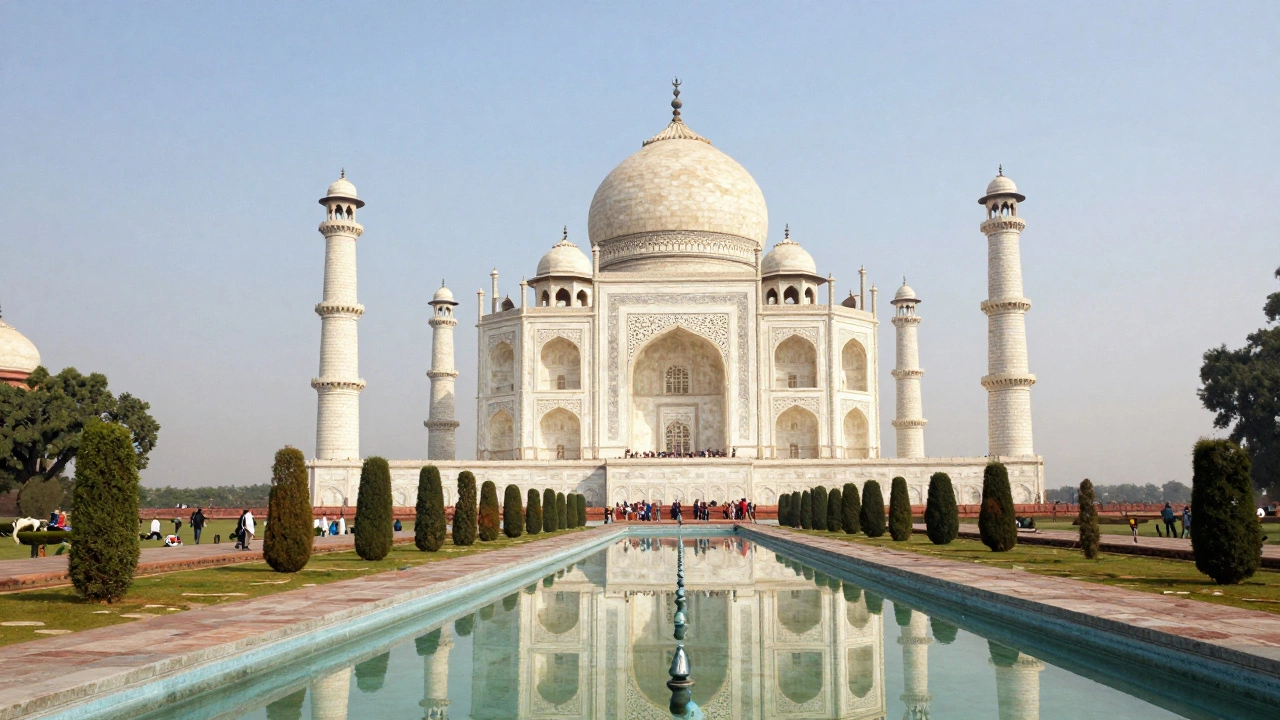
The most popular option is the Golden Triangle, which connects Delhi, Agra, and Jaipur. This route works because the cities are relatively close, connected by good roads and frequent trains. You can spend three days in Delhi absorbing the colonial history and chaotic markets, two days in Agra for the Taj Mahal and the red sandstone fort, and three days in Jaipur experiencing Rajasthani culture and palaces.
- Day 1-3: Arrive in New Delhi. Visit the Red Fort, Humayun’s Tomb, and Chandni Chowk. Eat at Karim’s.
- Day 4-5: Take an early morning train to Agra. See the Taj Mahal at sunrise. Explore the Agra Fort.
- Day 6-8: Drive or take a train to Jaipur. Visit Amber Fort, Hawa Mahal, and City Palace.
- Day 9-10: Optional day trip to Jodhpur (the Blue City) if you have extra time, otherwise relax in Jaipur before flying out.
This itinerary is intense. You will be moving constantly. But it gives you the iconic postcard images: the marble mausoleum, the pink city architecture, and the bustling capital. It is perfect for couples who want romance mixed with history, or solo travelers who want efficiency. Just know that this is only the tip of the iceberg. You will miss the beaches, the mountains, and the spiritual depth of other regions.
The Balanced Experience: 14 to 21 Days
Two to three weeks is the sweet spot for most travelers. It allows you to combine two distinct regions without feeling like you are living in an airport. This duration lets you slow down enough to actually enjoy the moments rather than just checking boxes.
A strong combination here is North India plus a touch of spirituality or nature. For example, you could start with the Golden Triangle as mentioned above, but then head south to Varanasi. Varanasi is ancient, intense, and unlike anywhere else on earth. Spending three days there watching the Ganges river rituals provides a cultural counterweight to the royal grandeur of Rajasthan.
Alternatively, swap Varanasi for Goa. After the heat and dust of the north, the laid-back vibe of Goa is a relief. You can spend five days in Rajasthan, four days in Delhi/Agra, and six days in Goa. This mix gives you history, adventure, and relaxation.
| Duration | Best For | Pace | Key Regions |
|---|---|---|---|
| 7-10 Days | Short vacations, tight budgets | Fast, structured | Golden Triangle only |
| 14-21 Days | First-timers, balanced interests | Moderate, flexible | North India + Goa/Varanasi |
| 21-30 Days | Deep immersion, diverse landscapes | Slow, exploratory | North, South, or Himalayas |
With three weeks, you also have buffer days. Things go wrong in India. Trains get delayed. Rains happen. Getting lost is part of the fun. Having empty days in your schedule reduces stress significantly. Use these days to wander through local neighborhoods, try new foods, or simply sit in a cafe and watch the world go by.
The Deep Dive: 30 Days or More
If you have a month or more, you can truly understand the diversity of India. This is where you stop being a tourist and start feeling like a temporary local. You can visit contrasting regions that are thousands of miles apart.
Consider a route that spans from the snow-capped Himalayas to the tropical backwaters of Kerala. Start in Leh-Ladakh for mountain biking or monastery visits. Then fly to Kolkata for colonial heritage and Bengali cuisine. Next, head to Kerala for houseboat stays and Ayurvedic massages. Finally, end in Mumbai for the financial hub’s energy and Bollywood glamour.
This type of trip requires more budget and better planning. Domestic flights become necessary to save time. You will need to adjust to different climates, languages, and food styles every few days. However, the reward is a comprehensive view of the subcontinent. You will see why India is called a continent in itself.
Budgeting Your Time: Cost vs. Duration
Time and money are linked. Staying longer doesn’t always mean spending proportionally more per day. In fact, daily costs often decrease as you stay longer because you reduce transport frequency and find cheaper long-stay accommodations.
For a Budget Traveler, who uses public transport and eats street food, a week in the Golden Triangle might cost around $500-$700 USD including flights. Two weeks could bring that to $1,000-$1,200. The key is avoiding private drivers for every leg. Use overnight trains to save on hotel nights. Eat at local dhabas (roadside eateries) instead of restaurants.
Luxury travelers can compress time by using private cars and domestic business class flights. They might cover more ground in fewer days but pay a premium for comfort. If you are on a strict budget, extend your stay in one location rather than moving frequently. Renting a room for a week is cheaper per night than booking daily hotels.
Seasonal Factors: When Does Time Matter?
Your ideal duration changes based on when you visit. India has three main seasons: summer, monsoon, and winter. Each affects how much you can do outdoors.
In summer (April to June), temperatures soar. In Delhi and Rajasthan, it can exceed 45°C (113°F). During this time, indoor activities dominate. Museums, forts, and air-conditioned malls become your refuge. You might need more rest days between sightseeing sessions. A 10-day trip might feel exhausting if you are battling heat all day.
Monsoon season (July to September) brings heavy rains. While lush greenery returns, travel can be disrupted. Flights get canceled, and roads flood. However, this is a great time for hill stations like Mussoorie or Darjeeling. If you plan a trip during monsoon, build in flexibility. Allow extra days for weather delays.
Winter (October to March) is the peak season. Weather is pleasant across most of the country. This is the best time for trekking in the Himalayas or beach hopping in Goa. Since conditions are ideal, you can pack more activities into each day. A 14-day winter trip feels much fuller than a 14-day summer trip.
Common Mistakes That Waste Time
Many travelers underestimate transit times. Distances in India are vast. What looks like a short drive on Google Maps can take twice as long due to traffic, narrow roads, or police checks. Always add a 50% buffer to estimated travel times.
Another mistake is overbooking. Trying to visit five cities in ten days leads to burnout. You spend half your time in buses or airports. Quality suffers. Choose fewer places and explore them deeply. Talk to locals. Sit in parks. Get lost in markets. These experiences create memories faster than rushing from monument to monument.
Also, don’t ignore visa processing. An e-visa takes a few days to process. Plan your arrival date accordingly. Last-minute cancellations or delays can eat into your precious days.
Final Thoughts on Pacing
There is no single right answer to how many days are enough. It depends on your goals. If you want Instagram photos, seven days is plenty. If you want to understand the soul of the country, give yourself a month. Listen to your body. India demands energy. Respect its pace. Slow down, breathe, and let the chaos wash over you. You will leave with more than just souvenirs; you will leave with stories.
Is 10 days enough to see India?
Yes, if you focus on one region like the Golden Triangle (Delhi, Agra, Jaipur). Ten days allow you to see major landmarks without excessive rushing. However, you will only experience a small fraction of India's diversity. For a broader view, consider extending to 14-21 days.
What is the minimum number of days recommended for India?
The absolute minimum is 7 days. Anything less than a week leaves too little time for acclimatization and sightseeing after accounting for travel fatigue. Seven days is suitable for a focused city break or a specific interest like yoga retreats or wildlife safaris.
Can I visit North and South India in 2 weeks?
Technically yes, but it is highly discouraged. Flying from Delhi to Kerala takes 3 hours, but adjusting to the climate, language, and culture takes time. Rushing between extremes leads to superficial experiences. Stick to either North or South India for a 2-week trip to ensure depth and enjoyment.
How does budget affect the length of my India trip?
A tighter budget often encourages longer stays in fewer locations. Daily costs drop when you use local transport and eat street food. Conversely, luxury travel allows for faster movement via private jets or business class flights, potentially covering more ground in less time, though at a higher daily cost.
When is the best time to visit India to maximize my days?
Winter (October to March) offers the best weather nationwide, allowing for maximum outdoor activity and efficient travel. Summer heat and monsoon rains can limit sightseeing options and cause delays, effectively reducing the usable days of your trip.