How Far Does $20 Go in India? A Realistic Budget Breakdown
 Sep, 29 2026
India Budget Estimator
Sightseeing Tip:
With your remaining budget, you can visit...
Twenty dollars. In Vancouver, that might buy you a mediocre coffee and a sandwich, or perhaps a single hour of parking downtown. But if you swap your Canadian dollars for Indian Rupees, that same twenty bucks transforms into a surprisingly robust day of survival-and even enjoyment-in one of the world's most affordable destinations. As of late 2026, with exchange rates hovering around 83-84 INR per USD, $20 translates to roughly ₹1,650-₹1,700. Is that enough to see the Taj Mahal? No. Is it enough to eat well, sleep safely, and move between cities? Absolutely.
This isn't about luxury backpacking where you stay in hostels with rooftop bars and drink craft beer. This is about the gritty, beautiful reality of what money buys you on the ground. If you're planning a trip to India and wondering if you can stretch a tight budget, you need concrete numbers, not vague promises. Let's break down exactly how far $20 goes when you navigate the local economy like a pro.
The Daily Survival Kit: Food and Drink
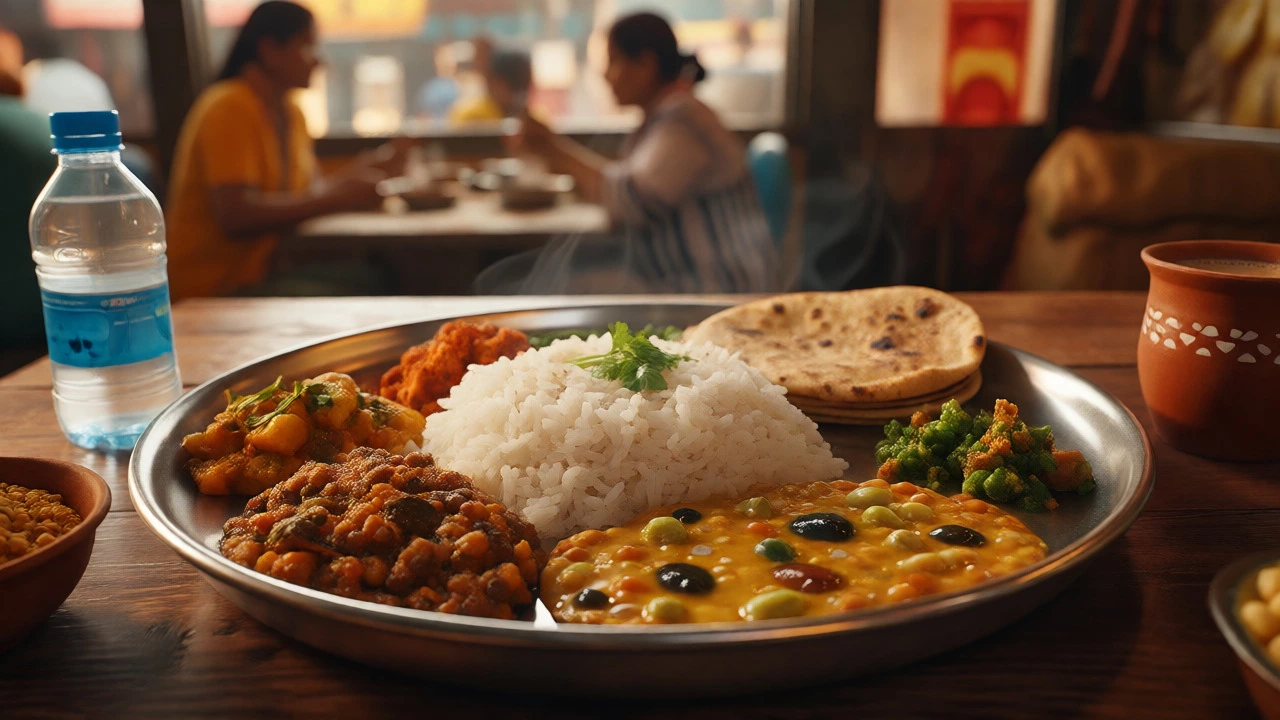
Food is where your money works hardest. In major metros like Delhi or Mumbai, tourist traps will charge you premium prices, but step two streets away from the main gate, and the game changes entirely. Your primary ally here is the Thali. This isn't just a plate; it's a nutritional fortress consisting of rice, lentils (dal), vegetables, and often bread (roti or naan). A decent, filling thali at a local dhaba or canteen costs between ₹150 and ₹250 ($1.80-$3.00).
If you prefer street food, the savings are even more dramatic. Two plates of spicy pakoras or a bowl of chaat might set you back ₹40-₹60. Add a bottle of bottled water (essential-tap water is risky for unacclimated stomachs) for ₹20, and a cup of chai for ₹15. You can easily eat three hearty meals and snacks for under ₹600 ($7.20). That leaves you with over ₹1,000 for everything else. The key is avoiding restaurants with air conditioning and English menus in tourist zones. Look for places crowded with locals eating with their hands; that’s usually the sign of fresh, authentic, and cheap food.
Where You Sleep: The Reality of ₹800 Nights
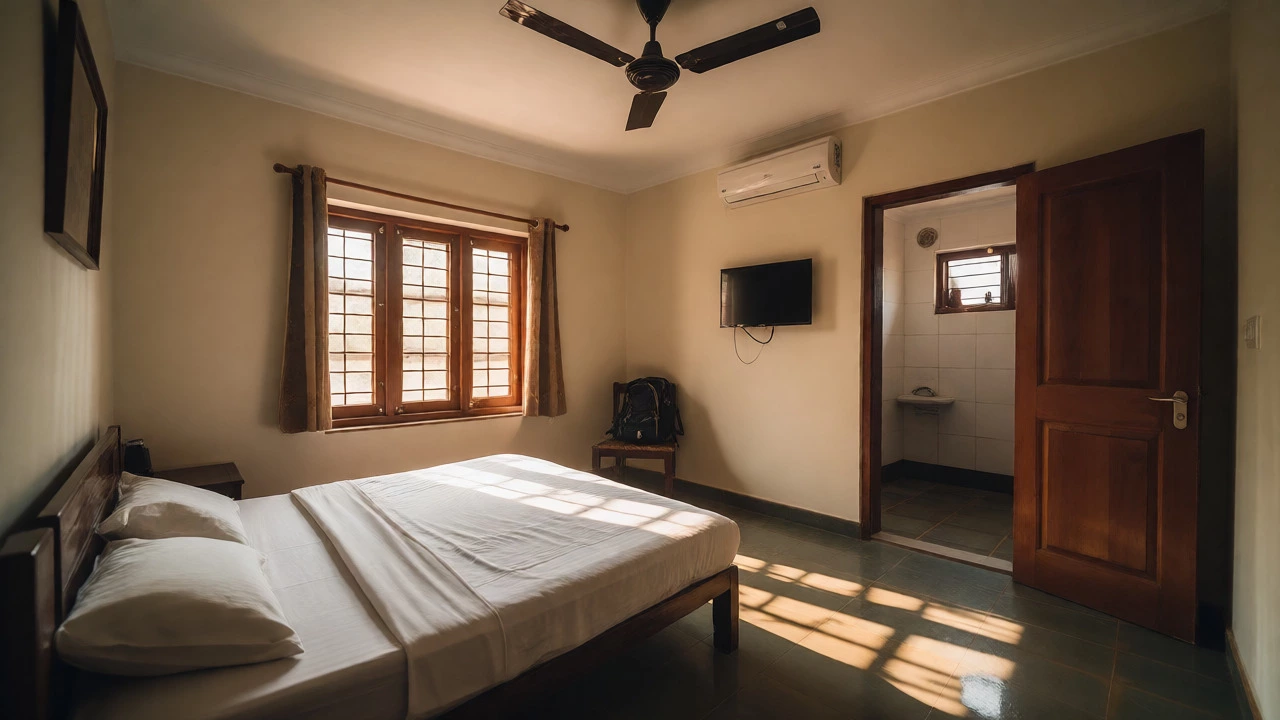
Accommodation is the biggest variable in your budget. Can you find a hotel for $20? Yes, but don't expect marble floors. For ₹800-₹1,200 ($9.50-$14.50), you’re looking at guesthouses in areas like Paharganj in Delhi or Fort Cochin in Kerala. These rooms typically include:
- A double bed with clean sheets (bring a sleeping bag liner if you're picky).
- An attached bathroom with a shower (sometimes hot, sometimes cold depending on the time of day).
- Basic Wi-Fi, which might be spotty.
- No air conditioning, but likely a ceiling fan.
In smaller towns or rural areas, this price point gets you much more space and potentially a private balcony overlooking fields. In big cities, you’re paying for location. If you opt for dorm-style hostels, you can drop this cost to ₹400-₹600 ($4.80-$7.20), freeing up cash for experiences. However, privacy has value. Many travelers find that spending $12 on a private room versus $5 on a dorm makes the difference between restful sleep and a night of snoring strangers. It’s a trade-off worth considering if you plan to explore all day.
Getting Around: Rickshaws vs. Trains
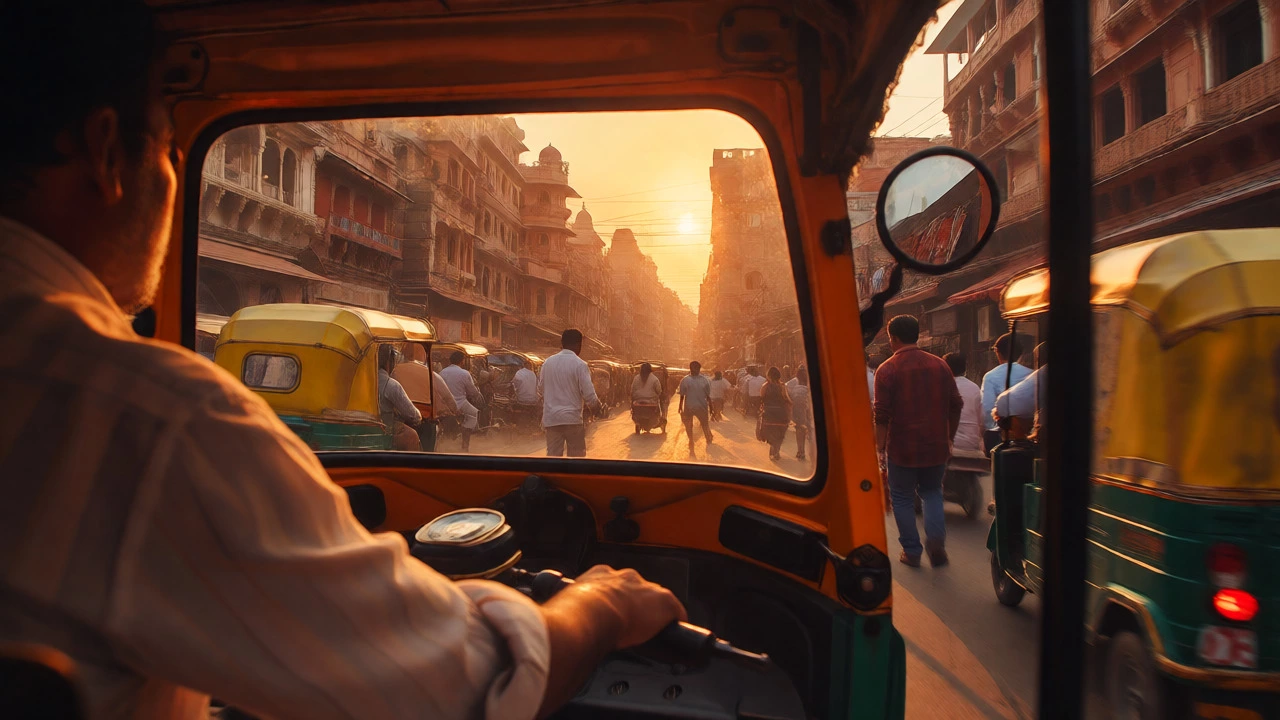
Movement within cities is cheap if you know the rules. Auto-rickshaws are ubiquitous. In cities like Jaipur or Varanasi, a 10-minute ride should cost ₹50-₹80 ($0.60-$1.00). Always negotiate before getting in, or use apps like Uber or Ola if available, though they can be slightly pricier than haggled rickshaws. Metro systems in Delhi and Bangalore offer rides for as little as ₹10-₹60 depending on distance, making them the cheapest option for longer hops across town.
Inter-city travel is where budgets get tested. Sleeper class train tickets (Sleeper Class) on Indian Railways are incredibly affordable. A journey from Delhi to Agra might cost ₹200-₹300 ($2.40-$3.60). From Mumbai to Goa, sleeper class is around ₹500-₹700 ($6.00-$8.40). These trains are slow but functional. AC classes cost significantly more-often double or triple-but for a $20/day budget, you’ll likely stick to non-AC or second-class seating unless you’re taking a short hop. Buses are another option; state-run buses are dirt cheap (₹100-₹200 for medium distances), while private Volvo coaches cost more but offer comfort.
| Category | Low Budget (Backpacker) | Mid-Range (Comfort Seeker) | Notes |
|---|---|---|---|
| Accommodation | ₹400-₹600 ($4.80-$7.20) | ₹800-₹1,200 ($9.50-$14.50) | Dorm vs. Private Room |
| Food & Drink | ₹400-₹600 ($4.80-$7.20) | ₹700-₹900 ($8.40-$10.80) | Street food vs. Local Restaurants |
| Local Transport | ₹100-₹200 ($1.20-$2.40) | ₹300-₹500 ($3.60-$6.00) | Metro/Walk vs. Auto/Uber |
| Inter-city Travel | ₹0-₹300 ($0-$3.60) | ₹500-₹800 ($6.00-$9.60) | Varies by distance; averaged daily |
| Total Daily Spend | ₹900-₹1,700 ($10.80-$20.40) | ₹2,300-₹3,400 ($27.60-$40.80) | $20 covers Low Budget comfortably |
Experiences and Sightseeing
Here’s the catch: $20 doesn’t cover major monuments every day. Entry fees for foreigners are steep compared to locals. The Taj Mahal costs ₹1,100 ($13.20) for foreign tourists. That’s nearly two-thirds of your daily budget gone in one ticket. However, many sites are free or cheap. Walking through Old Delhi’s Chandni Chowk costs nothing. Visiting the Lotus Temple is ₹50. Temples in South India often have minimal entry fees or are free. Museums vary; some state museums charge ₹20-₹50, while national museums might be ₹200.
To make $20 work, you have to prioritize. Pick one major paid attraction every few days and fill the gaps with free cultural immersion. Sit in a park, watch a cricket match, visit a market, or walk along a beach. These activities cost zero rupees but provide rich memories. Also, remember that bargaining is expected in markets. Starting at 50% of the quoted price and meeting in the middle is standard practice. This skill helps stretch your remaining funds for souvenirs or a special meal.
Hidden Costs and Pitfalls
While the sticker prices look great, hidden costs can erode your budget quickly. Tipping is customary-round up taxi fares by ₹10-₹20, tip waiters 5-10%, and give small tips to housekeeping. These add up. Then there’s data. An eSIM or local SIM card with unlimited data for a month costs around ₹300-₹500 ($3.60-$6.00). Divide that by 30 days, and it’s negligible, but you must factor it in initially.
Healthcare is another consideration. While basic medicines are cheap, unexpected illness can derail a tight budget. Travel insurance is non-negotiable. Don’t skip it to save money. Also, beware of "free" tours that end with high-pressure shopping stops. They seem cheap upfront but drain your wallet later. Stick to self-guided exploration using maps and audio guides downloaded offline.
Regional Variations: Where Does $20 Go Furthest?
Not all regions in India cost the same. Northeast India and parts of Central India (like Madhya Pradesh) tend to be cheaper for accommodation and food than tourist hubs in Rajasthan or Goa. In Goa, especially during peak season, $20 might only get you a shared dorm and simple meals. In contrast, in cities like Indore or Lucknow, $20 could secure a private room with breakfast included. Plan your route strategically. Start in expensive hubs, then move to less-touristed areas to stretch your funds further.
Ultimately, $20 a day in India is feasible for a disciplined traveler who embraces local life. It requires flexibility, willingness to compromise on luxury, and smart choices about where to spend. You won’t live like a king, but you’ll eat well, sleep safely, and experience a culture that offers immense value for every rupee spent. It’s not just about saving money; it’s about engaging with the country on its own terms.
Is $20 a day realistic for solo travel in India in 2026?
Yes, $20 a day is realistic for a solo traveler sticking to budget accommodations like hostels or basic guesthouses, eating local street food or thalis, and using public transport. It requires careful budgeting and avoiding luxury services or frequent inter-city travel.
What does $20 buy you in terms of food in India?
With $20, you can afford three substantial meals per day, including multiple thalis, street food snacks like samosas or chaat, bottled water, and several cups of chai. You can eat at local eateries rather than tourist-oriented restaurants.
Can I stay in a private room with $20/day budget?
In smaller towns or off-season periods, yes, you can find private rooms in basic guesthouses for ₹800-₹1,000 ($9.50-$12). In major tourist cities like Mumbai or Delhi, $20 may only cover a dormitory bed in a hostel, leaving little for other expenses.
Are train tickets affordable on a $20/day budget?
Sleeper class train tickets are very affordable, costing ₹200-₹500 for medium-distance journeys. However, frequent long-distance travel can strain the budget. It’s best to limit inter-city moves to once every few days or choose shorter routes to stay within the $20 limit.
Do I need extra money for entrance fees to major sights?
Yes, major monuments like the Taj Mahal or Red Fort have separate entry fees for foreigners, ranging from ₹500 to ₹1,100. These fees can consume a large portion of your daily budget, so plan to visit only one major paid site every few days and rely on free cultural experiences otherwise.