Danger Zones: Which Situations Should Hikers Avoid in India?
 Jul, 24 2026
Hiking Risk Assessment Tool
Select Your Situation
Click the options that match your planned or current hike.
Safety Analysis
Status: Safe
Your conditions are generally low-risk. Ensure you have basic first aid and stay hydrated.
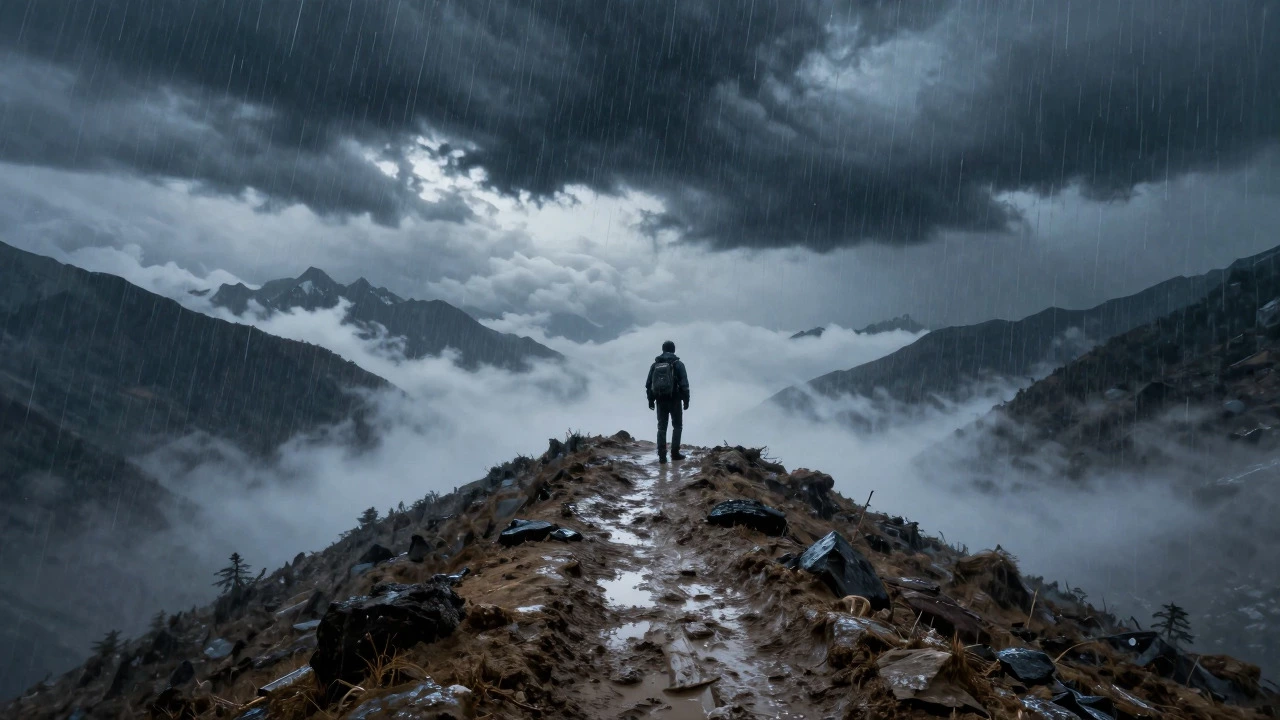
Imagine standing on a ridge in the Himalayas. The view is breathtaking, but the sky turns dark in seconds. You realize you forgot your rain gear, and the trail has vanished into mud. This isn't just an inconvenience; it’s a life-threatening scenario that happens more often than you’d think. Many hikers treat India’s trails as casual walks, underestimating the raw power of its mountains and forests. The question isn't just "where to hike," but "when and how to stop." Knowing which situations to avoid can mean the difference between a great story and a rescue mission.
The Monsoon Trap: When Rain Becomes Deadly
If you are planning to trek in India, the biggest mistake you can make is ignoring the monsoon season. From June to September, the Western Ghats and the Himalayas receive massive rainfall. While the greenery looks stunning, the ground becomes unstable. Landslides are not rare events here; they are a daily possibility in regions like Kashmir or Uttarakhand.
Avoid these specific conditions during the rains:
- River crossings: Water levels can rise by several feet in minutes. A stream that was ankle-deep this morning could be waist-deep and freezing cold by noon.
- Rocky ridges: Wet rocks are incredibly slippery. Falls from heights are a leading cause of injury during monsoon treks.
- Dense forest trails: Leeches and mosquitoes thrive, increasing the risk of infections and malaria in certain areas.
Instead of fighting the weather, choose winter or post-monsoon seasons (October to April) for high-altitude treks. If you must hike in the rainy season, stick to low-altitude trails in the South, like those in Kerala or Wayanad, where the infrastructure is better prepared for wet conditions.
Altitude Sickness: The Silent Killer
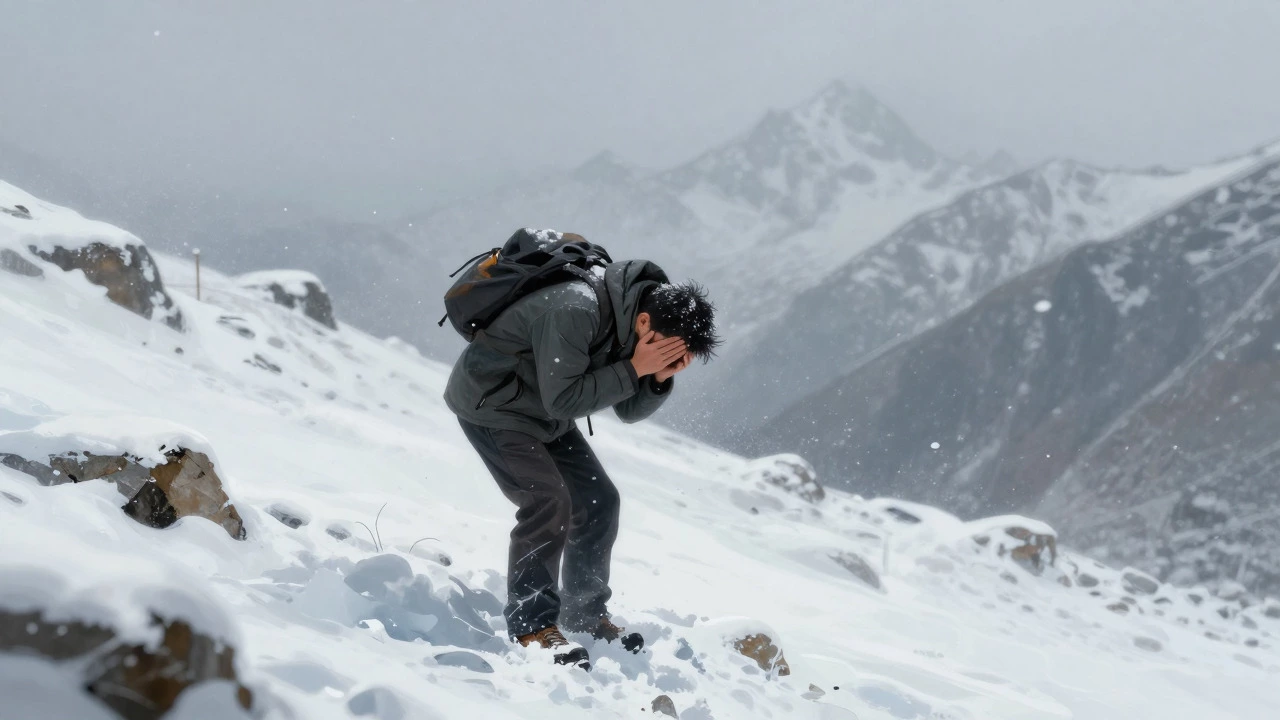
High-altitude trekking requires respect. Acute Mountain Sickness (AMS) affects up to 75% of people who ascend too quickly above 2,500 meters. It doesn't care if you are fit or experienced. Symptoms include headaches, nausea, dizziness, and loss of appetite. Ignoring these signs can lead to High Altitude Pulmonary Edema (HAPE) or Cerebral Edema (HACE), both of which can be fatal within hours.
You should avoid continuing your ascent if:
- You have a persistent headache that painkillers don't fix.
- You feel confused or unusually tired.
- Your breathing is labored even at rest.
The golden rule is "climb high, sleep low." Acclimatize properly. For treks like Hampta Pass or Roopkund, take extra days to adjust. Never push through severe symptoms. Descending is the only cure. Carry a pulse oximeter to monitor oxygen saturation levels; below 80% at rest is a warning sign.
Trekking Alone: The Risk of Isolation
Solo hiking sounds romantic until something goes wrong. In remote parts of India, mobile networks are unreliable. If you twist an ankle in the middle of the Zanskar Valley, help might be days away. Most serious accidents happen because a hiker tried to manage a crisis alone.
Avoid solo trekking unless you meet these criteria:
- You have extensive experience with navigation and first aid.
- You carry a satellite communicator (like a Garmin inReach) since cell phones won't work.
- You inform local authorities or a trusted contact of your exact itinerary and expected return time.
Even then, joining a guided group is safer. Local guides know the terrain, weather patterns, and emergency protocols. They also support the local economy. For beginners, trekking with a reputable operator reduces risk significantly.
Unmarked Trails and Poor Navigation
Many popular trails in India lack clear signage. Paths can merge, split, or disappear after heavy rain. Relying solely on GPS apps is risky because batteries die, and signals drop in deep valleys.
Avoid venturing off marked paths if:
- You haven't downloaded offline maps beforehand.
- You don't have a physical map and compass as backup.
- The trail is overgrown or unclear, and you're unsure of the direction.
Before starting, study the route. Talk to locals in the base village. Ask about recent changes to the path due to landslides or construction. Always turn back if you lose the trail. Getting lost leads to exhaustion, dehydration, and exposure.
Wildlife Encounters: Respect the Territory
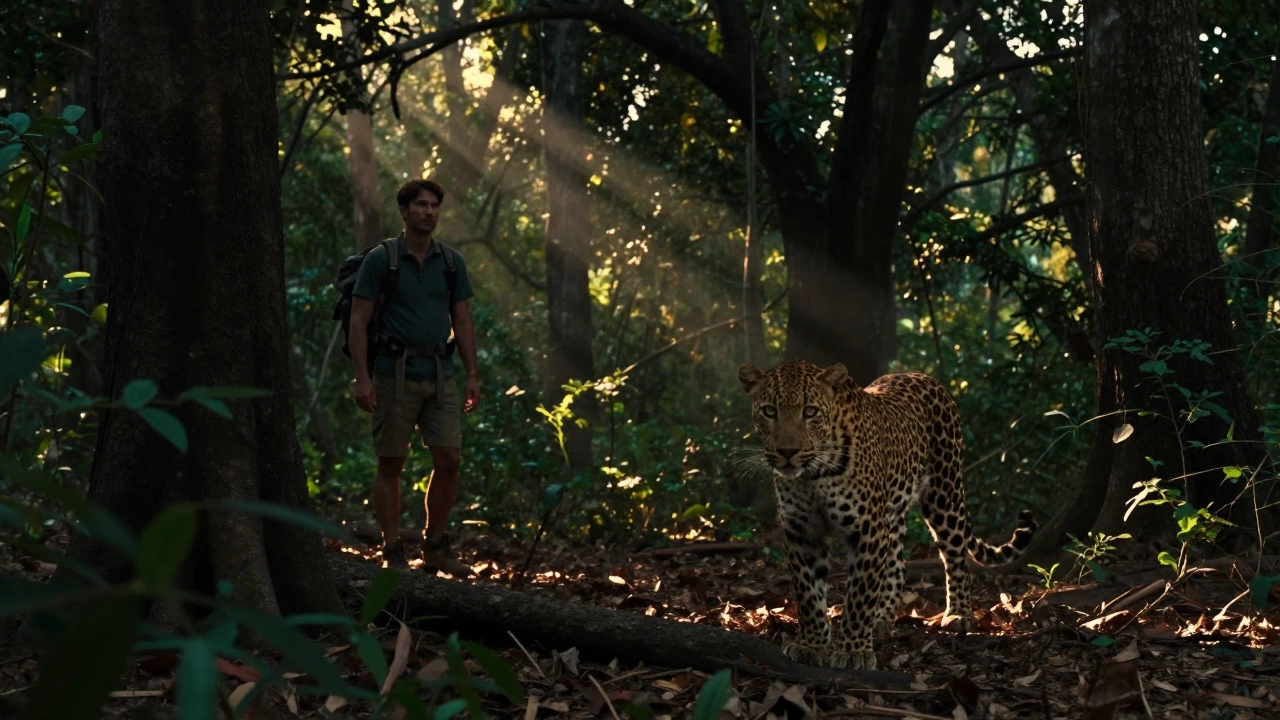
India's forests are home to tigers, leopards, bears, and wild boars. These animals are usually shy, but they become aggressive if threatened or surprised. Human-wildlife conflict is rising in many trekking zones.
To stay safe, avoid these behaviors:
- Cooking near your sleeping area: Food smells attract animals. Keep your campsite clean and store food in sealed containers away from tents.
- Making sudden movements: If you see a leopard or bear, stand still, speak calmly, and back away slowly. Do not run.
- Trekking at dawn or dusk: These are peak activity times for predators. Start early and finish before sunset.
In places like Corbett National Park or Jim Corbett buffer zones, always hire a local guide. They know animal behavior and can spot tracks before you do.
Lack of Permits and Legal Issues
Many restricted areas in India require permits. Trekking without them can lead to fines, detention, or being forced to turn back at the last mile. This is common in border regions like Ladakh, Sikkim, and Arunachal Pradesh.
Avoid entering these zones without checking permit requirements. Foreign nationals need Inner Line Permits (ILP) or Protected Area Permits (PAP). Indians may need registration cards. Apply online well in advance through official government portals. Last-minute applications often fail, ruining your trip.
What is the safest time to trek in India?
The best time is October to May. Winter months (December-February) offer clear skies but extreme cold. Spring and autumn provide moderate temperatures and stable weather, ideal for most treks.
Can I trek in India during the monsoon?
Yes, but only in specific regions. The Western Ghats (Maharashtra, Karnataka, Kerala) have lush trails suitable for monsoon hiking. Avoid Himalayan treks due to landslide risks and blocked passes.
Do I need a guide for popular treks like Triund or McLeod Ganj?
For very popular, well-marked treks like Triund, a guide is optional. However, for remote or difficult treks, a guide is highly recommended for safety and navigation.
How do I prevent altitude sickness?
Ascend slowly, drink plenty of water, avoid alcohol, and acclimatize for at least one day every 1,000 meters of gain. Listen to your body and descend if symptoms worsen.
What gear is essential for Indian treks?
Essential gear includes sturdy hiking boots, layered clothing, a rain jacket, headlamp, first-aid kit, water purification tablets, and a portable charger. Always check seasonal needs.