Best Trekking Organizations in India: How to Choose the Right One
 Apr, 7 2026
Quick Guide: Choosing Your Trekking Partner
- For Beginners: Look for companies with a high guide-to-client ratio and comprehensive pre-trek training.
- For Luxury Seekers: Prioritize operators that offer high-quality gear, gourmet meals, and glamping options.
- For Budget Travelers: Choose local collectives or smaller agencies that focus on community-based tourism.
- For Experts: Find organizations that specialize in technical climbs or off-beat, unmapped routes.
Understanding the Indian Trekking Landscape
When you search for a trekking organization India, you'll find a mix of giant commercial operators and tiny local agencies. Indiahikes is one of the most influential trekking organizations in the country, known for its strict focus on sustainable trekking and eco-friendly practices. They've basically set the gold standard for how mass-market trekking should be handled without destroying the mountains. On the other end, you have boutique firms like Bratpack, which focuses more on the social and experiential side of the journey.
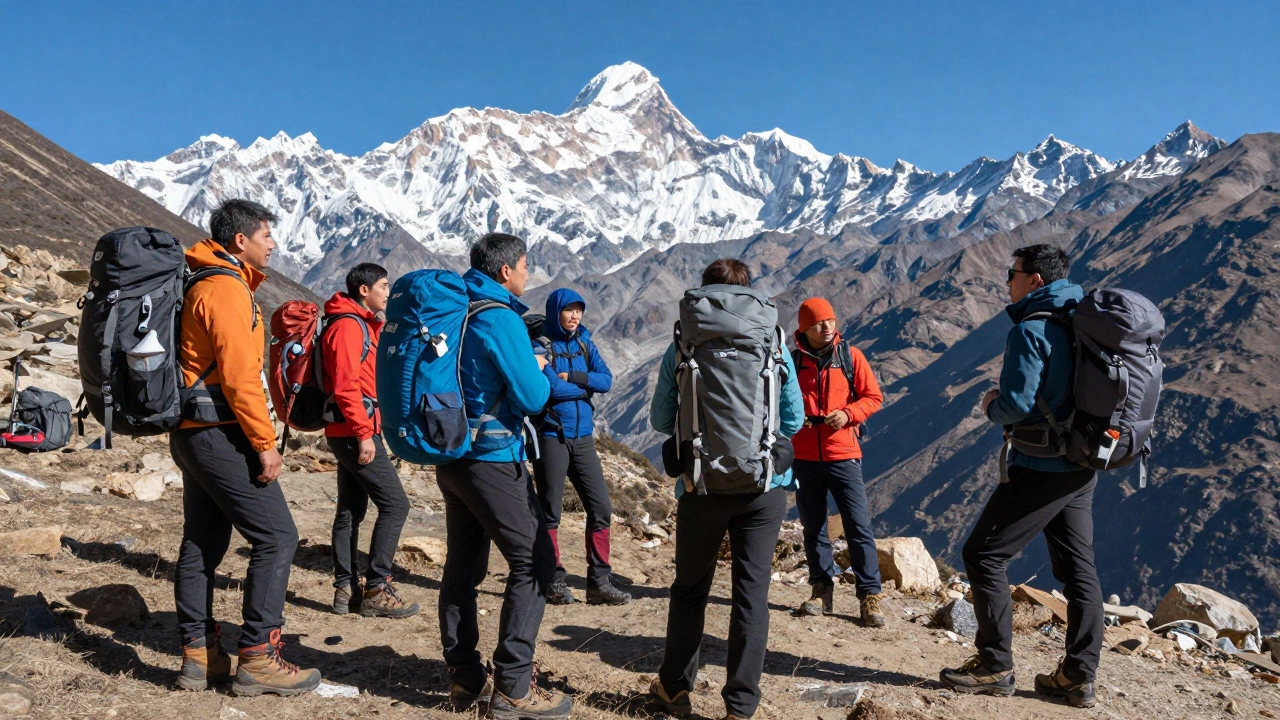
The industry is largely split between those who operate in the Himalayas (the primary hub for high-altitude treks) and those focusing on the Western Ghats (ideal for monsoon treks in Maharashtra and Karnataka). If you're heading to the North, you need a company that understands altitude sickness and carries medical-grade equipment. If you're hitting the South, you want a guide who knows the dense forest trails and seasonal weather shifts.
Top Contenders for Different Travel Styles
If you want a balance of professionalism, safety, and environmental ethics, Indiahikes is usually the top pick. They don't just take you up a mountain; they teach you about 'Green Trails,' an initiative to clean up the mountains. Their itineraries are meticulously planned, though they can feel a bit like a structured school trip because of the strict rules regarding plastic and waste.
For those who find the 'corporate' feel of big companies off-putting, TTH (Trek The Himalayas) offers a more relaxed vibe. They are excellent for those who want to explore popular routes like the Valley of Flowers or Kedarkantha without feeling like they're in a giant herd. Their focus is often on the 'experience' of the trek rather than just reaching the summit.
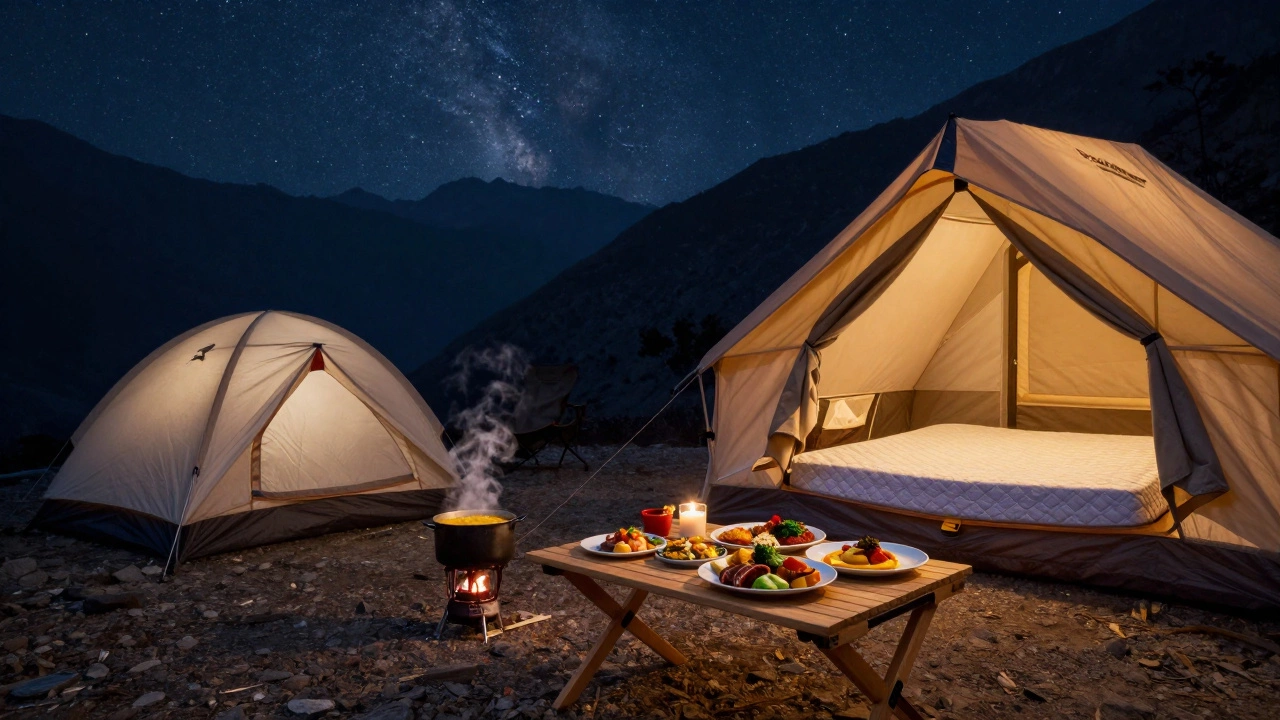
Then there's the luxury segment. Some high-end operators provide what's essentially a five-star hotel experience in the wilderness. We're talking about memory foam mattresses in tents, multi-course meals prepared by professional chefs, and personalized concierge services. This is great if you're not used to roughing it, but it does come with a significant price jump.
| Organization | Best For | Eco-Focus | Price Point | Ideal Experience Level |
|---|---|---|---|---|
| Indiahikes | Sustainability & Learning | Very High | Moderate | Beginner to Intermediate |
| TTH | Social Experience | High | Moderate | Beginner |
| Local Agencies | Budget & Authenticity | Variable | Low | Intermediate to Expert |
| Boutique Luxury | Comfort & Ease | Moderate | High | Beginner |
The Red Flags: How to Spot a Bad Operator
Not every agency that has a fancy website is safe. In the mountains, a bad guide is more dangerous than a storm. One major red flag is the lack of a clear safety protocol. If you ask a company, "What happens if I get altitude sickness?" and their answer is a vague "We'll handle it," run the other way. A professional company will mention Acetazolamide (Diamox) for altitude, the use of pulse oximeters to check oxygen levels, and a clear evacuation plan.
Another warning sign is the group size. If an operator promises a "small group" but then shows up with 30 people, they've failed. A safe ratio is usually one guide per 6-8 trekkers. When groups get too large, the guides can't monitor the health of every individual, and the slower trekkers often feel pressured to keep up, which increases the risk of exhaustion and illness.
Finally, check their gear. If they are renting out old, torn tents or boots that look like they've been through three wars, it's a sign they cut corners. Quality gear isn't just about comfort; it's about survival. A leaking tent in a Himalayan storm is a recipe for hypothermia.
Essential Gear and Preparation
Regardless of which company you choose, your success depends on your kit. Most organizations provide the "big stuff" like tents and sleeping bags, but you're responsible for your layers. The biggest mistake beginners make is bringing cotton clothes. Cotton holds moisture and freezes. You need moisture-wicking synthetic fabrics or merino wool.
Invest in a good pair of trekking boots. Breaking them in before the trip is non-negotiable. If you wear brand-new boots on a 10-day trek to Hampta Pass, you'll have blisters the size of coins by day two, which will ruin your entire experience. Walk in them for at least 20 miles on varying terrain before you fly to India.
Physical preparation is the other half of the battle. You don't need to be a marathon runner, but you should be doing cardiovascular work. Stair climbing and hiking with a weighted pack are the best ways to prep. Your heart needs to be efficient at pumping oxygen, which is the only way to fight the thinning air as you climb past 10,000 feet.
Navigating Regional Differences
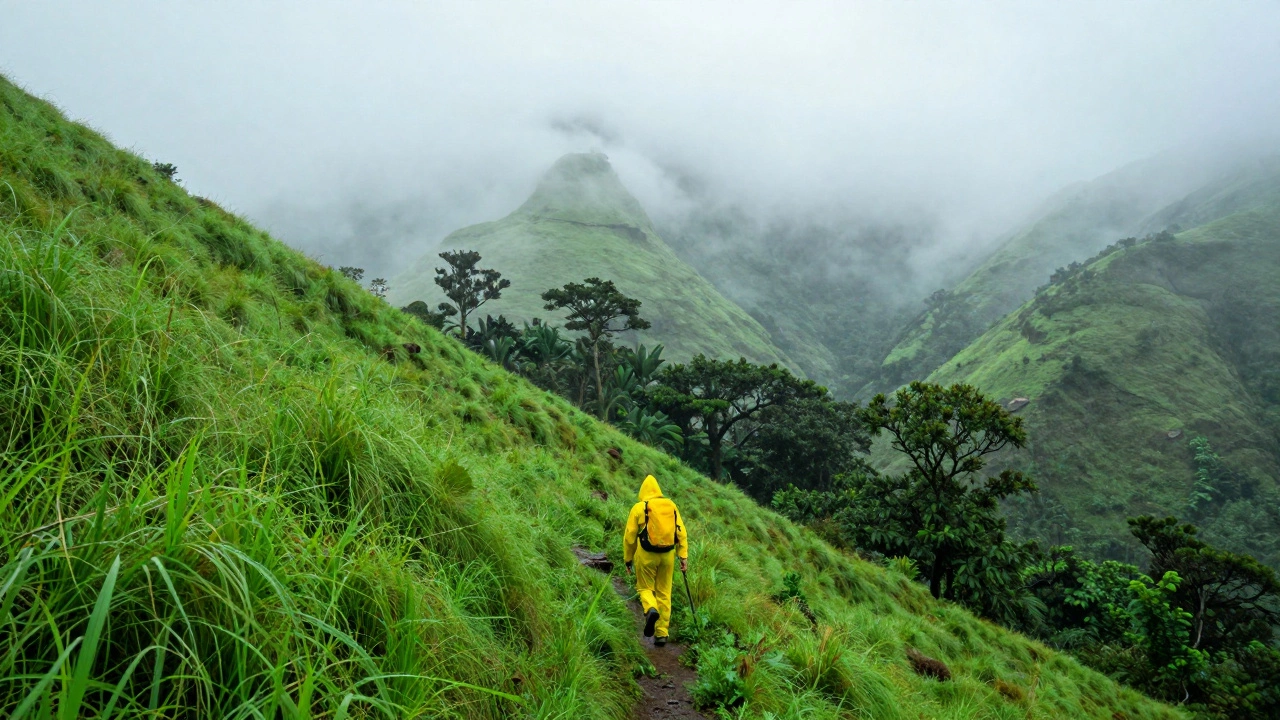
If you're looking at the Western Ghats, the focus is entirely different. Here, the challenge isn't altitude; it's the terrain and the weather. Trekking in Sahyadri mountains during the monsoon is a surreal experience-everything is a vivid, neon green. However, the trails become slippery and leeches are a common nuisance. Operators here need to be experts in navigation, as the fog can roll in and erase the trail in seconds.
In the North, the Himachal Pradesh and Uttarakhand regions offer a variety of terrains. Some companies specialize in the 'Tea Garden' treks of Darjeeling or the high-altitude deserts of Ladakh. If you're planning a trip to Ladakh, you must choose a company that mandates a 48-hour acclimatization period in Leh. Trying to trek immediately after landing can lead to severe Acute Mountain Sickness (AMS), which can be fatal if not treated.
Final Decision Framework
To make the final call, start by listing your non-negotiables. Do you need a private tent? Do you have a strict budget? Are you looking for a romantic getaway or a grueling physical challenge? Once you have your list, interview three different operators. Ask about their guide certifications, their waste management policy, and their refund policy if a trek is canceled due to weather.
Don't rely solely on Instagram photos. Look for long-form reviews on forums where people discuss the actual food quality and the guide's temperament. A guide who is encouraging and knowledgeable makes a world of difference when you're struggling at 14,000 feet and wondering why you ever left your couch.
Is it safe for solo female travelers to join these trekking groups?
Yes, it is generally very safe. Most reputable organizations like Indiahikes and TTH have a large number of solo female trekkers. The group dynamic is usually very supportive, and these companies often have specific safety protocols for women. However, always check if the company has female guides available if that makes you more comfortable.
What is the best time of year to trek in India?
It depends on the region. For the Himalayas, the best windows are spring (April to June) and autumn (September to November). For the Western Ghats, the monsoon season (June to September) is the most beautiful and popular time, though it requires more waterproof gear.
Do I need a medical certificate to trek in India?
For most beginner and intermediate treks, a formal certificate isn't required, but you will be asked to fill out a medical history form. For high-altitude treks (above 15,000 feet), many professional organizations strongly recommend or require a fitness clearance from a doctor to ensure you don't have underlying heart or lung conditions.
How do these organizations handle waste in the mountains?
Top-tier organizations follow a 'Leave No Trace' policy. This means they carry all non-biodegradable waste back to the city. Some even organize 'plogging' drives where trekkers pick up trash left by others. Always ask your operator about their waste management strategy to ensure they aren't just dumping trash in the valley.
Can I book a private trek or do I have to join a group?
Most organizations offer both. Group treks are cheaper and more social, while private treks allow you to set your own pace and choose your dates. Private treks are more expensive because you cover the full cost of the guides and porters.