Best Time to Visit Bali: Month-by-Month Guide
 Sep, 4 2026
Bali Trip Planner
What are your main interests?
💡 Pro Tip from the Article
Remember: The south coast is drier than Ubud. If you plan to hike Mount Batur, avoid the wettest months (Jan-Feb) due to slippery trails.
📅 Explore All Months
Click a month to see detailed conditions.You’re staring at your calendar, trying to pick the perfect week for Bali. You want turquoise water, zero rain, and crowds small enough that you can actually hear the waves. But here’s the thing: there is no single "perfect" month. There’s only the right month for *your* specific trip. If you hate humidity, April might feel like a sauna. If you love surfing, November could be your golden ticket. Choosing when to go isn’t just about checking a box; it’s about matching the island’s mood with your expectations.
Most people think of Bali as having two seasons: dry and wet. That’s true, but it’s too simple. The reality is a gradient. The transition months-April, October, and sometimes early December-are where the magic (and the frustration) happens. Let’s break down exactly what each month looks like, so you don’t end up stuck in a monsoon downpour while you’re trying to propose on the beach.
Understanding Bali’s Climate Zones
Before we talk months, you need to know that Bali isn’t one uniform climate. It’s an island with mountains running through the middle, which creates microclimates. The south coast (Kuta, Seminyak, Uluwatu) behaves differently than the north (Lovina, Amed) or the central highlands (Ubud).
Ubud, located inland and elevated, stays cooler and gets significantly more rain than the coastal areas. Even during the "dry" season, you’ll likely get afternoon showers there. Conversely, the Bukit Peninsula in the south is drier and hotter year-round. When you plan your itinerary, remember that moving from Ubud to Nusa Dua means changing your packing list slightly. The temperature difference can be 5-10°C (9-18°F), and the humidity levels vary wildly.
The Dry Season: May to September
This is the peak tourist window. If you ask anyone who has been to Bali, they’ll tell you July and August are the busiest months. Why? Because schools are out in Europe and Australia, and the weather is predictably sunny.
- May: This is arguably the sweet spot. The rainy season has just ended, so the landscape is still lush and green, but the skies are clearing up. Humidity drops noticeably. Prices are lower than in June, and beaches aren’t packed yet.
- June & July: Peak season kicks in. The air is dry, making heat more bearable. Great for hiking Mount Batur or exploring rice terraces. However, traffic in southern Bali becomes brutal. Expect 2-hour drives for short distances.
- August: The absolute peak. Everything is booked out weeks in advance. Hotels charge premium rates. If you value solitude, avoid this month unless you book luxury villas far from the main hubs.
- September: The crowd thins out slightly after Indonesian Independence Day celebrations. Weather remains excellent. This is a great compromise month if you missed May.
| Month | Average Rainfall | Crowd Level | Best For |
|---|---|---|---|
| May | Low (30mm) | Moderate | Hiking, Cultural Tours |
| June | Very Low (10mm) | High | Surfing, Beach Days |
| July | Very Low (5mm) | Very High | Family Vacations |
| August | Very Low (5mm) | Extreme | Nightlife, Shopping |
| September | Low (20mm) | High | Yoga Retreats, Relaxation |
The Wet Season: October to April
Don’t let the name scare you off. "Wet season" doesn’t mean it rains all day, every day. In fact, most rain comes in short, intense bursts in the late afternoon or overnight. Mornings are often clear and beautiful.
October marks the start of the rains. It’s a transitional month. You might get three days of sun followed by two days of heavy storms. The upside? Prices drop by 30-40%. The downside? Boat trips to Nusa Penida or Gili Islands can be canceled due to rough seas.
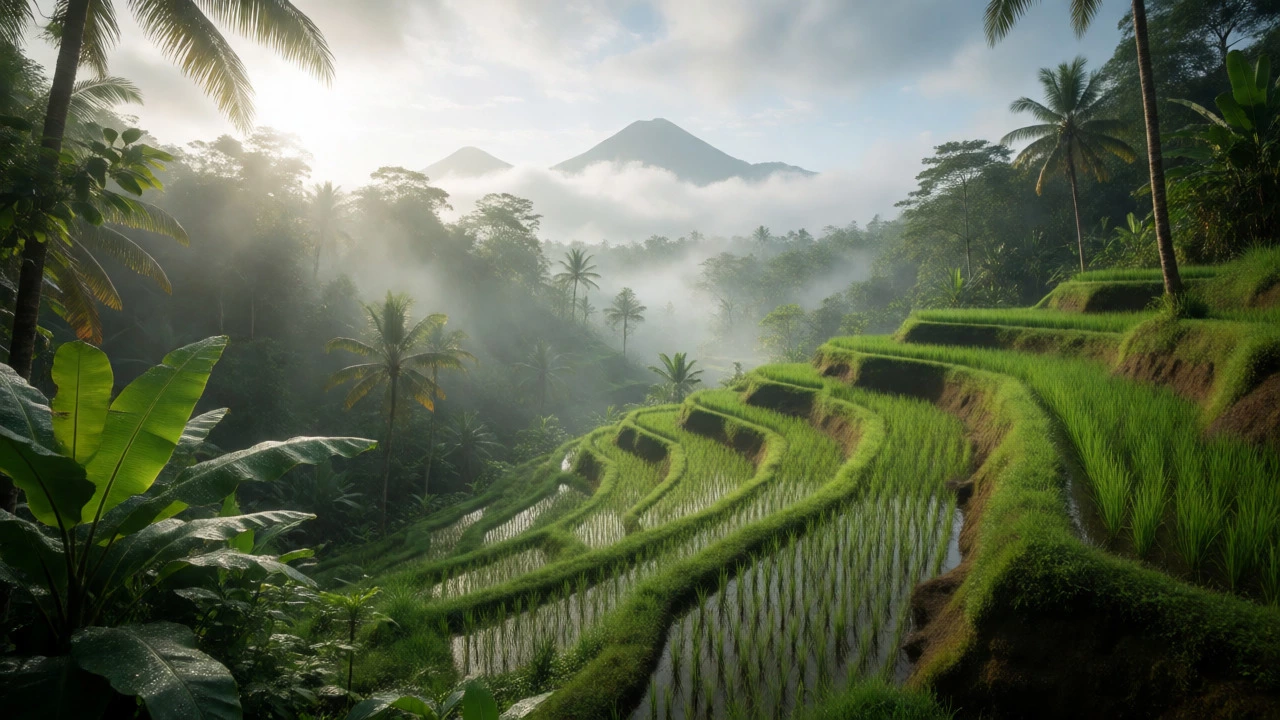
From November to March, the rainfall peaks. January and February are typically the wettest months. Humidity soars, making the air feel thick. Roads can flood in low-lying areas like Kuta. However, this is also when the island is greenest. Rice paddies are vibrant emerald, waterfalls are roaring at full capacity, and the air smells fresh and earthy. If you’re a photographer or nature lover, this is your time.
Shoulder Months: The Hidden Gems
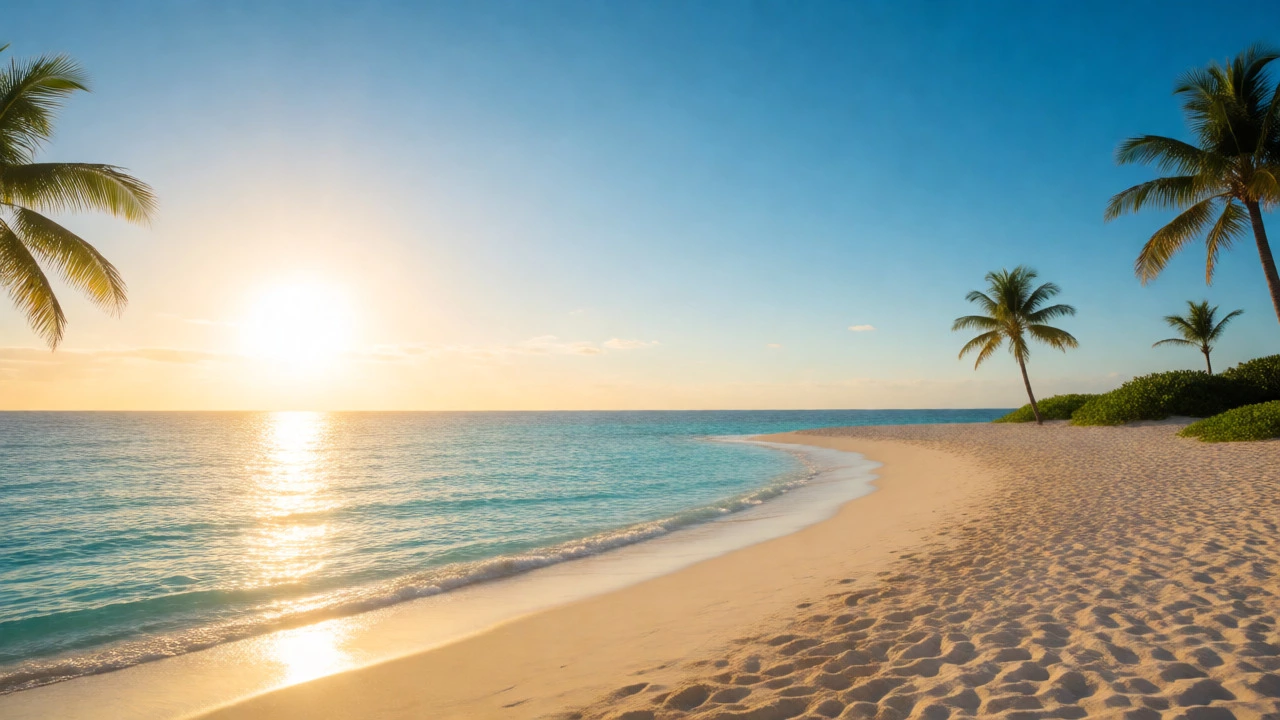
If you want the best balance of good weather, manageable crowds, and reasonable prices, aim for the shoulder months: April, October, and early December.
April is fantastic. The hot season is ending, but the rains haven’t fully started. Flowers are blooming, and the light is soft and golden, perfect for photography. It’s also before the European summer rush, so you’ll find better deals on flights from Asia and the Middle East.
December is tricky. Early December can be quiet and pleasant. But once Christmas and New Year’s hit, Bali transforms into a party hub. Prices triple, and traffic gridlocks entire regions. Unless you specifically want a festive vibe, skip mid-to-late December.
Activity-Specific Timing
Your ideal month depends heavily on what you plan to do. Here’s how to match your activities to the calendar:
- Surfing: The west coast (Kuta, Canggu) has its best swells during the dry season (April-October). The east coast (Keramas, Sanur) works best during the wet season (November-March) when offshore winds protect the breaks.
- Diving: Visibility is generally best from April to November. However, manta rays are most commonly seen around Nusa Penida from December to March. Choose based on whether you prioritize clarity or wildlife.
- Trekking: Climbing Mount Batur or Agung is safest and clearest during the dry season. Trails become slippery and dangerous during heavy rains.
- Waterfalls: Visit Sekumpul or Gitgit during the wet season for dramatic flows. During the dry season, some smaller falls turn into trickles.
Local Events and Festivals
Timing your trip around cultural events adds depth to your experience. Just be aware that major festivals can affect logistics.
Nyepi, the Balinese Day of Silence, usually falls in March. For 24 hours, the entire island shuts down. No cars, no lights, no noise. Airports close. It’s a profound cultural experience, but you must stay indoors. Book accommodation well in advance, as options are limited.
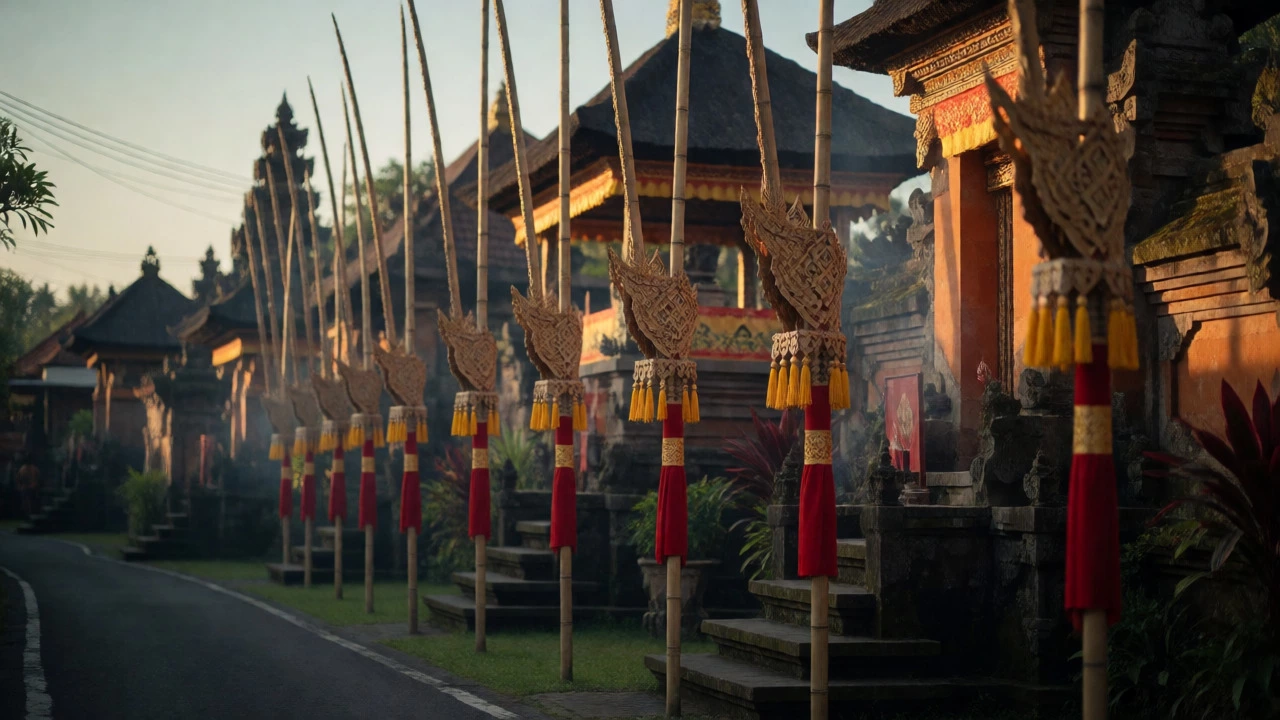
Galungan occurs every 210 days. During this festival, bamboo poles called penjor line the streets, and families gather for ceremonies. While visually stunning, it can mean closed businesses and crowded temples. Check the lunar calendar before booking.
Cost Considerations
Budget travelers should target the wet season or shoulder months. Flight tickets from India or Southeast Asia can be 20% cheaper in January or November. Accommodation costs drop significantly outside of July-August. However, factor in potential extra costs for indoor activities or transportation delays due to rain.
Luxury travelers might prefer the dry season for guaranteed pool weather and outdoor dining. Many resorts offer packages during the wet season that include spa credits or free upgrades, offsetting the risk of rain.
Final Verdict: Which Month Wins?
If I had to pick one month for the average traveler, I’d say May. You get the tail end of the rainy season’s beauty without the mud, plus the dry season’s sunshine without the peak-season crowds and prices. It’s the Goldilocks zone.
But again, tailor it to you. Want surf? Go in June. Want silence and greenery? Go in January. Want festivals? Plan around Galungan. Bali is forgiving, but it rewards those who understand its rhythms.
Is it always raining in Bali during the wet season?
No. Rain usually comes in short, heavy bursts in the afternoon or at night. Mornings are often sunny and clear. You rarely experience continuous rain all day.
Which month is cheapest to visit Bali?
February and March are typically the cheapest months for flights and hotels. Avoid December holidays and July-August school holidays for the lowest prices.
Can I swim in Bali during the wet season?
Yes, but sea conditions vary. West coast beaches may have strong currents and dirty water due to runoff. East coast beaches like Sanur remain calmer and clearer year-round.
What is Nyepi and should I avoid it?
Nyepi is the Hindu New Year and a day of total silence. The airport closes, and no movement is allowed outdoors. It’s a unique cultural experience, but inconvenient if you want to explore. Most tourists stay in their hotel/resort.
Is Bali safe to visit in the rainy season?
Yes, it is safe. Be cautious of flooded roads and slippery surfaces. Mosquitoes are more prevalent, so use repellent to prevent dengue fever.