Best Month to Visit India: A North India Travel Guide
 Sep, 1 2026
North India Travel Planner
Answer three simple questions to discover your ideal travel window in North India (Delhi, Agra, Rajasthan, Varanasi).
Why this fits you:
Key Conditions:
- Avg Temp:
- Crowd Level:
- Best For:
Festival Alert
None scheduled
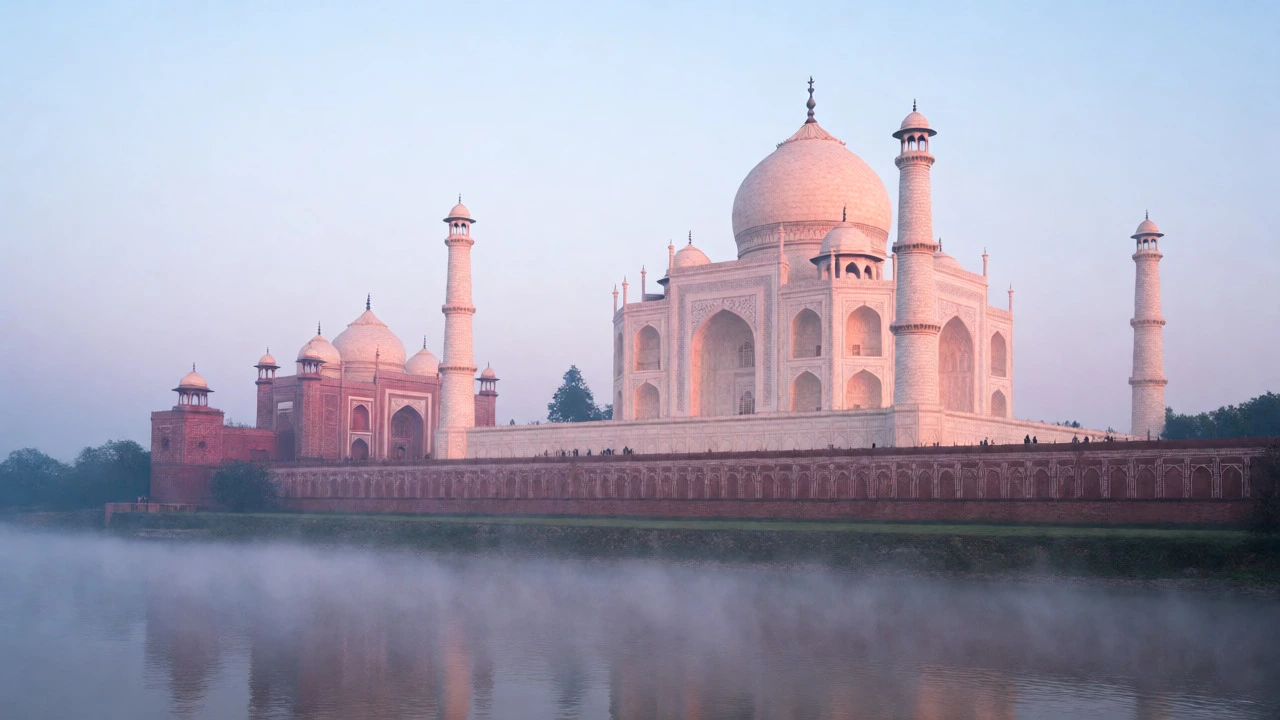
Picture this: You’re standing in front of the Taj Mahal at sunrise. The air is crisp, barely 10°C, and a thin mist clings to the Yamuna River. The marble glows pink under the early light, and there are only a handful of other tourists around. Now, imagine that same scene in May. It’s 45°C outside. The heat hits you like a physical wall before you even step out of your hotel. The crowds are massive, the air is thick with dust, and you’re sweating through your shirt within seconds.
This isn’t just about comfort; it’s about whether you can actually enjoy the experience. India is a massive country, but when people ask for the best month to visit, they are usually talking about the sweet spot where weather, culture, and logistics align perfectly. For most travelers heading to North India-think Delhi, Rajasthan, Agra, and Varanasi-that window is narrow. It exists between October and March. But which specific month wins? And does it change if you want to see snow in the Himalayas or dance in the desert?
The Short Answer: When Should You Go?
If you had to pick one single month that balances perfect weather, manageable crowds, and vibrant cultural events, go with November. Here is why November is often considered the gold standard for North India tourism:
- Temperature: Days are warm (20-25°C) but not hot. Nights are cool enough to need a jacket, which makes sleeping easy.
- Air Quality: In many parts of Rajasthan and Punjab, the air clears up significantly after the monsoon ends, though Delhi can still be smoggy in late November.
- Festivals: You catch the tail end of Diwali (if it falls in Nov) or the start of Pushkar Camel Fair preparations.
- Crowds: It’s peak season, but not yet the Christmas/New Year rush, so hotels are slightly easier to book than in December.
However, "best" is subjective. Let’s break down the seasons so you can decide what matters most to you.
Winter (October - February): The Peak Season
This is when the majority of international tourists flock to India. The scorching summer heat has vanished, and the monsoon rains have dried up the landscape into something golden and dusty, rather than muddy. This period is ideal for exploring the historical sites of North India without suffering from heatstroke.
| Month | Avg Temp (Delhi/Jaipur) | Crowd Level | Best For | Warning |
|---|---|---|---|---|
| October | 28°C / 18°C | Moderate | Post-monsoon greenery, lower prices | Residual humidity in east |
| November | 25°C / 12°C | High | Perfect sightseeing, festivals | Delhi smog begins mid-month |
| December | 20°C / 7°C | Very High | Christmas vibes, clear skies | Hotel prices spike |
| January | 19°C / 6°C | High | Cold lovers, Republic Day parades | Nights are freezing in Rajasthan |
| February | 23°C / 10°C | Moderate-High | Desert festivals, fewer crowds | Wind storms begin late Feb |
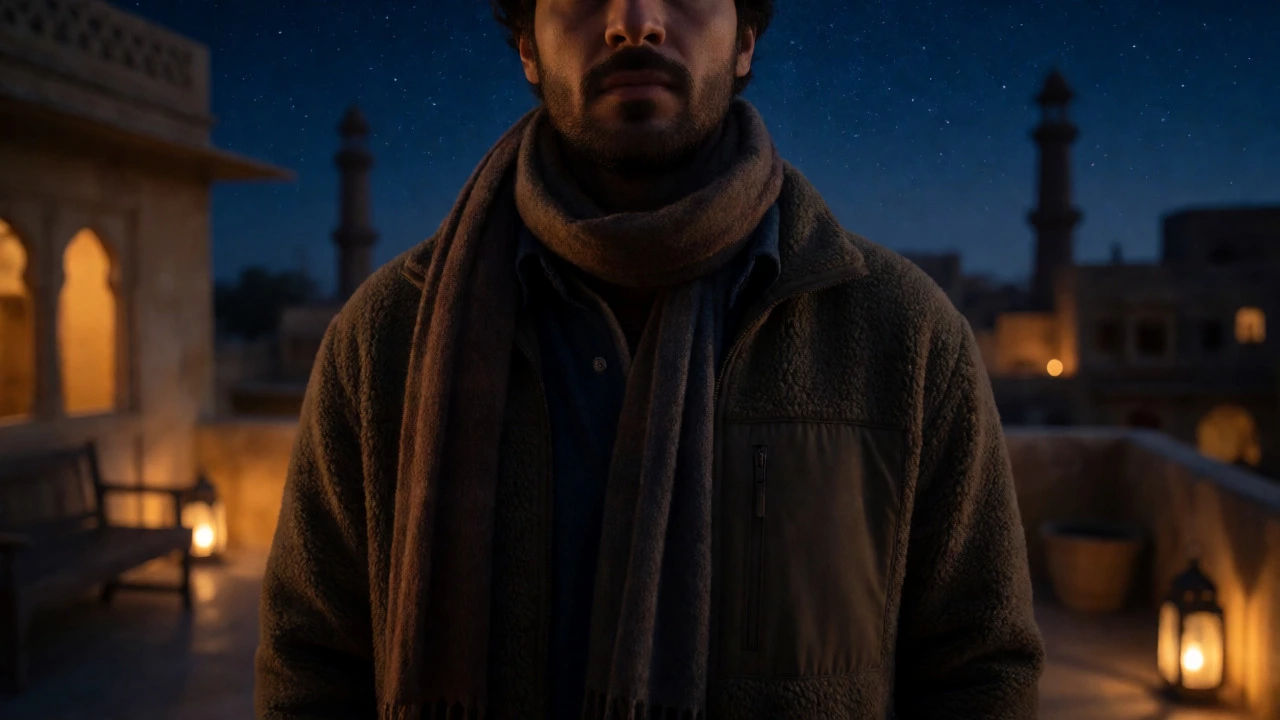
One thing people don’t tell you about winter in North India: it gets genuinely cold. If you are visiting Jaipur, Jodhpur, or Udaipur in January, nighttime temperatures can drop to 2°C or even below zero in the Thar Desert. Many budget hotels do not have heating. Bring thermals. Seriously. I’ve seen travelers shivering in their beds because they packed shorts thinking “India equals hot.”
The Monsoon Myth: Is July-August Really Bad?
Many guidebooks say avoid India from June to September. That’s true for the plains of North India. The humidity is suffocating, and rain can disrupt train schedules. However, this doesn’t mean you should stay home. If you hate crowds and love dramatic landscapes, the monsoon offers a different kind of beauty.
In places like Rishikesh or Shimla, the rain brings lush green forests and roaring rivers. White-water rafting in Rishikesh is best right after the monsoon starts, when water levels are high but visibility is still okay. Just be prepared for leeches on trails and sudden downpours. If you choose to travel during the monsoon, stick to hill stations like Manali or Darjeeling, where the rain is refreshing rather than oppressive.
Summer (April - June): Only for the Brave
Unless you are specifically going to the Himalayas, avoid the North Indian plains in April, May, and June. Temperatures in Delhi and Agra frequently exceed 45°C. The sun is relentless. Sightseeing becomes an endurance sport. You’ll find yourself hiding in museums or cafes during the day, emerging only after sunset.
There is one exception: Ladakh. While the rest of India melts, Ladakh remains dry and pleasant. The roads open up in June, making it the prime time for motorcycle enthusiasts tackling the Khardung La pass. If you are a motorbike rider, June might actually be your best month to visit India, provided you are willing to fly into Leh and deal with altitude sickness.
Festival Timing: Planning Around Events
India runs on its festival calendar. Visiting during a major event transforms your trip from a simple tour into a cultural immersion. But it also means higher costs and fully booked accommodations.
- Holi (March): Known as the Festival of Colors. It’s chaotic, joyful, and incredibly photogenic. Mathura and Vrindavan host the most traditional celebrations, while Jaipur offers a more controlled, tourist-friendly version. Book months in advance.
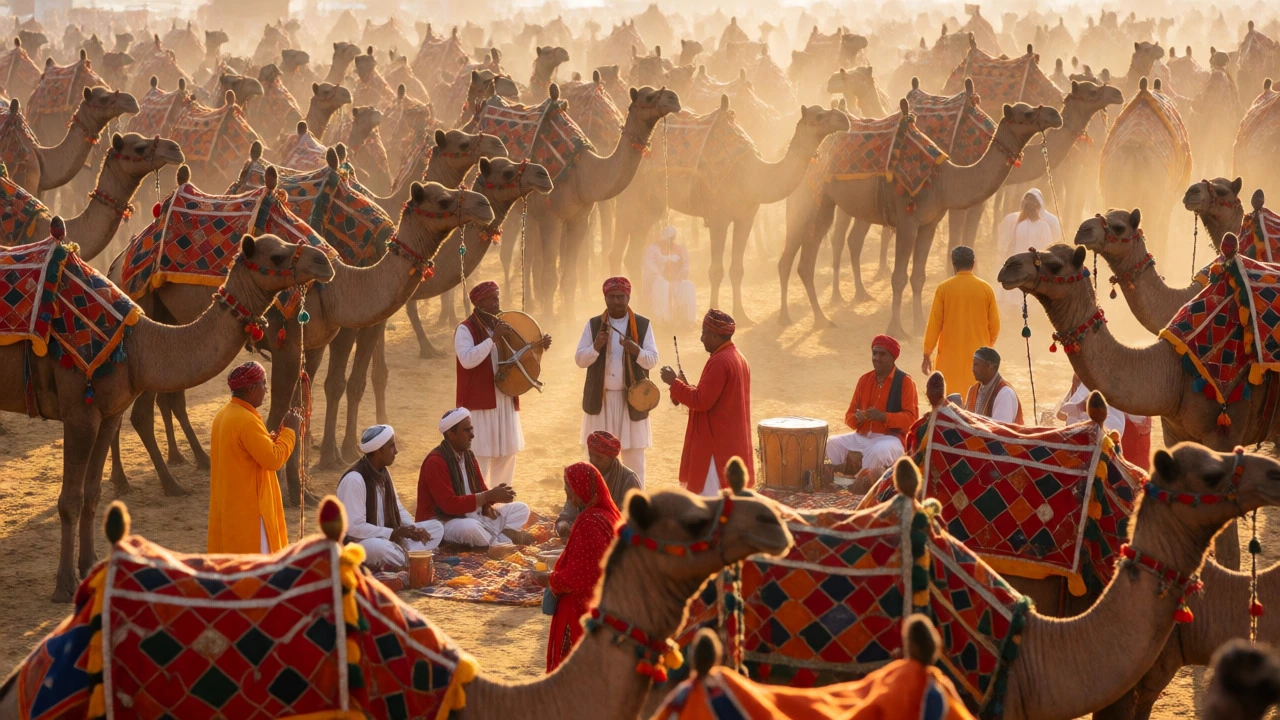
- Pushkar Camel Fair (November): Held in the small town of Pushkar, Rajasthan. Thousands of camels are traded, and the town fills with folk musicians and traders. It’s one of the most unique experiences in Asia.
- Diwali (October/November): The Festival of Lights. Cities sparkle with oil lamps and fireworks. Note that air quality in Delhi plummets immediately after Diwali due to firecrackers. Plan your itinerary to leave Delhi a few days after the main night.
- Republic Day Parade (January 26): In New Delhi, this is a massive military display. Tickets sell out fast, but watching from Rajpath is unforgettable.
Regional Nuances: Not All of North India is the Same
“North India” covers a huge geographic area. What works for Delhi might not work for Srinagar.
Rajasthan: Best visited November to February. The desert nights are cold, but the days are sunny and clear. Summer is unbearable here.
Himachal Pradesh & Uttarakhand: These are mountain states. Winter (Dec-Feb) is great for skiing in Auli or Solang Valley, but heavy snow can close roads. Spring (March-April) is beautiful for rhododendron blooms. Summer (May-June) is the escape route for Delhiites fleeing the heat, so expect traffic jams on the highways.
Ladakh: Accessible by road only from June to September. Winter cuts off land access, requiring flights. The scenery is stark and lunar-like, completely different from the rest of India.
Practical Tips for Your Trip
Once you’ve picked your month, here is how to make the most of it:
- Book Early for Peak Season: If you are traveling between December and February, book hotels at least two months in advance. Popular spots like the Havelis in Jaisalmer fill up quickly.
- Pack Layers: Even in November, mornings can be chilly and afternoons warm. A fleece jacket and a scarf are essential.
- Check Air Quality Indices (AQI): Especially in Delhi and Northern Uttar Pradesh. Apps like IQAir can help you plan indoor vs. outdoor activities.
- Train Tickets: Indian Railways opens bookings 120 days in advance. Set alerts for popular routes like Delhi to Agra or Jaipur to Udaipur.
Conclusion: Which Month Fits Your Style?
There is no single "right" answer, but there is a right answer for you. If you want comfort and classic sights, choose November. If you want festivals and color, aim for March (Holi). If you are an adventurer seeking high-altitude thrills, June is your month for Ladakh. Avoid the plains in May unless you enjoy sauna-like conditions.
Ultimately, the best month to visit India is the one that matches your tolerance for heat, your interest in local culture, and your budget. For most first-time visitors to North India, the window between October and March remains unbeatable. Start planning now, and you’ll find that the magic of India lies not just in the monuments, but in the comfortable, crisp air that lets you appreciate them fully.
Is it safe to drink tap water in North India?
Generally, no. Stick to bottled water or use a reusable bottle with a built-in filter. Tap water in cities like Delhi and Jaipur may contain bacteria that cause traveler's diarrhea. Always check the seal on bottled water before buying it.
Do I need a visa before arriving in India?
Most nationalities require an e-Visa applied for online before departure. Processing times vary, so apply at least four weeks in advance. Ensure your passport has six months of validity remaining and at least two blank pages.
How much cash should I carry for North India?
While digital payments (UPI) are widespread in cities, rural areas and small vendors prefer cash. Carry small denominations (₹100, ₹50 notes). ATMs are common in towns, but may run out of cash in remote villages or during festivals.
Is the Taj Mahal closed on any specific days?
Yes, the Taj Mahal is closed on Fridays. Plan your visit to Agra for another day of the week. Also, note that entry tickets must be bought online in advance for foreign tourists, and you cannot buy them at the gate anymore.
What is the best way to travel between cities in North India?
Trains are scenic and efficient for long distances (e.g., Delhi to Jaipur). For shorter hops or flexibility, hiring a private car with a driver is affordable and convenient. Domestic flights are useful for covering large gaps, such as Delhi to Leh.