Which is the Safest State in South India for Travelers?
 Jan, 16 2026
South India Safety Comparison Tool
How Safe is South India for Travel?
This tool helps you compare safety metrics across South Indian states based on official data. See crime rates, tourist complaints, and safety ratings to make an informed decision for your trip.
Kerala
Crime Rate: 187 per 100,000
Tourist Complaints: 2,100 annual
Public Transport: Excellent with CCTV and female conductors
Tamil Nadu
Crime Rate: 254 per 100,000
Tourist Complaints: 5,800 annual
Public Transport: Good with some safety concerns
Karnataka
Crime Rate: 278 per 100,000
Tourist Complaints: 4,900 annual
Public Transport: Good (Bengaluru only)
Andhra Pradesh
Crime Rate: 312 per 100,000
Tourist Complaints: 6,200 annual
Public Transport: Fair
Telangana
Crime Rate: 295 per 100,000
Tourist Complaints: 5,400 annual
Public Transport: Good (Hyderabad)
Recommended for Safety-Conscious Travelers
Based on 2024 data, Kerala offers the safest travel experience in South India with the lowest crime rate, fewest tourist complaints, and highest safety rating (9.2/10). The state has strong social norms around respect, well-trained police forces, and excellent public transport safety measures.
Travel Safety Tips
Even in the safest destinations, it's wise to take basic precautions. Here are key safety tips for all South Indian destinations:
- Use ride-hailing apps like Ola or Uber for reliable transport
- Avoid carrying large amounts of cash
- Be wary of unsolicited guides or 'free' tours
- Stay in well-lit areas, especially after dark
- Check restaurant prices before ordering
If you're planning a trip to South India and safety is your top concern, you're not alone. Many travelers-especially solo women, families, and first-time visitors-worry about crime, scams, or cultural misunderstandings. The good news? South India is generally safer than most parts of the country. But not all states are equal when it comes to safety. Between Kerala, Tamil Nadu, Karnataka, Andhra Pradesh, and Telangana, one stands out clearly as the safest.
Kerala is the safest state in South India
Kerala consistently ranks as the safest state in South India, and for good reason. In 2024, the National Crime Records Bureau reported Kerala had the lowest crime rate per capita among all Indian states, including those in the North. Violent crimes, petty theft, and harassment targeting tourists are rare. Police presence is visible but not intrusive, and locals are quick to help if you look lost or confused.
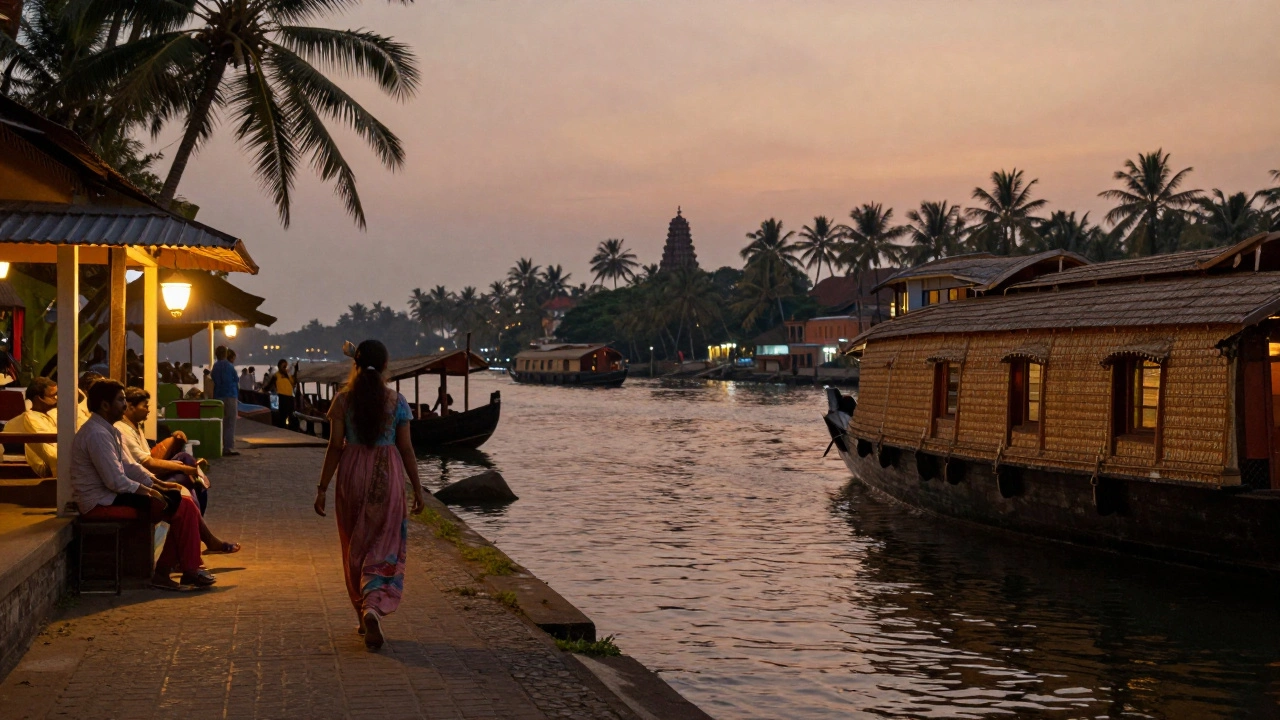
Women traveling alone report feeling secure walking at night in cities like Kochi, Thrissur, and even smaller towns like Alleppey. Street vendors don’t hassle you. Tuk-tuk drivers don’t overcharge if you use the app-based services like Ola or Uber, which are widely available. Even in remote areas like the backwaters or hill stations, locals are respectful and helpful.
A 2023 survey by the Indian Institute of Public Opinion found that 92% of female travelers rated Kerala as "very safe" or "safe," compared to 68% for Tamil Nadu and 59% for Karnataka. The difference isn’t just numbers-it’s the feeling you get when you walk through a market at dusk and don’t once feel watched.
Why Kerala stands out
Kerala’s safety isn’t accidental. It’s built into its social fabric. The state has one of the highest literacy rates in India-over 96%-and a strong tradition of gender equality. Women hold leadership roles in politics, education, and business. There’s less tolerance for harassment or aggressive behavior, and social norms strongly discourage it.
The police force is well-trained and responsive. In tourist-heavy areas like Munnar or Kovalam, officers speak basic English and carry multilingual safety pamphlets. Tourist police stations exist in major towns, and they’re not just for show-they actually help. One traveler in Kochi lost her passport and called the tourist helpline. Within two hours, an officer met her at the hotel, helped her file a report, and guided her to the consulate.
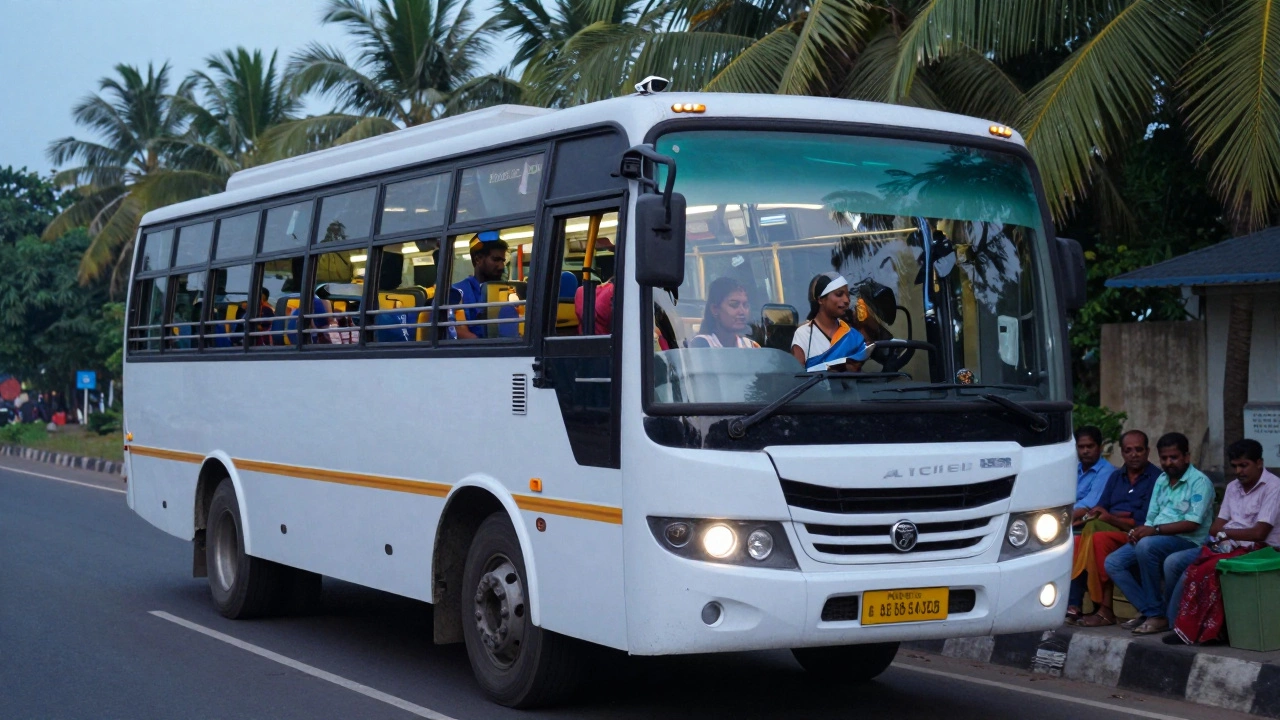
Public transport is another safety factor. Buses are clean, punctual, and monitored. Even late-night buses on major routes have CCTV and female conductors. Ride-hailing apps require driver ID verification and real-time tracking. You can’t get away with fake drivers or unsafe rides here.
How other South Indian states compare
That doesn’t mean other states are dangerous. But they have different risk profiles.
Tamil Nadu has high tourist traffic, especially around Chennai, Pondicherry, and Madurai. Crime rates are low, but petty theft and overcharging at temples or train stations happen more often than in Kerala. Pickpockets operate in crowded areas, and some auto-rickshaw drivers still try to exploit tourists who don’t know the fare system.
Karnataka, particularly Bengaluru, is modern and well-connected. But the city’s rapid growth has led to increased incidents of street harassment and scams targeting foreigners. The tech crowd is friendly, but the nightlife scene can be unpredictable if you’re not careful.
Andhra Pradesh and Telangana are improving fast, especially Hyderabad. But rural areas lack infrastructure, and tourists often report being pressured to buy souvenirs or pay for "guided tours" that aren’t official. The police response time can be slow outside major cities.
Here’s a quick snapshot:
| State | Crime Rate per 100,000 | Tourist Complaints (Annual) | Women Traveler Safety Rating | Public Transport Safety |
|---|---|---|---|---|
| Kerala | 187 | 2,100 | 9.2/10 | Excellent |
| Tamil Nadu | 254 | 5,800 | 7.1/10 | Good |
| Karnataka | 278 | 4,900 | 6.8/10 | Good (Bengaluru only) |
| Andhra Pradesh | 312 | 6,200 | 6.0/10 | Fair |
| Telangana | 295 | 5,400 | 6.5/10 | Good (Hyderabad) |
As you can see, Kerala’s numbers are significantly better. And the gap isn’t closing-it’s widening.
What makes Kerala feel safer day-to-day
It’s not just crime stats. It’s the little things.
In Kerala, you won’t be followed by shopkeepers offering "special discounts." You won’t be cornered at temples by fake priests asking for donations. You won’t get stuck in a "free" temple tour that ends with a ₹2,000 bill.
Restaurants list prices clearly. Even small roadside stalls have digital menus and QR codes. If you’re unsure, you can ask for a receipt-and they’ll give it. That kind of transparency builds trust.
Also, there’s less corruption. No one asks for a "tip" to let you into a temple or to park your bike. Traffic cops don’t demand bribes. Tourist police don’t pressure you to buy "certified" souvenirs.
One American traveler, Sarah M., shared on a travel forum: "I spent three weeks in Kerala alone. I never locked my hostel door. I took night buses. I hiked alone in the Western Ghats. I felt more safe here than I did in my own neighborhood back home. That’s not something I say lightly."
What to avoid-even in Kerala
Even the safest place has risks if you ignore basic rules.
- Don’t carry large amounts of cash. Use cards or digital wallets like Paytm or Google Pay.
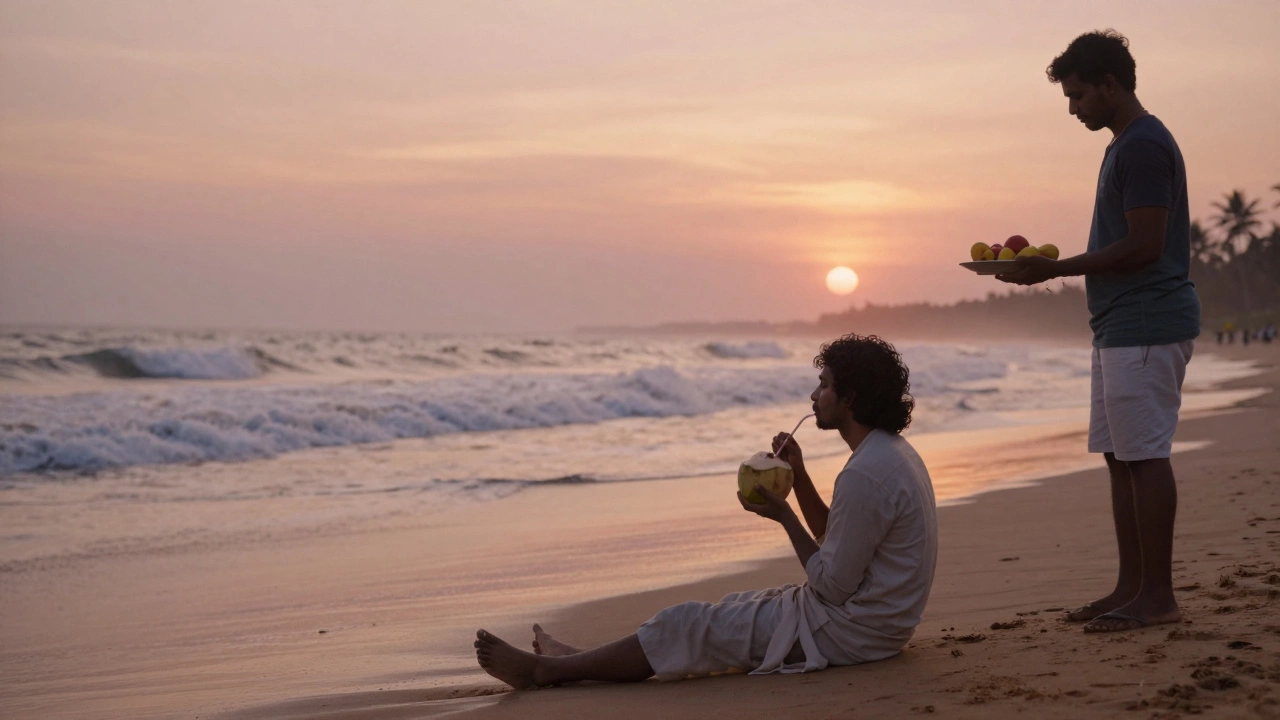
- Avoid isolated beaches after dark, even in Kovalam or Varkala. Stick to areas with other people.
- Don’t accept drinks from strangers, even if they seem friendly. Alcohol is legal here, but some scams involve drugged drinks.
- Book tours through registered agencies. Look for the Kerala Tourism logo. Avoid "local guides" who approach you at airports or train stations.
- Respect local customs. Dress modestly in temples and rural areas. Cover your shoulders and knees.
These aren’t scary rules-they’re just smart habits. Kerala doesn’t need them to be safe. But they help you avoid unnecessary stress.
Bottom line: Choose Kerala for peace of mind
If your goal is to explore South India without constant worry, Kerala is your best bet. It’s not just the lowest crime rate. It’s the calm, the order, the respect. You can focus on the spice markets of Kochi, the backwater houseboats, the tea gardens of Munnar, and the ancient temples without second-guessing every interaction.
Other states have their charm. Tamil Nadu’s temples, Karnataka’s forts, Hyderabad’s biryani-they’re all worth visiting. But if safety is your non-negotiable, start with Kerala. You’ll find the rest of South India easier to enjoy once you’ve experienced what peace of mind feels like here.
Is Kerala safe for solo female travelers?
Yes, Kerala is widely considered the safest state in India for solo female travelers. Women report feeling comfortable walking alone at night, using public transport, and staying in guesthouses without incident. The state has low rates of harassment, strong social norms around respect, and a responsive tourist police force. Many female travelers say they felt safer here than in their home countries.
How does Kerala’s safety compare to North India?
Kerala’s safety levels are significantly higher than most states in North India. While cities like Jaipur and Delhi have improved, they still report higher rates of petty crime, harassment, and tourist scams. Kerala’s crime rate per capita is nearly half that of Uttar Pradesh and Rajasthan. The cultural emphasis on education, gender equality, and community accountability makes a measurable difference in daily safety.
Are there any areas in Kerala to avoid?
There are no officially dangerous areas in Kerala for tourists. However, some remote hillside trails in Idukki or Wayanad can be poorly marked and prone to landslides during monsoon season. Stick to marked tourist routes and check weather forecasts. Avoid isolated beaches after dark, and never follow strangers offering "hidden" waterfalls or secret temples.
Is public transport safe in Kerala?
Yes, Kerala’s public transport is among the safest in India. State-run buses are clean, monitored with CCTV, and have female conductors on long-distance routes. Train stations are well-lit and patrolled. Ride-hailing apps like Ola and Uber are reliable, with verified drivers and real-time tracking. Even late-night buses run on major corridors like Kochi-Thiruvananthapuram.
Can I use credit cards everywhere in Kerala?
Most hotels, restaurants, and tourist shops in Kerala accept credit cards and digital payments. Even small cafes and souvenir stalls often have QR code payment options. However, in remote villages or on houseboats, cash is still preferred. Carry ₹2,000-₹5,000 in small bills for emergencies, but you won’t need large amounts.
Next steps: How to plan your trip
Start by picking your route. Most first-timers begin in Kochi, then head to Munnar, Alleppey, and Kovalam. Book homestays through Kerala Tourism’s official portal-they’re vetted and include safety info. Download the Kerala Tourism app for real-time alerts and emergency contacts.
Carry a copy of your passport and visa. Keep your hotel’s address written down. Know the local emergency number: 112. And if you ever feel uneasy? Walk into any pharmacy, police station, or temple. Someone will help you. That’s the Kerala way.