What Is India Known for in the World? Top Heritage Sites and Cultural Icons
 Nov, 25 2025
India Heritage Explorer
Discover India's Living Heritage
Explore 43 UNESCO World Heritage Sites across India - where ancient traditions meet modern life. Find sites near you or learn about the cultural significance of India's most iconic monuments.
India isn’t just a country on the map-it’s a living museum, a symphony of colors, sounds, and stories that have shaped human civilization for thousands of years. When people ask what India is known for, they’re not just looking for a list of landmarks. They want to understand why millions travel here, why UNESCO calls it home to 43 World Heritage Sites, and why its culture feels both ancient and endlessly alive.
The Taj Mahal: More Than a Monument
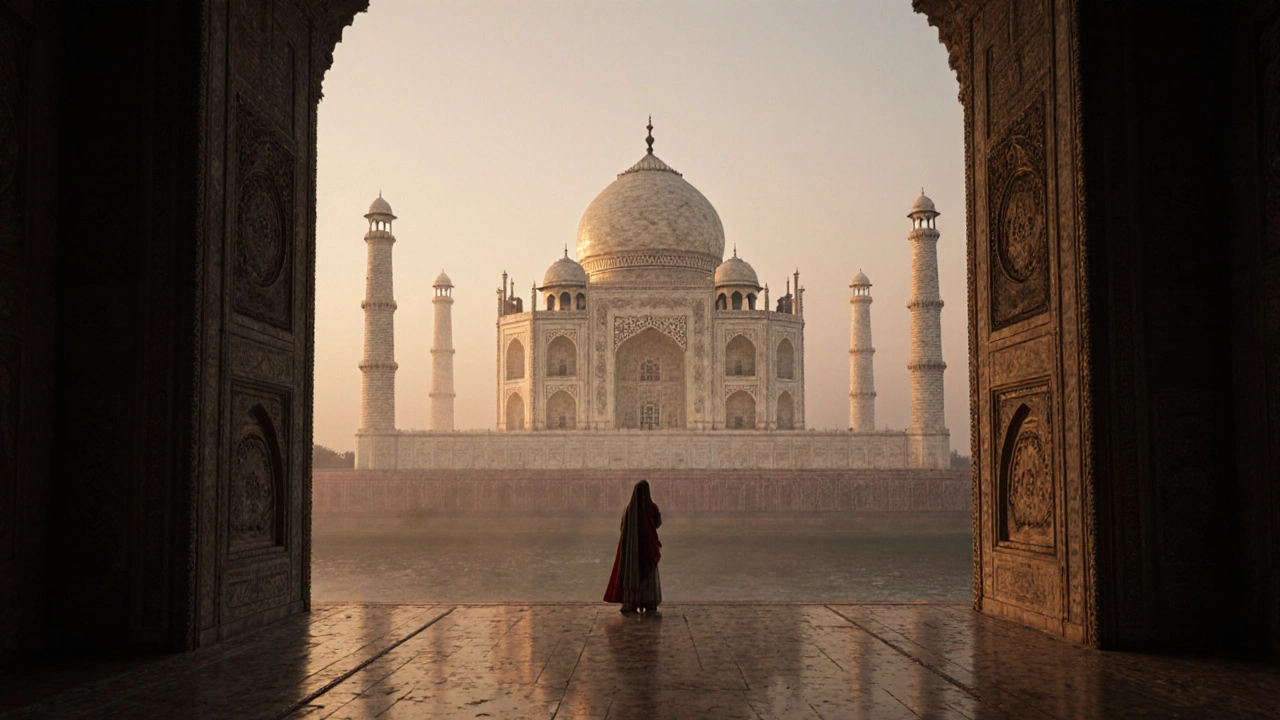
Ask anyone on Earth to name an Indian landmark, and chances are they’ll say the Taj Mahal. Built between 1632 and 1653 by Emperor Shah Jahan as a tomb for his wife Mumtaz Mahal, this white marble masterpiece isn’t just architecture-it’s emotion carved in stone. Over 6 million visitors come here every year, making it the most visited heritage site in India. What makes it unforgettable isn’t just its symmetry or the way it glows at sunrise. It’s the story behind it: a love that outlasted death, built by 20,000 artisans using materials shipped from across Asia-turquoise from Tibet, jade from China, lapis lazuli from Afghanistan.
India’s Other UNESCO Gems
The Taj Mahal is just the beginning. India has 43 sites on the UNESCO World Heritage List, more than any country in South Asia. In the north, the Agra Fort stands as a red sandstone fortress where emperors ruled and prisoners waited. In the south, the temples of Mahabalipuram, carved directly from granite cliffs in the 7th century, show how early Indian sculptors turned rock into divine figures without modern tools.
Then there’s Khajuraho, where 85 temples built between 950 and 1050 AD feature over 600 intricate carvings of gods, dancers, and everyday life-including scenes of intimacy that shocked Victorian visitors but were never meant to be scandalous. They were spiritual symbols, showing the unity of body and soul in Hindu philosophy.
In central India, the rock-cut caves of Ajanta and Ellora reveal Buddhist, Hindu, and Jain traditions side by side. The Kailasa Temple at Ellora, carved from a single 200-foot-high rock, took 100,000 workers over 150 years to complete. It’s like a mountain turned inside out into a temple.
Traditional Arts and Crafts That Still Thrive
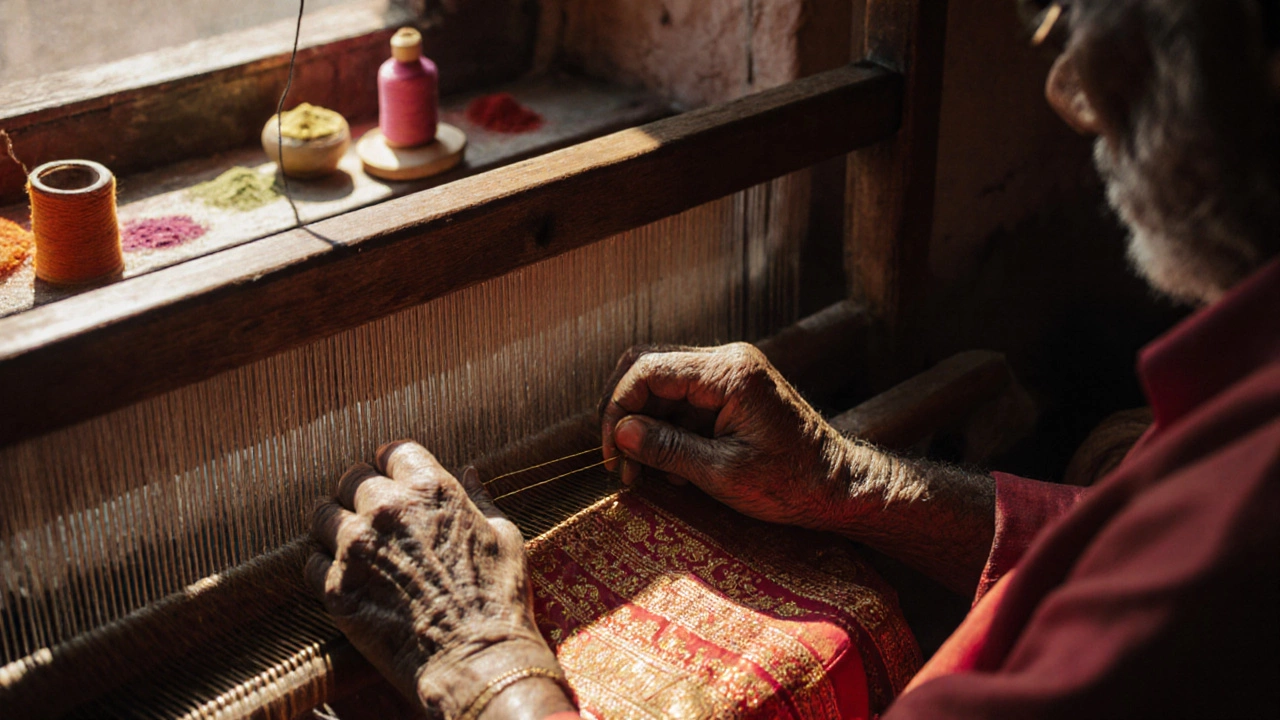
India’s heritage isn’t locked behind glass cases. It’s alive in the hands of artisans. In Varanasi, weavers spend months creating Banarasi silk saris with gold thread so fine it looks like liquid metal. In Jaipur, block printers use hand-carved wooden stamps to dye cotton with natural pigments from indigo, pomegranate rind, and turmeric. These aren’t souvenirs-they’re heirlooms passed down for generations.
Every region has its own craft: Warli paintings from Maharashtra use dots and lines to tell village stories. Pattachitra from Odisha is painted on dried palm leaves with natural colors. Even the way Indian spices are ground in stone mortars, or how brass lamps are hammered by hand in Rajasthan, carries centuries of knowledge.
Festivals That Move Millions
India doesn’t celebrate holidays-it throws entire seasons into the air and dances with them. Diwali, the Festival of Lights, turns cities into constellations. Over 1 billion people light oil lamps, burst fireworks, and share sweets. In Varanasi, thousands float candles on the Ganges River, turning the water into a river of stars.
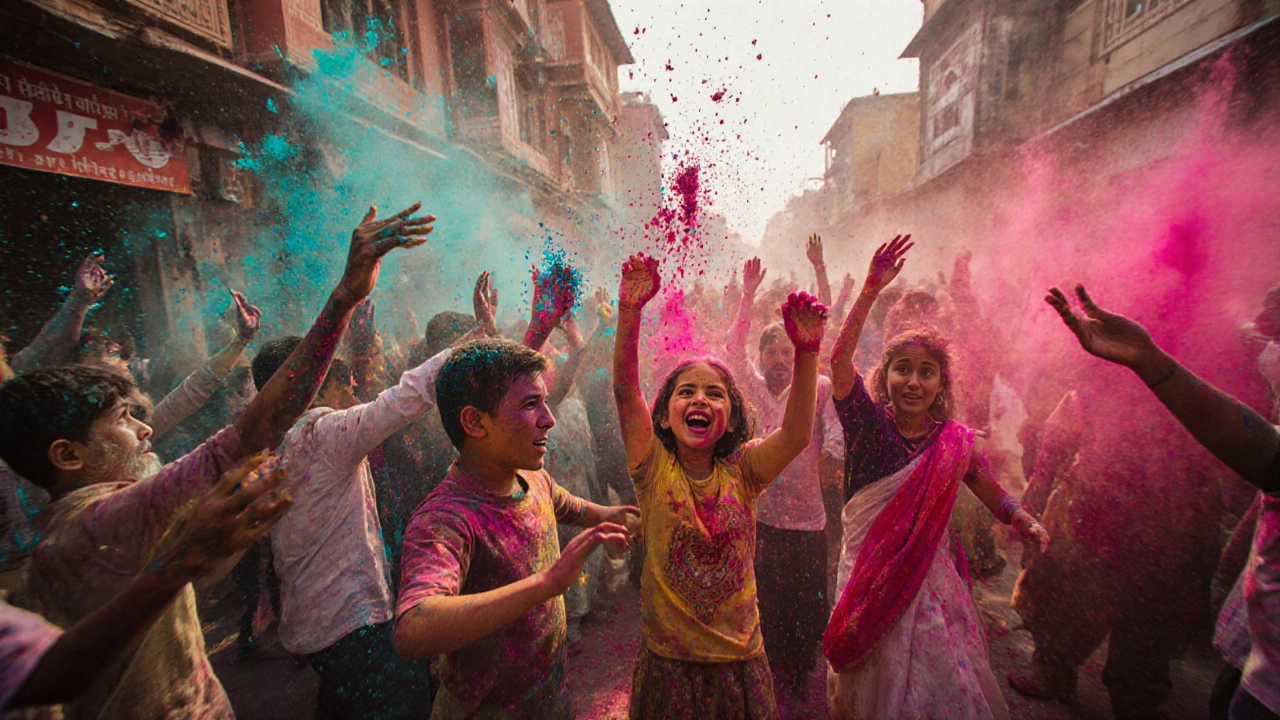
Holi, the Festival of Colors, is chaos turned into joy. People throw colored powder at strangers, dance in the streets, and forget social boundaries. It’s not just a party-it’s a reset. A reminder that color doesn’t care about caste, class, or creed.
In Kerala, the backwaters come alive during Onam, when families lay out banana-leaf feasts with over 20 dishes. In Gujarat, the Rann Utsav turns the white salt desert into a stage for folk music and camel races. These aren’t tourist shows. They’re rituals older than most modern nations.
Yoga and Ayurveda: India’s Quiet Global Influence
Before yoga became a trend in New York gyms or a hashtag on Instagram, it was a spiritual practice developed in the Himalayan foothills over 5,000 years ago. Today, over 300 million people worldwide practice yoga-and most don’t know it came from India’s ancient texts like the Yoga Sutras of Patanjali.
Ayurveda, India’s 3,000-year-old system of healing, is now taught in universities from Berlin to Boston. It’s not about pills-it’s about balance. Your body type (dosha), your diet, your sleep rhythm-all are part of a larger harmony with nature. In Kerala, Ayurvedic retreats use herbal oils, steam baths, and massage techniques unchanged since the time of the Vedas.
Cuisine That Tells a Thousand Stories
Indian food isn’t just spicy curries and naan. It’s a map of migration, trade, and adaptation. The tandoor oven came from Central Asia. The potato, tomato, and chili pepper arrived from the Americas after 1492. Yet each region transformed them into something entirely new.
In the north, butter chicken was invented in Delhi in the 1950s when a chef added tomato gravy to leftover tandoori chicken. In the south, dosas made from fermented rice and lentils are eaten for breakfast with coconut chutney. In the east, fish cooked in mustard oil and fenugreek tastes nothing like anything you’ll find in Mumbai.
And then there’s street food: vada pav in Mumbai, pani puri in Kolkata, chaat in Lucknow. Each bite carries history. These aren’t snacks-they’re cultural identity served on a banana leaf or paper cone.
Why India’s Heritage Still Matters Today
India’s heritage isn’t about preserving relics. It’s about keeping traditions alive in everyday life. A child in Jaipur learns to paint miniature figures before they learn to write. A farmer in Tamil Nadu still uses the same irrigation methods described in ancient Sanskrit texts. A temple priest in Varanasi chants mantras in a language older than Latin.
That’s why India stands out. It doesn’t just have history-it lives it. The Taj Mahal isn’t just a photo op. The Ganges isn’t just a river. The spices in your curry aren’t just flavor-they’re centuries of knowledge in every grain.
What India Is Known for in the World
India is known for being one of the few places on Earth where ancient traditions aren’t museum pieces-they’re part of daily life. It’s where a 4,500-year-old city like Mohenjo-daro shares space with a 21st-century tech hub like Bengaluru. Where a grandmother teaches her granddaughter to tie a sari the same way her mother did, and where a young engineer in Hyderabad might use AI to restore a 1,200-year-old temple mural.
What makes India unforgettable isn’t just what you see-it’s what you feel. The quiet reverence at sunrise in the Taj Mahal. The laughter during Holi. The smell of incense in a temple courtyard. The taste of masala chai made the same way for 300 years.
What are the most famous heritage sites in India?
The most famous heritage sites in India include the Taj Mahal in Agra, the Agra Fort, the Ajanta and Ellora Caves, the Khajuraho Group of Monuments, the Hampi ruins in Karnataka, the Sun Temple in Konark, and the Qutub Minar in Delhi. All are UNESCO World Heritage Sites and draw millions of visitors each year for their architecture, history, and cultural significance.
Is India known for its cultural diversity?
Yes, India is one of the most culturally diverse countries in the world. With over 22 officially recognized languages, hundreds of dialects, and dozens of major religions-including Hinduism, Islam, Sikhism, Buddhism, Jainism, Christianity, and Zoroastrianism-India’s cultural fabric is woven from countless traditions. Each region has its own festivals, food, clothing, music, and art forms, making it impossible to describe Indian culture as a single thing.
What makes Indian traditional arts unique?
Indian traditional arts are unique because they’re deeply tied to spirituality, nature, and community. Whether it’s the intricate embroidery of Kalamkari from Andhra Pradesh, the brasswork of Dhokra from Chhattisgarh, or the puppetry of Kathputli from Rajasthan, these arts aren’t just decorative-they tell stories, honor deities, and pass down knowledge orally. Most are still made by hand using natural materials and techniques unchanged for centuries.
Why is yoga associated with India?
Yoga originated in ancient India over 5,000 years ago as a spiritual and physical discipline rooted in Vedic texts. The Yoga Sutras of Patanjali, written around 400 CE, systematized its practices. Today, yoga is practiced globally, but its philosophy-focusing on breath, mindfulness, and inner balance-remains distinctly Indian. The Indian government even launched International Yoga Day in 2015 to celebrate its global impact.
How does India preserve its heritage today?
India preserves its heritage through government agencies like the Archaeological Survey of India (ASI), which maintains over 3,600 monuments. Local communities also play a key role-many temples, forts, and crafts are sustained by family lineages and religious trusts. Digital projects now scan and restore ancient carvings, while tourism revenue funds conservation. But the real preservation happens when people continue to live these traditions daily, not just as visitors, but as inheritors.
If you’ve ever wondered why India feels so different from other countries, it’s because its past isn’t buried-it’s breathing. Walk through a bazaar in Jaipur, sit by the Ganges at dawn, or taste a dish made with spices traded along the Silk Road, and you’ll understand what India is truly known for: a civilization that never stopped living its own story.