What Is a Serendipitous Cultural Tourist?
 Mar, 13 2026
Most people think of cultural tourism as checking off temples, museums, and festivals like items on a list. But there’s another kind of traveler-one who doesn’t plan, doesn’t follow guides, and still ends up seeing India in ways no brochure ever could. This is the serendipitous cultural tourist. They don’t hunt for the famous. They stumble into it.
What Exactly Is a Serendipitous Cultural Tourist?
A serendipitous cultural tourist is someone who lets curiosity lead them instead of an itinerary. They wander into a side street in Varanasi and end up watching an elderly man teach a child to make incense by hand. They miss their train in Mysore and end up invited to a family’s Diwali dinner because the host noticed them sitting alone on a park bench. They don’t seek out experiences-they let experiences find them.
This isn’t about luck. It’s about presence. These travelers slow down. They notice the way the light hits a temple wall at sunset. They listen to the rhythm of a street vendor’s chant. They say yes when someone offers them a cup of chai without asking why.
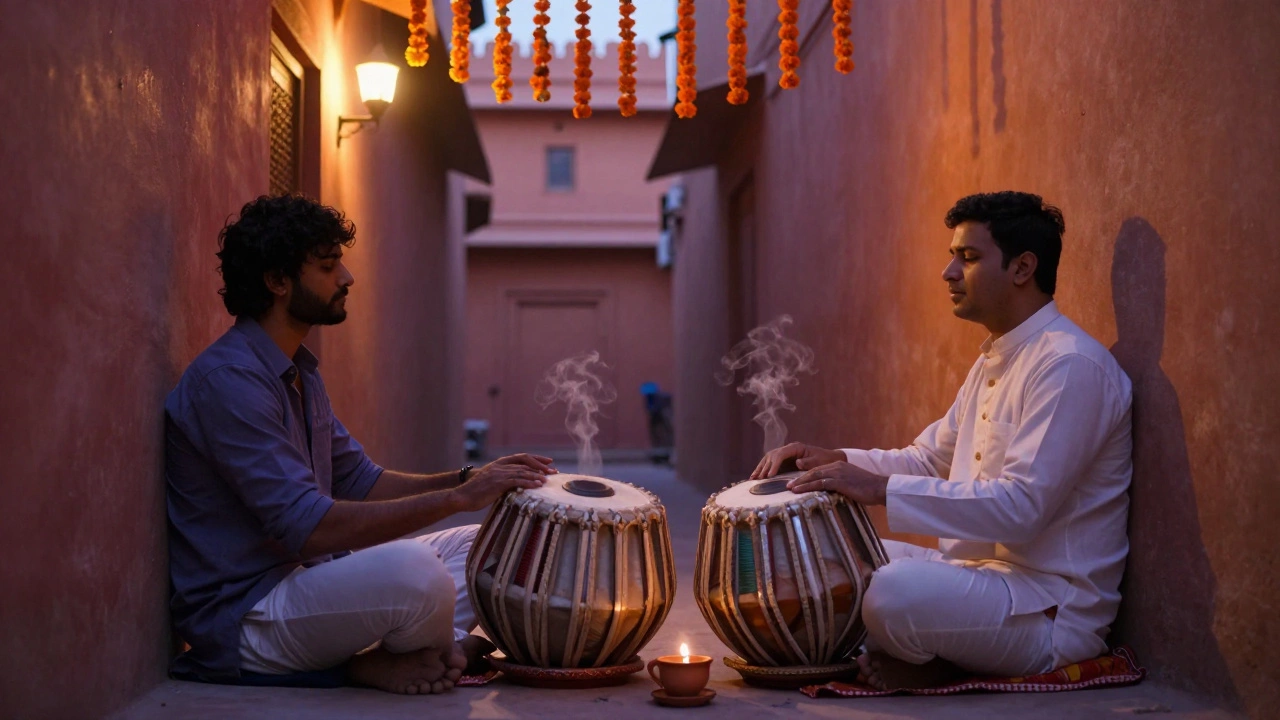
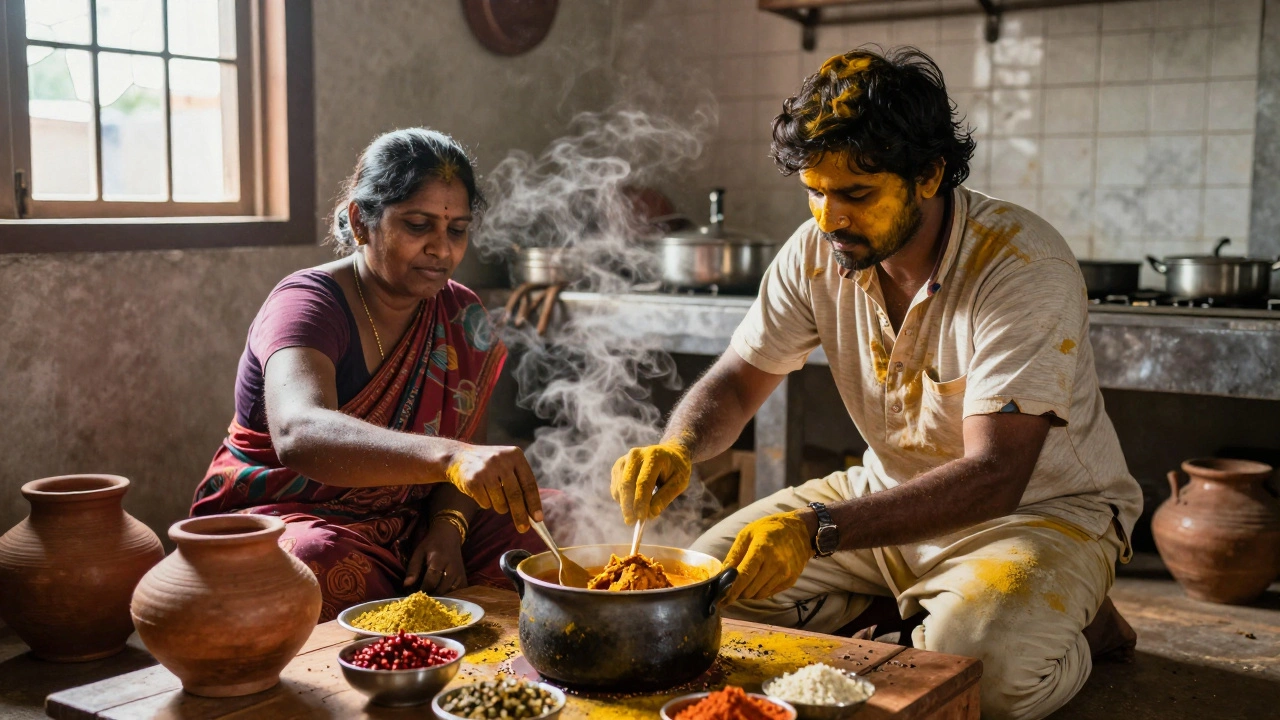
Unlike the typical cultural tourist who collects photos of monuments, the serendipitous one collects moments. They remember the smell of turmeric and neem leaves in a Kerala kitchen. They remember the sound of a tabla player in a Jaipur alley who didn’t ask for money, just nodded when they sat down.
Why India Is the Perfect Place for This Kind of Travel
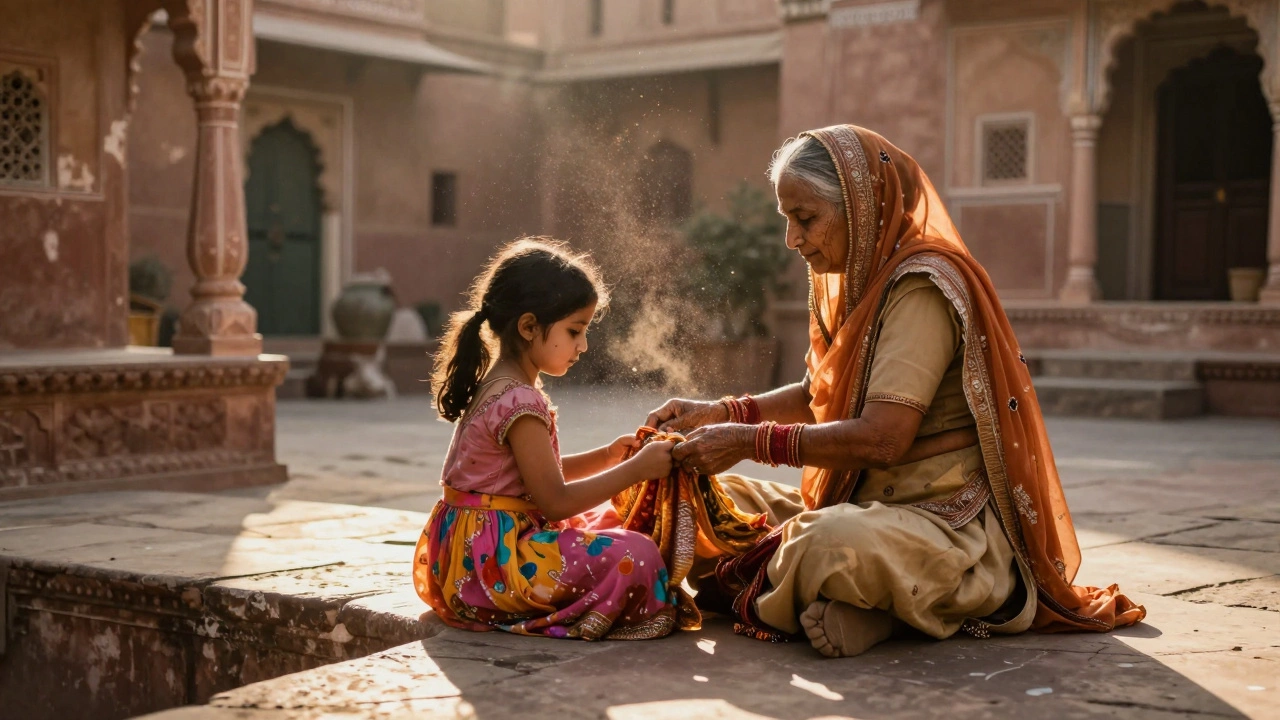
India doesn’t hide its culture behind ticket booths. It lives in the cracks between the well-trodden paths. You won’t find it in the Lonely Planet chapter on the Taj Mahal. You’ll find it in the courtyard of a 300-year-old haveli in Jodhpur where a grandmother is teaching her granddaughter how to tie a lehenga sari-just because she saw the traveler staring.
India’s chaos is its gift. The lack of rigid tourist infrastructure means there’s no gatekeeper. No security guard stops you from walking into a village wedding in Rajasthan. No app tells you that the old man selling handmade papadums outside the temple is the seventh-generation maker of the same recipe his grandfather used.
There’s no need to book tickets for the real stuff. The real stuff is happening right now, in places no algorithm has mapped. A train ride from Patna to Gaya might get derailed by a local festival. Instead of waiting, you join. You eat the rice cakes they’re handing out. You dance when the drums start. You don’t know why, but you do it anyway. That’s the serendipitous cultural tourist.
How It’s Different From Regular Cultural Tourism
Regular cultural tourism is about consumption. You visit a site. You take a photo. You buy a souvenir. You move on.
Serendipitous cultural tourism is about connection. You don’t take a photo-you take a seat. You don’t buy a scarf-you learn how it was woven. You don’t ask for directions-you ask for stories.
Here’s a simple comparison:
| Aspect | Serendipitous Cultural Tourist | Regular Cultural Tourist |
|---|---|---|
| Planning | Minimal. Open to detours. | Detailed. Follows guidebooks and apps. |
| Interaction | Spontaneous. Talks to locals without agenda. | Transactional. Asks questions to check off a list. |
| Memory | Remembers feelings, smells, sounds. | Remembers locations and facts. |
| Impact | Leaves behind a shared meal, a song, a story. | Leaves behind a tip and a photo. |
The difference isn’t just in action-it’s in intention. One seeks to understand. The other seeks to document.
Real Examples From the Ground
In 2023, a traveler from Canada wandered into a small village near Chettinad in Tamil Nadu after her bus broke down. She ended up spending three days helping a woman named Lakshmi prepare traditional chettinad pepper chicken. No one asked her to stay. No one charged her. She just stayed because the smell of fennel and star anise made her feel like she’d come home.
In Udaipur, a man in his 70s started singing a Rajasthani folk song to tourists near the lake. One woman sat down. She didn’t record him. She didn’t ask for his name. She just listened. He sang for two hours. When he finished, he handed her a small clay cup of buttermilk. "For the silence," he said. She still carries that cup.
These aren’t staged performances. They’re not for Instagram. They’re quiet, unscripted, and deeply human. And they only happen when you stop looking for the perfect shot and start being open to the imperfect moment.
How to Become One
You don’t need special gear. You don’t need to speak Hindi or Bengali. You don’t need to know the difference between a ghats and a ghati.
You just need three things:
- Leave room in your schedule. If your day is packed with five sites, you won’t see anything real. Block out at least one afternoon with nothing planned.
- Look down, not up. The most meaningful things aren’t on billboards. They’re in the cracks of the pavement, the folds of a sari, the steam rising from a street-side pot.
- Say yes to the small offers. A child offers you a flower. A woman invites you to taste her dal. A man asks if you want to see how his father made brass lamps. Say yes-even if you’re tired. Even if you don’t understand.
And here’s the secret: you don’t have to go to India to be one. But India is one of the few places on earth where this kind of travel still thrives-because the culture isn’t packaged. It’s alive.
What You’ll Gain
You won’t come back with a hundred photos. You’ll come back with a changed way of seeing.
You’ll notice how people in your own city smile differently when they’re not being watched.
You’ll start listening to street musicians instead of walking past them.
You’ll realize that culture isn’t something you visit. It’s something you join-when you’re quiet enough to let it in.
That’s what a serendipitous cultural tourist becomes: not just a traveler, but a quiet participant in the living story of a place.
Can you be a serendipitous cultural tourist without traveling far?
Absolutely. Serendipity isn’t about distance-it’s about attention. Walk into a neighborhood you’ve never explored in your own city. Sit by a local market. Talk to someone who sells something you’ve never seen before. Ask them how they learned their craft. You’ll be surprised how often people want to share their story if you just sit still long enough to listen.
Is serendipitous tourism safe in India?
Like any form of travel, awareness matters. Most spontaneous encounters in India are warm and safe, especially in villages, temples, and local markets. Trust your instincts. If something feels off, it’s okay to walk away. But most of the time, the people who invite you in are offering genuine hospitality. They’re not selling anything. They’re sharing something.
Do you need to speak the local language?
No. A smile, a nod, and a willingness to sit quietly go further than perfect grammar. Many locals appreciate the effort more than the accuracy. Even a simple "Thank you" in Hindi ("Dhanyavaad") can open doors. But don’t rely on translation apps. They break the moment. Let gestures, eye contact, and shared silence do the talking.
Is this just a fancy term for being lucky?
It’s not luck. It’s mindset. You can travel to the same place as someone else and see completely different things. One person sees a temple. The other sees a child learning to light an oil lamp beside it. The difference isn’t the location-it’s whether you’re looking for something to photograph, or something to feel.
Can I be a serendipitous cultural tourist if I’m on a tight budget?
Yes. In fact, budget travel often leads to the most authentic moments. Staying in a homestay, riding local buses, eating at street stalls-you’re already in the right place. The real cultural exchange happens when you’re not in a hotel with a security guard. It happens when you’re sharing a meal on a plastic chair with someone who has no idea you’re a "tourist."