Is India Expensive for Tourists? Real Costs for Budget Travelers in 2025
 Dec, 16 2025
India Budget Travel Calculator
Calculate Your India Budget
Estimate your daily costs based on your travel style. Uses real 2025 price ranges from the article.
Your Estimated Budget
Is India expensive for tourists? The answer isn’t yes or no-it’s budget travel India with a twist. For some, it’s shockingly cheap. For others, it feels like a hidden cost trap. The truth? India’s price tag depends on how you travel, where you go, and what you expect. If you’re used to Western prices, you’ll be stunned. If you’re used to backpacking Southeast Asia, you’ll need to adjust your expectations. Let’s break down what you’ll actually pay in 2025.
Accommodation: From $2 to $150 a night
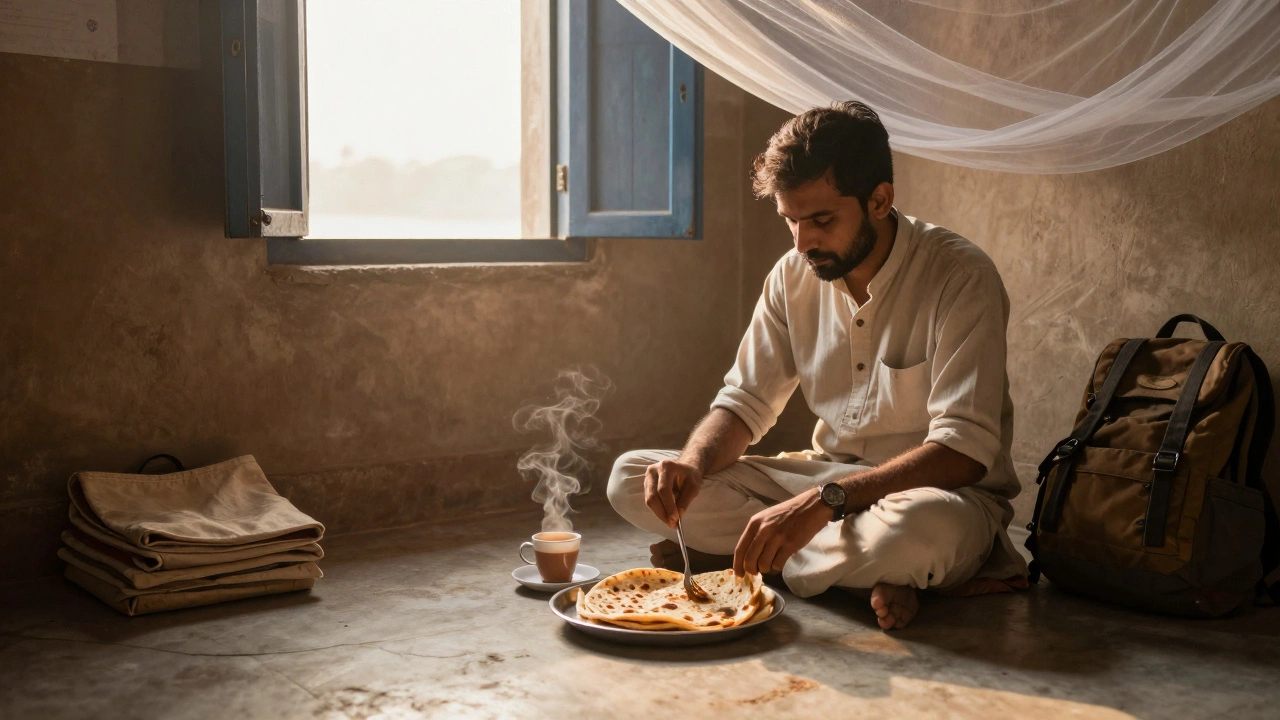
You can sleep in India for less than the cost of a coffee in New York. In small towns like Pushkar or Hampi, a clean private room with a fan and shared bathroom runs $2-$5 a night. Hostels with AC and hot water? Around $8. In Goa or Jaipur, mid-range hotels with pools and breakfast start at $25-$40. Luxury stays-think heritage havelis or five-star resorts in Udaipur-can hit $150 or more. But here’s the catch: even the cheapest options are often cleaner and more reliable than you’d assume. I stayed in a $3 guesthouse in Varanasi with running water, mosquito nets, and a breakfast of fresh parathas. No Wi-Fi, yes. But the owner brought me chai at sunrise. That’s the India most travelers miss when they only check hotel ratings.
Food: Eat like a local for under $5 a day
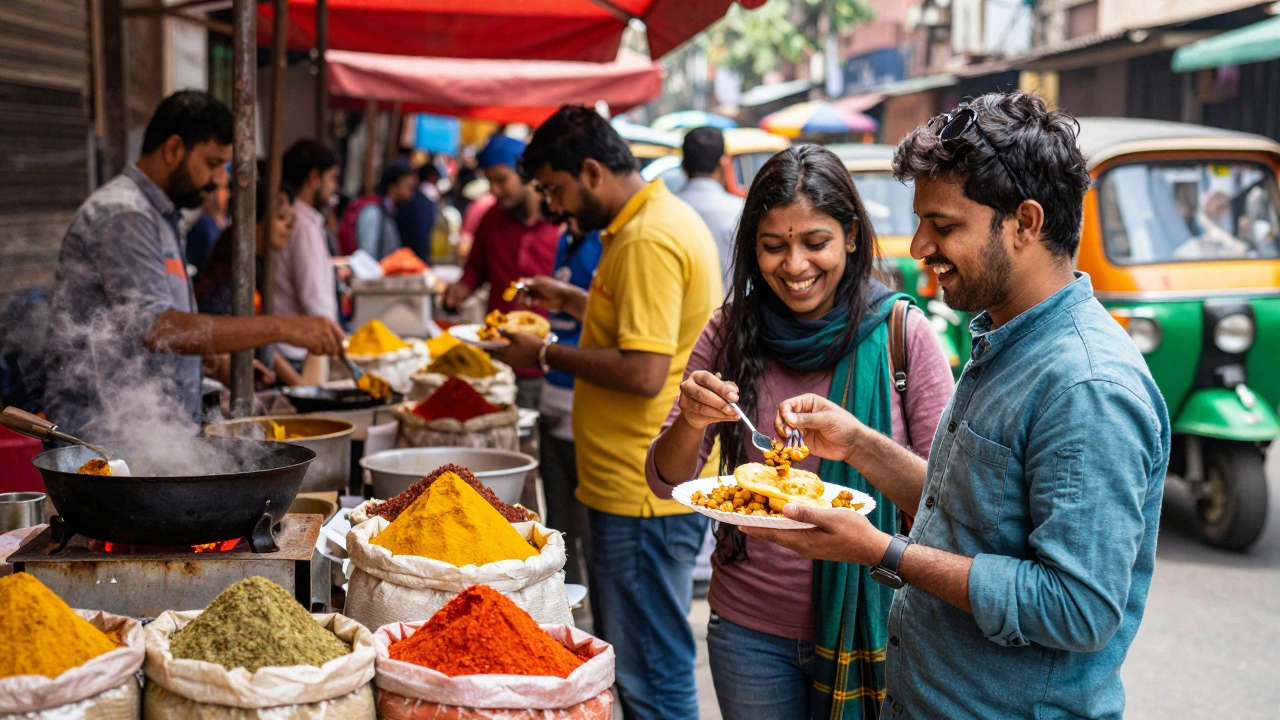
Food in India is where the magic happens. Street food isn’t risky if you pick busy stalls-look for lines of locals. A plate of dosa in Chennai? $0.75. A bowl of chole bhature in Delhi? $1.25. A thali with five curries, rice, roti, and yogurt in Rajasthan? $2.50. Even in touristy areas like Jaisalmer, you won’t pay more than $5 for a full meal. Restaurants targeting foreigners? They’ll charge $10-$15 for the same dish. But why? You’re not saving time or quality-you’re paying for English menus and air conditioning. Skip them. Eat where the drivers and shopkeepers eat. One day in Kerala, I had six different meals for under $4. That included fresh coconut water, fried banana fritters, and a spicy fish curry.
Transport: Trains, buses, and tuk-tuks
Getting around India is cheap, but confusing. A second-class train ticket from Delhi to Agra (200 miles) costs $7-$12. Sleeper class? Add $5. First-class AC? Around $25. Buses are cheaper but slower. A 12-hour ride from Jaipur to Jodhpur? $4. Tuk-tuks are everywhere, but prices vary wildly. In tourist zones, drivers might ask $10 for a 2-mile ride. Negotiate before you get in. A fair price? $1-$2. Use apps like Ola or Uber-they’re reliable in cities and show fares upfront. For longer trips, book train tickets on IRCTC.gov.in. Don’t rely on agents. You’ll pay double. One traveler I met paid $60 for a ticket that cost $18 online. He didn’t know the site existed.
Sights and entry fees: Most are under
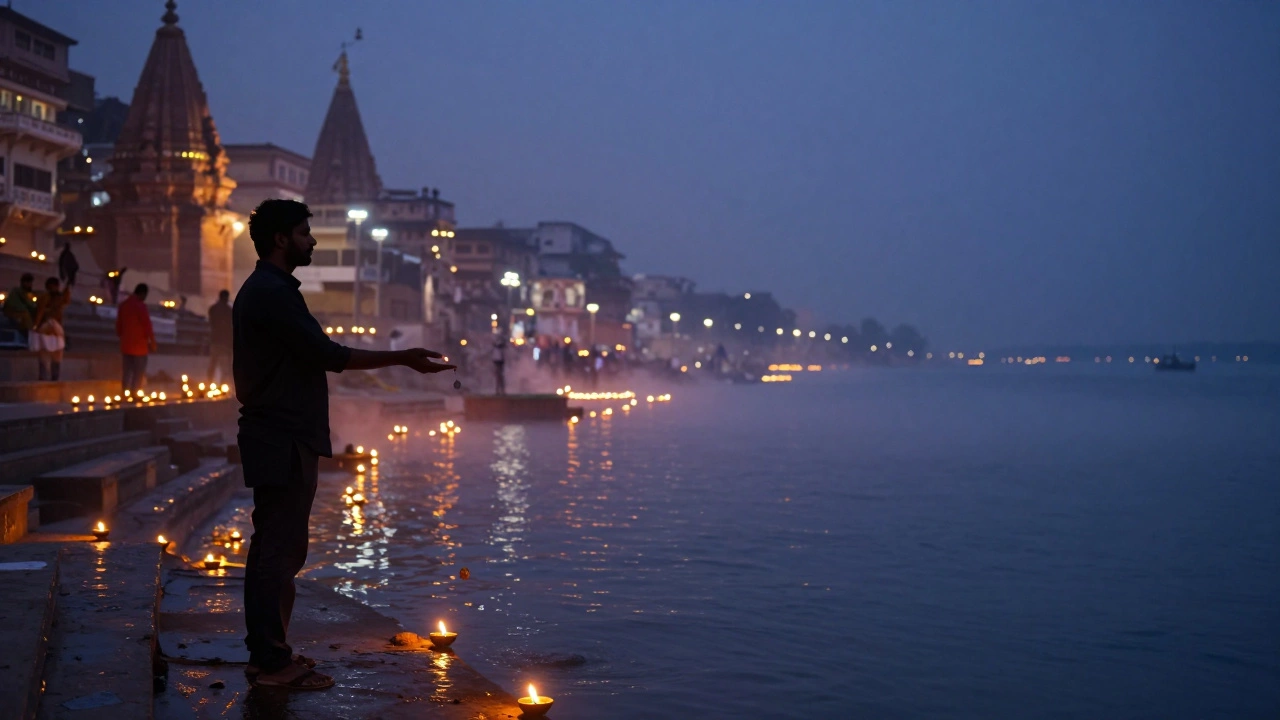
India’s monuments don’t cost a fortune. The Taj Mahal? $15 for foreigners. Agra Fort? $10. Jaipur’s Amber Fort? $12. Even the massive Khajuraho temple complex? $15. Compare that to Machu Picchu ($70) or Angkor Wat ($62). Many temples don’t charge foreigners at all-just a small donation. In Varanasi, you can watch the Ganga Aarti for free. In Ranthambore National Park, a safari costs $45-$60. That’s pricey, yes. But it includes a guide, vehicle, and park fees. You get what you pay for. Skip the overpriced guided tours that bundle three sites for $50. Book directly. You’ll save 30-50%.
Hidden costs: What no one tells you
India’s budget charm hides a few traps. First: tipping. It’s expected but not mandatory. Round up your taxi fare. Leave $0.50-$1 for hotel staff who carry your bags. Second: ATM fees. Many Indian banks charge $3-$5 per withdrawal. Use State Bank of India ATMs-they’re the most reliable and have lower fees. Third: SIM cards. A local SIM with 30GB of data costs $5. You’ll need it for maps, Uber, and booking trains. Fourth: single-use plastic. In many places, you’ll pay $0.25 for a plastic bag. Bring a foldable bag. Fifth: currency exchange. Don’t change money at the airport. Rates are terrible. Use ATMs or licensed exchange counters in the city. I once paid $120 for $100 worth of rupees at Delhi airport. I lost $20 in one transaction.
What makes India feel expensive
Some travelers say India is expensive because they compare it to Thailand or Vietnam. But India isn’t Thailand. It’s not a polished tourist machine. You’ll wait for trains. You’ll get lost. You’ll be asked for money at temples. You’ll see beggars and litter. It’s not always clean. It’s not always quiet. That’s not a flaw-it’s reality. If you want a resort where everything’s pre-packaged, go to Bali. If you want to feel alive, to hear the honking, smell the spices, and see a child sell you a mango for $0.30, then India is worth every rupee. The real cost isn’t in your wallet. It’s in your comfort zone.
Sample 7-day budget: 0-0
Here’s what a realistic budget looks like for one person in India for a week:
- Accommodation: $30 (7 nights at $4-$5/night)
- Food: $25 (street food and local eateries)
- Transport: $35 (train + local buses + tuk-tuk rides)
- Attractions: $25 (Taj Mahal, forts, temples)
- Sim card + data: $5
- Emergency buffer: $30
Total: $150. That’s without luxury, tours, or shopping. Add a night in a mid-range hotel or a safari, and you’re at $250. Compare that to a week in Paris or Tokyo, where $500 is the floor. India doesn’t just fit a budget-it redefines it.
Who should skip India on a budget?
If you need daily room service, bottled water everywhere, and zero noise, India won’t work. If you expect Wi-Fi in every temple, English-speaking guides at every stop, or air-conditioned buses between cities-you’ll be disappointed. India rewards flexibility. It punishes rigidity. If you’re okay with sharing a bathroom, eating with your hands, and sleeping with the window open because the fan is louder than the traffic outside-then you’re ready.
Final verdict: Is India expensive for tourists?
No, it’s not expensive. It’s undervalued. You can live like a king in India for the price of a cheap meal elsewhere. The country doesn’t charge you for the experience-it charges you for the illusion of comfort. And most travelers don’t need that illusion. They need the real thing: the taste of fresh jalebi at dawn, the silence of a temple courtyard at sunset, the kindness of a stranger who gives you directions even when they don’t speak your language. That’s not expensive. That’s priceless.
Is India cheaper than Thailand for travelers?
India is generally cheaper than Thailand for accommodation, food, and local transport. A basic room in Thailand costs $10-$15; in India, it’s $2-$8. Street food in Thailand runs $1-$3; in India, it’s $0.50-$1.50. But Thailand has better infrastructure-cleaner public restrooms, more reliable buses, and clearer English signage. India wins on cost, Thailand wins on convenience.
Can you travel India on $100 a week?
Yes, but only if you’re extremely frugal. You’d need to sleep in dorms ($2/night), eat only street food ($1-$2/meal), use only local buses, and skip paid attractions. You’d have no room for emergencies, souvenirs, or a train upgrade. $100 a week is possible, but $150 is realistic and comfortable. Most travelers who try $100 end up spending more because they get tired of sleeping on floors or eating the same dal every day.
Do you need to tip in India?
Tipping isn’t required, but it’s expected in many places. Round up taxi fares. Leave $0.50-$1 for hotel staff who carry your bags. Tip tour guides $2-$5 per day if they were helpful. Don’t tip at street stalls-they don’t expect it. At restaurants, service is often included. If not, 5-10% is fine. The key: tip only when service is good. Don’t tip out of guilt.
Is it safe to drink tap water in India?
No. Tap water is not safe for tourists. Even in luxury hotels, avoid drinking it. Bottled water costs $0.25-$0.50. Many guesthouses provide filtered water for free-ask. Carry a reusable bottle and refill it. Some travelers use portable filters or purification tablets. But bottled water is the easiest and safest option. Avoid ice in drinks unless you’re sure it’s made with purified water.
What’s the best time to visit India on a budget?
October to March is peak season-prices rise, crowds grow. For the best deals, go in April-May or August-September. It’s hot or rainy, but hotels and trains drop prices by 30-50%. You’ll have temples to yourself. Just avoid monsoon season if you’re trekking. In the north, April-May is scorching but cheap. In the south, September is wet but peaceful. Budget travelers who embrace the off-season often have the best experiences.
Should I book tours in advance or on the ground?
Book trains and flights in advance-especially during holidays. For local tours, wait. Tour operators in Delhi or Jaipur will charge you double what a local guide charges. Find guides at the site entrance-they’re cheaper and more knowledgeable. A tuk-tuk driver in Varanasi offered me a private temple tour for $10. A booked tour cost $45. You’ll get better service, more flexibility, and real stories from locals when you book on the ground.