How Safe Is Maldives for Indians? A Practical Guide for 2025 Travelers
 Dec, 1 2025
Maldives Safety Checklist Tool
Personalized Recommendations
This destination meets key safety requirements for Indian travelers.
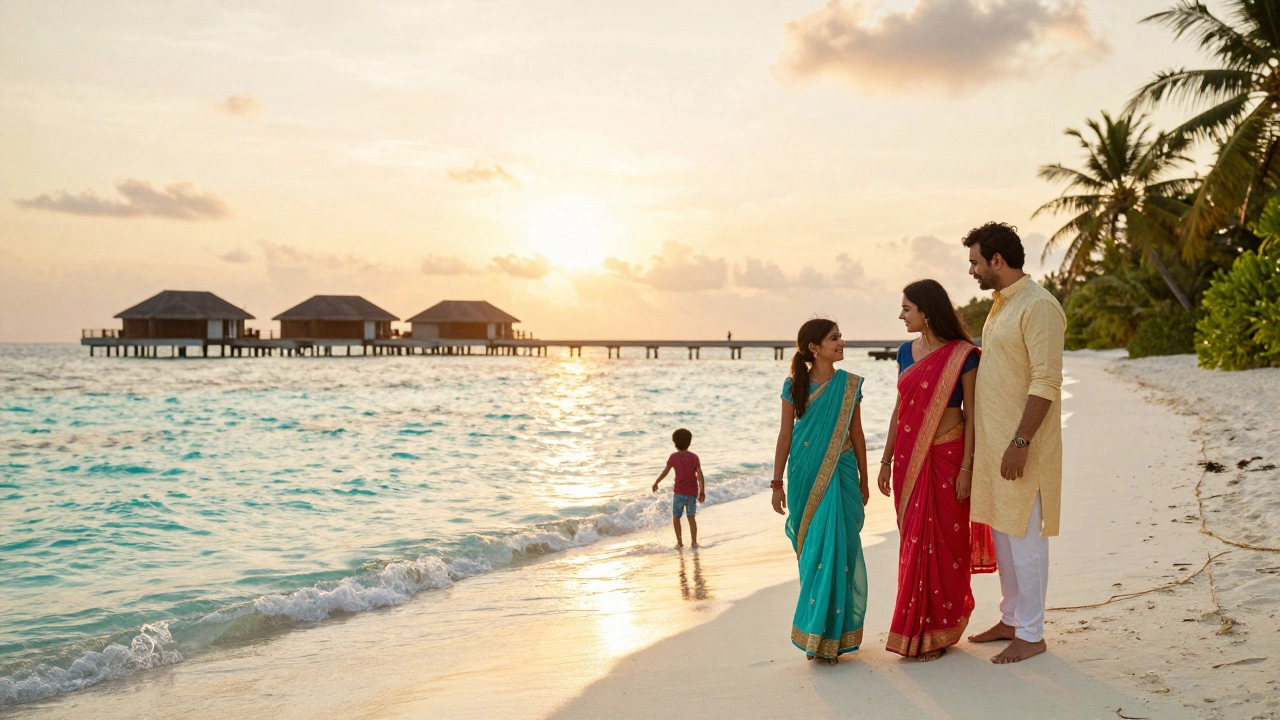
If you’re an Indian traveler dreaming of white sand, turquoise water, and overwater bungalows, the Maldives is one of the top choices. But with rising travel numbers, questions about safety keep coming up: Is it really safe for Indians? Can you walk around freely? Will you face discrimination? The short answer: yes, it’s very safe - but only if you know what to expect.
Maldives is one of the safest countries for Indian tourists
Over 200,000 Indians visited the Maldives in 2024 - up from just 80,000 in 2019. That’s not because it’s cheap (it’s not), but because it’s reliable. Crime rates against tourists are among the lowest in the world. Violent crime is rare. Pickpocketing? Almost unheard of. In 2023, the Maldivian police reported only 12 minor theft cases involving foreigners out of 1.7 million visitors. Most were unattended phones on beaches - not organized scams.
Indian tourists don’t face targeted harassment. Unlike some destinations where locals might pressure tourists into buying overpriced souvenirs or tours, Maldivians are trained to respect boundaries. Resorts and guesthouses hire multilingual staff, including many who speak Hindi and Tamil. At the airport, you’ll see signs in Devanagari script. At the duty-free shop, you’ll find Indian snacks and chai masala.
What makes the Maldives feel safe for Indians?
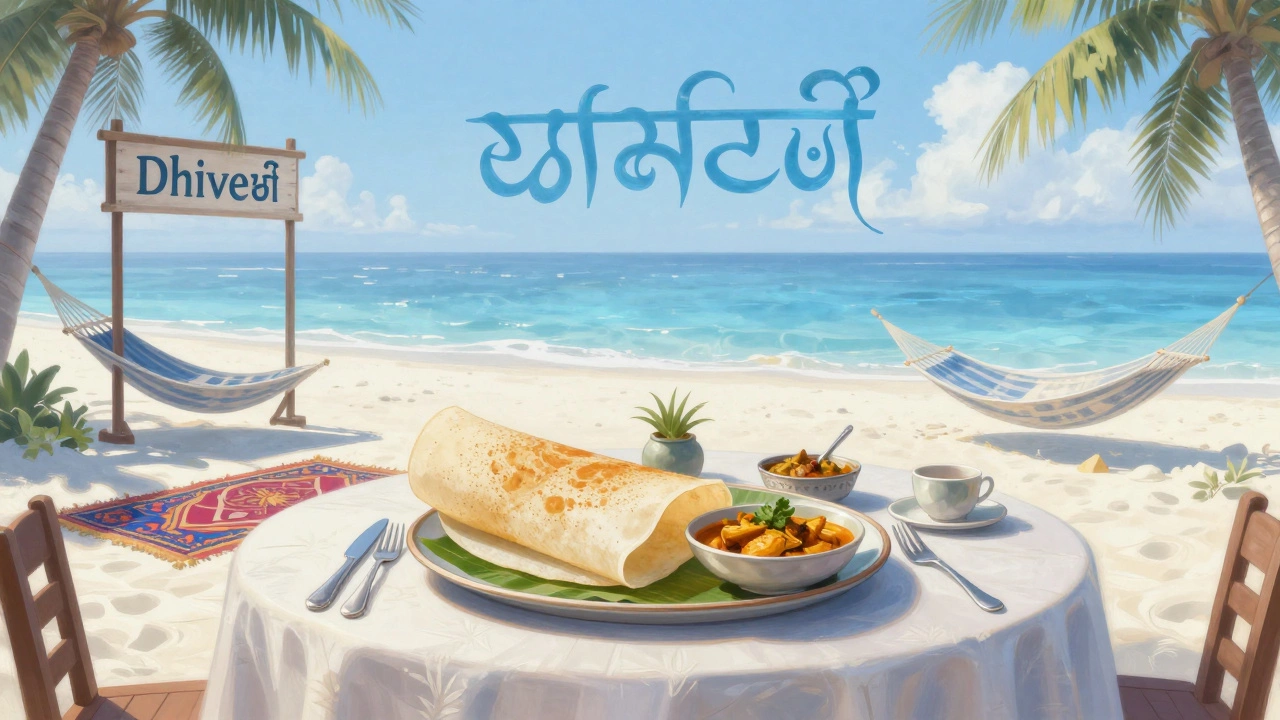
The Maldives doesn’t just tolerate Indian tourists - it caters to them. Most resorts offer Indian cuisine as standard, not as a special request. Breakfast menus include parathas, dosas, and chole bhature. Lunch and dinner feature curries with basmati rice. Many resorts even have Indian chefs on staff.
Religious freedom is respected. Mosques are common on inhabited islands, and many resorts have prayer rooms. You won’t be asked to remove your hijab or change your dress. Alcohol is served only in resort islands, not on local islands, so if you’re staying on a local guesthouse, you’ll find no pressure to drink. That’s a big relief for many Indian travelers.
Indian women traveling alone report feeling safe. Women walk on beaches in saris and kurtas without hassle. There’s no catcalling, no unwanted attention. The culture is quiet, polite, and reserved - not aggressive. A 2024 survey by the Indian Association of Tour Operators found that 92% of Indian female solo travelers rated the Maldives as "extremely safe" or "very safe".
Health and medical safety
Medical care in the Maldives is modern and accessible. Major resorts have in-house clinics with English-speaking doctors. Many staff are trained in first aid and CPR. If you need serious care, the Indira Gandhi Memorial Hospital in Malé can handle emergencies - and it has Indian doctors on rotation.
Water safety is another concern. Tap water is not drinkable anywhere in the Maldives. But resorts provide bottled water, and most guesthouses do too. Avoid ice in drinks unless you’re sure it’s made from purified water. Sunburn and dehydration are bigger risks than illness. Bring high-SPF sunscreen and drink more water than you think you need.
There’s no mandatory vaccination for Indians entering the Maldives. But if you’re coming from a region with dengue outbreaks, take mosquito repellent. The islands are clean, and mosquito breeding grounds are controlled. Still, it’s smart to wear long sleeves at dusk.
Travel logistics: Getting there and moving around
Indians don’t need a visa for the Maldives. You get a free 30-day tourist visa on arrival - just show your return ticket and hotel booking. Your passport must be valid for at least six months. No proof of funds is required, though immigration officers may ask if you look underprepared.
Flights from India are frequent. Airlines like IndiGo, Air India, and Vistara fly directly to Malé from Delhi, Mumbai, Bengaluru, Hyderabad, and Kochi. Flight time is 3 to 4 hours. The airport is modern, clean, and efficient. Immigration lines are usually under 20 minutes.
Getting to your resort? Most transfers are by speedboat or seaplane. These are safe and scheduled. Speedboats are sturdy, and crew wear life jackets. Seaplanes are small but well-maintained. The Maldives has one of the best aviation safety records in South Asia.
Local islands vs. resort islands: Know the difference
There are two types of stays in the Maldives: resort islands and local islands. Most Indians choose resorts - and for good reason. Resorts are private, all-inclusive, and designed for tourists. Everything is clean, safe, and predictable.
But if you want to experience local culture, you can stay on a local island like Maafushi or Thulusdhoo. These places are safe too. Locals are friendly. There’s no alcohol, no nightlife, and no tourists in swimwear on public beaches. You’ll see families, kids playing, and fishermen mending nets. It’s peaceful. But dress modestly. Cover your shoulders and knees. Don’t take photos of locals without asking.
On local islands, you’ll need to book through a licensed guesthouse. Avoid unregistered homestays. Stick to places listed on Booking.com or Airbnb. They’re vetted. Many have Indian guests regularly.
Money, scams, and what to avoid
Indian rupees aren’t accepted. You’ll need US dollars or a credit card. ATMs are available in Malé and on major resort islands. Most places accept Visa and Mastercard. But carry cash for small purchases - tips, snacks, souvenirs.
Scams? They’re rare. But watch out for this one: someone offering a "free island tour" near the airport. It’s a trap. Always book transfers and excursions through your resort or a trusted agency. Don’t follow strangers to "hidden beaches". The best spots are already on maps - and they’re crowded for a reason.
Don’t bring drugs. The Maldives has zero tolerance. Even prescription meds like sleeping pills or painkillers must be declared. Keep them in original packaging with a doctor’s note.
What Indian travelers say about their experience
One couple from Pune spent 7 days on a resort in Baa Atoll. "We didn’t once feel like outsiders," they told a travel blog. "The staff called us by name after day two. Our kids loved the fish feeding. We ate Indian food every night. We didn’t miss home at all."
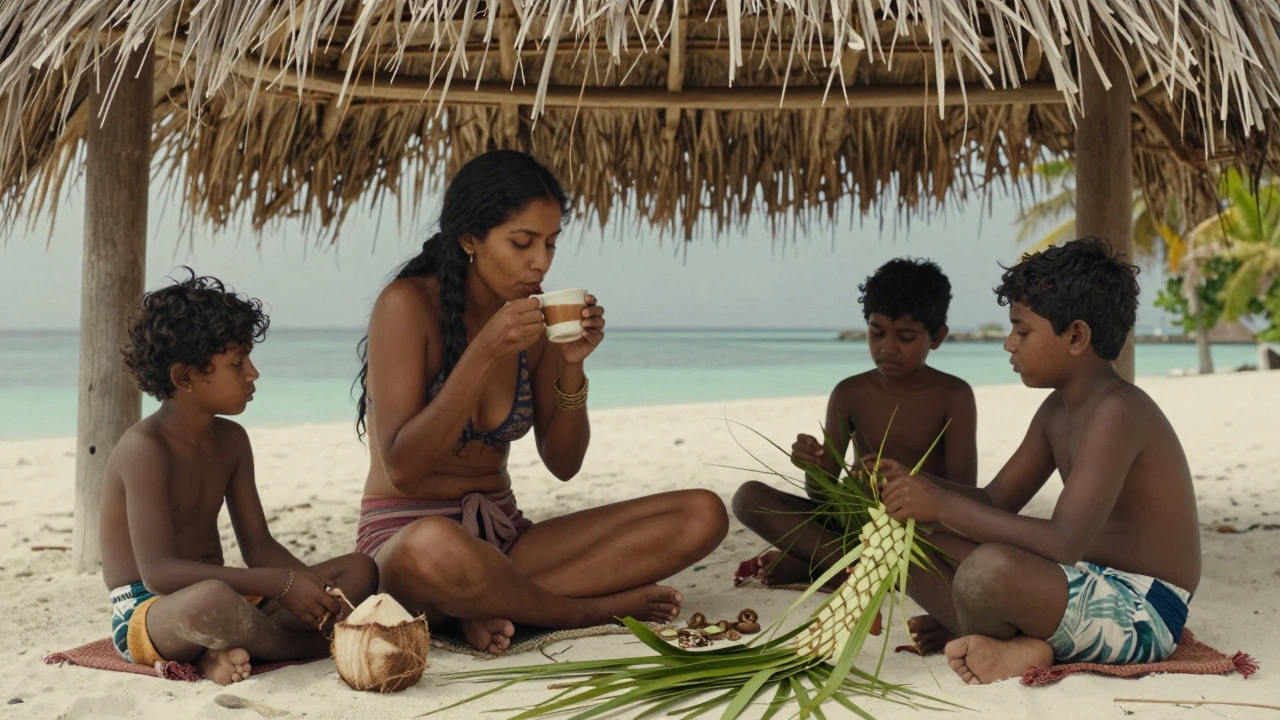
A solo traveler from Kochi stayed on Maafushi for 10 days. "I was nervous at first. But the owner of my guesthouse cooked me dal and rice every day. I made friends with a local family. We played cards. They taught me how to weave coconut leaves. I felt more welcome than in some parts of India."
These aren’t rare stories. They’re the norm.
Final tips: What to pack and how to behave
- Pack light but smart: sunscreen, hat, reusable water bottle, modest clothing for local islands, swimwear for resorts.
- Bring a power adapter. Maldives uses Type D and G plugs (same as India).
- Respect local customs: no public displays of affection, no drinking on local islands, no beach photos of locals without permission.
- Use reef-safe sunscreen. Coral reefs are protected. Regular sunscreen can kill them.
- Learn a few Dhivehi phrases: "Shukuriyaa" (thank you), "Maarun" (yes), "Ihthaa" (no).
The Maldives isn’t just safe for Indians - it’s designed for them. It’s quiet, clean, respectful, and welcoming. You don’t need to be rich to enjoy it. You just need to be smart. Book wisely. Dress appropriately. Stay aware. And you’ll leave with more than photos - you’ll leave with peace of mind.
Is the Maldives safe for Indian families with kids?
Yes, extremely. Resorts offer kids’ clubs, shallow lagoons for swimming, and family-friendly meals. Many have baby cribs, high chairs, and even Indian-style snacks. Crime against children is virtually nonexistent. Local islands are quiet and safe for kids to play in open areas. Just keep an eye on them near the water - currents can be strong even in calm-looking lagoons.
Can I drink alcohol in the Maldives as an Indian tourist?
You can drink alcohol only on resort islands. It’s legal and widely available. Most resorts include drinks in all-inclusive packages. But on local islands - where most Maldivians live - alcohol is banned. You won’t find bars or bottles for sale. Don’t try to bring it in. It’s not worth the risk.
Do I need travel insurance for the Maldives?
It’s not mandatory, but highly recommended. Medical evacuation by seaplane can cost over $5,000. Travel insurance covers trip delays, lost luggage, and emergency medical care. Many Indian banks offer free travel insurance with premium credit cards. Check your card benefits before buying separate coverage.
Are there any political or religious tensions affecting Indian tourists?
No. The Maldives government actively promotes tourism from India. There’s no anti-Indian sentiment. Religious tensions are minimal - the country is Muslim-majority but very moderate. Tourists are treated as guests, not outsiders. Indian festivals like Diwali are sometimes celebrated at resorts with cultural events. You’ll feel welcome.
What’s the best time of year for Indians to visit the Maldives?
November to April is the dry season - perfect for beach days. December to February is peak season, so prices are higher. If you want good weather and fewer crowds, aim for late November or March. Avoid May to October - that’s monsoon season. Rain is frequent, and some excursions get canceled. But if you’re on a budget, you can find deals during the low season.