Dark Tourism Destinations: Where History Meets Tragedy
 Apr, 24 2026
Dark Tourism Itinerary Planner & Ethics Checker
Step 1: Plan Your Balance
Avoid "compassion fatigue" by pairing heavy sites with light activities.
Step 2: Ethics Check
Ensure your visit is about bearing witness, not entertainment.
The Heavy Weight of Europe
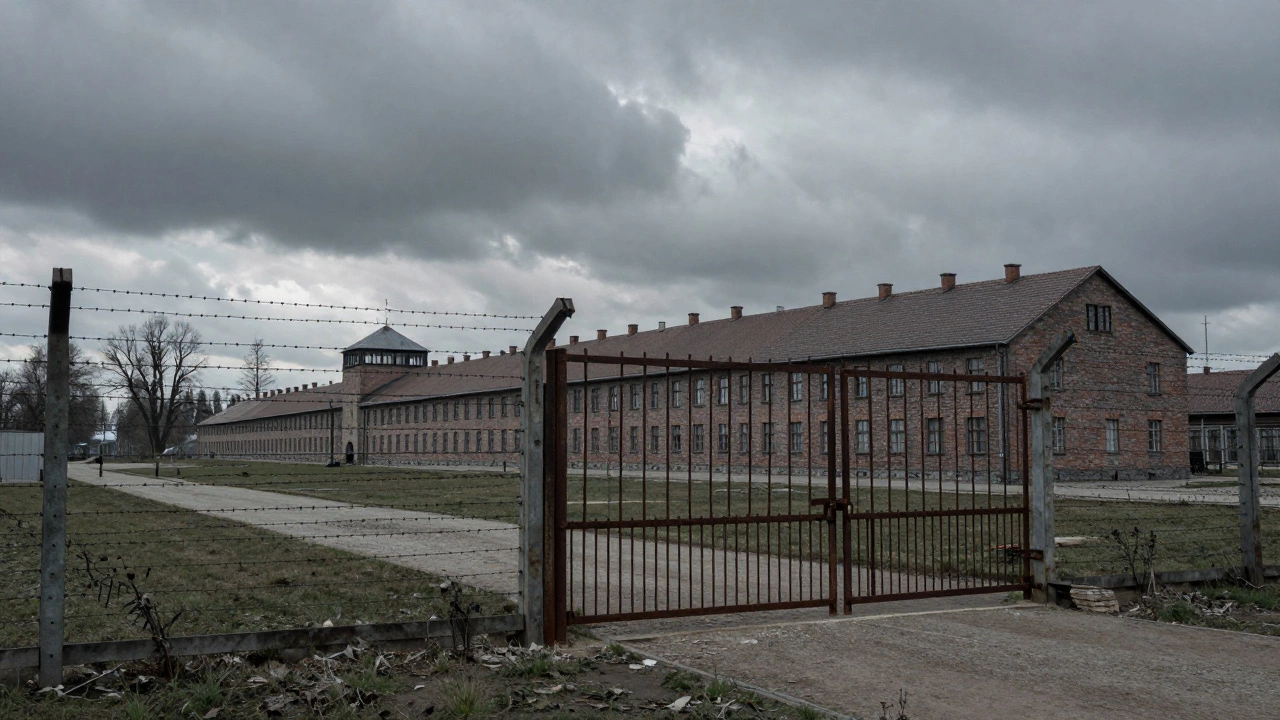
When people think of dark tourism, Europe usually tops the list. The continent is essentially a giant museum of conflict. Poland is perhaps the most significant hub here because of Auschwitz-Birkenau. Visiting this former Nazi concentration camp is an emotionally draining experience, but it's a pilgrimage for millions who want to ensure the Holocaust is never forgotten. Then you have Germany, where the Berlin Wall memorial reminds visitors of a city split by ideology for decades. These sites don't just show you old bricks; they tell stories of separation and state-sponsored violence. In the UK, the Tower of London mixes royal glitz with a history of brutal executions and torture. The contrast between the crown jewels and the blood-stained cobblestones is what makes the experience so jarring.The Somber Landscapes of Asia
Asia offers a different, often more visceral, form of dark tourism. Cambodia is a primary destination for those seeking to understand genocide. The Killing Fields and Tuol Sleng (S-21) prison in Phnom Penh are harrowing reminders of the Khmer Rouge regime. Walking through these sites, where millions were systematically killed, creates a silence that you won't find in a typical tourist spot. Japan has its own unique approach. While they have war memorials, they also have a massive culture around the aesthetic of death and the afterlife. More recently, the ruins of the Fukushima disaster zone have become a draw for people wanting to see the long-term effects of a nuclear meltdown. It's a lesson in fragility-how a few minutes of chaos can render a city uninhabitable for centuries.Dark Tourism in India: The Intersection of Spirit and Tragedy
India is a fascinating case because its dark tourism often blends with spiritualism and colonial trauma. One of the most striking examples is the Jallianwala Bagh in Amritsar. This garden was the site of a brutal massacre in 1919, where British troops opened fire on a crowd of unarmed civilians. The bullet holes are still marked in the walls, serving as a physical scar of the colonial era. But there is also a more "mystical" side to dark tourism in India. Consider the Bishnoi Village or the various "cursed" villages in Rajasthan where locals believe the land is haunted by ancestral wrongs. Then there is the city of Varanasi. While it's a place of pilgrimage and life, the burning ghats-where bodies are cremated in open air-are a central part of the experience. It’s not a "tragedy" in the sense of a disaster, but it is a direct, daily confrontation with mortality that attracts thousands of foreigners every year.| Region | Primary Focus | Key Site Example | Emotional Tone |
|---|---|---|---|
| Europe | War & Ideology | Auschwitz (Poland) | Solemn / Reflective |
| Asia | Genocide & Disaster | Killing Fields (Cambodia) | Harrowing / Shocking |
| India | Colonialism & Mortality | Jallianwala Bagh (India) | Reverent / Poignant |
| North America | Crime & Disaster | Alcatraz (USA) | Curious / Somber |
The Ethics of Visiting Tragedy
Here is where things get tricky. Is it okay to take a selfie in front of a mass grave? This is the central debate of dark tourism. There is a fine line between education and "tragedy porn." When a site becomes too commercialized-like some parts of the Ground Zero area in New York-it can feel like the tragedy is being packaged for profit. To visit these places respectfully, you have to shift your mindset. You aren't there to "see a sight"; you're there to bear witness. The best way to handle this is to read the history before you arrive, dress modestly, and avoid the urge to treat the location like a theme park. The goal is empathy, not entertainment.How to Plan a Dark Tourism Trip
If you're drawn to this kind of travel, don't just jump into the deepest end. These trips are emotionally taxing. If you spend a week visiting only concentration camps or genocide museums, you'll likely experience "compassion fatigue," where you become numb to the horror.- Balance your itinerary: Pair a heavy site with something light. If you visit the Killing Fields in the morning, spend the afternoon in a local cafe or a botanic garden.
- Hire a local guide: Local perspectives provide the nuance that a plaque on a wall cannot. They can tell you how the event still affects the community today.
- Check for current accessibility: Some dark tourism sites, like the exclusion zone in Chernobyl, have restricted access due to political unrest or radiation levels. Always check official government advisories.
- Prepare for the emotional hit: Be honest with yourself about how you handle grief and tragedy. Some sites can trigger unexpected anxiety or sadness.
Beyond the Big Names: The Hidden Dark Sites
While the world knows about the big museums, some of the most powerful experiences happen at smaller, less curated sites. In the US, the Alcatraz island in San Francisco is a classic, but the smaller historic prisons in the South tell a more complex story about race and punishment. In South America, the ruins of the Nazca Lines aren't dark in the sense of death, but they evoke a sense of prehistoric mystery and loss. Meanwhile, in Mexico, the ancient pyramids of the Aztecs are literally built upon layers of previous structures and human sacrifice, making the entire valley a monument to a culture that viewed death as a gateway rather than an end.Is dark tourism considered disrespectful?
It depends entirely on the intent. If the goal is to learn, remember, and honor the victims, it is generally seen as a positive act of remembrance. It becomes disrespectful when visitors treat the site as a backdrop for social media photos or ignore the rules of the venue.
Which countries are the safest for dark tourism?
Most established sites in Europe (like Germany or Poland) are very safe and highly managed. However, sites in active conflict zones or areas with unstable governments require much more caution and often the use of specialized tour operators.
What is the difference between dark tourism and ghost tourism?
Dark tourism is based on historical facts and documented tragedies. Ghost tourism is based on folklore, the paranormal, and the "thrill" of the unknown. One is about history; the other is about entertainment and mystery.
Are there specific rules for visiting sites like Auschwitz?
Why do people feel drawn to these places?
Psychologists suggest it's a way for humans to process their own mortality in a safe environment. It also provides a tangible connection to the past that books cannot offer; seeing a physical wall or a personal item makes history feel real.