Best Month to Visit Northern India: Weather, Crowds, and Local Events Explained
 Dec, 5 2025
Planning a trip to northern India? The biggest mistake travelers make is showing up in July or August, thinking any time of year works. The truth? Northern India has extreme seasons - scorching heat, monsoon floods, and freezing winters. The right month can turn your trip into a dream. The wrong one? You’ll be stuck in a sweaty train station, dodging puddles, or shivering in a hotel with no heating.
October to March: The Sweet Spot
If you want clear skies, comfortable temperatures, and vibrant festivals, aim for October through March. This six-month window is the only time when most of northern India - from Delhi to Agra, Jaipur to Varanasi - feels truly welcoming.
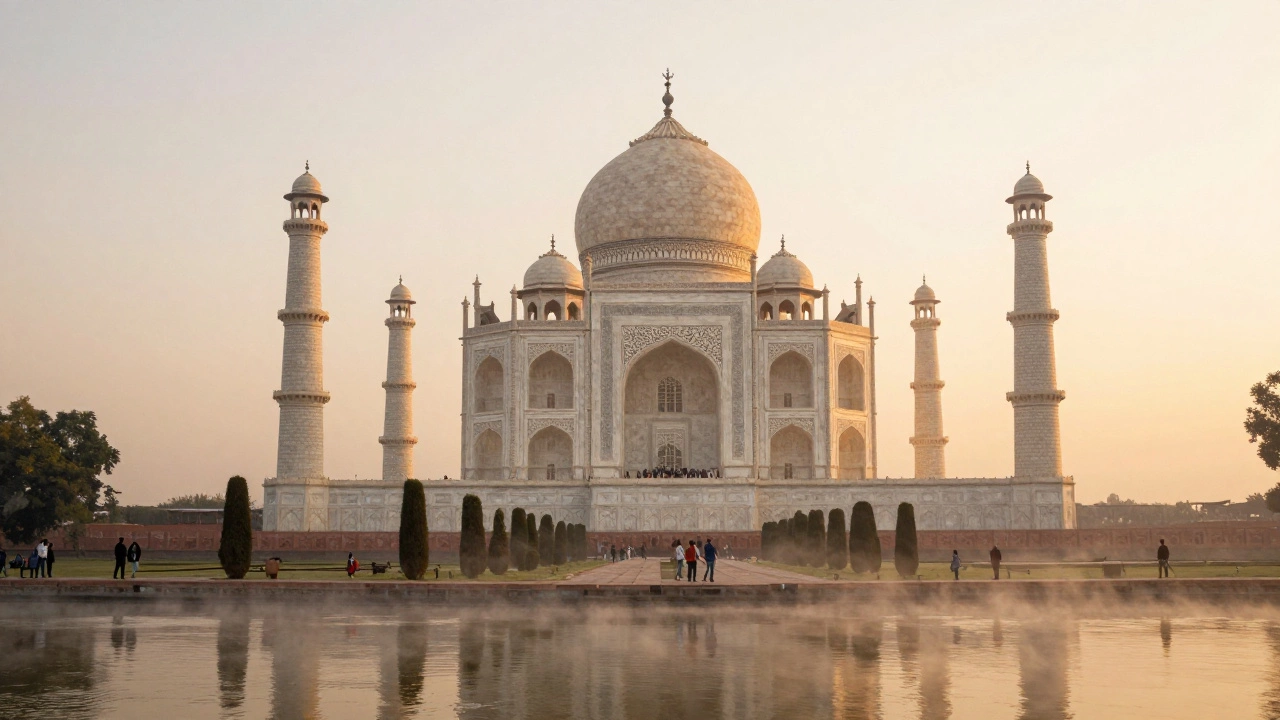
October and November are the quiet winners. The monsoon’s gone, the dust has settled, and the air is crisp. Daytime highs hover around 25-28°C (77-82°F), perfect for walking through the Red Fort or cycling around Amer Fort. Nights are cool, but not cold. You’ll find fewer crowds than in December, and hotel prices haven’t jumped yet. This is when locals say India feels most alive - markets are full, street food smells like cumin and fresh coriander, and the golden light at sunrise over the Taj Mahal doesn’t wash out in haze.
December through February is peak season. It’s cold, especially in the mornings. In Delhi, temperatures can drop to 5°C (41°F). In Agra, it’s often below 10°C (50°F). But here’s the catch: this is when the big international crowds come. If you’re okay with that, you’ll get the clearest views of the Taj Mahal. The air is dry, and the sky is blue. You’ll see more photographers at sunrise than you ever imagined. If you go during this time, book everything - flights, hotels, even temple tickets - at least two months ahead.
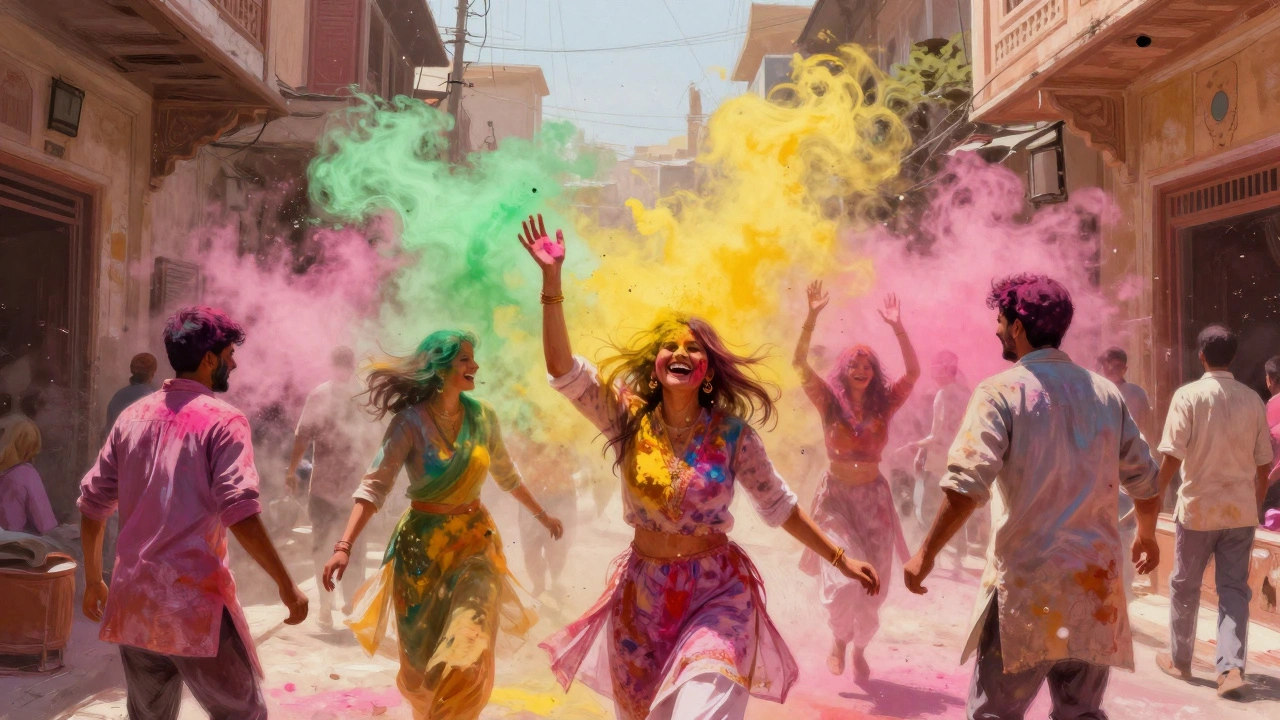
March is the transition. Days warm up fast. By late March, it’s already hitting 32°C (90°F) in Rajasthan. But the crowds thin out, and you can still enjoy the famous Holi festival, which usually falls in March. Imagine streets painted in bright powder, music blasting, and strangers hugging you while tossing colored dust. It’s chaotic, joyful, and unforgettable - if you’re ready for it.
April to June: Avoid If You Can
April through June is when northern India turns into an oven. Temperatures regularly hit 40-45°C (104-113°F). In places like Jodhpur or Bikaner, it’s not unusual for the mercury to climb past 48°C (118°F). The sun doesn’t just shine - it beats down. Walking outside for more than 10 minutes feels like stepping into a hairdryer.
Most hotels don’t have reliable AC. Trains are packed. Tourist sites close early to avoid the heat. And the dust? It gets into your eyes, your mouth, your shoes. I’ve seen travelers collapse from heat exhaustion near the Qutub Minar in May. It’s not dramatic - it’s just dangerous.
Some people still come during this time. Why? Because flights are cheap, and hotels are half-price. But unless you’re a local or a hardcore photographer chasing empty temples at 5 a.m., don’t do it. You’ll spend more time sweating than sightseeing.
July to September: The Monsoon Trap
July to September is monsoon season. Northern India doesn’t get the same kind of rain as Kerala or Goa. Instead, it gets heavy, sudden downpours that flood streets, delay trains, and turn dirt roads into mud.
Delhi’s metro system shuts down for hours. The Yamuna River overflows its banks. Roads near Agra become impassable. The Taj Mahal often closes after heavy rain - not because it’s damaged, but because the grounds turn into a swamp.
But here’s what no one tells you: the landscape turns green. The Aravalli Hills look lush. The gardens of Chandigarh explode with flowers. And if you’re lucky, you’ll catch a brief break in the rain - a clear afternoon where the air smells like wet earth and incense.
Still, unless you’re a botanist or a local photographer chasing moody skies, skip this season. The humidity makes everything feel sticky. Mosquitoes are everywhere. And your camera? It’ll fog up every time you step inside.
What About Festivals?
The best months to visit northern India aren’t just about weather - they’re about timing your trip around festivals.
Diwali, the Festival of Lights, usually falls in October or November. Cities light up with millions of oil lamps. Markets overflow with sweets. The whole region feels like a celebration. It’s the single most magical time to be in Jaipur or Varanasi. But book early - flights sell out months in advance.
Holi, the color festival, happens in March. It’s wild, loud, and messy. You’ll be drenched in pink and green powder by noon. Tourists line up to join in - and locals love it. Just don’t wear your good clothes. And avoid the big cities if you’re shy. Smaller towns like Barsana or Mathura offer a more intimate experience.
And don’t miss the Kumbh Mela, which rotates between Haridwar, Prayagraj, Nashik, and Ujjain. It happens every 12 years in the same place. The last one in Prayagraj drew over 100 million people. The next one in Haridwar is in 2027. If you’re planning ahead, this is a once-in-a-lifetime event - but you’ll need a year to prepare.
Regional Differences Matter
Not all of northern India is the same. The Himalayan foothills - places like Shimla, Manali, and Rishikesh - have their own rhythm.
Shimla and Manali get snow from December to February. If you want to ski or sip hot chocolate by a fireplace, this is your window. But roads can close due to snowfall. Rishikesh, on the other hand, is better visited in March-April or September-October. The Ganges is calmer, and yoga retreats aren’t packed.
Meanwhile, the desert regions - Jaisalmer, Bikaner - are unbearable in summer. But in winter, camel safaris under starry skies are perfect. The nights are cold enough to need a blanket, but the days are sunny and warm.
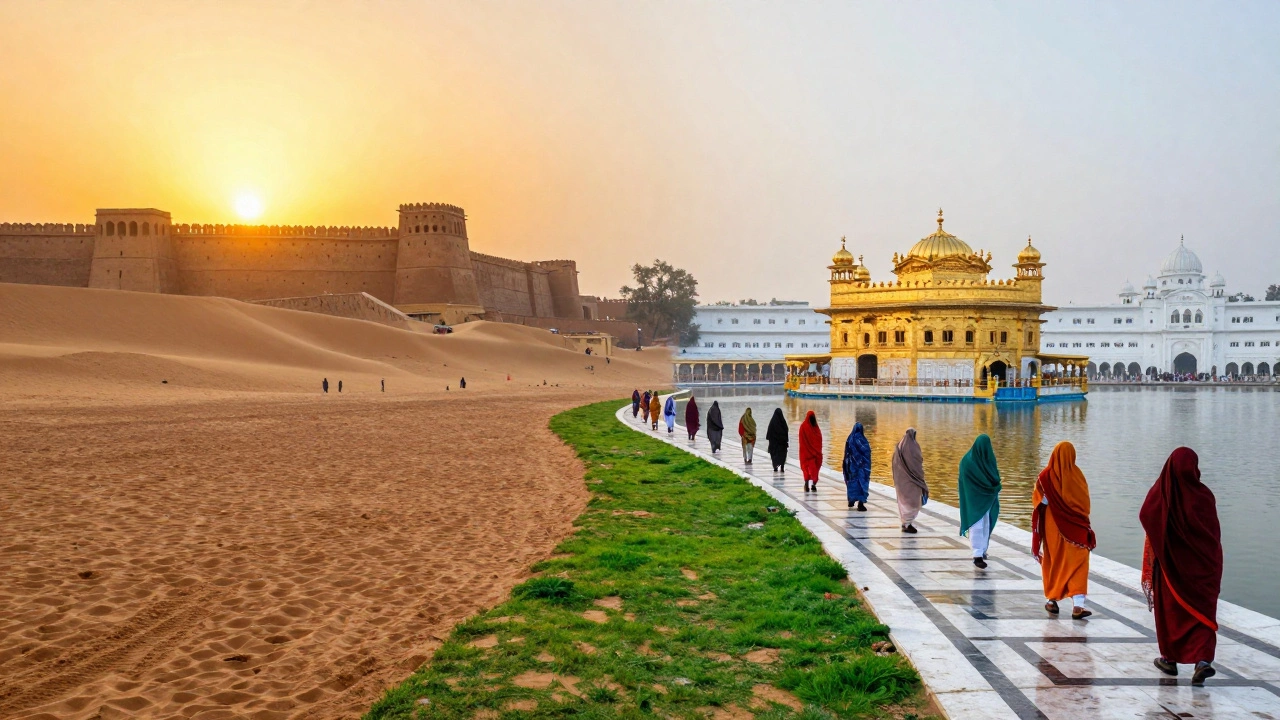
And let’s not forget Amritsar. The Golden Temple is beautiful any time, but October-March is ideal. The langar (free community meal) serves thousands daily. In winter, you’ll see pilgrims wrapped in woolen shawls, sharing warm meals under the temple’s golden dome. It’s one of the most moving experiences in all of India.
What to Pack for Each Season
What you bring changes everything.
October-November: Light jackets for evenings, breathable cotton clothes, good walking shoes, a small umbrella (just in case), and sunscreen. Sunglasses are non-negotiable.
December-February: Thermal layers, a warm coat, gloves, and a scarf. Even if you’re staying in a hotel with heating, it often turns off at night. Bring a reusable water bottle - tap water isn’t safe, and bottled water is expensive.
March: Light clothes for the day, a light jacket for evenings. Sunscreen and a hat. You’ll burn fast as the sun strengthens.
April-June: If you must go, pack light, loose, UV-blocking clothing. A portable fan helps. Avoid dark colors - they absorb heat.
July-September: Quick-dry fabrics, waterproof shoes, a rain cover for your backpack, and a small towel. Avoid cotton - it stays wet for hours.
Final Recommendation: October Is the Winner
After 12 years of traveling across northern India, I’ve seen it all. The best single month? October.
The weather is perfect. The crowds are still low. Hotels are affordable. Festivals like Diwali are just around the corner. You’ll get the Taj Mahal without the selfie sticks. You’ll sip chai in a quiet alley in Varanasi while the sun rises over the Ganges. You’ll ride a camel in Jaisalmer under a sky full of stars.
October doesn’t promise perfection - nothing does. But it gives you the highest chance of experiencing northern India the way it’s meant to be: vibrant, alive, and surprisingly gentle.
Is November a good month to visit northern India?
Yes, November is excellent. It’s the tail end of the ideal season - temperatures are still mild, crowds are thinner than in December, and the air is clear. It’s ideal for sightseeing, photography, and outdoor activities. Plus, Diwali often falls in late October or early November, adding a magical touch.
Can I visit the Taj Mahal in summer?
You can, but you shouldn’t. Temperatures above 40°C (104°F) make walking around the complex exhausting. The marble gets hot enough to burn your feet. Lines are long, and the heat haze distorts the view. Early morning visits help, but even then, it’s uncomfortable. Stick to October-March for the best experience.
Is it safe to travel to northern India during monsoon season?
It’s physically safe, but logistically challenging. Trains and flights get delayed. Roads flood. Some heritage sites close temporarily. If you’re flexible, patient, and prepared for delays, you can manage. But if you’re on a tight schedule or traveling with kids, avoid it. The humidity and mosquitoes also increase health risks.
What’s the cheapest month to visit northern India?
June is the cheapest - but also the worst. Hotel prices drop by 40-60% compared to peak season. Flights are cheaper too. But you’ll pay in discomfort: extreme heat, power outages, and limited access to outdoor sites. If you’re on a strict budget and don’t mind the conditions, go for it. Otherwise, October offers the best value - decent prices with perfect weather.
Should I avoid Delhi in January?
Not necessarily. January is cold - mornings can be below 5°C (41°F) - but the air is clear and the skies are blue. It’s the best time to see the Red Fort and Humayun’s Tomb without haze. The downside? Air pollution peaks in late December and January due to crop burning and festival fireworks. Bring a mask if you have respiratory issues.
Next Steps
If you’re ready to book, start with October. Pick your top two cities - maybe Delhi and Jaipur, or Agra and Varanasi - and lock in flights and hotels by July. Use local travel blogs for real-time updates on festivals and road conditions. Don’t rely on generic tourism sites - they’re often outdated.
And remember: northern India isn’t a checklist. It’s a feeling. The best month isn’t just about weather - it’s about when you’re ready to feel the rhythm of the place. October gives you the space to do that.