Best Cities for Trekking in India: Top Destinations for Hikers
 Dec, 1 2025
If you're looking for the best city to start your trek in India, you're not just picking a place-you're choosing a gateway to mountains, forests, and skies that feel like they were made for walking. There’s no single answer, because what makes a city "best" for trekking depends on what kind of hike you want: a gentle morning walk through cloud-covered hills, or a five-day climb through glacial valleys with zero cell service. But some cities stand out as the most reliable, accessible, and rewarding launchpads for trekkers of all levels.
Manali: The Gateway to the Himalayas
Manali isn’t just a tourist spot-it’s the most popular starting point for serious treks in the Indian Himalayas. Located in Himachal Pradesh, this town sits at 2,050 meters and gets snow every winter, making it a year-round trekking hub. The famous Hampta Pass trek begins here, a 5-day route that takes you from lush green valleys to barren, moon-like landscapes in under a week. Even beginners can tackle the 12-kilometer trek to Solang Valley, which offers panoramic views without requiring technical gear.
What makes Manali work so well? It’s the infrastructure. You’ll find gear rentals, experienced guides, and hostels that cater to trekkers. The airport is just 50 kilometers away, and buses run daily from Delhi. In 2024, over 180,000 trekkers passed through Manali, according to the Himachal Pradesh Tourism Department. That’s more than any other hill town in India. If you want a city that balances accessibility with raw mountain beauty, Manali is your top pick.
Uttarkashi: For the Serious Hiker
If Manali feels too crowded, head to Uttarkashi in Uttarakhand. This quiet town sits at 1,150 meters and is the real deal for those who want to trek without the crowds. It’s the starting point for the Gangotri Glacier trek, the origin of the Ganges River, and the base for the challenging Kedarkantha summit, which climbs to 3,810 meters. Unlike Manali, Uttarkashi doesn’t have fancy cafes or souvenir shops. It has prayer flags, local guides who’ve been leading treks for generations, and trails that haven’t changed in 50 years.
Uttarkashi is where India’s most experienced trekkers train. The Nehru Institute of Mountaineering, one of the country’s top climbing schools, is based here. The town has no direct flights-only a 7-hour drive from Dehradun. That’s a filter. It keeps out tourists and keeps in those who mean business. If you want to test yourself on snow-covered ridges or glacier crossings, Uttarkashi is the city you need to reach.
Gulmarg: The Kashmiri Escape
Most people think of Gulmarg for skiing, but its summer trails are some of the most beautiful in India. Located in Jammu and Kashmir, Gulmarg sits at 2,650 meters and is surrounded by alpine meadows that bloom with wildflowers in May and June. The trek to Apharwat Peak, at 4,390 meters, is a 12-kilometer climb that takes you above the tree line into a world of snowfields and distant peaks. You’ll see Himalayan brown bears, ibex, and sometimes even snow leopards-though you’re unlikely to spot one.
What sets Gulmarg apart is the cable car. The second-highest in the world, it takes you to 3,980 meters in minutes, giving you a head start on long treks. You can do the 6-hour round trip to Khilanmarg from the top without needing to hike up from the town. It’s a rare combo: luxury access with rugged terrain. Gulmarg is safe for solo trekkers, and the local guides are among the most professional in the country. If you want high-altitude beauty without the long approach, this is your city.
Coorg: The Green Alternative
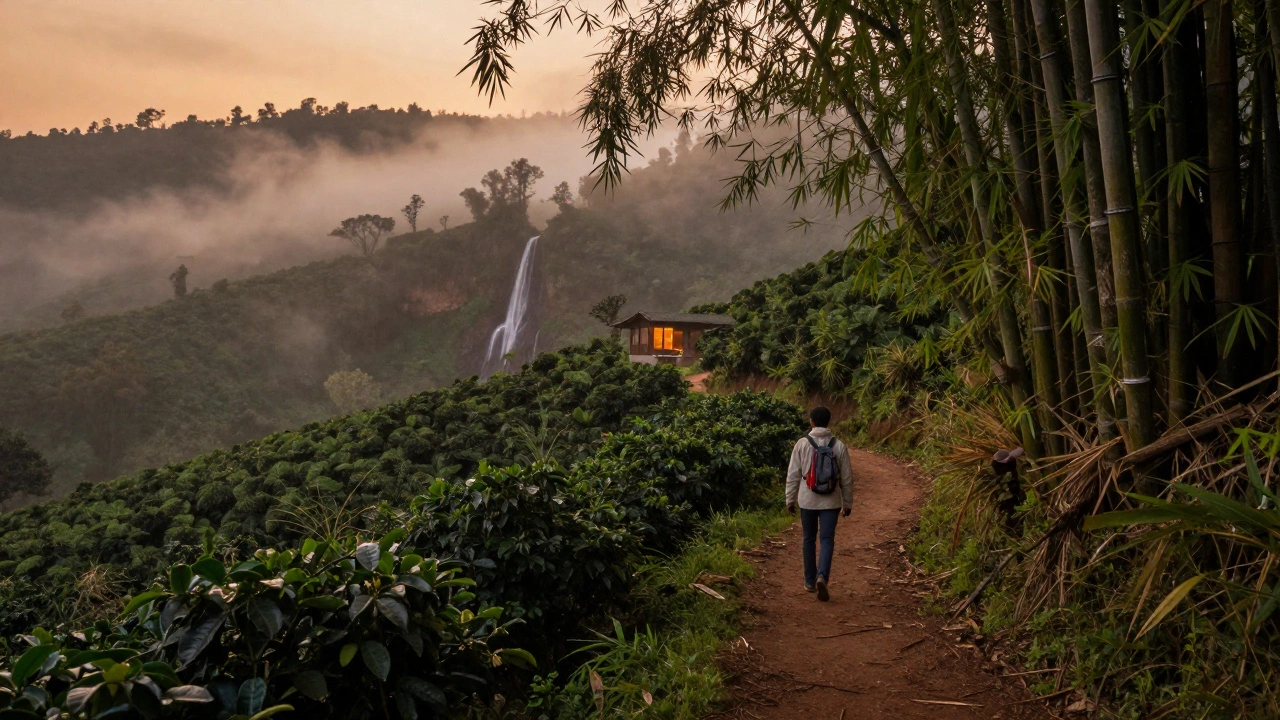
Not all treks need snow. If you prefer misty forests, coffee plantations, and waterfalls, then Coorg in Karnataka is your city. It’s the only major trekking hub in South India that’s not in the Western Ghats’ most remote zones. The Abbey Falls trail is a 2-kilometer walk through thick jungle, and the push to Tadiandamol-the highest peak in Coorg-is a 10-kilometer climb that takes 5-6 hours. You’ll pass through spice farms, bamboo groves, and old British bungalows.
Coorg is perfect for people who want trekking without the cold. The temperature rarely drops below 15°C, even in winter. It’s also one of the safest places in India for solo female trekkers. The local community runs homestays that include meals and guided walks. In 2023, Coorg saw a 40% increase in foreign trekkers, according to Karnataka Tourism data. If you want lush, green, humid trails with a side of strong filter coffee, Coorg is your answer.
Rishikesh: The Spiritual Trek
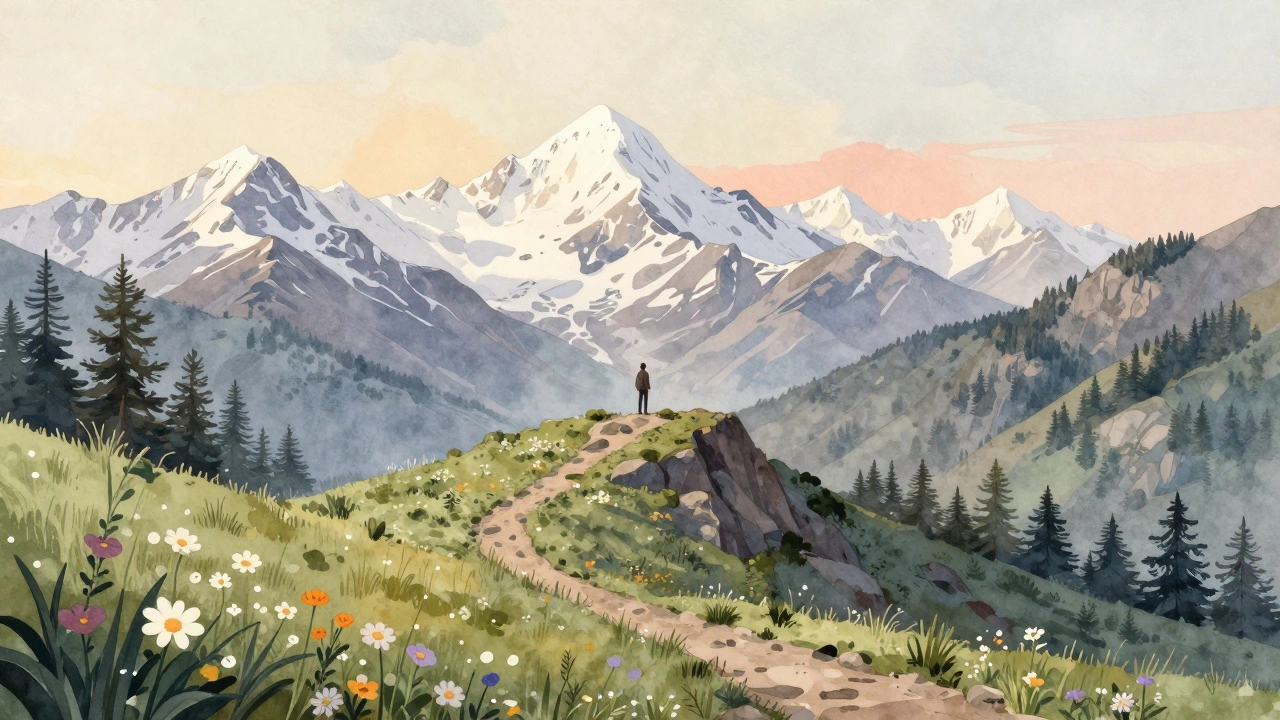
Rishikesh is known for yoga and the Ganges, but its real treasure is the trekking routes that start just outside town. The Kunjapuri Temple trek is a 7-kilometer climb that rewards you with sunrise views over the Himalayas. The trek to Robber’s Cave is a 5-kilometer walk through caves and waterfalls, and the longer route to Neer Garh Falls is a 12-kilometer loop that’s popular with backpackers.
Rishikesh is unique because it blends physical challenge with spiritual calm. You can do a morning trek and spend the afternoon meditating by the river. The city is small, walkable, and full of affordable guesthouses. It’s also the closest major city to the Himalayas for travelers coming from Delhi (just 240 kilometers). If you want a trek that feels like a reset-not just for your body, but your mind-Rishikesh is unmatched.
Chopta: The Hidden Gem
Chopta doesn’t have an airport. It doesn’t have ATMs. It doesn’t even have street lights. And that’s why it’s one of the best places to trek in India. This tiny village in Uttarakhand is the base for the Tungnath-Chandrashila trek, a 3.5-kilometer climb from Tungnath (the world’s highest Shiva temple) to Chandrashila Peak at 4,000 meters. The summit gives you a 360-degree view of Nanda Devi, Trishul, and Kedarnath.
Chopta is often called "Mini Switzerland" because of its meadows and pine forests. The trek is moderate, takes less than a day, and is safe for beginners. The best part? You’ll likely have the trail to yourself. In 2024, only 12,000 trekkers visited Chopta-compared to 180,000 in Manali. It’s quiet, clean, and untouched. If you want to feel like you’ve stepped into a forgotten corner of the Himalayas, this is your city.
Which City Is Right for You?
There’s no one-size-fits-all answer. Here’s how to pick:
- First-time trekker? Start with Manali or Coorg. Trails are marked, guides are easy to find, and the weather is forgiving.
- Want solitude? Go to Chopta or Uttarkashi. Fewer people, more silence, deeper connection.
- Love high altitudes? Gulmarg and Chandrashila (via Chopta) will give you the views you dream about.
- Prefer warmth and green? Coorg is your only real option in South India.
- Want peace after the hike? Rishikesh lets you meditate by the river the same day.
Don’t pick based on Instagram photos. Pick based on your stamina, your season, and what kind of experience you want. A trek isn’t a photo op-it’s a conversation with the mountains.
When to Go
Timing matters more than you think. India’s trekking seasons are narrow:
- April-June: Best for high-altitude treks (Gulmarg, Chopta, Uttarkashi). Snow melts, trails open, wildflowers bloom.
- September-November: Ideal for all treks. Clear skies, cool air, post-monsoon greenery.
- December-February: Only for experienced trekkers. Snow-covered trails, freezing temps. Manali and Gulmarg are open, but routes get icy.
- July-August: Avoid. Monsoon brings landslides, leeches, and closed trails.
Plan ahead. Book guides and permits early-especially for Kedarkantha, Hampta Pass, and Tungnath. Permits are free for most treks, but registration is mandatory in Uttarakhand and Himachal Pradesh.
What to Pack
You don’t need gear from a luxury outdoor store. But you do need the right basics:
- Waterproof hiking boots (broken in before you go)
- Layered clothing: thermal base, fleece, windproof shell
- 2-liter water bottle or hydration bladder
- Headlamp with extra batteries
- Basic first-aid kit: blister pads, painkillers, antiseptic
- Small daypack (20-30 liters)
- Quick-dry clothes (no cotton-it holds moisture)
- Snacks: nuts, energy bars, dried fruit
Leave the heavy backpacks at home. Most treks are day trips or 2-3 nights. Porters are available if you need help carrying gear.
Which city is best for beginners in India?
Manali and Coorg are the best for beginners. Trails are well-marked, guides are easy to find, and the altitude is manageable. The Solang Valley trek in Manali and the Abbey Falls trail in Coorg are both under 12 kilometers and take less than 6 hours. Both have medical facilities nearby and reliable transport.
Is it safe to trek alone in India?
Yes, if you pick the right city. Coorg, Rishikesh, and Chopta are very safe for solo trekkers. Manali and Gulmarg have strong trekking communities and many solo travelers. Avoid remote areas like the Valley of Flowers or Roopkund unless you’re with a group. Always register your trek with local authorities, carry a local SIM card, and let someone know your route.
Do I need a permit for trekking in India?
Most short treks don’t require permits. But for high-altitude routes like Kedarkantha, Hampta Pass, and Tungnath-Chandrashila, you must register at the forest office in Uttarkashi or Manali. Permits are free, but you’ll need your ID and a photo. In protected areas like the Valley of Flowers, permits cost around ₹100-₹200 and must be booked online in advance.
Can I trek in India during monsoon?
It’s not recommended. July and August bring heavy rain, landslides, and leeches. Trails become slippery and dangerous. Many routes close entirely. If you must trek during this time, stick to lower-altitude areas like Coorg or the Western Ghats-but even then, check local weather and road conditions daily.
What’s the most scenic trek in India?
The Chandrashila summit via Chopta is widely considered the most scenic. From the top, you get a 360-degree view of peaks like Nanda Devi and Trishul, with snow-covered ridges stretching for miles. The trail passes through alpine meadows and ancient pine forests. It’s not the hardest, but the views are unforgettable. Many photographers say it’s the best sunrise spot in the Indian Himalayas.
Final Tip: Start Small, Dream Big
Don’t try to climb Everest on your first trip. Pick a city, pick a trail that matches your fitness, and go. The mountains don’t care how many Instagram likes you get. They care if you’re prepared, respectful, and present. The best trekking city isn’t the one with the most followers-it’s the one where you feel the wind on your face, hear the silence between your steps, and realize you’re part of something much bigger than yourself.