When to Visit North India: Best Seasons, Weather, and Top Experiences
North India, the region stretching from the Himalayas in the north to the plains of the Ganges in the south, includes major cities like Delhi, Agra, Jaipur, Varanasi, and Leh-Ladakh. Also known as Northern India, it’s where history, culture, and natural beauty collide in ways no other part of the country can match. But knowing when to visit North India makes all the difference between a great trip and a miserable one.
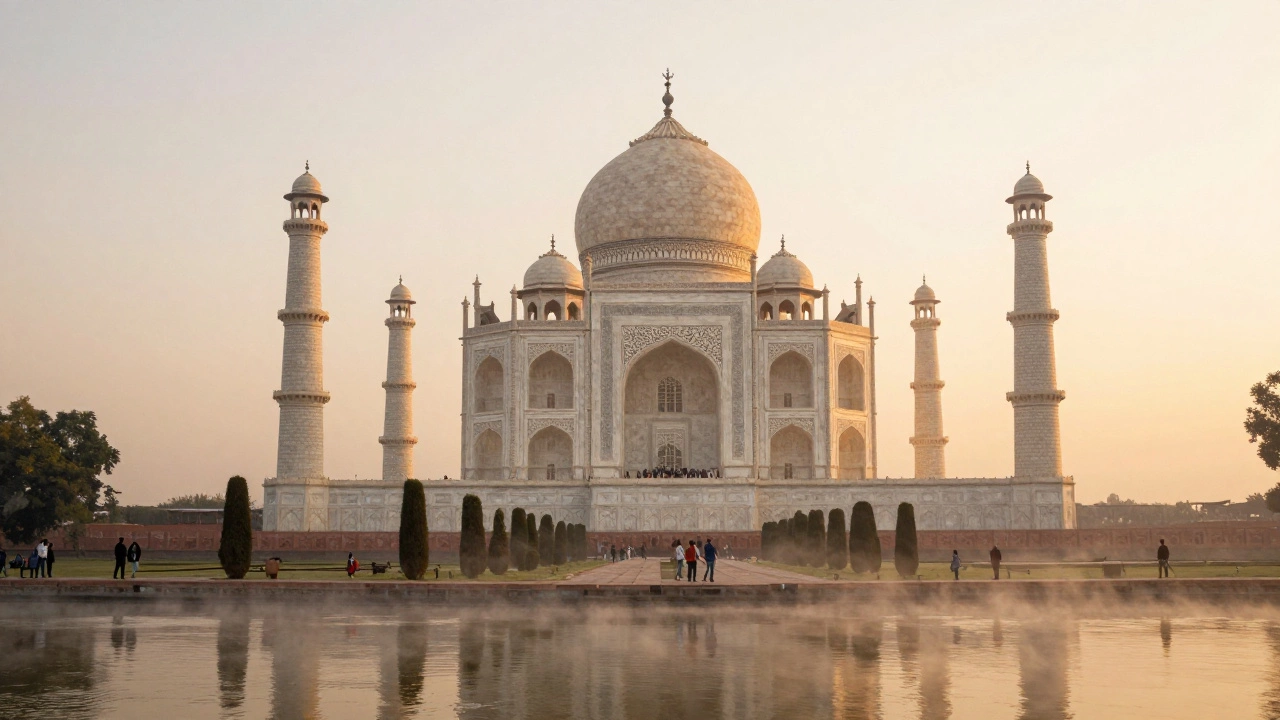
North India isn’t one climate—it’s three. Winters (November to February) are crisp and clear, especially in the hills. Days in Delhi hover around 20°C, while in Manali or Shimla, it’s cold enough for woolens and hot cocoa. This is peak season for sightseeing: the Taj Mahal glows at sunrise, the forts of Rajasthan aren’t sweltering, and the air in Varanasi feels clean enough to breathe deep. If you want to trek in the Himalayas, late spring (April to May) is ideal. The snow has melted, trails are dry, and the views of Nanda Devi or the Pir Panjal range are razor-sharp. Summer (March to June) brings heat that can hit 45°C in the plains. It’s not impossible to travel then, but you’ll be sweating through most of your days. Skip the cities and head to hill stations like Mussoorie or Dalhousie if you can handle the drive.
Monsoon season (July to September) splits North India in two. While the plains get soaked and roads flood, places like Himachal Pradesh and Uttarakhand turn lush and green. The rivers swell, waterfalls roar, and temples like Kedarnath open after winter closure. But if you’re planning to visit Agra or Jaipur, you’ll deal with humidity, delays, and muddy paths. Autumn (October) is the sweet spot—cool air, clear skies, and festivals like Diwali light up the region. It’s when locals say India feels most alive. You’ll find fewer tourists than in winter, but the weather is still perfect for temple tours, camel safaris in Jaisalmer, or a boat ride on the Ganges.
What you do in North India depends on when you go. Want to see the Kumbh Mela? Aim for January or February. Planning a trek to Roopkund? June to September is your window. Looking for a quiet visit to the Golden Temple? Avoid major holidays. The posts below cover exactly that—where to go, what to pack, and which months to avoid based on real traveler experiences. You’ll find guides on safe food in North India, the best cities for trekking, and why American tourists keep coming back to the same spots. No fluff. Just what works.
Best Month to Visit Northern India: Weather, Crowds, and Local Events Explained
The best month to visit northern India is October, offering perfect weather, fewer crowds, and vibrant festivals like Diwali. Avoid summer heat and monsoon rains for a truly enjoyable experience.
Read more