Temple Travel Tips: Essential Advice for Visiting India's Sacred Sites
When you visit a temple, a sacred space in India where devotion, history, and culture come together. Also known as mandir, it’s not just a building—it’s a living part of daily life for millions. Whether you’re drawn by architecture, spirituality, or curiosity, knowing the right temple travel tips makes all the difference. Many tourists show up in shorts or flip-flops, unaware they’re breaking unspoken rules. Others rush through, snapping photos without understanding the rituals around them. A temple isn’t a museum—it’s a place of worship, and how you behave there matters.
Understanding temple tours India, guided or solo journeys to Hindu, Jain, and Buddhist places of worship across the country means learning what to expect. In South India, temples are massive complexes with towering gopurams and daily rituals that last hours. In North India, they’re often quieter, more intimate, and tied to local festivals like Kumbh Mela. You’ll need to remove your shoes before entering, cover your head in some places, and never point your feet at idols. Women may be restricted from entering certain inner sanctums during menstruation—a practice rooted in tradition, not discrimination. It’s not about judgment; it’s about respect. If you’re unsure, watch what others do, or ask quietly. Most locals appreciate the effort.
Hindu pilgrimage, the act of traveling to sacred sites for spiritual reasons, often during major festivals draws millions every year. The Kumbh Mela alone sees over 100 million people in a single month. Even if you’re not there for a festival, timing your visit matters. Arrive early—before the crowds, before the heat, before the incense gets thick. Mornings are quiet, the air is cool, and the priests are fresh. Avoid midday unless you’re ready for long lines and sweltering temperatures. Bring water, wear comfortable shoes, and carry a small bag for your belongings. Many temples don’t allow cameras inside, and some ask you to leave your phone at the entrance. Don’t fight it—this isn’t a tourist attraction, it’s a spiritual space.
And don’t forget the food. Many temples offer prasad—blessed food given to visitors. It’s often sweet, sometimes spicy, always fresh. Accept it with both hands, eat it quietly, and never waste it. If you’re unsure what’s safe to eat, stick to packaged or sealed items sold near the temple gate. Street food nearby can be delicious, but follow the same rules you’d use anywhere in India: go where it’s hot, busy, and cooked in front of you.
Temple travel tips aren’t just about rules—they’re about connection. The carvings on the walls tell ancient stories. The chants you hear aren’t background noise—they’re prayers. The flowers at the altar? Someone’s offering. When you slow down, listen, and observe, you don’t just see a temple. You feel it. And that’s what stays with you long after you’ve left.
Below, you’ll find real stories, practical checklists, and firsthand advice from travelers who’ve walked these paths—whether they came for the peace, the history, or the sheer wonder of it all.
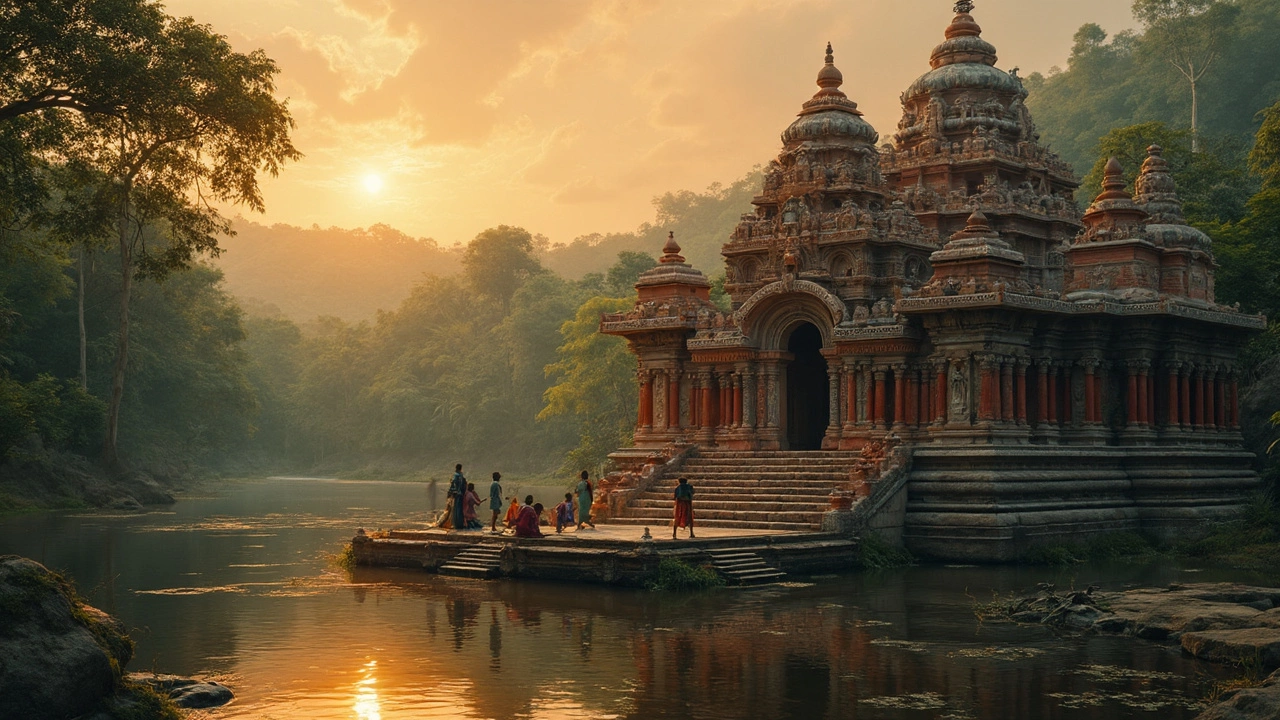
Which Temple Is Only One in India? Exploring Unique Wonders
India is full of temples, but just a few are truly one-of-a-kind. This article digs into a temple in India that has no match anywhere else, breaking down what makes it special and why it should be on every traveler’s list. You’ll find cool facts, the temple’s unique features, and tips to plan your visit without missing out. Get ready to discover a spot that even many locals don’t know about. This isn’t your typical guide—it’s about that one temple you won’t find anywhere else.
Read more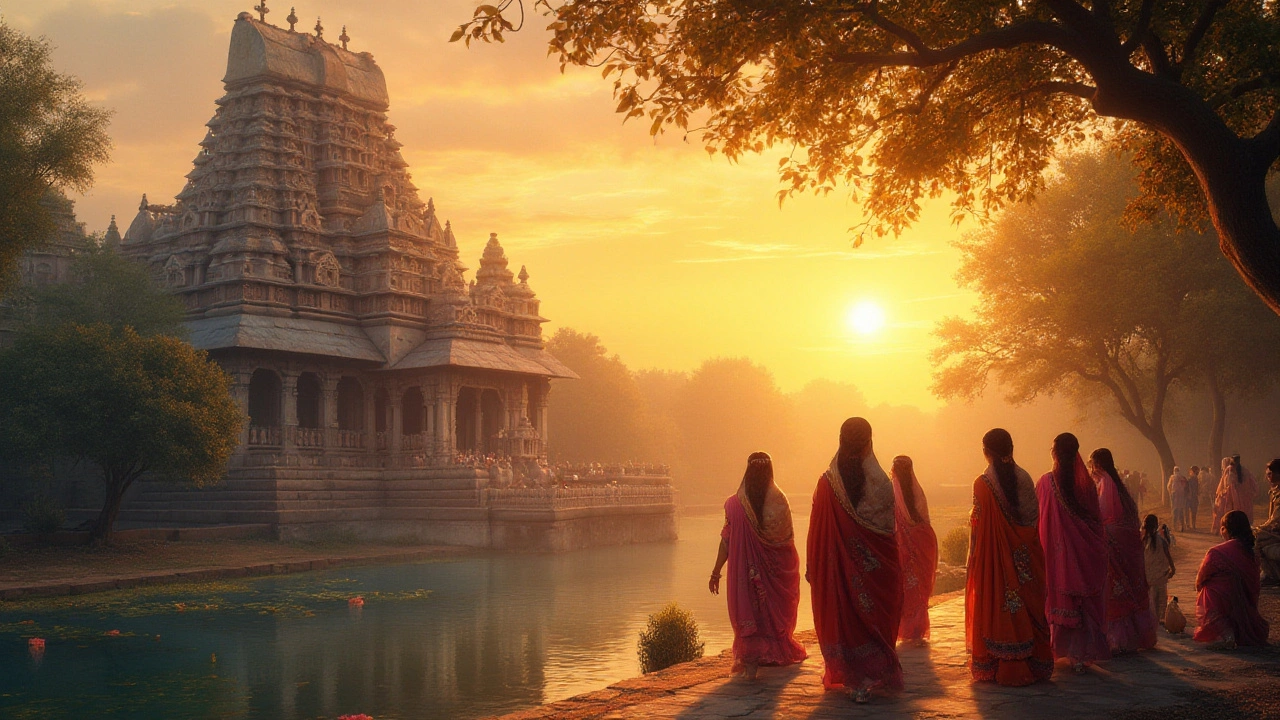
Exploring India's Sacred Temples: Essential Tips and Experiences
Visiting temples in India offers a unique glimpse into the country's rich history and spirituality. From understanding temple etiquette to knowing the best times to visit, there's much to explore and appreciate. Visitors can gain a deeper connection to India's diverse cultural tapestry by embracing local customs and immersing in the serene atmosphere of these sacred places.
Read more