Mumbai Tourism: Best Places, Tips, and What to See in India's Financial Capital
When you think of Mumbai tourism, India’s bustling economic hub and cultural melting pot known for its films, food, and frenetic energy. Also known as Bombay, it’s the only Indian city where you can watch a sunset at a beach, eat a ₹50 vada pav on a crowded train, and visit a 600-year-old temple—all before noon. This isn’t just another city trip. Mumbai tourism is a sensory overload in the best way possible.
You don’t come to Mumbai just to see landmarks—you come to feel them. The Gateway of India isn’t just a monument; it’s where locals gather at dusk, street vendors sell fresh coconut water, and boats ferry tourists to Elephanta Island. The Chhatrapati Shivaji Terminus isn’t just a UNESCO site—it’s a living railway station that handles over 7 million passengers a day. And then there’s Dharavi, often called Asia’s largest slum, which quietly runs a billion-dollar recycling economy. These aren’t tourist traps. They’re real places with real stories.
Mumbai tourism also means food. You can’t leave without trying butter chicken from a roadside stall, pav bhaji from a busy corner, or fresh seafood at Juhu Beach. The city’s street food scene is legendary—not because it’s fancy, but because it’s honest. Locals eat here every day, and if you pick a busy spot, you’re almost guaranteed a safe, delicious meal. Don’t overthink it. Follow the crowd.
And yes, safety matters. Mumbai is one of the safest major cities in India for tourists, especially compared to Delhi or Kolkata. Women travel alone here at night. Trains run on time. Cabs are easy to find. The police are visible. That doesn’t mean you ignore common sense—keep your phone tucked away, avoid sketchy alleys after midnight, and always use metered taxis or trusted apps.
What sets Mumbai apart is how it holds opposites together. You’ll find billionaires in penthouses and street artists painting murals on the same wall. Bollywood stars sip coffee next to factory workers. Ancient temples sit beside glass towers. This chaos isn’t messy—it’s alive. And that’s why people keep coming back.
If you’re planning a trip, know this: Mumbai doesn’t need five days. Three days is enough to taste the soul of the city. Start with the Marine Drive walk at sunset. Hit the Chor Bazaar for vintage finds. Take a train to Bandra for street art and rooftop bars. End the night with a plate of bhel puri at Juhu Beach. Skip the crowded tourist traps like the Nehru Science Centre. Focus on the places where locals actually spend their time.
Below, you’ll find real guides from travelers who’ve done it—whether they’re asking how safe Mumbai is compared to Delhi, where to find the best street food, or what American tourists should eat without getting sick. These aren’t generic lists. They’re honest, practical, and packed with details you won’t find on a brochure.
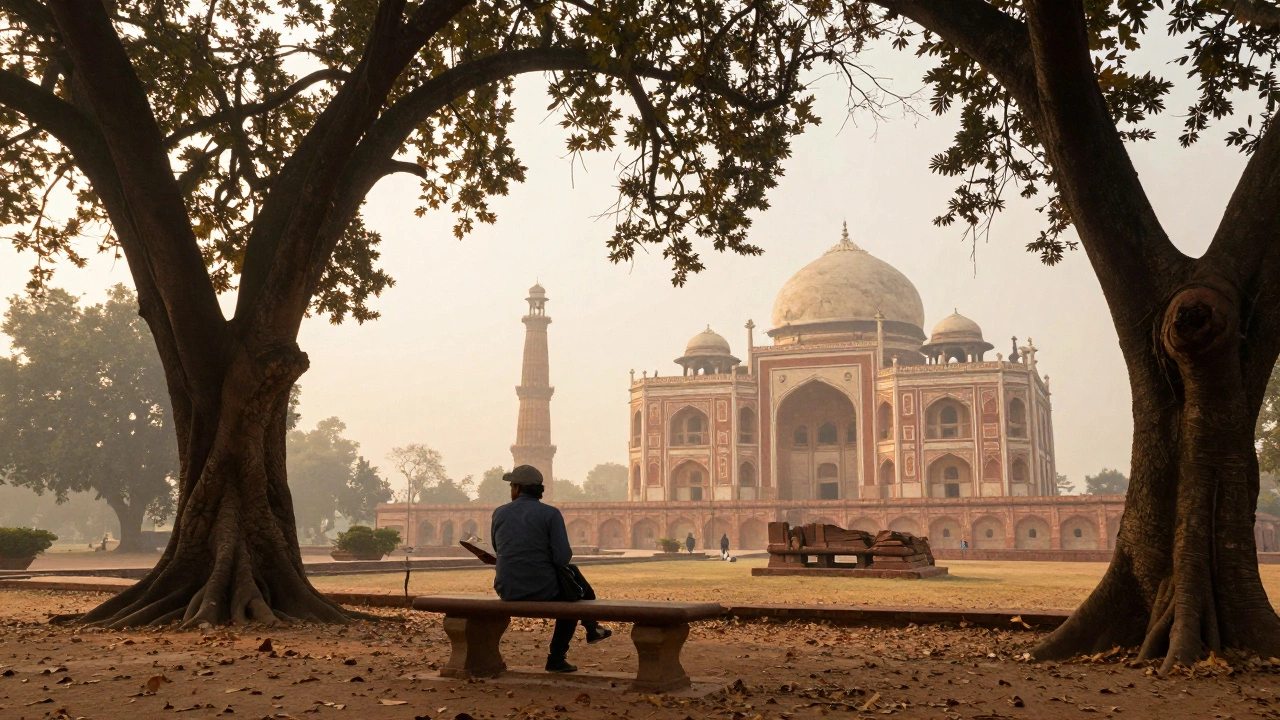
Is New Delhi or Mumbai Better for Travelers?
New Delhi offers history and calm; Mumbai delivers energy and chaos. Which Indian city suits your travel style? Compare culture, food, transport, and costs to decide.
Read more