India Tourist Visa: Requirements, Tips, and What You Need to Know
When planning a trip to India, the India tourist visa, a permit allowing foreign visitors to enter India for leisure, sightseeing, or short-term stays. Also known as e-Tourist Visa, it’s the most common way travelers from over 160 countries gain entry to the country. Whether you’re heading to the Taj Mahal, trekking in the Himalayas, or relaxing on Goa’s beaches, you’ll need this visa unless you’re from a visa-exempt country like Nepal or Bhutan. The good news? Applying is fast, mostly online, and designed for convenience.
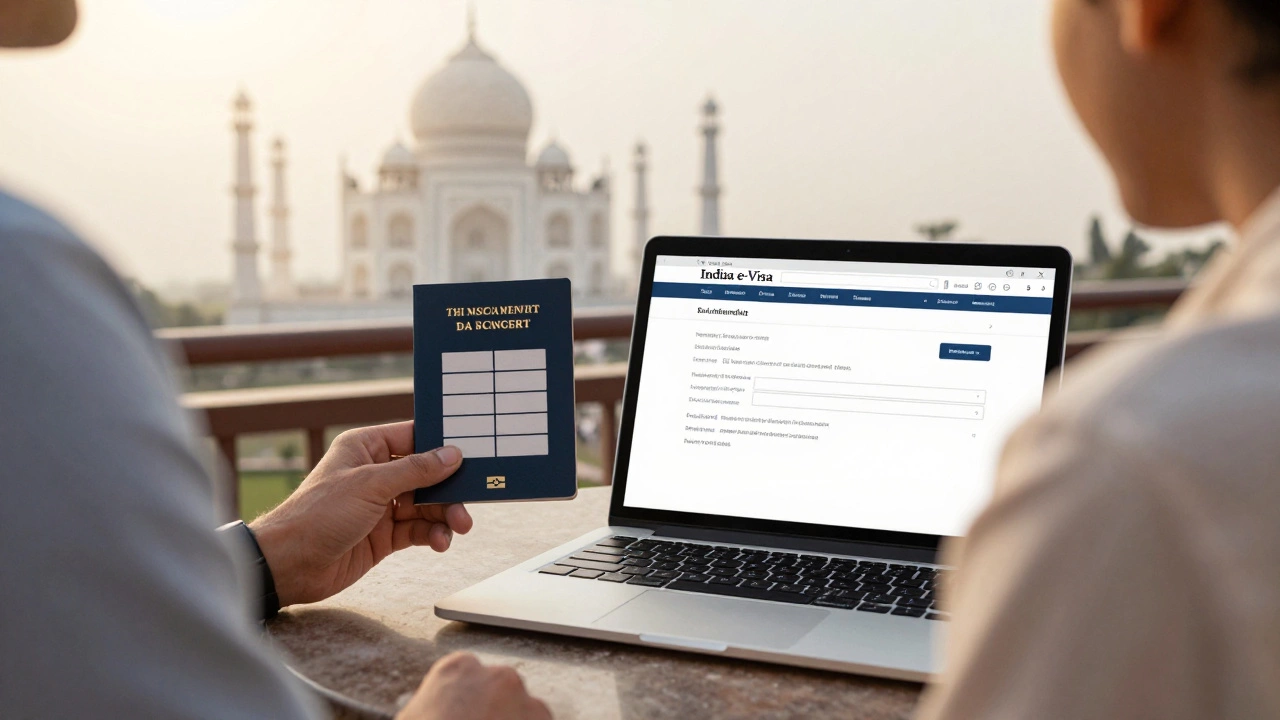
There are two main types: the e-Tourist Visa, a digital visa issued online that’s valid for 60 days and allows double entry, and the traditional paper visa, which is rare now and usually only needed for longer stays or special purposes. The e-Tourist Visa costs around $25–$100 depending on your nationality and how long you want to stay. You can apply up to 120 days before your trip, but no later than four days before arrival. Processing usually takes 72 hours, so don’t wait until the last minute. You’ll need a valid passport, a recent photo, a credit card, and details about your travel plans — including your first hotel or address in India. No invitation letter, no bank statements, no interviews. It’s that simple.
Some travelers get confused thinking they need a visa for every state or region, but that’s not true. Once you have your India tourist visa, it covers all of India, including popular destinations like Delhi, Mumbai, Kerala, and the Andaman Islands. The only exception is protected areas like parts of Arunachal Pradesh or some tribal zones, where you’ll need a separate Inner Line Permit — but that’s not part of the visa process. Also, don’t assume your visa lets you work, study, or stay longer than 60 days. If you want to extend your stay, you’ll need to apply for a different visa type before your current one expires.
Many people worry about getting rejected. The most common reasons? A blurry photo, an expired passport, or applying for the wrong visa type. If you’re visiting for medical treatment or to attend a yoga course, you might need a Medical Visa or a Yoga Visa instead. And if you’ve been to Pakistan or China recently, you might get extra screening — but that doesn’t mean rejection. Just be honest on the form.
India also offers visa-free entry to citizens of Japan, South Korea, and the UAE for short stays, and some countries have special arrangements. Always double-check your eligibility on the official Indian government portal. Don’t trust third-party sites that charge extra fees — the government site is the only one you need.
Once you land, your visa is linked to your passport number. No stamp, no paper. Just scan your passport at immigration, and you’re in. Most travelers get a 60-day stay, but some nationalities get 90 or even 180 days. The exact length depends on your country’s agreement with India. You can apply for a second e-Tourist Visa within two years, but not consecutively — you must leave India for at least two months before reapplying.
Below, you’ll find real travel guides that cover everything from what to pack for your India trip to how to handle customs, where to go after you land, and how to avoid common visa mistakes. Whether you’re planning a two-week getaway or a month-long adventure, the posts here give you the practical, no-fluff details you actually need.
What Does a US Citizen Need to Travel to India? Essential Checklist for 2025
US citizens need a valid passport, e-Visa, and basic health prep to travel to India. This guide covers visa rules, entry requirements, budget tips, and what to avoid in 2025.
Read more