Best Month to Visit Northern India
When you’re planning a trip to northern India, the region stretching from the Himalayas down to the plains of Uttar Pradesh and Rajasthan, known for its historic cities, spiritual sites, and dramatic landscapes, timing matters more than you think. It’s not just about avoiding rain—it’s about catching the sweet spot where the air is crisp, the temples aren’t sweltering, and the mountains are visible without haze. The best month to visit northern India is typically October, but the ideal window runs from late September through November. That’s when summer heat fades, winter hasn’t arrived, and the skies stay clear for photos of the Taj Mahal, the forts of Jaipur, and the snow-capped peaks of Himachal Pradesh.
Travelers often ask if December or January is better because it’s cooler. It is—but it’s also foggy in Delhi, icy on mountain roads, and some high-altitude treks like those near Manali or Uttarkashi become dangerous or closed. May and June? Too hot. Temperatures in Rajasthan regularly hit 45°C, and even the Taj Mahal’s marble feels warm to the touch. The monsoon hits northern India in July and August, bringing heavy rains that flood streets, delay trains, and make temple visits muddy and messy. So you’re not just choosing a month—you’re choosing between comfort, safety, and access. The Taj Mahal, the iconic white marble mausoleum in Agra, one of India’s most visited UNESCO sites looks best in October light, when the sun doesn’t bleach the stone and the crowds haven’t yet swelled for winter holidays. Meanwhile, the Himalayan trekking season, the period when trails in Uttarakhand, Himachal, and Sikkim are snow-free and safe for hikers peaks in October too. Trails to Valley of Flowers, Roopkund, or Kedarnath are open, the air is thin but clean, and you’ll see fewer groups than in spring.
What about festivals? If you want to experience Diwali, aim for late October or early November—it’s magical in Varanasi or Pushkar, with lamps lighting up ghats and streets. But if you’re looking for quiet, go earlier in October. You’ll get better taxi deals, shorter lines at Amber Fort, and more space on the train to Varanasi. The cultural tourism, the practice of traveling to experience local traditions, rituals, and heritage sites here isn’t just about seeing places—it’s about feeling them in the right season. The same temple that’s packed in December feels sacred in November when the wind carries incense and the call to prayer echoes without noise pollution.
What you’ll find below are real, tested guides from travelers who’ve been there—not just what travel blogs say, but what works on the ground. Whether you’re wondering when to book a taxi to Rishikesh, if you can still see pink sand in the north (you can’t—it’s all in the south), or how to avoid getting sick from street food in winter, the posts here cut through the noise. You’ll learn exactly which months deliver the most beauty with the least hassle, what to pack for October versus April, and why some of the most popular trips are actually the worst timed. No fluff. Just what you need to plan your trip right.
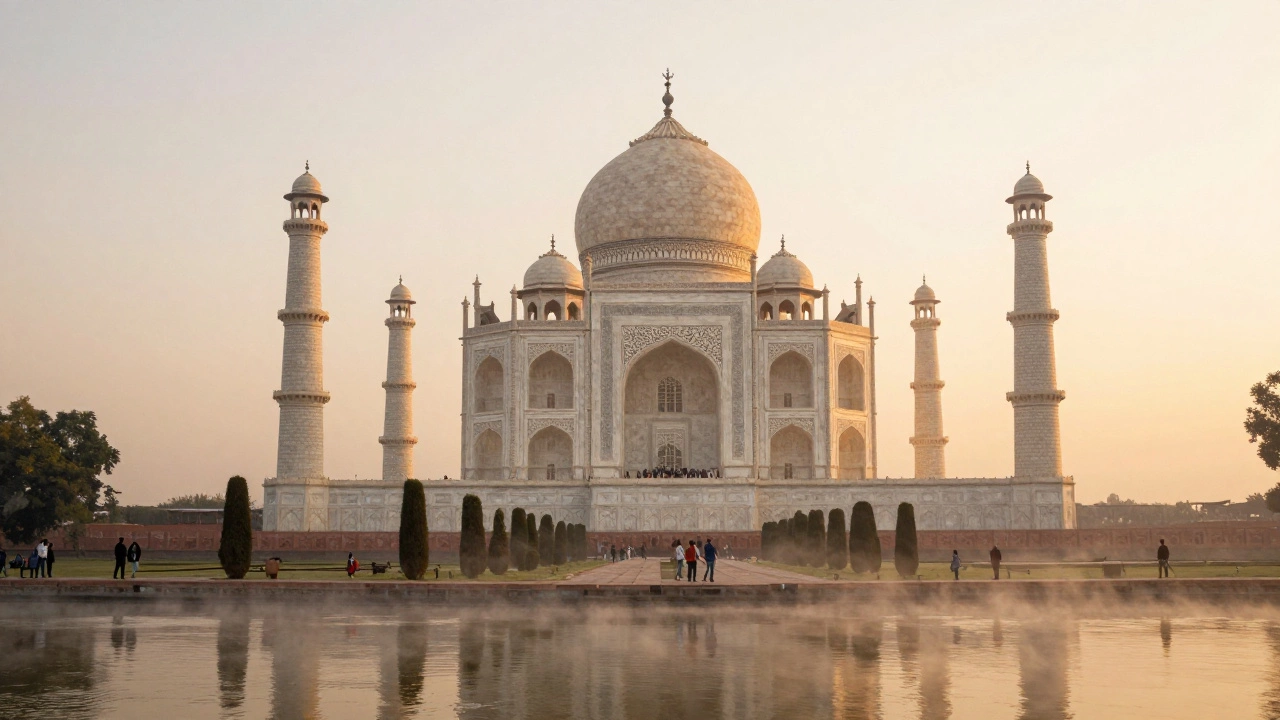
Best Month to Visit Northern India: Weather, Crowds, and Local Events Explained
The best month to visit northern India is October, offering perfect weather, fewer crowds, and vibrant festivals like Diwali. Avoid summer heat and monsoon rains for a truly enjoyable experience.
Read more