Western Ghats: India’s Biodiversity Hotspot and Top Trekking Destination
The Western Ghats, a continuous mountain range running along India’s western coast, is one of the world’s eight hottest biodiversity hotspots and a UNESCO World Heritage Site. Also known as the Sahyadri Range, it stretches over 1,600 kilometers from Gujarat to Tamil Nadu, shaping the climate, rivers, and culture of southern India. This isn’t just a line of hills—it’s a living, breathing ecosystem that feeds half the country’s population through its rivers, shelters thousands of unique plants and animals, and holds sacred sites older than most recorded histories.
What makes the Western Ghats special isn’t just its size, but how much it holds in silence. Over 7,400 plant species live here, with nearly 2,000 found nowhere else on Earth. You’ll find rare frogs that glow under UV light, lions-tailed macaques swinging through misty forests, and the world’s oldest coffee plantations clinging to steep slopes. The Western Ghats UNESCO site, a collection of 39 protected areas recognized for their ecological and biological importance includes places like Silent Valley, Periyar, and Agasthyamalai—each a world unto itself. And while many tourists head to Goa or Kerala’s beaches, few realize the real magic lies just uphill, where waterfalls crash into pools untouched by crowds and tribal communities still follow traditions passed down for centuries.
The Western Ghats trekking, a growing draw for hikers seeking solitude and raw natural beauty ranges from gentle walks through spice plantations to brutal climbs up peaks like Anamudi, India’s highest point south of the Himalayas. Unlike the crowded trails of northern India, here you’ll often have entire ridgelines to yourself. The monsoon season turns the region into a green explosion, while winter offers crisp air and clear views of the plains below. Many of the trails connect to ancient temples like Sabarimala or hidden waterfalls like Kunchikal, making every hike feel like a journey through both nature and history.
Travelers who come here don’t just see scenery—they feel it. The air smells like wet earth and cardamom. The sounds are birds, monkeys, and distant temple bells. You’ll find local guides who know every hidden spring and medicinal herb. And unlike tourist traps elsewhere, the Western Ghats still feel real. This is where India’s wild heart beats strongest.
Below, you’ll find real travel stories from people who’ve walked these hills, eaten food grown in these soils, and slept under stars only visible here. Whether you’re planning your first trek, curious about wildlife, or just want to know where to find the quietest corner of India, the posts ahead give you exactly what you need—no fluff, no hype, just honest routes, tips, and discoveries.
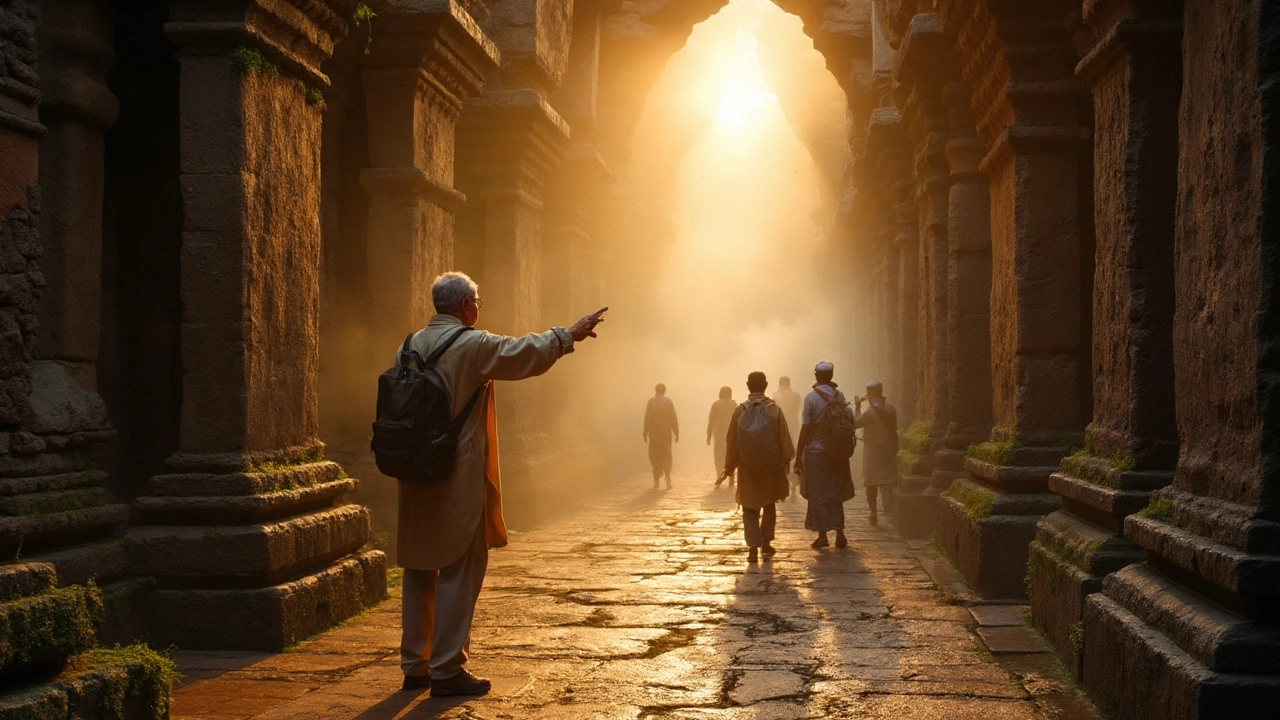
Which Indian State Has the Most UNESCO Heritage Sites? (2025 Answer + Traveler Tips)
Quick answer: Maharashtra tops India for UNESCO heritage sites. See the exact count, runner-ups, what “heritage” means, and smart travel plans to visit them in 2025.
Read more