Vaccinations for India Travel: What You Need Before You Go
When you’re planning a trip to India, vaccinations, preventive shots that protect you from diseases common in certain regions. Also known as travel immunizations, they’re not just a formality—they’re your first line of defense against illnesses you might not even know exist where you’re headed. Most people think they need every shot under the sun, but that’s not true. The real question isn’t ‘What shots are available?’ It’s ‘What shots actually matter for your trip?’
India isn’t one place—it’s dozens of climates, cities, and rural areas, each with different health risks. If you’re heading to busy cities like Delhi or Mumbai, your biggest concern is probably food and water safety. But if you’re trekking in the Himalayas, visiting temples in rural Uttar Pradesh, or spending time near wetlands in Kerala, you’re exposing yourself to different threats. That’s why hepatitis A, a virus spread through contaminated food or water that causes liver inflammation is almost always recommended. It’s simple, effective, and the most common illness travelers get. Then there’s typhoid, a bacterial infection from dirty food or water, common in areas with poor sanitation. You can get it as a shot or a pill. Both work. Pick what’s easier for you.
What about rabies? Only if you’re planning to hike, volunteer with animals, or stay in remote areas where you might encounter stray dogs. Most tourists skip it. Polio? India is officially polio-free, but the vaccine is still recommended if you haven’t had a booster in the last 10 years. Tetanus? Always keep that up to date—it’s not India-specific, but you never know when you’ll scrape your knee on a dusty road. And if you’re traveling during monsoon season or spending time in forests, Japanese encephalitis, a mosquito-borne virus that can cause brain swelling might be worth considering, especially in rural North India.
There’s no one-size-fits-all list. Your doctor won’t give you a checklist—they’ll ask you where you’re going, how long you’ll stay, and what kind of food you’ll eat. That’s the right way to do it. Skip the travel clinics that push every shot. Focus on the ones backed by real data, not fear. And don’t forget: vaccines take time to work. Get them at least 4–6 weeks before you leave. Last-minute shots? They might not help.
What you’ll find below isn’t a list of medical advice—it’s real traveler stories and practical tips from people who’ve been there. You’ll see what worked, what didn’t, and how to avoid getting sick without turning your trip into a hospital visit. Whether you’re eating street food in Varanasi, hiking in the Western Ghats, or exploring ancient temples in Tamil Nadu, the right shots can mean the difference between a smooth journey and a ruined one. Let’s get you prepared—not scared.
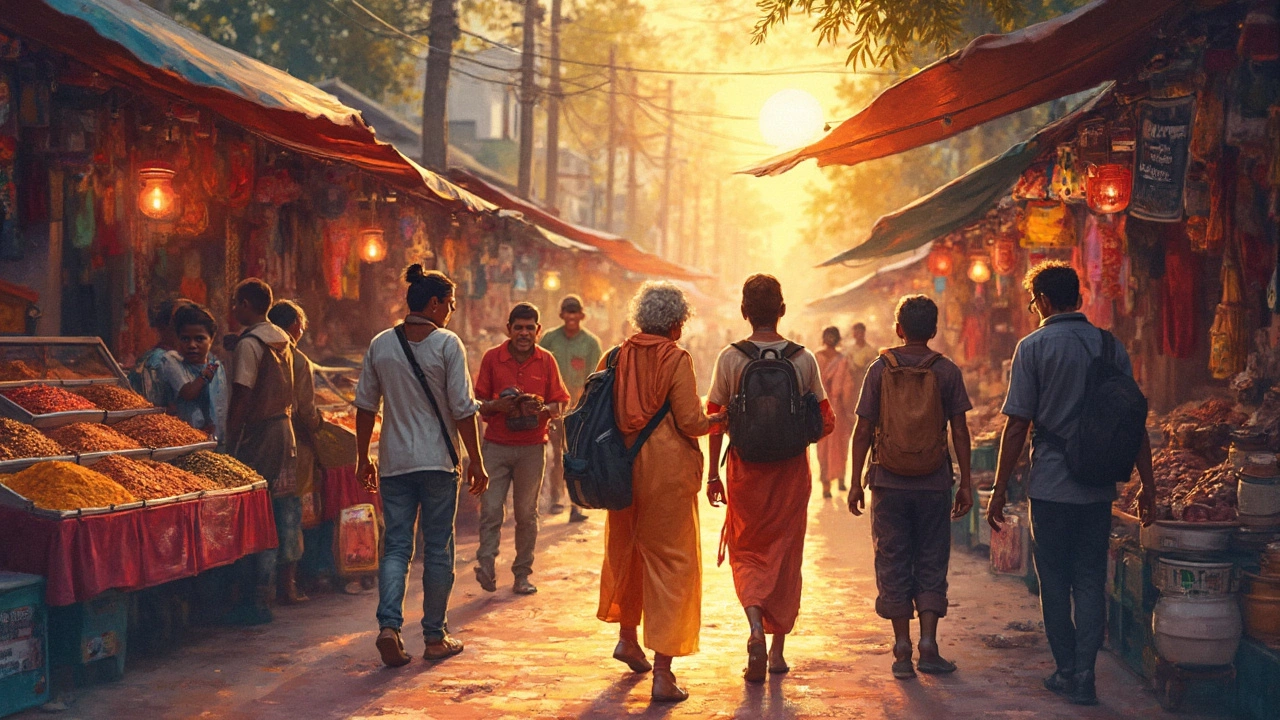
Essential Vaccinations for Traveling to India
Traveling to India offers a vibrant mix of culture, history, and adventure, but it's crucial to prioritize your health. Vaccinations are key to ensuring a safe and healthy trip. Depending on your travel plans and time in South India, you'll need different shots. This guide helps navigate which vaccinations are essential and provides helpful travel tips.
Read more