Travel Tips South India: Essential Advice for Your Trip
When you plan a trip to South India, the region covering Tamil Nadu, Kerala, Karnataka, Andhra Pradesh, and Telangana, known for its lush landscapes, ancient temples, and distinct culture. It's not just another part of India—it's a world of its own, with monsoon rains that turn hills green, temple bells that echo for centuries, and food that makes you rethink what spice means. Unlike North India, where cities buzz with history and chaos, South India moves at a slower, sun-drenched rhythm. You’ll find coconut trees lining roads, backwaters where houseboats glide silently, and streets where you can eat fresh dosas for under 50 rupees. But that doesn’t mean it’s easy to navigate. Without the right tips, you could miss the best spots, get caught in the wrong season, or end up eating something that leaves you sick.
One of the biggest mistakes travelers make is showing up at the wrong time. South India’s climate, varies sharply by state and elevation, with Kerala’s monsoons hitting hard in June, while Karnataka’s hills stay cool year-round. The sweet spot? October to March. That’s when the humidity drops, the temples are less crowded, and the beaches don’t feel like a swamp. If you’re chasing festivals, plan around Onam in Kerala or Pongal in Tamil Nadu—these aren’t just events, they’re full sensory experiences with food, music, and color you won’t find anywhere else. And when it comes to food, don’t assume all Indian food is the same. South Indian meals are built on rice, lentils, and tamarind—not wheat and cream. If you’re used to North Indian curries, you’ll notice the difference fast. Stick to busy local eateries. If a stall has a line of locals, it’s safe. Avoid raw salads and ice in drinks unless you’re sure the water’s filtered. A simple rule: if it’s hot, fresh, and served piping, you’re good.
Temple visits, a core part of South Indian culture, require respect and preparation. Many temples don’t allow non-Hindus inside the inner sanctum, but you can still admire the architecture, carvings, and rituals from outside. Wear clothes that cover your shoulders and knees. Leave shoes at the entrance—no exceptions. And don’t rush. Some temples, like Meenakshi in Madurai or Brihadeeswarar in Thanjavur, take hours to walk through properly. You’ll see priests chanting, oil lamps flickering, and people offering coconuts like they’re giving thanks to an old friend. That’s not tourism—that’s tradition. Transport is another area where travelers get tripped up. Taxis are reliable, but negotiate fares upfront, especially in tourist zones. Ride-hailing apps like Ola and Uber work well in cities like Bangalore and Kochi, but outside those areas, local drivers are your best bet. Ask your hotel to call one for you. And if you’re planning to explore hill stations like Ooty or Munnar, book ahead. These places fill up fast, even outside peak season.
South India isn’t about ticking off landmarks. It’s about sitting on a beach in Kovalam as the sun melts into the sea, tasting a banana leaf meal that’s been made the same way for 200 years, or hearing a classical violin concert in a temple courtyard. The tips here won’t make you an expert overnight, but they’ll keep you safe, fed, and on the right path. Below, you’ll find real stories from people who’ve been there—what worked, what didn’t, and the hidden spots most guides never mention. Whether you’re planning your first trip or your fifth, there’s something here that’ll change how you see South India.
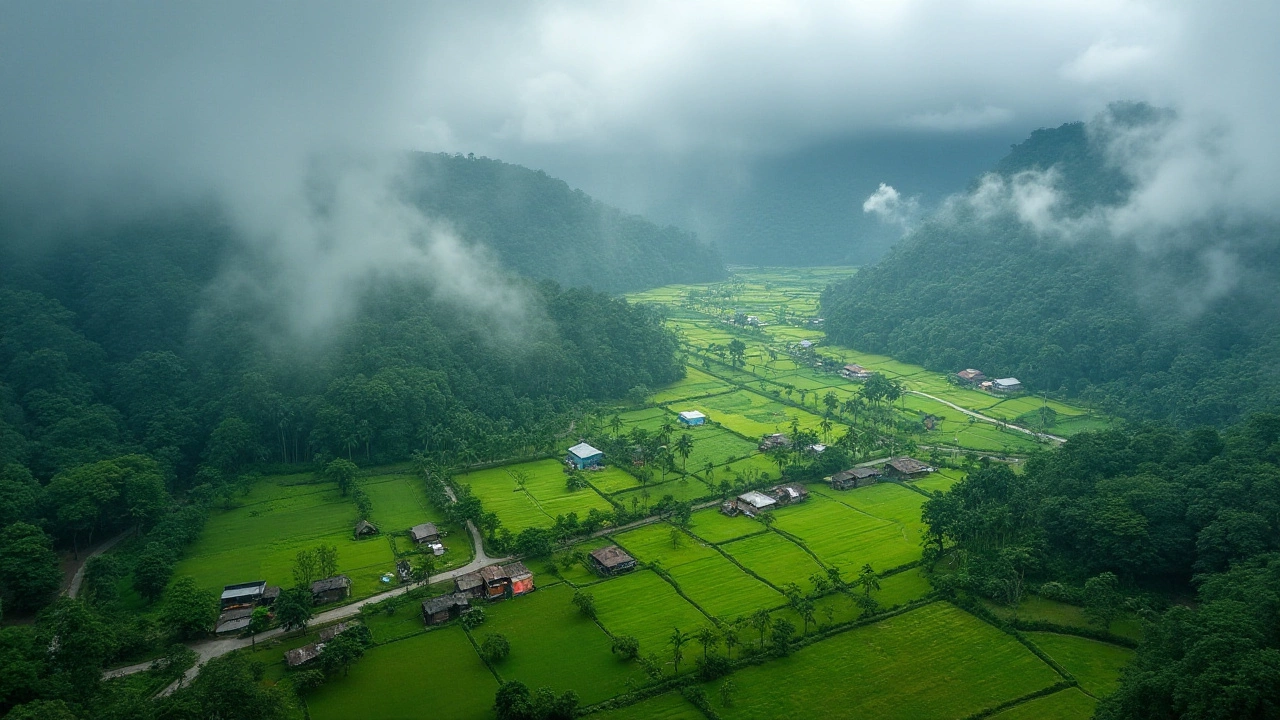
Navigating the Rainy Season in South India: Essential Travel Insights
South India's rainy season, largely dictated by the monsoon, brings lush landscapes and unique travel experiences. Spanning from June to September, the region transforms with verdant greenery and brimming water bodies. Understanding the monsoon's impact is key to planning a fulfilling journey. This guide explores the nature of South India's rains and offers practical advice for prospective travelers.
Read more