Traditions in India: What You Need to Know Before You Go
When you think of traditions in India, deeply rooted customs passed down through generations that shape daily life, religious practice, and community events. Also known as Indian cultural practices, these traditions aren’t just relics—they’re alive in every temple bell, every festival drum, and every family meal. Unlike places where customs fade with time, India’s traditions grow stronger with each generation. They’re not performed for tourists. They’re lived. And if you’re traveling by taxi across the country, you’ll bump into them everywhere—from a roadside shrine in Punjab to a midnight chant in Varanasi.
One of the biggest drivers of these traditions is Hindu festivals, large-scale religious celebrations tied to lunar calendars, deities, and seasonal cycles. Also known as Indian temple festivals, they bring entire cities to a standstill. The Kumbh Mela, for example, draws over 100 million people in a single month—the largest human gathering on Earth. Then there’s Rath Yatra, where giant chariots pull idols through streets, and Durga Puja, where neighborhoods turn into open-air temples. These aren’t events you watch. They’re experiences you walk through, smell, hear, and sometimes get caught in.
Behind every festival is a quieter, daily ritual: temple rituals, structured ceremonies performed by priests at dawn and dusk, often involving offerings, chants, and bells. Also known as puja, these rituals happen in temples as old as 5,000 years, like Mundeshwari in Bihar, and in tiny village shrines with no roof at all. You’ll see women offering flowers, men lighting incense, and children touching the feet of statues—not because they’re told to, but because it’s how they’ve always done it. These aren’t performances. They’re acts of belonging.
And then there’s food. Eating in India isn’t just about taste—it’s about ritual. In many homes, meals start with washing hands and feet. In temples, food is offered to gods before anyone eats. In North India, you’ll find hot, freshly cooked street food that’s safe because it’s made in front of you—no sitting around for hours. In the South, rice isn’t just a side dish—it’s the center of every plate, eaten with hands, not utensils. These aren’t quirks. They’re rules passed down from grandmothers who never wrote them down.
What makes India’s traditions different isn’t their age—it’s their adaptability. You’ll see young people in Delhi wearing traditional kurtas to work, then hopping on a taxi to visit a temple after. You’ll hear Bollywood songs played during temple processions. You’ll find hipsters in Goa meditating next to elders chanting mantras. These traditions don’t resist change. They absorb it.
When you travel across India by taxi, you won’t always see the Taj Mahal. But you’ll see the real India—on the side of the road, in the smell of incense, in the sound of bells at sunrise. You’ll see how people pray, eat, celebrate, and mourn. And if you pay attention, you’ll understand why these traditions still matter—not because they’re old, but because they still work.
Below, you’ll find real stories from travelers who’ve walked through these traditions—not as outsiders, but as people who showed up, listened, and learned. From safe eating tips during festivals to understanding why some temples won’t let you in, these posts cut through the noise and give you what you actually need to know before you go.
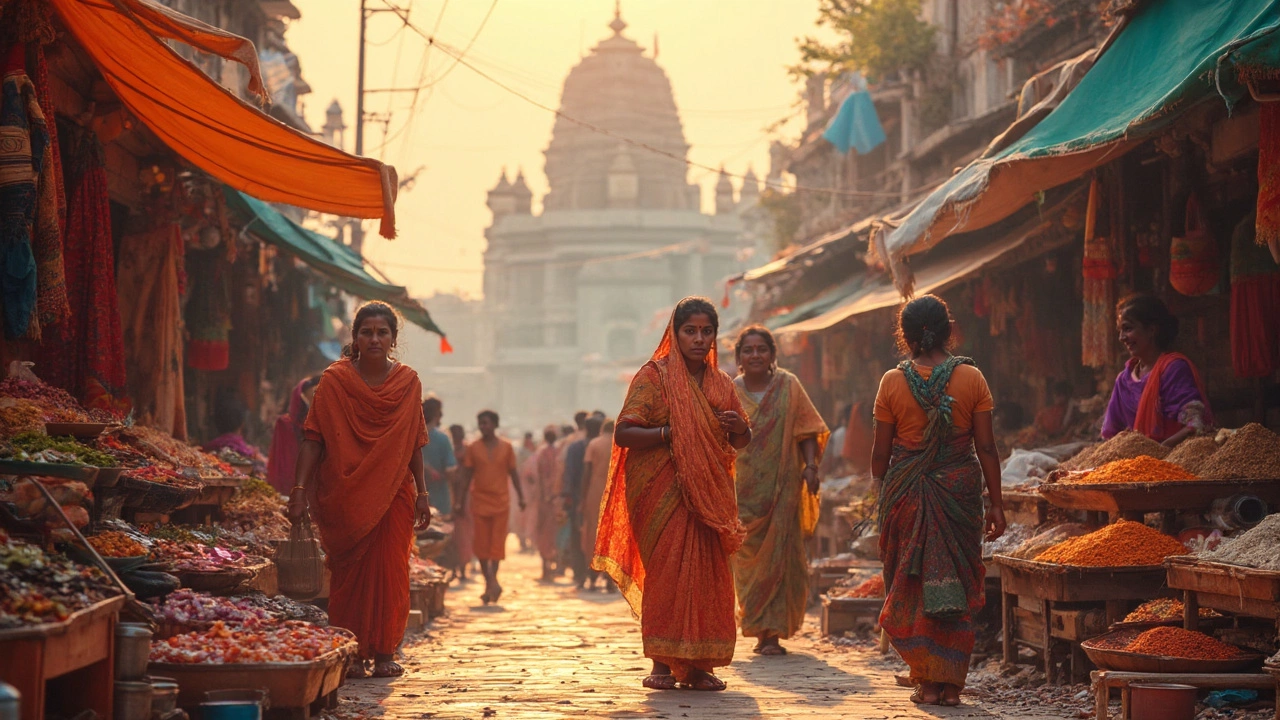
India Culture: Why the World Can't Stop Talking About It
India is famous for its culture because it blends ancient traditions, colorful festivals, and diverse lifestyles, all in one place. From spicy street food to sacred rituals by the Ganges, every corner of the country feels alive with history and meaning. Travelers get swept up in everything from epic dance shows to market haggling over handmade crafts. Dive deeper and you'll find wisdom in daily customs and family ties like nowhere else. For visitors, understanding India's culture isn't just interesting—it's the real secret to unlocking the country's magic.
Read more